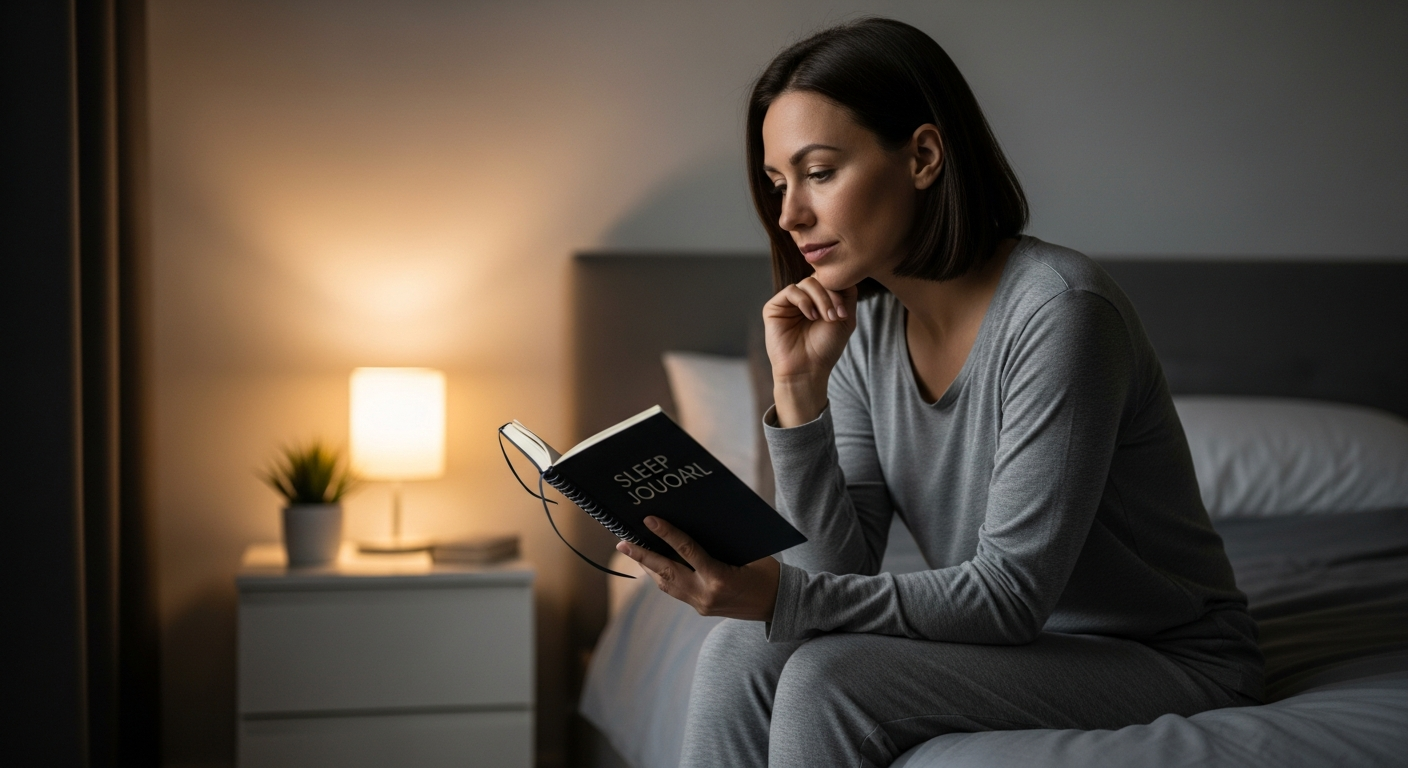

In our quest for better sleep, we often overlook simple yet effective tools. One such tool is the use of sleep affirmations, positive statements that can reprogram your mind for restful nights. Understanding the power of our thoughts and how they influence our bodies is the first step towards harnessing sleep affirmations benefits.
This article will explore the world of sleep affirmations and how they can transform your sleep quality. We will discuss everything from what sleep affirmations are to how to create and use them effectively, including examples and integration with other sleep techniques.
Whether you’re a parent looking to improve your child’s sleep routine or an individual seeking personal sleep improvement, this guide offers valuable insights. By incorporating positive affirmations into your nightly ritual, you can unlock the door to more peaceful and restorative sleep.
What are Sleep Affirmations?
Sleep affirmations are positive statements or declarations that you repeat to yourself before falling asleep. These affirmations are designed to shift your mindset and promote a sense of calm, relaxation, and well-being as you drift off to sleep.
Unlike general positive affirmations, sleep affirmations are specifically tailored to address sleep-related anxieties, stress, and negative self-talk. The goal is to create a mental environment conducive to sleep, making it easier to fall asleep and stay asleep throughout the night.
The concept behind sleep affirmations is rooted in the power of suggestion and the mind-body connection. By consistently repeating positive statements, you can influence your subconscious mind, replacing negative patterns with positive ones that support healthy sleep habits.
Sleep affirmations can be particularly useful for individuals who struggle with insomnia, anxiety-induced sleeplessness, or simply winding down after a busy day. They offer a simple, accessible, and non-invasive way to improve sleep quality and overall well-being.
Furthermore, sleep affirmations can be a proactive approach to managing sleep disorders. They empower individuals to take control of their sleep environment and mental state before bed. This sense of control can be particularly beneficial for those who feel helpless in the face of sleep difficulties.

Think of sleep affirmations as a form of mental conditioning. Just as athletes train their bodies, you can train your mind to associate bedtime with relaxation and positive expectations. This association can become stronger over time with consistent practice.
It’s important to remember that sleep affirmations are not a magic bullet. They are most effective when combined with other healthy sleep habits. However, they can be a valuable addition to any sleep improvement strategy.
Ultimately, sleep affirmations are a tool for cultivating a more positive and peaceful relationship with sleep. They help you replace negative thoughts and anxieties with feelings of calm and anticipation for a restful night.
Benefits of Using Sleep Affirmations
Using sleep affirmations can lead to a multitude of benefits, primarily centered around sleep improvement and mental well-being. One of the most significant sleep affirmations benefits is the reduction of stress and anxiety, common culprits behind sleepless nights.
By focusing on positive statements, you can quiet the racing mind and ease worries that keep you awake. This, in turn, fosters an environment of relaxation and calm, making it easier to fall asleep quickly.
Sleep affirmations can also improve the quality of your sleep, leading to deeper and more restorative rest. When you approach sleep with a positive and peaceful mindset, your body is more likely to relax fully, allowing for more efficient sleep cycles.
Beyond sleep, consistent use of positive affirmations can enhance your overall mood and outlook on life. Cultivating a positive mindset before bed can carry over into your waking hours, promoting greater resilience and emotional well-being.
Another key benefit is the increased self-awareness that comes with practicing affirmations. By consciously focusing on your thoughts and feelings before bed, you become more attuned to your mental and emotional state. This self-awareness can help you identify and address underlying issues that may be contributing to your sleep problems.
Sleep affirmations can also promote a sense of empowerment and control over your sleep. Instead of feeling like a victim of insomnia or anxiety, you are actively taking steps to improve your sleep. This sense of agency can be incredibly motivating and can further enhance the effectiveness of your affirmations.
Moreover, the regular practice of sleep affirmations can lead to a reduction in reliance on sleep aids. By training your mind to relax and fall asleep naturally, you may be able to gradually decrease your dependence on medications or other sleep-inducing substances.
Finally, sleep affirmations are a cost-effective and accessible tool for improving sleep. They require no special equipment or training and can be practiced anywhere, making them a convenient option for anyone seeking better sleep.
How to Create Effective Affirmations
Creating effective sleep affirmations involves crafting statements that resonate with your personal needs and goals. The key is to make them specific, positive, and believable, ensuring they have a meaningful impact on your subconscious mind.
Start by identifying the specific sleep challenges you face, whether it’s difficulty falling asleep, frequent awakenings, or anxiety about not getting enough rest. Tailor your affirmations to address these specific issues directly.
| Challenge | Ineffective Affirmation | Effective Affirmation |
|---|---|---|
| Difficulty falling asleep | I hope I can fall asleep tonight. | I easily drift off into peaceful sleep. |
| Anxiety about not getting enough rest | I need to sleep well tonight. | I trust my body to get the rest it needs. |
| Frequent awakenings | I don’t want to wake up during the night. | I sleep soundly through the night. |
| Racing mind | I need to stop thinking so much. | My mind is calm and at peace. |
Use positive language, framing your affirmations in terms of what you want to achieve rather than what you want to avoid. Avoid using negative words like “not” or “don’t,” as these can reinforce the very issues you’re trying to overcome.
It’s also important to make your affirmations believable. If you don’t truly believe in what you’re saying, your subconscious mind is less likely to accept it. Start with affirmations that feel attainable and gradually increase their ambition as you progress.
Consider using sensory language in your affirmations to make them more vivid and impactful. For example, instead of saying “I am relaxed,” you could say “I feel the tension melting away from my muscles.” Engaging your senses can help your subconscious mind more readily accept the affirmation.
Experiment with different affirmations until you find the ones that resonate most strongly with you. There’s no one-size-fits-all approach, so it’s important to personalize your affirmations to suit your individual needs and preferences.
Write down your affirmations to reinforce them and make them more tangible. Keeping a journal of your affirmations and your experiences with them can also help you track your progress and identify which affirmations are most effective for you.
Review and revise your affirmations regularly. As your needs and goals change, your affirmations should evolve as well. Keeping your affirmations fresh and relevant will help maintain their effectiveness over time.
When and How to Use Affirmations
The timing and method of using sleep affirmations can significantly impact their effectiveness. The best time to use sleep affirmations is right before you go to bed, when your mind is more receptive to suggestion.
Find a quiet and comfortable space where you can relax without distractions. Lie down in bed, close your eyes, and take a few deep breaths to center yourself.
Repeat your chosen affirmations silently or aloud, focusing on the meaning and feeling behind each statement. Visualize yourself experiencing the positive outcomes you’re affirming, such as drifting off to sleep easily or waking up feeling refreshed.
Consistency is key, so make sleep affirmations a regular part of your nightly routine. Over time, this practice can help reprogram your subconscious mind and create lasting positive changes in your sleep patterns.
Consider creating a relaxing pre-sleep ritual that includes your affirmations. This could involve taking a warm bath, reading a book, or listening to calming music. Creating a consistent routine can signal to your body and mind that it’s time to sleep.
If you find your mind wandering while you’re repeating your affirmations, gently redirect your focus back to the statements. It’s normal for thoughts to pop up, but try not to get carried away by them. The goal is to maintain a state of calm and focus.
You can also try recording yourself reading your affirmations and listening to the recording as you fall asleep. This can be particularly helpful if you find it difficult to focus on repeating the affirmations yourself.
Be patient and persistent. It may take time to see noticeable results from using sleep affirmations. Don’t get discouraged if you don’t experience immediate improvement. Keep practicing regularly, and eventually, you will likely begin to see positive changes in your sleep.
Combining Affirmations with Other Sleep Techniques
To maximize sleep improvement, consider integrating sleep affirmations with other established sleep hygiene practices. Combining techniques can create a synergistic effect, enhancing the overall effectiveness of your sleep routine.
For example, practicing mindfulness meditation before reciting your affirmations can further calm your mind and prepare you for sleep. Gentle stretching or yoga can also help release physical tension, making it easier to relax and embrace the positive statements.
- Establish a consistent sleep schedule
- Create a relaxing bedtime routine
- Ensure a dark, quiet, and cool sleep environment
- Limit screen time before bed
- Avoid caffeine and alcohol in the evening
By combining positive affirmations with these practices, you create a holistic approach to sleep improvement. This multi-faceted strategy addresses both the mental and physical aspects of sleep, paving the way for more restful and rejuvenating nights.
Consider using aromatherapy to enhance the relaxation process. Scents like lavender, chamomile, and sandalwood are known for their calming properties. You can use essential oil diffusers or apply diluted oils to your skin before bed.
Pay attention to your diet and avoid heavy meals or sugary snacks before bed. These can disrupt your sleep and make it harder to fall asleep and stay asleep. Opt for a light, healthy snack if you’re hungry before bed.
Ensure your bedroom is conducive to sleep. This means keeping it dark, quiet, and cool. Use blackout curtains, earplugs, or a white noise machine to minimize distractions. A comfortable mattress and pillows are also essential for good sleep.
If you’re struggling with chronic sleep problems, consider consulting with a healthcare professional. They can help you identify any underlying medical conditions or sleep disorders that may be contributing to your difficulties. They can also provide personalized recommendations for improving your sleep.
Examples of Sleep Affirmations
Here are several examples of sleep affirmations you can adapt or use as inspiration for creating your own. Remember to choose affirmations that resonate with you personally and address your specific sleep challenges.
“I release all tension and stress from my body.” This affirmation is perfect for those who carry stress in their muscles and find it hard to physically relax.
“My mind is quiet, and I am at peace.” Use this if you struggle with a racing mind or find it hard to switch off from the day’s events.
“I trust my body to rest and restore itself.” This affirmation can help ease anxiety about not getting enough sleep, promoting a sense of trust in your body’s natural ability to rest.
“I drift off to sleep easily and peacefully.” This is a great affirmation for those who have difficulty falling asleep, helping to create a positive association with bedtime.
“I sleep soundly through the night and wake up refreshed.” If you experience frequent awakenings, this affirmation can help promote a sense of uninterrupted, restorative sleep.
“I am grateful for the opportunity to rest and rejuvenate my body.” This affirmation promotes a sense of gratitude and appreciation for the gift of sleep.
“I am safe, secure, and protected as I sleep.” This affirmation can help ease anxiety and promote a sense of security during the night.
“I welcome sleep with open arms and a peaceful heart.” This affirmation helps create a positive and receptive attitude towards sleep.
“I wake up feeling energized and ready to face the day.” This affirmation sets a positive intention for the morning and promotes a sense of vitality.
“Every cell in my body is healing and restoring itself as I sleep.” This affirmation promotes a sense of physical healing and rejuvenation during sleep.
Conclusion
Incorporating sleep affirmations into your nightly routine can be a powerful step towards achieving better sleep and overall well-being. By creating and consistently using positive statements, you can reprogram your mind to embrace relaxation and restful sleep.
Remember, the key to success lies in tailoring affirmations to your specific needs, using them regularly, and combining them with other healthy sleep habits. Embrace the power of your thoughts and transform your sleep with the simple yet effective practice of sleep affirmations.
Whether you’re seeking sleep improvement for yourself or your children, the benefits of mindfulness and positive affirmations are undeniable. Start tonight and experience the transformative power of a positive mindset on your sleep.
The journey to better sleep is a personal one, and sleep affirmations are a tool to help you along the way. Be patient with yourself, experiment with different techniques, and celebrate your progress. Sweet dreams await!
Ultimately, the consistent practice of sleep affirmations will foster a positive relationship with sleep. It will equip you with the tools and mindset to promote relaxation, reduce anxiety, and enjoy more restful nights. Good night, and sleep well!