
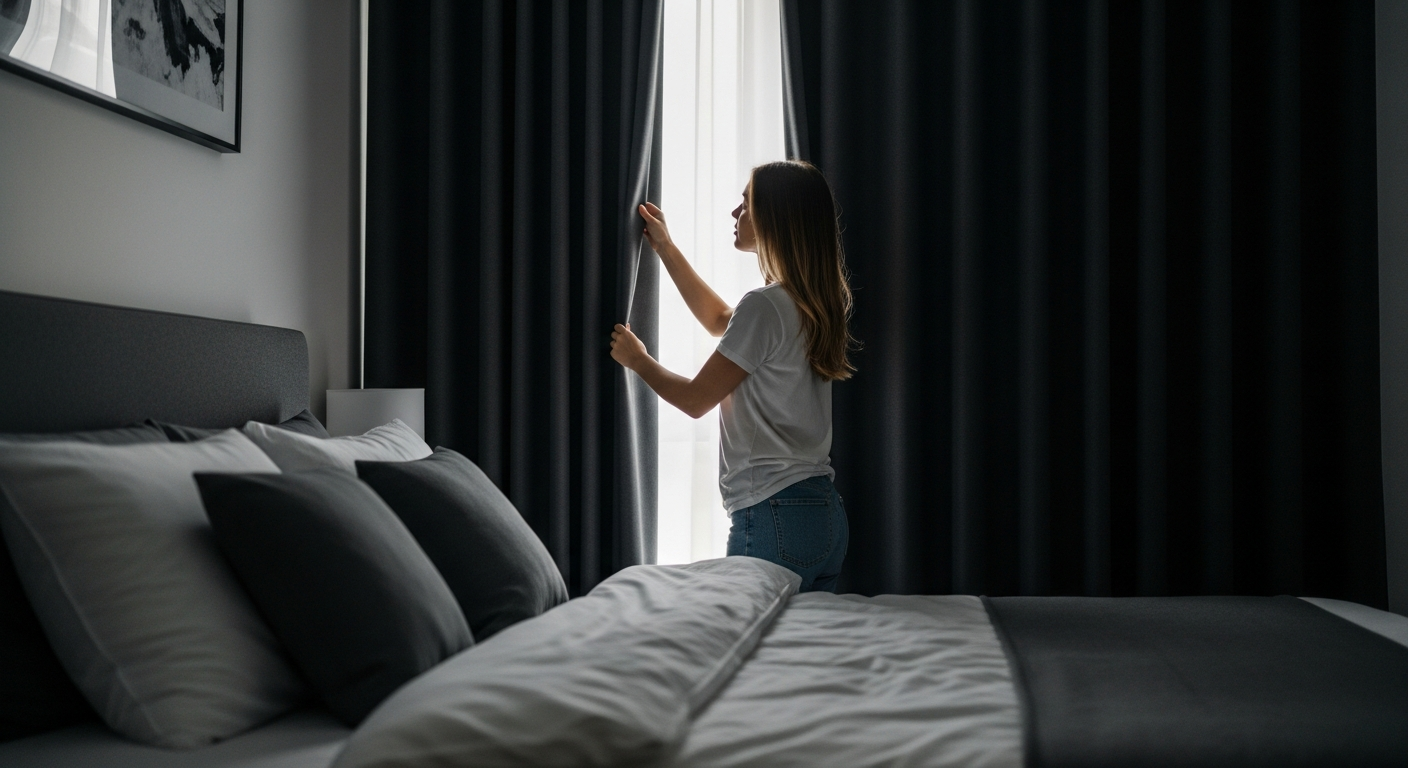
Creating an ideal sleep environment is more than just dimming the lights. It’s about crafting a space that promotes relaxation and deep, restful sleep. The goal is to make your bedroom a sanctuary dedicated to rejuvenation.
For children, this is even more critical, as their sleep patterns directly impact their development and well-being. By understanding the key elements of an ideal sleep environment, you can significantly improve your sleep hygiene and pediatric routines.
This comprehensive guide will walk you through each aspect of bedroom setup, from optimizing temperature and lighting to soundproofing and choosing the right mattress. These changes can lead to better sleep quality for the whole family.
The Importance of a Sleep-Friendly Environment
A sleep-friendly environment plays a significant role in regulating your circadian rhythm, the body’s natural sleep-wake cycle. When your surroundings are conducive to sleep, your brain can more easily transition into a state of rest.
This is especially important for children, as consistent sleep patterns are crucial for cognitive development and overall health. A well-designed sleep environment also minimizes disruptions, allowing for longer and deeper sleep cycles.
Factors such as noise, light, and temperature can all interfere with sleep, leading to restlessness and difficulty falling asleep. By addressing these factors, you can create a space that promotes relaxation and prepares your body for sleep.
For parents, establishing a consistent bedtime routine in a sleep-friendly environment can make bedtime less of a struggle. It can also improve the overall sleep quality of both the child and the parents.
Beyond the immediate benefits of improved sleep, a consistently sleep-friendly environment can have long-term positive impacts. These benefits extend to improved mood, enhanced cognitive function, and better physical health.

Think of your bedroom as an investment in your well-being. Creating a space that prioritizes sleep is an investment that pays dividends in all areas of your life.
Consider the cumulative effect of small changes. Even seemingly minor adjustments to your sleep environment can have a significant impact on your overall sleep quality over time.
Don’t underestimate the power of a consistent and comfortable sleep space. It’s a cornerstone of a healthy and balanced lifestyle.
Optimizing Temperature for Better Sleep
Temperature is a critical factor in creating an ideal sleep environment. A slightly cooler room is generally recommended for optimal sleep quality.
The ideal temperature range is typically between 60 to 67 degrees Fahrenheit (15.5 to 19.4 degrees Celsius). This cooler temperature helps your body’s core temperature to drop, signaling that it’s time to sleep.
Adjusting your thermostat is the most direct way to control the temperature in your bedroom. You can also use fans or air conditioners to lower the temperature during warmer months.
In colder months, consider using a humidifier to add moisture to the air, as dry air can be uncomfortable and disrupt sleep. Layering blankets allows you to adjust your warmth level throughout the night.
Individual preferences can vary, so experiment to find the temperature that works best for you. Some people may prefer a slightly warmer or cooler room than the recommended range.
Consider using a programmable thermostat to automatically adjust the temperature throughout the night. This can help to maintain a consistent and comfortable sleep environment.
Pay attention to the temperature of your bedding as well. Breathable fabrics like cotton can help to regulate your body temperature and prevent overheating.
If you share a bed with someone who has different temperature preferences, consider using separate blankets or a dual-zone mattress pad. This can help to ensure that both of you are comfortable throughout the night.
The Role of Light and Darkness
Light exposure significantly impacts your body’s natural sleep-wake cycle. Darkness signals to your brain that it’s time to produce melatonin, a hormone that promotes sleepiness.
Conversely, light exposure, especially blue light from electronic devices, can suppress melatonin production and make it harder to fall asleep. Blackout curtains are an excellent way to block out external light sources, such as streetlights or early morning sunlight.
| Light Source | Impact on Sleep | Solutions |
|---|---|---|
| Streetlights | Disrupts melatonin production | Blackout curtains |
| Electronic Devices | Blue light suppresses melatonin | Avoid screens before bed |
| Early Morning Sunlight | Wakes you up too early | Heavy drapes or blinds |
| Nightlights | Can interfere with deep sleep | Use dim, red-toned lights |
Avoid using electronic devices like smartphones, tablets, and computers for at least an hour before bed. If you must use them, consider using blue light filters or apps that reduce blue light emission.
Consider using a red-toned nightlight if you need to get up during the night. Red light has the least impact on melatonin production.
Invest in a sunrise alarm clock that gradually increases light intensity in the morning. This can help to wake you up more naturally and gently.
Ensure that your bedroom is completely dark during sleep. Even small amounts of light can disrupt your sleep cycle.
For children, a consistent bedtime routine with dimmed lights can help to signal that it’s time to sleep. This can make bedtime less of a struggle and improve their sleep quality.
Soundproofing Your Bedroom
Noise pollution can significantly disrupt sleep, making it difficult to fall asleep and stay asleep. Soundproofing your bedroom can create a quieter and more peaceful environment.
Start by identifying the sources of noise that are affecting your sleep. Common sources include traffic, neighbors, and household appliances.
Consider using thick curtains or drapes to absorb sound from outside. Adding rugs or carpets can also help to dampen sound within the room.
White noise machines or fans can create a consistent background noise that masks other disruptive sounds. Earplugs are also an effective and inexpensive way to block out noise.
For more significant noise problems, consider installing soundproof windows or doors. These can significantly reduce the amount of noise that enters your bedroom.
Seal any gaps or cracks around windows and doors with weather stripping or caulk. This can help to block out drafts and reduce noise transmission.
Consider using acoustic panels on the walls to absorb sound. These panels can be particularly effective in reducing echo and reverberation.
If you live in an apartment, talk to your neighbors about noise levels. They may be willing to make adjustments to reduce noise during sleep hours.
Choosing the Right Mattress and Pillows
Your mattress and pillows play a crucial role in your sleep quality. An uncomfortable mattress can lead to tossing and turning, while the wrong pillow can cause neck pain and headaches.
When choosing a mattress, consider your preferred sleeping position and firmness level. Side sleepers often benefit from a softer mattress, while back and stomach sleepers may prefer a firmer one.
- Memory foam mattresses conform to your body
- Latex mattresses offer good support and durability
- Innerspring mattresses provide a traditional feel
- Hybrid mattresses combine features of different types
- Adjustable beds allow you to customize your sleeping position
Pillows should support the natural curve of your neck and keep your head aligned with your spine. Different pillow types, such as memory foam, down, and feather, offer varying levels of support and comfort.
Don’t hesitate to try out mattresses and pillows in a store before making a purchase. Spend some time lying on them in your preferred sleeping position to see how they feel.
Consider your budget when choosing a mattress and pillows. There are many high-quality options available at different price points.
Read reviews and compare different brands and models before making a decision. This can help you to find the best mattress and pillows for your needs.
Replace your mattress and pillows every few years to ensure optimal comfort and support. Over time, they can lose their shape and become less supportive.
Maintaining Air Quality
The air quality in your bedroom can significantly impact your sleep. Allergens, dust, and pollutants can irritate your respiratory system and disrupt your sleep.
Regularly cleaning your bedroom, including vacuuming and dusting, can help to reduce allergens and dust. Consider using an air purifier to filter out pollutants and improve air quality.
Ensure your bedroom is well-ventilated by opening windows regularly, especially during the day. Avoid using harsh chemicals or fragrances in your bedroom, as these can irritate your airways.
Indoor plants can also help to improve air quality by absorbing carbon dioxide and releasing oxygen. However, be mindful of potential allergens from pollen.
Use hypoallergenic bedding to minimize allergens. This is especially important if you have allergies or asthma.
Change your air filters regularly to ensure optimal performance. This will help to remove pollutants and allergens from the air.
Avoid smoking in your bedroom. Smoke can significantly reduce air quality and disrupt sleep.
Consider using a dehumidifier if you live in a humid climate. High humidity can promote the growth of mold and mildew, which can worsen allergies and respiratory problems.
Establishing a Relaxing Bedtime Routine
A relaxing bedtime routine signals to your body that it’s time to wind down and prepare for sleep. Consistency is key to establishing a routine that works for you.
Start by setting a consistent bedtime and wake-up time, even on weekends. This helps to regulate your circadian rhythm and improve sleep quality.
Avoid caffeine and alcohol close to bedtime, as these substances can interfere with sleep. Instead, opt for a warm bath, reading a book, or listening to calming music.
For children, a bedtime routine might include a warm bath, reading a story, and singing a lullaby. Avoid screen time before bed, as the blue light can disrupt their sleep.
Practice relaxation techniques such as deep breathing or meditation. These can help to calm your mind and prepare you for sleep.
Keep your bedroom a screen-free zone. This will help to reduce exposure to blue light and create a more relaxing atmosphere.
Write down any worries or to-do lists before bed. This can help to clear your mind and prevent racing thoughts from keeping you awake.
Create a calming atmosphere in your bedroom with aromatherapy. Scents like lavender and chamomile can promote relaxation and sleep.
The Impact of Color Psychology
The colors in your bedroom can influence your mood and relaxation levels. Calming colors can promote relaxation, while stimulating colors can have the opposite effect.
Cool colors like blues, greens, and lavenders are often recommended for bedrooms due to their calming properties. These colors can help to lower your heart rate and blood pressure, promoting relaxation.
Avoid bright and stimulating colors like reds, oranges, and yellows, as these can increase alertness and make it harder to fall asleep. Neutral colors like whites, beiges, and grays can also create a calming and serene atmosphere.
Consider using color psychology when choosing paint colors, bedding, and decor for your bedroom. The goal is to create a space that feels peaceful and inviting.
Incorporate natural elements into your bedroom decor. Wood tones and natural textures can create a sense of calm and connection to nature.
Use soft and comfortable fabrics for bedding and curtains. This can help to create a more inviting and relaxing space.
Add personal touches to your bedroom decor to make it feel more like your own. This can help you to feel more comfortable and relaxed in your space.
Avoid clutter in your bedroom. A clean and organized space can promote relaxation and reduce stress.
Addressing Sleep Disorders
If you consistently struggle with sleep despite optimizing your sleep environment and routine, you may have a sleep disorder. Common sleep disorders include insomnia, sleep apnea, and restless legs syndrome.
Insomnia is characterized by difficulty falling asleep, staying asleep, or both. Sleep apnea is a condition in which you stop breathing for short periods during sleep.
Restless legs syndrome causes an irresistible urge to move your legs, often accompanied by uncomfortable sensations. If you suspect you have a sleep disorder, consult with a healthcare professional.
They can diagnose your condition and recommend appropriate treatment options, such as medication, therapy, or lifestyle changes. Addressing sleep disorders can significantly improve your sleep quality and overall health.
Keep a sleep diary to track your sleep patterns and identify potential triggers. This information can be helpful for your doctor in diagnosing and treating your sleep disorder.
Consider undergoing a sleep study to evaluate your sleep patterns and identify any underlying sleep disorders. This is a non-invasive test that can provide valuable information about your sleep health.
Explore different treatment options for your sleep disorder. These may include medication, therapy, or lifestyle changes.
Be patient and persistent in your efforts to address your sleep disorder. It may take time to find the right treatment plan that works for you.
Conclusion
Creating the ideal sleep environment is a multifaceted process that involves optimizing various factors, from temperature and lighting to soundproofing and mattress selection. By addressing each of these elements, you can significantly improve your sleep quality and overall well-being.
Remember, consistency is key when establishing new sleep hygiene habits and pediatric routines. A well-designed sleep environment can transform your bedroom into a sanctuary dedicated to rest and rejuvenation.
Prioritize sleep as an essential component of your overall health and wellness. Making small changes to your sleep environment can have a big impact on your sleep quality.
Don’t be afraid to experiment and find what works best for you. Everyone’s sleep needs are different, so it’s important to find a sleep environment that is tailored to your individual preferences.