
Getting enough sleep is crucial for overall health, but it can be hard to know what is fact and what is fiction. Many common beliefs about sleep are actually sleep myths debunked by science. Understanding the truth about sleep can help you prioritize healthy sleep habits and improve your well-being.
Let’s separate sleep facts from sleep misconceptions. This article will explore and debunk some of the most prevalent sleep myths, offering insights into how sleep really works and providing tips for better sleep hygiene and pediatric routines.
By understanding the truth behind these common sleep myths, you can make informed decisions about your sleep schedule and habits. Good sleep is not a luxury; it’s a necessity for a healthy and productive life, so let’s begin!
Myth: You Can Catch Up on Sleep Over the Weekend
One of the most pervasive sleep myths debunked is the idea that you can fully recover from sleep deprivation by sleeping in on the weekends. While it’s true that extra sleep can help alleviate some of the immediate effects of sleep loss, it doesn’t erase the accumulated sleep debt. Think of sleep debt like any other kind of debt; eventually it will catch up with you.
Chronic sleep deprivation has long-term consequences that can’t be undone with a couple of long lie-ins. Regularly skimping on sleep during the week and then trying to compensate on the weekend can disrupt your body’s natural sleep-wake cycle, also known as your circadian rhythm.
This disruption can lead to a phenomenon known as “social jetlag,” where your body clock is constantly shifting, similar to the effects of traveling across time zones. Social jetlag can cause daytime fatigue, mood disturbances, and even increase your risk of chronic diseases like obesity and diabetes.
Instead of relying on weekend catch-up, prioritize consistent sleep habits throughout the week. Aim for a regular sleep schedule, going to bed and waking up around the same time each day, even on weekends, to regulate your circadian rhythm and improve overall sleep quality.
If you have to recover, don’t overdo it. Adding an hour or two can help, but sleeping half the day will make you feel worse.

Furthermore, consider the quality of your “catch-up” sleep. Sleeping in excessively often leads to fragmented sleep, which is less restorative than consistent, uninterrupted sleep. You might find yourself waking up frequently, feeling groggy, and ultimately not feeling much better despite the extended hours in bed.
Think of your sleep schedule like a diet. Binging on the weekends doesn’t undo the effects of unhealthy eating during the week. Consistency is key to a healthy sleep pattern.
The best strategy is to aim for a consistent 7-9 hours of sleep every night. This will allow your body to properly rest and repair itself, leading to improved physical and mental health. It also stabilizes your mood and contributes to better cognitive function.
If you consistently struggle to get enough sleep during the week, examine your daily routine. Are there activities that are cutting into your sleep time? Identifying these factors and making adjustments can help you prioritize sleep and establish a more consistent schedule.
Remember, sleep is not a luxury; it’s a fundamental biological need. Treat it as such, and you’ll reap the benefits of improved health and well-being.
Myth: Napping During the Day is Always Bad for Sleep
The idea that napping during the day is always detrimental to nighttime sleep is another common sleep misconception. While it’s true that poorly timed or overly long naps can interfere with your sleep schedule, strategic napping can actually be beneficial for many people.
The key is to understand how naps affect your sleep patterns and to nap accordingly. Short naps, typically lasting 20-30 minutes, can improve alertness, enhance cognitive performance, and boost mood without causing significant sleep inertia or disrupting nighttime sleep.
These “power naps” are particularly useful for combating midday drowsiness or preparing for an afternoon of focused work. Longer naps, lasting 60-90 minutes, can also be beneficial, as they allow you to complete a full sleep cycle, which can improve memory consolidation and creativity.
However, longer naps can also lead to grogginess and make it harder to fall asleep at night if taken too late in the day. The timing of your nap is also crucial; avoid napping too close to bedtime, as this can reduce your sleep drive and make it harder to fall asleep when you want to.
Experiment with different nap lengths and timings to find what works best for you. If you’re struggling with nighttime sleep, try cutting back on naps or eliminating them altogether to see if that improves your sleep quality.
Consider the reason you’re feeling the need to nap in the first place. Are you consistently sleep-deprived during the week? If so, addressing your nighttime sleep habits should be the priority rather than relying on naps as a crutch.
Naps can be particularly helpful for shift workers or those experiencing jet lag. In these situations, a well-timed nap can help to regulate the circadian rhythm and improve alertness during waking hours. It is important to be mindful of the potential impact on night time sleep.
For some people, napping can exacerbate insomnia. If you find that napping consistently makes it harder to fall asleep at night, it’s best to avoid them altogether. Listen to your body and adjust your napping habits accordingly.
Ultimately, the decision of whether or not to nap is a personal one. There’s no one-size-fits-all answer. Experimentation and self-awareness are key to finding what works best for you and your individual sleep needs.
If you find yourself consistently needing to nap, it may be a good idea to consult with a sleep specialist. They can help you identify any underlying sleep disorders or other factors that may be contributing to your daytime sleepiness.
Myth: Counting Sheep Helps You Fall Asleep
Counting sheep is often suggested as a remedy for insomnia, but its effectiveness is questionable. The idea is that the monotonous task will lull you into a state of relaxation, making it easier to drift off to sleep.
However, for many people, counting sheep can be too boring or even anxiety-inducing, as it focuses their attention on the fact that they’re not sleeping. A study compared people counting sheep to people imagining a relaxing scene.
| Technique | Effectiveness | Why it Works |
|---|---|---|
| Counting Sheep | Low | Monotonous, but not engaging |
| Relaxing Imagery | High | Distracts from worries, promotes calm |
| Deep Breathing | Medium | Lowers heart rate, reduces stress |
| Progressive Muscle Relaxation | Medium | Releases tension, aids relaxation |
The people who imagined a relaxing scene fell asleep faster. Counting sheep is not a universal solution for sleeplessness.
Instead of counting sheep, try more effective relaxation techniques like deep breathing exercises, progressive muscle relaxation, or guided meditation. These practices can help calm your mind and body, making it easier to fall asleep.
Deep breathing exercises, such as the 4-7-8 technique, can help to slow your heart rate and calm your nervous system. This involves inhaling deeply for 4 seconds, holding your breath for 7 seconds, and exhaling slowly for 8 seconds.
Progressive muscle relaxation involves tensing and releasing different muscle groups in your body, starting with your toes and working your way up to your head. This can help to release physical tension and promote relaxation.
Guided meditation involves listening to a recording that guides you through a relaxation exercise, often involving imagery and breathing techniques. This can help to quiet your mind and focus on the present moment.
Another effective technique is to focus on your breath without trying to control it. Simply observe the natural rhythm of your breath, noticing the rise and fall of your chest or abdomen. This can help to anchor you in the present moment and prevent your mind from racing.
If you find that your mind is still racing, try writing down your thoughts and worries in a journal before bed. This can help to clear your mind and release any pent-up emotions that may be keeping you awake.
Myth: You Only Need 5 Hours of Sleep
One of the most dangerous sleep myths debunked is the belief that you can function optimally on just five hours of sleep. While some people may claim to feel fine on minimal sleep, research consistently shows that most adults need around 7-9 hours of sleep per night for optimal health and performance.
Regularly getting less than the recommended amount of sleep can have serious consequences for your physical and mental health. Chronic sleep deprivation can impair cognitive function, reduce productivity, weaken the immune system, and increase your risk of chronic diseases like heart disease, diabetes, and obesity.
Even if you feel like you’re functioning well on five hours of sleep, your body is likely accumulating sleep debt, which can manifest in subtle ways like increased irritability, difficulty concentrating, or a greater susceptibility to illness. It’s important to prioritize sleep and make it a non-negotiable part of your daily routine.
Experiment with different sleep durations to find what works best for you, but aim for at least seven hours of quality sleep per night. If you’re consistently struggling to get enough sleep, consider evaluating your sleep habits and making changes to improve your sleep hygiene.
Also, consult with a healthcare professional to rule out any underlying sleep disorders. There is no badge of honor for depriving yourself of sleep.
Consider the impact of sleep deprivation on your relationships. Irritability and mood swings can strain your interactions with loved ones, leading to conflict and misunderstandings. Prioritizing sleep can improve your emotional regulation and strengthen your relationships.
Sleep deprivation can also impair your judgment and decision-making abilities. This can have serious consequences in various aspects of your life, from your work performance to your personal safety. Adequate sleep is essential for clear thinking and sound judgment.
Think about the long-term effects of chronic sleep deprivation. Over time, it can significantly increase your risk of developing chronic diseases and shortening your lifespan. Investing in your sleep is an investment in your long-term health and well-being.
If you’re struggling to prioritize sleep, consider setting realistic goals and making gradual changes to your routine. Start by going to bed just 15 minutes earlier each night and gradually increase the amount of time until you’re consistently getting 7-9 hours of sleep.
Remember, sleep is not a luxury; it’s a necessity. Make it a priority in your life, and you’ll reap the rewards of improved health, performance, and overall well-being.
Myth: Exercise Before Bed Disrupts Sleep
The idea that exercising before bed always disrupts sleep is a common misconception. While intense exercise too close to bedtime can interfere with sleep for some people, moderate exercise earlier in the evening can actually promote better sleep.
Exercise has numerous benefits for sleep, including reducing stress, improving mood, and regulating your body’s natural sleep-wake cycle. However, the timing and intensity of your workout are key.
Intense workouts can raise your body temperature and stimulate the release of adrenaline, making it harder to wind down and fall asleep. However, moderate exercise, such as a brisk walk or gentle yoga, can help you relax and prepare for sleep.
Try to finish your workout at least a few hours before bedtime to allow your body temperature to cool down and your adrenaline levels to return to normal. Experiment with different types of exercise and timings to find what works best for you.
Pay attention to how your body responds and adjust your exercise routine accordingly. If you find that exercise consistently disrupts your sleep, try moving your workouts to earlier in the day.
Consider the type of exercise you’re doing. High-intensity interval training (HIIT) or heavy weightlifting are more likely to interfere with sleep than gentler activities like yoga or swimming. Choose exercises that promote relaxation and stress reduction.
Pay attention to your body’s signals. If you feel energized and alert after exercising close to bedtime, it may be a sign that it’s disrupting your sleep. If you feel relaxed and tired, it may be beneficial.
Establish a consistent exercise routine. Regular exercise, regardless of the timing, can improve your overall sleep quality over time. Aim for at least 30 minutes of moderate-intensity exercise most days of the week.
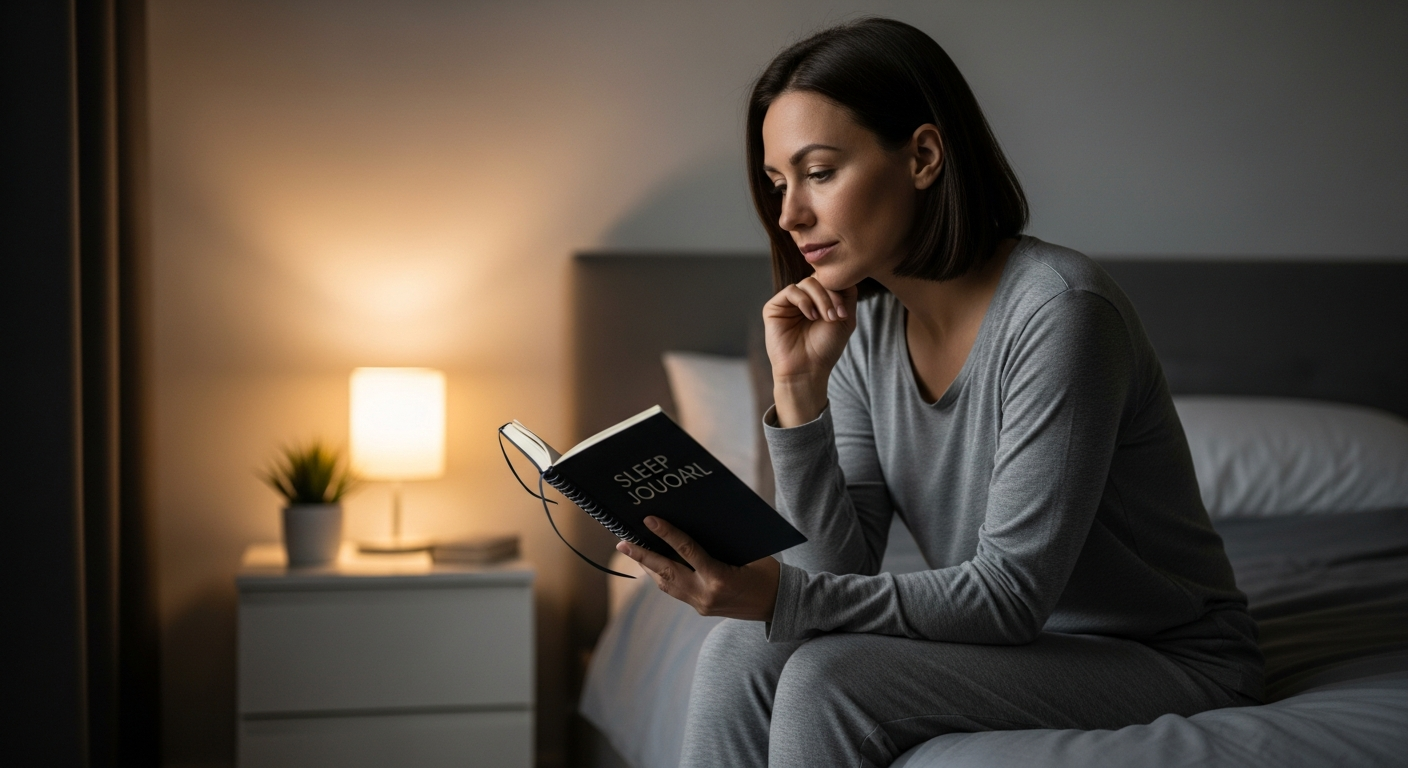
If you’re unsure whether exercise is affecting your sleep, try keeping a sleep diary. Track your exercise habits, sleep duration, and sleep quality to identify any patterns or correlations. This can help you make informed decisions about your exercise routine.
Remember, everyone is different. What works for one person may not work for another. Experiment with different types of exercise and timings to find what works best for you and your individual sleep needs.
Myth: Snoring is Harmless
Snoring is often dismissed as a harmless and even humorous habit, but it can actually be a sign of a more serious underlying health issue. While occasional snoring may not be a cause for concern, chronic or loud snoring can be indicative of sleep apnea, a potentially dangerous sleep disorder.
Sleep apnea causes you to repeatedly stop and start breathing during the night, which can lead to a variety of health problems, including high blood pressure, heart disease, stroke, and diabetes. In addition to the health risks, snoring can also disrupt your sleep and the sleep of your partner.
If you snore loudly or frequently, or if you experience other symptoms of sleep apnea such as daytime sleepiness, morning headaches, or difficulty concentrating, it’s important to see a doctor. A sleep study can help diagnose sleep apnea and determine the best course of treatment.
Treatment options for sleep apnea include lifestyle changes, such as losing weight and avoiding alcohol before bed, as well as medical interventions like continuous positive airway pressure (CPAP) therapy. Don’t ignore snoring; it could be a sign of a more serious problem.
- Lose weight if overweight
- Avoid alcohol before bed
- Sleep on your side
- Use nasal strips or a nasal dilator
- Elevate the head of your bed
Consider the impact of snoring on your partner’s sleep. Disrupted sleep can lead to fatigue, irritability, and other health problems for your partner as well. Addressing your snoring can improve the quality of life for both of you.
Be aware of the potential consequences of untreated sleep apnea. In addition to the health risks mentioned earlier, sleep apnea can also increase your risk of car accidents and other accidents due to daytime sleepiness. Seeking treatment can improve your safety and well-being.
If you’re hesitant to see a doctor about your snoring, consider starting with some simple lifestyle changes. Losing weight, avoiding alcohol before bed, and sleeping on your side can often reduce snoring and improve sleep quality.
Explore different treatment options for sleep apnea. CPAP therapy is the most common and effective treatment, but there are also other options available, such as oral appliances and surgery. Discuss the best treatment options with your doctor.
Remember, snoring is not just a nuisance; it can be a sign of a serious health problem. Don’t ignore it. Seek medical attention if you’re concerned about your snoring or if you experience other symptoms of sleep apnea.
Myth: Watching TV Helps You Relax Before Bed
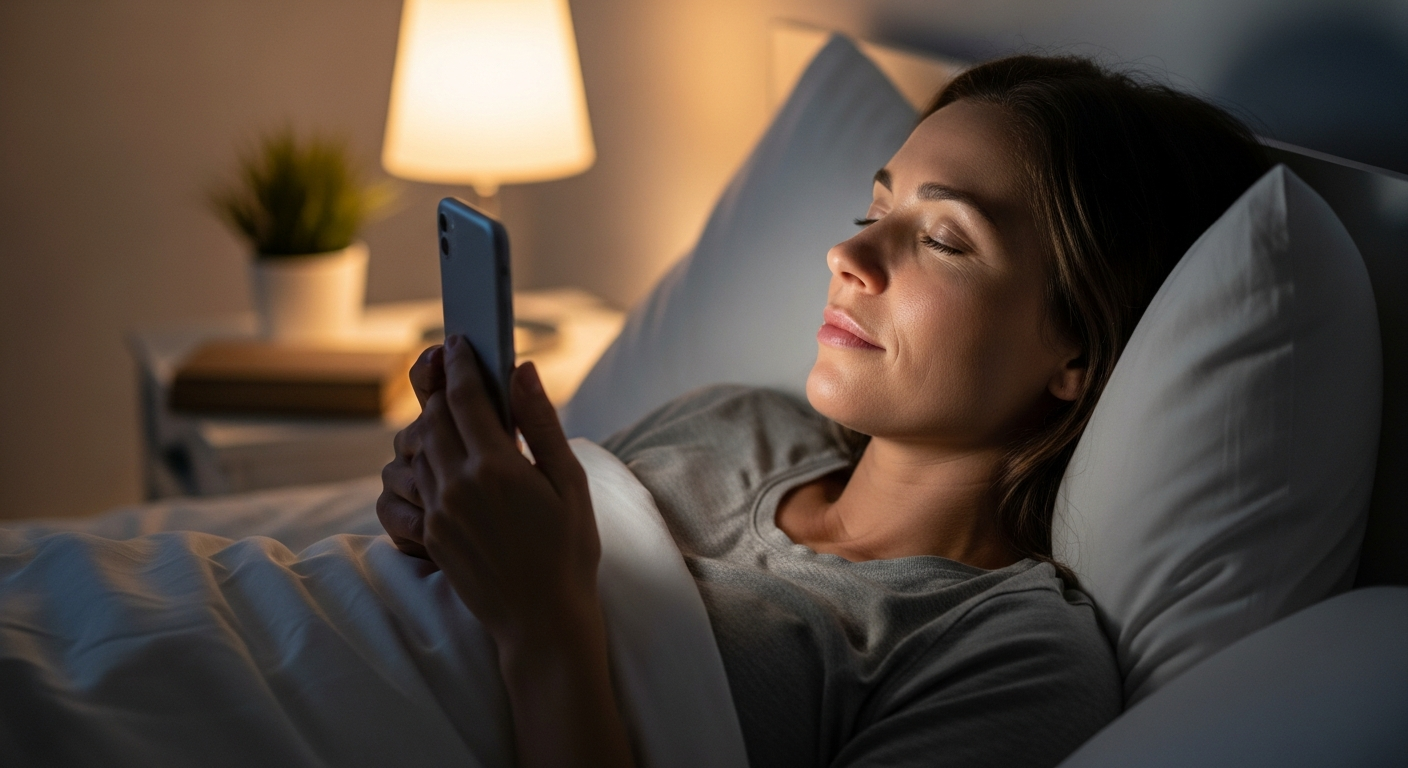
Many people believe that watching television before bed is a relaxing way to wind down, but it can actually interfere with your sleep. The blue light emitted from electronic devices like TVs, smartphones, and tablets can suppress the production of melatonin, a hormone that regulates sleep.
This can make it harder to fall asleep and disrupt your sleep cycle. Additionally, the content you’re watching can also affect your sleep quality. Watching stimulating or emotionally charged shows can increase alertness and make it harder to relax.
Instead of watching TV before bed, try engaging in more relaxing activities like reading a book, listening to calming music, or taking a warm bath. If you must use electronic devices before bed, try using blue light filters or apps that reduce the amount of blue light emitted.
Establish a relaxing bedtime routine that doesn’t involve screens to improve your sleep quality. Your brain needs a chance to wind down before you try to sleep.
Consider the types of shows you’re watching before bed. Avoid action-packed movies, suspenseful dramas, or anything that might trigger anxiety or excitement. Opt for calming and lighthearted content.
Be mindful of the amount of time you’re spending watching TV before bed. Even if you’re watching relaxing content, prolonged screen time can still interfere with your sleep. Limit your screen time to 30 minutes or less.
Create a relaxing sleep environment. Make sure your bedroom is dark, quiet, and cool. Use blackout curtains, earplugs, or a white noise machine to minimize distractions.
Establish a consistent bedtime routine. Go to bed and wake up at the same time every day, even on weekends. This will help regulate your body’s natural sleep-wake cycle.
Experiment with different relaxation techniques to find what works best for you. Try deep breathing exercises, progressive muscle relaxation, or guided meditation. These techniques can help calm your mind and body and prepare you for sleep.
Conclusion
By understanding and debunking these common sleep myths, you can make informed decisions about your sleep habits and prioritize healthy sleep hygiene and pediatric routines. Getting enough quality sleep is essential for your physical and mental health, so it’s important to separate sleep facts from sleep misconceptions.
Don’t fall for the trap of thinking you can catch up on sleep over the weekend or that napping is always bad. Recognize that snoring can be a sign of a more serious problem and that watching TV before bed may be doing more harm than good.
Prioritize consistent sleep habits, create a relaxing bedtime routine, and seek professional help if you’re struggling with sleep problems. By prioritizing sleep, you can improve your overall well-being and live a healthier, more productive life. Now you can sleep well and be well!
Remember that sleep is a fundamental pillar of health, just as important as diet and exercise. Make it a priority in your life, and you’ll reap the rewards of improved physical, mental, and emotional well-being.
Be patient and persistent in your efforts to improve your sleep. It may take time to establish new habits and overcome sleep problems, but the effort is well worth it. Don’t give up on your quest for better sleep.
Share your knowledge with others. Help debunk sleep myths and promote healthy sleep habits among your friends, family, and colleagues. Together, we can create a culture that values sleep and prioritizes well-being.
Continue to learn about sleep. Stay informed about the latest research and recommendations for healthy sleep habits. Knowledge is power when it comes to improving your sleep and overall health.
Ultimately, the key to better sleep is to listen to your body and find what works best for you. Experiment with different techniques, routines, and strategies until you discover what helps you fall asleep easily, stay asleep soundly, and wake up feeling refreshed and energized.