Pacifiers can be a huge help for soothing babies and toddlers. Many parents rely on them to calm fussiness and encourage baby sleep.
But, like many phases of early childhood, pacifier use eventually needs to come to an end. It is a natural progression as they grow and develop.
The process of taking away the pacifier can bring about some pacifier weaning challenges. It’s important to approach pacifier weaning with patience, understanding, and a gentle strategy.
Rushing the process can create unnecessary stress for both you and your child. A well-thought-out plan will make the transition smoother.
This guide provides parenting tips to navigate this transition smoothly, ensuring your child’s comfort and well-being. We aim to equip you with the tools and knowledge needed for successful weaning.
Remember that every child is different and what works for one may not work for another. Flexibility and adaptability are key.
We’ll explore various techniques, from gradual reduction to offering alternatives, all while keeping your child’s emotional needs at the forefront. It’s crucial to prioritize their feelings during this change.
Understanding their perspective will help you respond with empathy and support. This approach will foster a sense of security and trust.
By understanding the reasons behind pacifier use and employing a consistent, supportive approach, you can help your little one break the habit with minimal stress. This journey is about growth and development for both of you.
Remember that you are not alone in this process. Many parents have successfully navigated pacifier weaning challenges.
Understanding Pacifier Use and Dependency
Pacifier use is a common practice among infants and young children. It provides comfort and security, mimicking the soothing sensation of breastfeeding or bottle-feeding.
The act of sucking is naturally calming for babies. It can help regulate their emotions and provide a sense of stability.
Pacifiers can be particularly helpful during times of stress, such as when a baby is teething or feeling unwell. They offer a non-nutritive way to satisfy the sucking reflex.
Teething can be a particularly uncomfortable experience for babies. The pacifier can provide counter-pressure and a distraction from the pain.
For many babies, sucking is a natural reflex that brings about a sense of calm, making pacifiers a go-to solution for soothing fussiness. This reflex is strongest in the early months of life.
As they grow, babies learn other ways to self-soothe. However, the pacifier can remain a comforting tool.
However, prolonged pacifier use can lead to dependency, making it difficult for children to self-soothe without one. This dependency can create challenges when it’s time to wean.
It is important to recognize the signs of dependency early on. This will help you prepare for the weaning process.
Understanding the reasons behind your child’s pacifier use is the first step in addressing the challenges of weaning. It allows you to tailor your approach to their specific needs.
Consider their age and developmental stage. These factors will influence how they respond to the weaning process.
Consider when and why your child seeks the pacifier most often. Is it primarily for sleep, or do they rely on it during times of anxiety or boredom?
Identifying these patterns will help you understand their reliance on the pacifier. This understanding is crucial for developing effective weaning strategies.
Identifying these triggers can help you tailor your approach to pacifier weaning challenges and provide alternative comfort strategies. This personalized approach increases the likelihood of a successful transition.
By addressing the underlying needs, you can help your child develop healthier coping mechanisms. This will benefit them in the long run.
Preparing Your Child for Pacifier Weaning
Before you begin the pacifier weaning process, it’s important to prepare your child emotionally. This preparation sets the stage for a smoother transition.
Start by talking to them about the idea of giving up the pacifier in a way they can understand. Use simple language and avoid overwhelming them with too much information.
Use positive language and frame it as a step towards becoming a “big kid.” This can make them feel proud and excited about the change.
Highlight the privileges and responsibilities that come with being a “big kid.” This can motivate them to embrace the transition.
You might say something like, “Soon, you’ll be a big kid, and big kids don’t need pacifiers anymore.” This simple statement can be surprisingly effective.
Reinforce this message regularly in the weeks leading up to the weaning process. Consistency is key.
Reading books or watching videos about pacifier weaning can also be helpful. These resources often present the concept in a fun and relatable way, making it easier for your child to grasp.
Choose books and videos that feature characters your child admires. This can make the message more impactful.
Another useful strategy is to involve your child in the decision-making process. This gives them a sense of control and ownership over the situation.
Ask for their input on how and when they want to give up the pacifier. This can make them feel more invested in the process.
Let them help choose a special event or milestone to mark the end of pacifier use, such as their birthday or a family vacation. This creates a positive association with the change.
It also provides a clear deadline for the weaning process. This can help them prepare mentally and emotionally.
Gradual Weaning Techniques
One of the most effective approaches to pacifier weaning challenges is gradual reduction. This involves slowly limiting pacifier use over a period of time, allowing your child to adjust at their own pace.
This method minimizes stress and anxiety for your child. It gives them time to adapt to the change.
Start by restricting pacifier use to specific times and places, such as naptime and bedtime. This establishes clear boundaries and expectations.
Be consistent with these restrictions. This will help your child understand the new rules.
During the day, encourage your child to engage in activities that distract them from wanting the pacifier. This helps them develop alternative coping mechanisms.
Offer plenty of opportunities for play, exploration, and social interaction. These activities can keep them occupied and happy.
| Technique | Description | Example |
|---|---|---|
| Limited Use | Restrict pacifier to specific times/places. | Only during naps and bedtime. |
| Time Reduction | Gradually decrease time with pacifier. | Reduce bedtime use by 15 minutes each week. |
| Pacifier Fairy | Exchange pacifiers for a special gift. | Leave pacifiers out for a small toy. |
| “Lost” Pacifier | Slowly make pacifiers disappear. | Pretend a pacifier is lost and not replaceable. |
The table above offers a quick summary of techniques. Choose the one that best suits your child’s temperament and your parenting style.
As your child becomes more comfortable with these limitations, you can gradually reduce the amount of time they have with the pacifier. This is a key step in the gradual weaning process.
Observe your child’s reactions closely. Adjust the pace of reduction based on their needs.
For example, if your child uses a pacifier for an hour before bedtime, try reducing it by 15 minutes each week. This slow and steady approach can be very effective.
Be patient and understanding. It may take several weeks or even months to fully wean your child from the pacifier.
Offering Comfort and Alternatives
During pacifier weaning challenges, it’s essential to provide alternative sources of comfort and security. This can help ease the transition and reduce your child’s reliance on the pacifier.
These alternatives should be readily available and easily accessible. This will help your child feel secure.
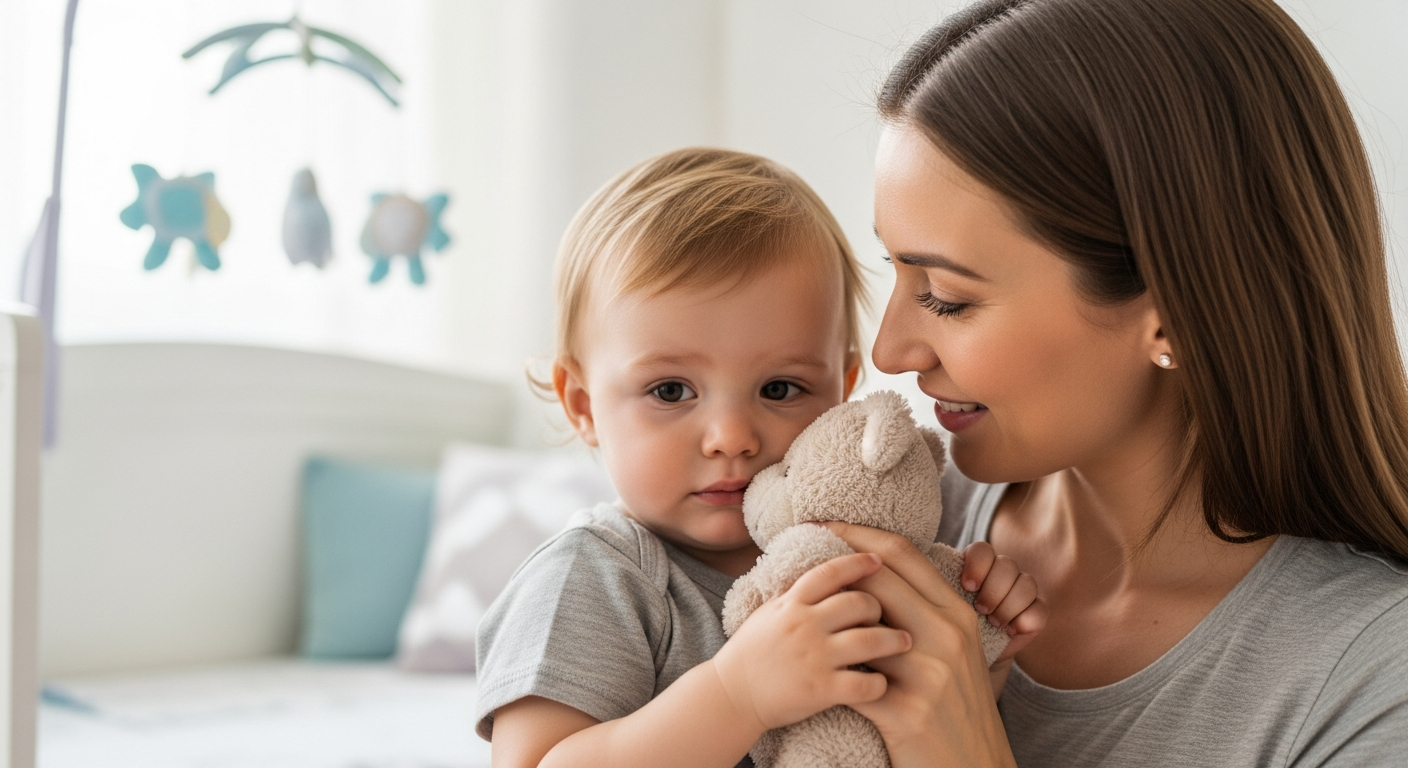
Consider introducing a special lovey or comfort object, such as a soft blanket or stuffed animal. These items can provide a sense of familiarity and security, helping your child feel more at ease during times of stress or anxiety.
Allow your child to choose their own comfort object. This will make it more meaningful to them.
Engage in activities that promote relaxation and bonding, such as reading stories, singing songs, or cuddling. These activities can help distract your child from wanting the pacifier and create positive associations with bedtime.
Make these activities a regular part of your routine. This will help your child feel secure and loved.
For older toddlers, offering verbal reassurance and praise can be incredibly effective. Acknowledge their efforts and celebrate their progress, reinforcing the idea that they are capable and strong.
Use specific and descriptive praise. This will help your child understand what they are doing well.
Remaining Consistent and Supportive
Consistency is key when tackling pacifier weaning challenges. Once you’ve established a plan, it’s important to stick to it as much as possible.
Inconsistency can confuse your child and undermine your efforts. A clear and consistent approach is essential.
Avoid giving in to demands for the pacifier, as this can confuse your child and undermine your efforts. This can be challenging, but it’s important to stay strong.
Remind yourself of the long-term benefits of weaning. This can help you stay motivated.
Instead, gently remind them of the rules and offer alternative comfort strategies. This reinforces the boundaries while still providing support.
Have a variety of alternatives readily available. This will make it easier to redirect their attention.
It’s also important to be supportive and understanding throughout the process. Acknowledge that it’s difficult for your child to give up their pacifier and offer plenty of praise and encouragement.
Empathy and validation are crucial. Let your child know that you understand their feelings.
Remember, setbacks are normal, and it’s okay if your child has a tough day. Simply reassure them, reinforce the rules, and continue to offer alternative comfort strategies.
Don’t be discouraged by occasional regressions. They are a normal part of the process.
Navigating Common Pacifier Weaning Challenges
Pacifier weaning challenges often come with a few predictable hurdles. Understanding these can help you prepare and respond effectively.
Being prepared for these challenges can reduce your own stress. It also allows you to respond with more patience and understanding.
One common challenge is increased fussiness and irritability, especially during the initial stages. Children may become more clingy or have difficulty settling down for naps and bedtime.
This is a normal reaction to the change. It’s important to be patient and understanding.
Another challenge is sleep disturbances. Without the pacifier, some children may struggle to fall asleep or stay asleep, leading to disrupted sleep patterns for both them and their parents.
This can be a particularly difficult challenge. It’s important to prioritize sleep hygiene.
To address these challenges, maintain a consistent bedtime routine and create a calming environment. This will help your child relax and prepare for sleep.
A predictable routine can provide a sense of security. This can help them fall asleep more easily.
Offer extra cuddles, read soothing stories, and consider using white noise to help your child relax and fall asleep. These strategies can create a calming and comforting atmosphere.
Experiment with different techniques to find what works best for your child. Every child is different.
Positive Reinforcement and Rewards
Positive reinforcement can be a powerful tool during pacifier weaning challenges. Rewarding your child for their efforts can motivate them and make the process more enjoyable.
Focus on rewarding positive behaviors. This encourages them to continue making progress.
Create a reward chart or sticker system to track their progress. Each time your child successfully goes without the pacifier, they earn a sticker or checkmark.
This provides a visual representation of their accomplishments. It can be very motivating.
- Verbal praise and encouragement
- Sticker charts for milestones
- Small, non-food rewards
- Extra playtime or activities
- A special “big kid” treat
The list above provides some ideas for rewards. Choose rewards that are meaningful to your child.
Once they reach a certain number of stickers or checkmarks, reward them with a small, non-food treat or activity. This could be anything from a trip to the park to a new book or toy.
Make sure the reward is something they genuinely want. This will make it more effective.
When to Seek Professional Advice
While most pacifier weaning challenges can be managed at home, there are times when seeking professional advice is beneficial. If your child is experiencing significant distress or difficulty adjusting, don’t hesitate to reach out to your pediatrician or a child development specialist.
They can provide expert guidance and support. They can also rule out any underlying issues.
They can provide guidance and support, as well as rule out any underlying issues that may be contributing to the problem. This can provide peace of mind and a clear path forward.
Don’t hesitate to seek professional help if you’re feeling overwhelmed. It’s a sign of strength, not weakness.
Additionally, if you’re struggling to cope with the stress of pacifier weaning, consider seeking support from a therapist or counselor. Taking care of your own well-being is essential.
Your mental health is just as important as your child’s. Don’t neglect your own needs.
They can offer strategies for managing your own emotions and help you create a more positive and supportive environment for your child. This can benefit both you and your child.
A therapist can provide a safe space to process your feelings. They can also help you develop coping mechanisms.
Remember, seeking help is a sign of strength, and it’s always okay to ask for assistance when you need it. You don’t have to go through this alone.
There are many resources available to support you. Don’t be afraid to reach out.
Your pediatrician can assess the child’s oral health and development, ensuring that pacifier use hasn’t caused any dental issues. Regular check-ups are important for overall health.
Early detection of dental problems is crucial. It can prevent more serious issues down the road.
Early intervention can prevent potential problems and promote healthy development. Addressing issues early on can make a big difference.
A healthy mouth is essential for speech and eating. Prioritize your child’s oral health.
Addressing Parental Guilt and Frustration
It’s normal to experience feelings of guilt or frustration during pacifier weaning challenges. Many parents feel guilty about taking away something that provides their child with comfort and security.
These feelings are valid and understandable. Acknowledge them and be kind to yourself.
Others may become frustrated when their child resists the change or experiences setbacks. It’s important to acknowledge these feelings and remind yourself that you’re doing what’s best for your child’s long-term development.
Focus on the positive outcomes of weaning. This can help you stay motivated.
Practice self-compassion and give yourself permission to make mistakes. Remember, parenting is a learning process, and it’s okay to adjust your approach as needed.
No one is perfect. Be kind to yourself and learn from your experiences.
Connect with other parents who have gone through similar experiences. Sharing your struggles and successes can provide valuable support and encouragement.
Knowing that you’re not alone can be incredibly helpful. Support groups can offer a sense of community.
Long-Term Benefits of Pacifier Weaning
While pacifier weaning challenges can be difficult, it’s important to remember the long-term benefits. Giving up the pacifier promotes healthy oral development and reduces the risk of dental problems, such as misaligned teeth and bite issues.
These dental issues can be costly and time-consuming to correct. Prevention is key.
It also encourages the development of speech and language skills. Prolonged pacifier use can interfere with proper tongue placement and articulation, potentially leading to speech delays or difficulties.
Clear speech is essential for communication and social interaction. Weaning can support healthy speech development.
Additionally, pacifier weaning helps children develop self-soothing skills and independence. Learning to cope with stress and anxiety without relying on a pacifier can build resilience and emotional maturity.
These are valuable life skills that will serve them well. Self-soothing is a crucial component of emotional regulation.
These skills will serve them well throughout their lives, helping them navigate challenges and build healthy relationships. Emotional intelligence is a key predictor of success.
By supporting your child through pacifier weaning challenges, you’re setting them up for a lifetime of success. You are investing in their future well-being.
Conclusion
Pacifier weaning challenges are a common part of parenting, but with the right approach, they can be overcome with minimal stress. Remember that every child is different, so be flexible and adapt your strategies as needed.
Trust your instincts and do what feels right for your child. You know them best.
By understanding the reasons behind pacifier use, preparing your child emotionally, and employing gentle weaning techniques, you can help your little one break the habit with confidence. This is a journey you can navigate together.
Celebrate small victories along the way. This will keep you both motivated.
Remember to offer alternative comfort strategies, remain consistent and supportive, and celebrate your child’s progress along the way. Your love and support are the most important factors in their success.
Be patient with yourself and your child. This is a process that takes time and effort.
With patience, understanding, and a little bit of creativity, you can successfully navigate this transition and help your child thrive. You’ve got this!
Enjoy this milestone in your child’s development. It’s a sign that they are growing and maturing.