
Addressing Sibling Conflicts at Bedtime
Sibling rivalry can often escalate at bedtime, as children vie for attention or simply test boundaries. Addressing these conflicts promptly and fairly is crucial for maintaining a peaceful sleep environment and preventing bedtime battles from becoming a nightly occurrence.
When conflicts arise, avoid taking sides or assigning blame; instead, focus on finding a fair resolution that addresses both children’s needs. Encourage them to communicate their feelings and work together to find a solution that respects each other’s space and sleep.
If the conflicts are persistent, consider implementing a reward system for cooperative behavior at bedtime. Positive reinforcement can be a powerful motivator, encouraging children to support each other and maintain a peaceful atmosphere in the shared room.
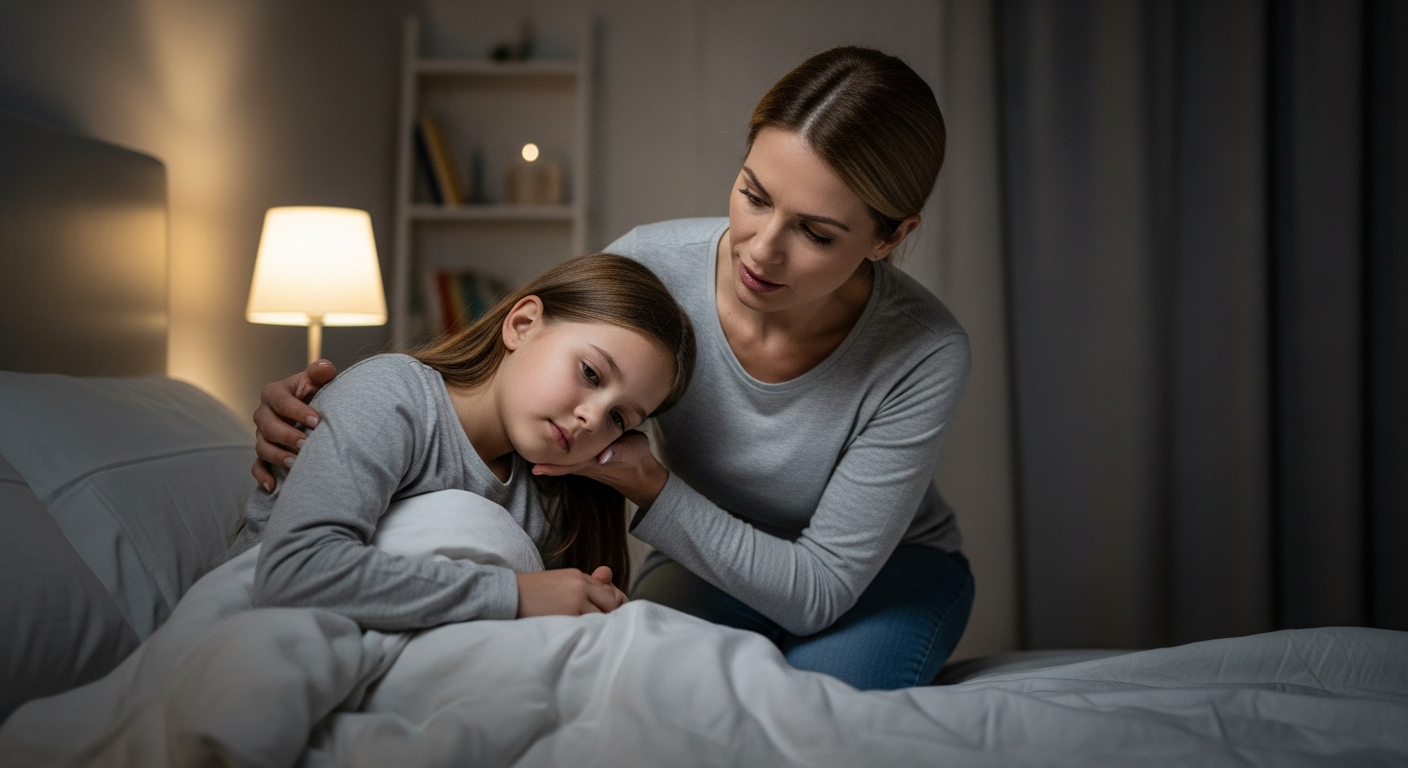
Sometimes, simply acknowledging and validating each child’s feelings can go a long way in de-escalating conflicts. Let them know that you understand their frustration or disappointment, and reassure them that you’re there to help them find a solution that works for everyone.
Teach your children conflict resolution skills, such as active listening and compromise, to help them resolve disagreements peacefully and respectfully. This will not only benefit them at bedtime but also in other areas of their lives.
If the conflicts are particularly intense or frequent, consider having separate bedtime routines for each child. This may involve reading to them individually or spending one-on-one time with them before they go to bed.
Establish clear consequences for disruptive behavior at bedtime, such as losing privileges or having to spend time in their own space. This will help deter them from engaging in behaviors that disrupt their sibling’s sleep.
Remember that sibling conflicts are a normal part of childhood, but it’s important to address them proactively and fairly to prevent them from escalating and disrupting the sleep environment. With patience, consistency, and a focus on communication, you can help your children learn to resolve conflicts peacefully and respectfully.
Using White Noise and Other Sleep Aids
White noise machines can be a game-changer in shared rooms, effectively masking disruptive sounds and creating a more consistent sleep environment. The steady, ambient noise can help block out distractions like siblings rustling in bed or outside noises, promoting deeper and more restful sleep.
Consider using blackout curtains to minimize light pollution, especially if one child prefers a darker room than the other. These curtains can help create a more conducive sleep environment, regardless of external light sources or differing preferences.
Aromatherapy diffusers with calming scents like lavender or chamomile can also promote relaxation and improve sleep quality. However, it’s important to ensure that both children are comfortable with the scent and that it doesn’t trigger any allergies or sensitivities.
Weighted blankets can provide a sense of security and comfort, helping to reduce anxiety and promote deeper sleep. These blankets can be particularly beneficial for children who struggle with restlessness or sensory sensitivities, providing a gentle and calming pressure that aids in relaxation.
A fan can also be a useful sleep aid, providing both white noise and a cooling effect. This can be especially helpful in warmer months or for children who tend to overheat at night.
Consider using a sound machine that offers a variety of calming sounds, such as nature sounds or lullabies. This can allow you to customize the sound environment to each child’s preferences.
If one child is particularly sensitive to light, consider using an eye mask to block out any remaining light sources. This can help create a darker and more conducive sleep environment.
Experiment with different sleep aids to see what works best for your children. Remember that what works for one child may not work for the other, so it’s important to be patient and adaptable.
Monitoring Sleep Patterns and Adjusting Strategies
Pay close attention to your children’s sleep patterns and behaviors to identify any potential issues or areas for improvement. Keeping a sleep diary can be a helpful way to track their sleep duration, wake times, and any disruptions that occur throughout the night.
If you notice any persistent sleep problems, such as difficulty falling asleep, frequent awakenings, or signs of daytime fatigue, consider consulting with a pediatrician or sleep specialist. They can help identify any underlying medical conditions or sleep disorders that may be contributing to the issues.
- Observe bedtime routines
- Note wake-up times
- Track daytime energy levels
- Document nighttime disturbances
- Consult professionals if needed
Be prepared to adjust your strategies as your children grow and their needs change. What works well for them at one age may not be as effective as they get older, so it’s important to remain flexible and adapt your approach accordingly.
Consider using a sleep tracking app or device to monitor your children’s sleep patterns more accurately. These tools can provide valuable insights into their sleep duration, sleep quality, and any potential sleep disturbances.
Regularly review the sleep diary or tracking data to identify any trends or patterns that may be contributing to sleep problems. This can help you pinpoint specific issues and develop targeted strategies for addressing them.
Don’t be afraid to experiment with different strategies and approaches to see what works best for your children. Sleep is a complex and individual process, so it’s important to be patient and persistent in your efforts to improve their sleep.
Remember that consistency is key, even when you’re making adjustments to your sleep strategies. It takes time for children to adapt to new routines and habits, so it’s important to stick with the changes for a reasonable period before evaluating their effectiveness.
Sibling Sleep: When to Consider Separate Rooms
While many siblings can successfully share a room, there are times when separate rooms become necessary for the well-being of everyone involved. Consistent sleep disturbances, significant age gaps, or differing needs can all be indicators that it’s time to re-evaluate the room sharing arrangement.
If one child consistently disrupts the other’s sleep, despite your best efforts to implement strategies for minimizing conflicts and promoting a peaceful environment, separating them may be the best solution. Chronic sleep deprivation can have a negative impact on both children’s physical and emotional health, making separate rooms a worthwhile consideration.
Significant age gaps can also make room sharing challenging, as older children may require more privacy and quiet time for studying or other activities. Younger children may have earlier bedtimes or different sleep needs, making it difficult for them to coexist peacefully in the same space.
Differing needs, such as one child requiring specialized medical equipment or having a diagnosed sleep disorder, can also necessitate separate rooms. Providing each child with their own dedicated space can ensure that their individual needs are met and that everyone gets the sleep they require to thrive.
Consider the impact of room sharing on each child’s overall well-being. If one child is consistently stressed or anxious about sharing a room, it may be time to consider separate rooms, even if there are no obvious sleep disturbances.
If you’re considering separate rooms, involve your children in the decision-making process. Ask them how they feel about the current arrangement and whether they think separate rooms would be beneficial. Their input can help you make an informed decision that takes their needs and preferences into account.
Remember that separating siblings is not a sign of failure. It’s simply a recognition that their individual needs are best met in separate spaces. Prioritizing their sleep and well-being is always the right decision, even if it means making changes to your living arrangements.
Even if you don’t have the space to provide each child with their own bedroom, consider alternative solutions, such as creating a separate sleep area in another part of the house or using a room divider to create more distinct zones within a shared space. The goal is to provide each child with a safe, comfortable, and conducive sleep environment.
The Importance of Open Communication
Open and honest communication with your children is essential for addressing any sleep-related challenges that arise in a shared room. Create a safe and supportive environment where they feel comfortable expressing their concerns and sharing their experiences.
Regularly check in with each child to see how they’re feeling about the room sharing arrangement and whether they have any suggestions for improvement. Listen attentively to their feedback and validate their feelings, even if you don’t necessarily agree with their perspective.
Encourage your children to communicate with each other as well, fostering a sense of empathy and understanding between siblings. Help them learn how to resolve conflicts peacefully and respectfully, promoting a cooperative and supportive relationship.
By creating an open and communicative atmosphere, you can empower your children to take an active role in shaping their sleep environment and finding solutions that work for everyone. This collaborative approach can lead to a more harmonious and restful shared room experience.
Schedule regular family meetings to discuss any sleep-related issues or concerns that arise. This provides a forum for everyone to share their thoughts and feelings in a structured and respectful environment.
Teach your children the importance of respecting each other’s sleep needs and boundaries. Help them understand how their actions can impact their sibling’s sleep and encourage them to be considerate of each other.
Be open to feedback from your children and willing to make changes to the sleep environment or routine based on their suggestions. This shows them that you value their input and are committed to creating a sleep environment that works for everyone.
Remember that communication is a two-way street. It’s important to not only listen to your children but also to share your own thoughts and feelings with them. This can help build trust and create a stronger bond between you and your children.
Seeking Professional Guidance for Sibling Sleep
If you’re struggling to address your children’s sleep challenges on your own, don’t hesitate to seek professional guidance from a pediatrician or sleep specialist. These experts can provide valuable insights and support, helping you identify any underlying issues and develop a personalized plan for improving your children’s sleep.
A pediatrician can assess your children’s overall health and identify any medical conditions that may be contributing to their sleep problems. They can also provide guidance on establishing healthy sleep habits and routines, as well as recommend appropriate sleep aids or interventions.
A sleep specialist can conduct a more comprehensive evaluation of your children’s sleep patterns and behaviors, using tools like sleep studies to identify any sleep disorders. They can then develop a customized treatment plan that addresses your children’s specific needs, which may include behavioral therapy, medication, or other interventions.
Seeking professional guidance can provide you with the knowledge and support you need to navigate the challenges of room sharing sibling sleep and create a more restful environment for your children. Remember, addressing sleep issues early on can have a positive impact on their overall health and well-being.
Consider seeking out a family therapist or counselor if sibling conflicts are contributing to sleep problems. They can help you and your children develop communication and conflict resolution skills to improve your family dynamics.
Don’t be afraid to ask for help from other parents who have successfully navigated room sharing sibling sleep. They can offer valuable insights and advice based on their own experiences.
Remember that seeking professional guidance is not a sign of weakness. It’s a sign that you’re committed to providing the best possible care for your children and addressing their sleep needs in a comprehensive and effective way.
Be proactive in seeking help and don’t wait until the sleep problems become severe or chronic. Early intervention can often prevent more serious issues from developing and improve your children’s overall health and well-being.
Conclusion
Room sharing sibling sleep presents unique challenges, but with careful planning, consistent routines, and open communication, you can create a peaceful sleep environment. Remember to address conflicts fairly and adjust strategies as your children grow.
Don’t hesitate to seek professional guidance if needed, and always prioritize your children’s individual sleep needs. By implementing these strategies, you can help your children thrive, even in a shared room.
Ultimately, creating a successful room sharing arrangement for siblings requires patience, understanding, and a willingness to adapt to their individual needs. By prioritizing their sleep and well-being, you can help them thrive and build strong, positive relationships with each other.
Remember that every family is different, and what works for one may not work for another. Be open to experimenting with different strategies and approaches until you find what works best for your children and your family dynamics.
By focusing on creating a safe, comfortable, and supportive sleep environment, you can help your children develop healthy sleep habits that will benefit them throughout their lives. Prioritizing their sleep is an investment in their overall health, well-being, and future success.
Navigating the world of sleep can be tricky, especially when you add siblings into the mix. Sharing a room can present unique challenges to establishing healthy sleep habits, but with the right strategies, you can create a peaceful and restful environment for everyone.
This article will guide you through understanding those challenges and implementing practical solutions to promote better sleep for your children. We’ll cover everything from setting up individual sleep spaces to managing bedtime conflicts and utilizing sleep aids.
Let’s explore how to make room sharing a positive experience, ensuring that everyone gets the sleep they need to thrive. Addressing room sharing sibling sleep requires patience, consistency, and a willingness to adapt to your children’s individual needs.
Understanding the Challenges of Room Sharing for Siblings
Putting two or more kids in one room might seem like a simple space-saving solution, but it often comes with a host of sleep-related issues. Different sleep schedules, noise disruptions, and varying levels of sleep sensitivity can all contribute to a less-than-ideal sleep environment.
One of the biggest hurdles is the difference in bedtime preferences; one child might be ready to sleep earlier, while the other is still full of energy. This can lead to one sibling disturbing the other, making it difficult for either of them to fall asleep or stay asleep.
Furthermore, the shared space can become a battleground for attention, with siblings vying for parental involvement at bedtime. This competition can manifest as stalling tactics, requests for extra stories, or simply calling out to each other, disrupting the sleep routine.
Addressing these challenges requires a proactive approach that considers each child’s unique needs and temperaments. Recognizing the specific issues you’re facing is the first step toward creating a more harmonious bedtime routine and promoting better sleep for everyone involved.
Consider the age differences between the siblings, as this can greatly impact their sleep needs and habits. A teenager sharing a room with a toddler will face very different challenges than two children closer in age.
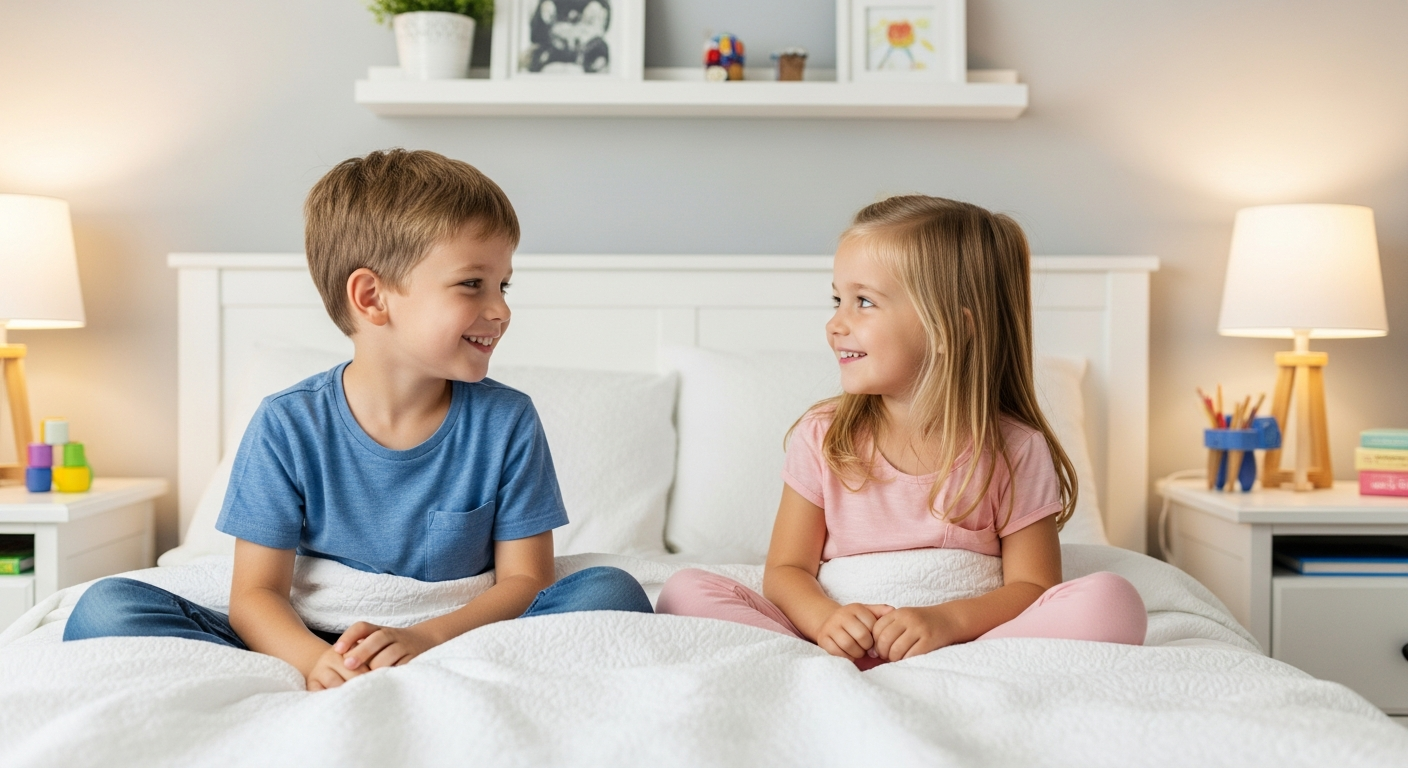
Noise sensitivity can also play a major role, with some children being light sleepers who are easily awakened by the slightest sound. Others may be deep sleepers who can sleep through almost anything, creating a potential imbalance in the shared room environment.
It’s also important to consider any existing sleep problems or disorders that either child may have, such as insomnia or sleep apnea. These conditions can further complicate the room sharing situation and may require professional intervention.
Finally, the emotional dynamics between siblings can impact their sleep in a shared room. Sibling rivalry, jealousy, or even just a lack of connection can manifest as bedtime conflicts and sleep disturbances.
Creating Individual Sleep Spaces Within the Shared Room
Even in a shared room, it’s important to carve out individual spaces for each child. This helps them feel a sense of ownership and privacy, which can be especially important for older children sharing with younger siblings.
Simple solutions like using bookshelves, curtains, or even strategically placed furniture can create visual barriers, giving each child a designated area. These small partitions can significantly reduce distractions and help each sibling feel more secure in their own space.
Consider involving your children in the process of designing their individual spaces. Allowing them to choose their bedding, decorate their area with personal items, and arrange their belongings can foster a sense of ownership and pride.
Ensure that each child has their own dedicated storage space, such as a dresser or set of drawers, to keep their belongings organized and prevent clutter from encroaching on their sleep area. A well-defined and personalized sleep space can greatly improve a child’s sense of comfort and security, leading to better sleep quality.
If space allows, consider using a room divider to create more distinct zones within the shared room. This can be especially helpful for older children who need a dedicated workspace for homework or other activities.
Even small details, like each child having their own bedside lamp and nightstand, can contribute to a sense of individual space and control. These personal touches can make a big difference in how comfortable and secure each child feels in the shared room.
Think about the layout of the room and how it can be optimized to create a more functional and personalized space for each child. Consider factors like natural light, traffic flow, and the placement of furniture to maximize the available space and minimize distractions.
Remember that creating individual sleep spaces is not just about physical boundaries; it’s also about fostering a sense of emotional ownership and privacy. Encourage your children to respect each other’s space and belongings, and create a culture of consideration and respect in the shared room.
Establishing Clear Bedtime Rules and Routines
Consistency is key when it comes to establishing healthy sleep habits, especially in a shared room environment. Clear and consistent bedtime rules and routines can help minimize conflicts and promote a sense of predictability, making it easier for children to wind down and fall asleep.
Start by setting a consistent bedtime for both siblings, taking into account their individual sleep needs and schedules. This might require some compromise, but aiming for a time that works for both children will help regulate their body clocks and make bedtime less of a struggle.
| Rule | Description | Example |
|---|---|---|
| Quiet Time | Designated period before bed for calming activities. | Reading, puzzles, quiet games. |
| No Electronics | Devices off at least 30 minutes before bed. | No phones, tablets, or TV. |
| Stay in Bed | Once in bed, stay there unless an emergency. | No getting up to play or talk. |
| Respect Boundaries | Respect each other’s sleep space and routine. | No touching or disturbing belongings. |
A consistent bedtime routine should include calming activities that signal to the children that it’s time to wind down. This could involve a warm bath, reading a story, or listening to quiet music, creating a relaxing atmosphere conducive to sleep.
Enforce the bedtime rules consistently and fairly, making sure that both children understand the consequences of breaking them. This will help create a sense of order and predictability, reducing the likelihood of bedtime conflicts and power struggles.
Consider creating a visual schedule or chart that outlines the bedtime routine and rules. This can be especially helpful for younger children who may need a visual reminder of what’s expected of them.
Be flexible and willing to adjust the bedtime routine as needed, taking into account your children’s individual needs and preferences. What works well for one child may not work as well for the other, so it’s important to be adaptable and find a routine that works for everyone.
Remember that consistency is key, even on weekends and holidays. Maintaining a consistent sleep schedule, even when there’s no school or work, will help regulate your children’s body clocks and promote better sleep overall.
Addressing Sibling Conflicts at Bedtime
Sibling rivalry can often escalate at bedtime, as children vie for attention or simply test boundaries. Addressing these conflicts promptly and fairly is crucial for maintaining a peaceful sleep environment and preventing bedtime battles from becoming a nightly occurrence.
When conflicts arise, avoid taking sides or assigning blame; instead, focus on finding a fair resolution that addresses both children’s needs. Encourage them to communicate their feelings and work together to find a solution that respects each other’s space and sleep.
If the conflicts are persistent, consider implementing a reward system for cooperative behavior at bedtime. Positive reinforcement can be a powerful motivator, encouraging children to support each other and maintain a peaceful atmosphere in the shared room.
Sometimes, simply acknowledging and validating each child’s feelings can go a long way in de-escalating conflicts. Let them know that you understand their frustration or disappointment, and reassure them that you’re there to help them find a solution that works for everyone.
Teach your children conflict resolution skills, such as active listening and compromise, to help them resolve disagreements peacefully and respectfully. This will not only benefit them at bedtime but also in other areas of their lives.
If the conflicts are particularly intense or frequent, consider having separate bedtime routines for each child. This may involve reading to them individually or spending one-on-one time with them before they go to bed.
Establish clear consequences for disruptive behavior at bedtime, such as losing privileges or having to spend time in their own space. This will help deter them from engaging in behaviors that disrupt their sibling’s sleep.
Remember that sibling conflicts are a normal part of childhood, but it’s important to address them proactively and fairly to prevent them from escalating and disrupting the sleep environment. With patience, consistency, and a focus on communication, you can help your children learn to resolve conflicts peacefully and respectfully.
Using White Noise and Other Sleep Aids
White noise machines can be a game-changer in shared rooms, effectively masking disruptive sounds and creating a more consistent sleep environment. The steady, ambient noise can help block out distractions like siblings rustling in bed or outside noises, promoting deeper and more restful sleep.
Consider using blackout curtains to minimize light pollution, especially if one child prefers a darker room than the other. These curtains can help create a more conducive sleep environment, regardless of external light sources or differing preferences.
Aromatherapy diffusers with calming scents like lavender or chamomile can also promote relaxation and improve sleep quality. However, it’s important to ensure that both children are comfortable with the scent and that it doesn’t trigger any allergies or sensitivities.
Weighted blankets can provide a sense of security and comfort, helping to reduce anxiety and promote deeper sleep. These blankets can be particularly beneficial for children who struggle with restlessness or sensory sensitivities, providing a gentle and calming pressure that aids in relaxation.
A fan can also be a useful sleep aid, providing both white noise and a cooling effect. This can be especially helpful in warmer months or for children who tend to overheat at night.
Consider using a sound machine that offers a variety of calming sounds, such as nature sounds or lullabies. This can allow you to customize the sound environment to each child’s preferences.
If one child is particularly sensitive to light, consider using an eye mask to block out any remaining light sources. This can help create a darker and more conducive sleep environment.
Experiment with different sleep aids to see what works best for your children. Remember that what works for one child may not work for the other, so it’s important to be patient and adaptable.
Monitoring Sleep Patterns and Adjusting Strategies
Pay close attention to your children’s sleep patterns and behaviors to identify any potential issues or areas for improvement. Keeping a sleep diary can be a helpful way to track their sleep duration, wake times, and any disruptions that occur throughout the night.
If you notice any persistent sleep problems, such as difficulty falling asleep, frequent awakenings, or signs of daytime fatigue, consider consulting with a pediatrician or sleep specialist. They can help identify any underlying medical conditions or sleep disorders that may be contributing to the issues.
- Observe bedtime routines
- Note wake-up times
- Track daytime energy levels
- Document nighttime disturbances
- Consult professionals if needed
Be prepared to adjust your strategies as your children grow and their needs change. What works well for them at one age may not be as effective as they get older, so it’s important to remain flexible and adapt your approach accordingly.
Consider using a sleep tracking app or device to monitor your children’s sleep patterns more accurately. These tools can provide valuable insights into their sleep duration, sleep quality, and any potential sleep disturbances.
Regularly review the sleep diary or tracking data to identify any trends or patterns that may be contributing to sleep problems. This can help you pinpoint specific issues and develop targeted strategies for addressing them.
Don’t be afraid to experiment with different strategies and approaches to see what works best for your children. Sleep is a complex and individual process, so it’s important to be patient and persistent in your efforts to improve their sleep.
Remember that consistency is key, even when you’re making adjustments to your sleep strategies. It takes time for children to adapt to new routines and habits, so it’s important to stick with the changes for a reasonable period before evaluating their effectiveness.
Sibling Sleep: When to Consider Separate Rooms
While many siblings can successfully share a room, there are times when separate rooms become necessary for the well-being of everyone involved. Consistent sleep disturbances, significant age gaps, or differing needs can all be indicators that it’s time to re-evaluate the room sharing arrangement.
If one child consistently disrupts the other’s sleep, despite your best efforts to implement strategies for minimizing conflicts and promoting a peaceful environment, separating them may be the best solution. Chronic sleep deprivation can have a negative impact on both children’s physical and emotional health, making separate rooms a worthwhile consideration.
Significant age gaps can also make room sharing challenging, as older children may require more privacy and quiet time for studying or other activities. Younger children may have earlier bedtimes or different sleep needs, making it difficult for them to coexist peacefully in the same space.
Differing needs, such as one child requiring specialized medical equipment or having a diagnosed sleep disorder, can also necessitate separate rooms. Providing each child with their own dedicated space can ensure that their individual needs are met and that everyone gets the sleep they require to thrive.
Consider the impact of room sharing on each child’s overall well-being. If one child is consistently stressed or anxious about sharing a room, it may be time to consider separate rooms, even if there are no obvious sleep disturbances.
If you’re considering separate rooms, involve your children in the decision-making process. Ask them how they feel about the current arrangement and whether they think separate rooms would be beneficial. Their input can help you make an informed decision that takes their needs and preferences into account.
Remember that separating siblings is not a sign of failure. It’s simply a recognition that their individual needs are best met in separate spaces. Prioritizing their sleep and well-being is always the right decision, even if it means making changes to your living arrangements.
Even if you don’t have the space to provide each child with their own bedroom, consider alternative solutions, such as creating a separate sleep area in another part of the house or using a room divider to create more distinct zones within a shared space. The goal is to provide each child with a safe, comfortable, and conducive sleep environment.
The Importance of Open Communication
Open and honest communication with your children is essential for addressing any sleep-related challenges that arise in a shared room. Create a safe and supportive environment where they feel comfortable expressing their concerns and sharing their experiences.
Regularly check in with each child to see how they’re feeling about the room sharing arrangement and whether they have any suggestions for improvement. Listen attentively to their feedback and validate their feelings, even if you don’t necessarily agree with their perspective.
Encourage your children to communicate with each other as well, fostering a sense of empathy and understanding between siblings. Help them learn how to resolve conflicts peacefully and respectfully, promoting a cooperative and supportive relationship.
By creating an open and communicative atmosphere, you can empower your children to take an active role in shaping their sleep environment and finding solutions that work for everyone. This collaborative approach can lead to a more harmonious and restful shared room experience.
Schedule regular family meetings to discuss any sleep-related issues or concerns that arise. This provides a forum for everyone to share their thoughts and feelings in a structured and respectful environment.
Teach your children the importance of respecting each other’s sleep needs and boundaries. Help them understand how their actions can impact their sibling’s sleep and encourage them to be considerate of each other.
Be open to feedback from your children and willing to make changes to the sleep environment or routine based on their suggestions. This shows them that you value their input and are committed to creating a sleep environment that works for everyone.
Remember that communication is a two-way street. It’s important to not only listen to your children but also to share your own thoughts and feelings with them. This can help build trust and create a stronger bond between you and your children.
Seeking Professional Guidance for Sibling Sleep
If you’re struggling to address your children’s sleep challenges on your own, don’t hesitate to seek professional guidance from a pediatrician or sleep specialist. These experts can provide valuable insights and support, helping you identify any underlying issues and develop a personalized plan for improving your children’s sleep.
A pediatrician can assess your children’s overall health and identify any medical conditions that may be contributing to their sleep problems. They can also provide guidance on establishing healthy sleep habits and routines, as well as recommend appropriate sleep aids or interventions.
A sleep specialist can conduct a more comprehensive evaluation of your children’s sleep patterns and behaviors, using tools like sleep studies to identify any sleep disorders. They can then develop a customized treatment plan that addresses your children’s specific needs, which may include behavioral therapy, medication, or other interventions.
Seeking professional guidance can provide you with the knowledge and support you need to navigate the challenges of room sharing sibling sleep and create a more restful environment for your children. Remember, addressing sleep issues early on can have a positive impact on their overall health and well-being.
Consider seeking out a family therapist or counselor if sibling conflicts are contributing to sleep problems. They can help you and your children develop communication and conflict resolution skills to improve your family dynamics.
Don’t be afraid to ask for help from other parents who have successfully navigated room sharing sibling sleep. They can offer valuable insights and advice based on their own experiences.
Remember that seeking professional guidance is not a sign of weakness. It’s a sign that you’re committed to providing the best possible care for your children and addressing their sleep needs in a comprehensive and effective way.
Be proactive in seeking help and don’t wait until the sleep problems become severe or chronic. Early intervention can often prevent more serious issues from developing and improve your children’s overall health and well-being.
Conclusion
Room sharing sibling sleep presents unique challenges, but with careful planning, consistent routines, and open communication, you can create a peaceful sleep environment. Remember to address conflicts fairly and adjust strategies as your children grow.
Don’t hesitate to seek professional guidance if needed, and always prioritize your children’s individual sleep needs. By implementing these strategies, you can help your children thrive, even in a shared room.
Ultimately, creating a successful room sharing arrangement for siblings requires patience, understanding, and a willingness to adapt to their individual needs. By prioritizing their sleep and well-being, you can help them thrive and build strong, positive relationships with each other.
Remember that every family is different, and what works for one may not work for another. Be open to experimenting with different strategies and approaches until you find what works best for your children and your family dynamics.
By focusing on creating a safe, comfortable, and supportive sleep environment, you can help your children develop healthy sleep habits that will benefit them throughout their lives. Prioritizing their sleep is an investment in their overall health, well-being, and future success.