Getting your baby to sleep can feel like a monumental task. Many parents turn to white noise as a simple solution, hoping it will create a calming atmosphere and lull their little one into a peaceful slumber.
But what happens when the magic fades, and the white noise that once worked wonders suddenly seems ineffective? You’re not alone if you’re facing white noise challenges baby sleep, and there are several reasons why this might be happening.
This article will explore why white noise may not always be the perfect solution. We will look at potential issues, troubleshooting techniques, and alternative strategies to help your baby achieve restful sleep.
Understanding the Benefits of White Noise for Baby Sleep
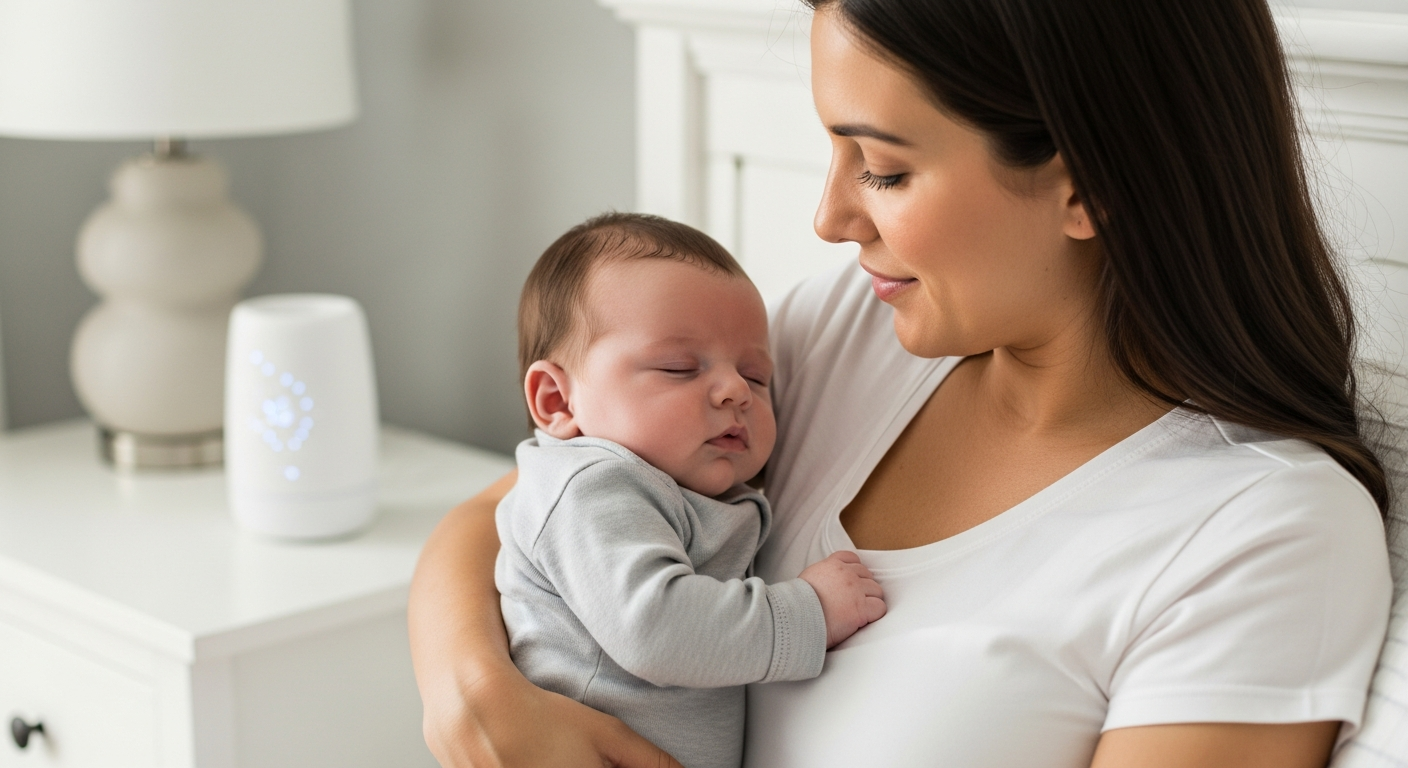
White noise machines generate a consistent, ambient sound that can mask distracting noises. This can be especially helpful in busy households or noisy environments where sudden sounds might startle a sleeping baby.
The benefits of white noise extend beyond just blocking out external sounds. It mimics the sounds a baby hears in the womb, creating a familiar and comforting environment that can promote relaxation and sleep.
Babies, in particular, have a startle reflex that can easily wake them up. White noise can help to minimize the impact of these reflexes, allowing for longer and more restful sleep periods.
Consistent use of white noise can also help establish a sleep routine. By associating the sound with bedtime, babies learn to recognize it as a cue for sleep, making it easier for them to settle down and drift off.
White noise can be a lifesaver for parents of newborns and young infants. The consistent sound can help to soothe a fussy baby and promote relaxation, making it easier for them to fall asleep.
It is important to remember that white noise is not a magic bullet. However, it can be a valuable tool in your sleep arsenal when used correctly and in conjunction with other healthy sleep habits.
Many parents find that white noise is most effective when used from birth. This helps to establish the association between the sound and sleep from a young age.
Consider using a portable white noise machine when traveling. This can help to create a familiar sleep environment for your baby, even when you’re away from home.
White noise can also be beneficial during naptime. It can help to block out daytime noises and create a more conducive sleep environment.
Identifying Potential Issues with White Noise Use
One common problem is the volume level of the white noise machine. Setting it too high can actually be harmful to a baby’s hearing, potentially leading to long-term auditory issues.
Another issue is dependency, where a baby becomes so reliant on white noise that they struggle to sleep without it. This can create problems when traveling or in situations where white noise is not readily available.
The type of white noise being used can also be a factor. Some babies respond better to certain frequencies or sounds than others, and what works for one baby may not work for another.
Sometimes, the white noise is masking an underlying issue that needs to be addressed. If your baby is consistently struggling to sleep, there may be other factors at play, such as discomfort, hunger, or an inconsistent sleep schedule.
It’s crucial to be mindful of the potential for over-reliance on white noise. A healthy sleep environment involves more than just sound; it’s also about comfort, security, and routine.
Pay attention to your baby’s cues and adjust your approach accordingly. What works one week may not work the next, as babies’ needs and preferences change rapidly.
Consider the long-term implications of using white noise. While it can be helpful in the short term, it’s important to gradually wean your baby off it as they get older.
Be aware that some babies may actually find white noise irritating or overstimulating. If your baby seems more agitated or restless when using white noise, it may not be the right solution for them.
Don’t solely rely on white noise to solve sleep problems. Address any underlying issues, such as discomfort, hunger, or an inconsistent sleep schedule, to promote better sleep.
Troubleshooting White Noise Problems
First, adjust the volume of the white noise machine. It should be loud enough to mask distracting sounds but not so loud that it could damage your baby’s hearing.
Consider the placement of the machine in the room. It should be a safe distance from the crib, ideally across the room, to minimize direct exposure to the sound.
| Issue | Possible Solution | Additional Tips |
|---|---|---|
| Volume too high | Lower the volume gradually | Use a decibel meter app to check the sound level |
| Dependency | Gradually reduce the white noise over time | Introduce other sleep aids simultaneously |
| Ineffective sound | Try different types of white noise | Experiment with pink noise, brown noise, or nature sounds |
| Underlying issue | Assess for discomfort, hunger, or schedule inconsistencies | Consult a pediatrician or sleep specialist |
Experiment with different types of white noise to see if your baby responds better to a particular sound. Some babies prefer static, while others prefer the sound of a fan or a gentle rain.
If you suspect your baby is becoming too dependent on white noise, try gradually reducing the volume over time. You can also try using it for shorter periods or only when needed, rather than all night long.
If the white noise seems to have lost its effectiveness, try resetting your baby’s sleep environment. Change the position of the crib, adjust the room temperature, or introduce a new sleep aid.
Consider using a white noise app on your phone or tablet. This can be a convenient and cost-effective alternative to a dedicated white noise machine.
Make sure the white noise machine is clean and in good working order. A malfunctioning machine can produce inconsistent or distorted sounds, which can be counterproductive.
If you’re using a fan for white noise, make sure it’s not blowing directly on your baby. This can cause them to become too cold or uncomfortable.
Pay attention to the quality of the white noise. Some machines produce a harsh or artificial sound, which can be irritating to babies. Look for a machine that produces a smooth and natural sound.
Exploring Alternative Sleep Sounds
Pink noise is similar to white noise but has a deeper, more even sound. Some parents find it more soothing for their babies, as it mimics natural sounds like a waterfall or gentle rain.
Brown noise is even deeper than pink noise, with a rumbling quality. It can be particularly effective at masking low-frequency sounds and creating a sense of calm.
Nature sounds, such as ocean waves, rainforest sounds, or birdsong, can also be very soothing. These sounds are often more complex than white noise, providing a richer auditory experience.
Classical music or lullabies can be a gentle and calming alternative. Choose soft, instrumental pieces with a slow tempo to promote relaxation and sleep.
Consider using a sound machine that offers a variety of different sounds. This will allow you to experiment and find what works best for your baby.
Some babies respond well to heartbeat sounds. These sounds can mimic the rhythm of the mother’s heartbeat, which can be very comforting.
You can also try using a recording of your own voice singing or talking. This can be a very personal and soothing sound for your baby.
Experiment with different volumes and durations for each sound. What works one day may not work the next, so it’s important to be flexible.
Remember that the goal is to create a calming and relaxing environment for your baby. Choose sounds that are soothing and not overstimulating.
Addressing Other Sleep Disruptors
Ensure the room is dark and quiet, using blackout curtains and minimizing any potential sources of noise. A cool room temperature, typically between 68-72°F (20-22°C), is also conducive to sleep.
Dress your baby in comfortable, breathable clothing that is appropriate for the room temperature. Avoid overdressing or underdressing, as this can disrupt their sleep.
A consistent bedtime routine can signal to your baby that it’s time to sleep. This might include a warm bath, a gentle massage, reading a story, or singing a lullaby.
Make sure your baby is getting enough to eat during the day to minimize nighttime hunger. If your baby is waking up frequently due to hunger, consider adding an extra feeding before bedtime.
Check your baby’s diaper before putting them down to sleep. A wet or soiled diaper can be uncomfortable and disrupt their sleep.
Make sure your baby is not experiencing any discomfort from gas or colic. Gentle tummy massages or gripe water can help to relieve these issues.
Consider using a humidifier in the room, especially during the winter months. Dry air can irritate your baby’s nasal passages and make it difficult for them to sleep.
Be mindful of your own stress levels. Babies can sense when their parents are stressed, which can make it more difficult for them to relax and fall asleep.
Create a relaxing bedtime routine for yourself as well. This will help you to feel more calm and centered, which can have a positive impact on your baby’s sleep.
Creating a Consistent and Relaxing Sleep Environment
A predictable bedtime routine is essential for signaling to your baby that it’s time to wind down. This routine should be calming and consistent, helping to create a sense of security and predictability.
The sleep environment itself should be conducive to sleep, with a comfortable temperature, darkness, and minimal distractions. Consider using blackout curtains, a white noise machine, and a comfortable crib or bassinet.
- Maintain a consistent sleep schedule
- Create a calming bedtime routine
- Ensure a dark and quiet sleep environment
- Use comfortable and breathable bedding
- Consider a swaddle or sleep sack
Positive sleep associations can also help your baby relax and fall asleep more easily. This might include a favorite toy, a soft blanket, or a specific lullaby.
Remember that consistency is key when it comes to establishing healthy sleep habits. Sticking to a regular routine, even on weekends, can help regulate your baby’s internal clock and promote better sleep.
Make sure the sleep environment is safe. The crib should be free of any loose blankets, pillows, or toys that could pose a suffocation risk.
Consider using a sleep sack instead of a blanket. This will help to keep your baby warm and secure without the risk of suffocation.
Avoid using any electronic devices in the bedroom before bed. The blue light emitted from these devices can interfere with sleep.
Create a relaxing atmosphere in the bedroom. This might include using aromatherapy, such as lavender oil, or playing soft music.
Be patient and persistent. It may take some time to establish a consistent and relaxing sleep environment for your baby.
When to Consult a Sleep Specialist
If your baby is consistently struggling to sleep despite your best efforts, it may be time to seek professional help. A sleep specialist can assess your baby’s sleep patterns and identify any underlying issues that may be contributing to the problem.
Signs that it may be time to consult a sleep specialist include frequent night wakings, difficulty falling asleep, early morning wakings, and excessive daytime sleepiness. These issues could indicate a sleep disorder or other underlying medical condition.
A sleep specialist can provide personalized recommendations and strategies to help improve your baby’s sleep. This might include adjusting the sleep schedule, modifying the sleep environment, or addressing any underlying medical conditions.
Don’t hesitate to seek professional help if you’re feeling overwhelmed or unsure of how to proceed. A sleep specialist can provide the support and guidance you need to help your baby achieve restful sleep and improve your overall well-being.
Keep a sleep diary to track your baby’s sleep patterns. This can be helpful for the sleep specialist in identifying any potential issues.
Be prepared to answer questions about your baby’s sleep habits, feeding schedule, and medical history. The more information you can provide, the better.
Remember that seeking professional help is not a sign of failure. It’s a sign that you’re taking your baby’s sleep seriously and are committed to finding a solution.
Don’t be afraid to ask questions and express your concerns to the sleep specialist. They are there to help you and your baby.
Be open to trying new strategies and techniques. It may take some time to find what works best for your baby.
Understanding Baby Sleep Aids
Various baby sleep aids are available on the market, each designed to promote relaxation and improve sleep quality. Swaddles, for instance, can help newborns feel secure and prevent them from startling themselves awake with their own movements.
Sleep sacks offer a similar sense of security while allowing for more leg movement as babies grow older. Pacifiers can provide comfort and help soothe babies to sleep, while also reducing the risk of sudden infant death syndrome (SIDS).
It’s important to choose sleep aids that are safe and appropriate for your baby’s age and developmental stage. Avoid using loose blankets, pillows, or stuffed animals in the crib, as these can pose a suffocation risk.
Always follow the manufacturer’s instructions when using sleep aids, and consult with your pediatrician if you have any concerns. When it comes to baby sleep aids, safety should always be the top priority.
Consider the potential benefits and drawbacks of each sleep aid before using it. Some sleep aids may be helpful in the short term but could create dependency in the long term.
Introduce sleep aids gradually and one at a time. This will allow you to see how your baby responds to each aid and determine which ones are most effective.
Be mindful of your baby’s individual needs and preferences. What works for one baby may not work for another.
Avoid using sleep aids as a substitute for good sleep habits. They should be used in conjunction with a consistent sleep schedule, a calming bedtime routine, and a comfortable sleep environment.
Remember that sleep aids are not a magic bullet. They are simply tools that can be used to help promote better sleep.
The Role of Pediatric Routines
Pediatric routines play a significant role in establishing healthy sleep habits for babies. A consistent daily schedule, including regular feeding times, playtime, and naps, can help regulate your baby’s internal clock and promote better sleep.
Daytime routines can also impact nighttime sleep. Ensuring your baby gets enough sunlight and activity during the day can help them sleep better at night.
Avoid screen time before bed, as the blue light emitted from electronic devices can interfere with sleep. Instead, opt for calming activities such as reading or singing lullabies.
Working closely with your pediatrician to establish a healthy pediatric routine can set the foundation for a lifetime of good sleep habits. A well-structured routine is beneficial.
Be flexible with your routine. Babies’ needs and preferences change rapidly, so it’s important to be able to adjust your routine accordingly.
Don’t be afraid to ask for help. If you’re struggling to establish a healthy pediatric routine, talk to your pediatrician or a sleep specialist.
Remember that consistency is key. The more consistent you are with your routine, the more likely it is to be effective.
Be patient. It may take some time to establish a healthy pediatric routine for your baby.
Celebrate your successes. When your baby sleeps well, take the time to acknowledge and appreciate your efforts.
Conclusion
While white noise can be a helpful tool for promoting baby sleep, it’s not always a perfect solution. Understanding the potential issues and troubleshooting techniques can help you maximize its effectiveness.
Exploring alternative sleep sounds, addressing other sleep disruptors, and creating a consistent sleep environment are also important strategies. Remember that every baby is different, so it may take some experimentation to find what works best for your little one.