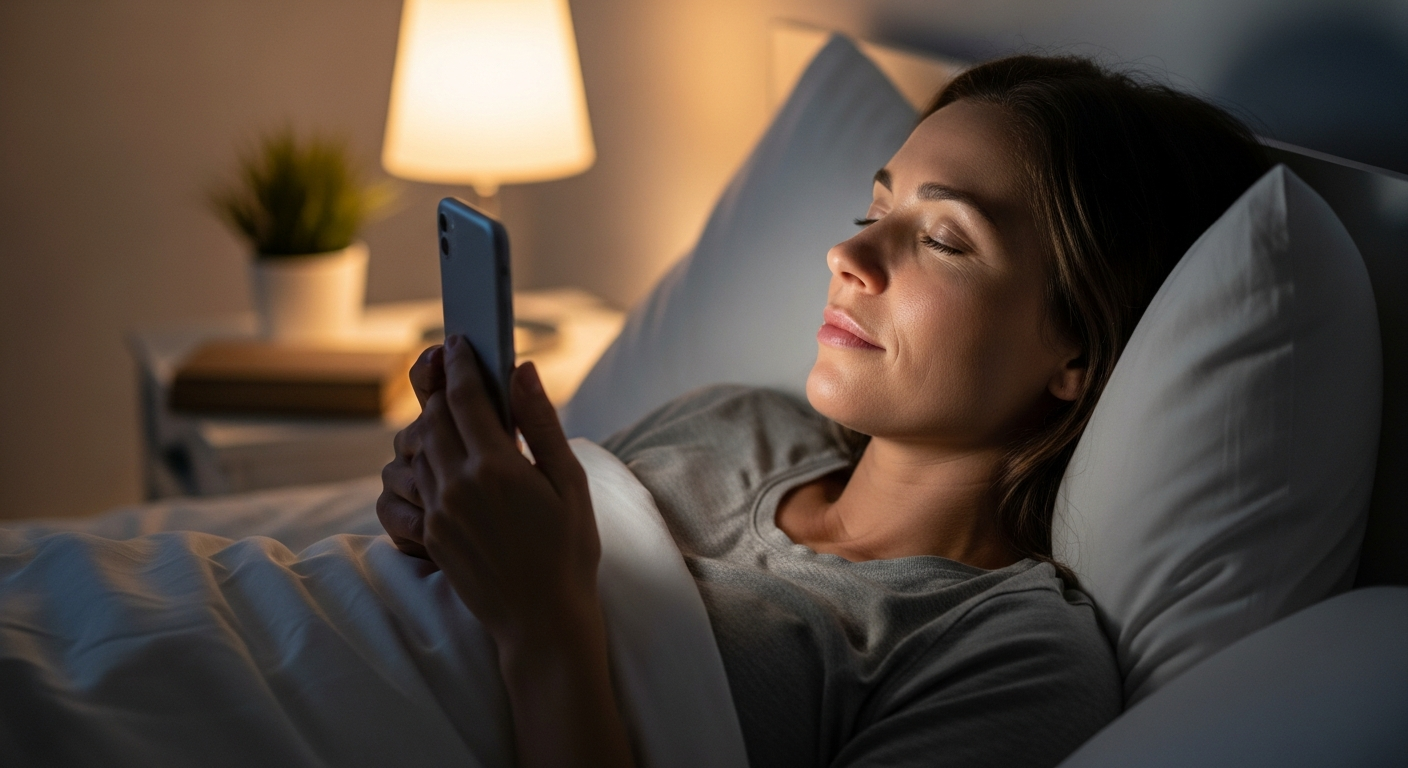
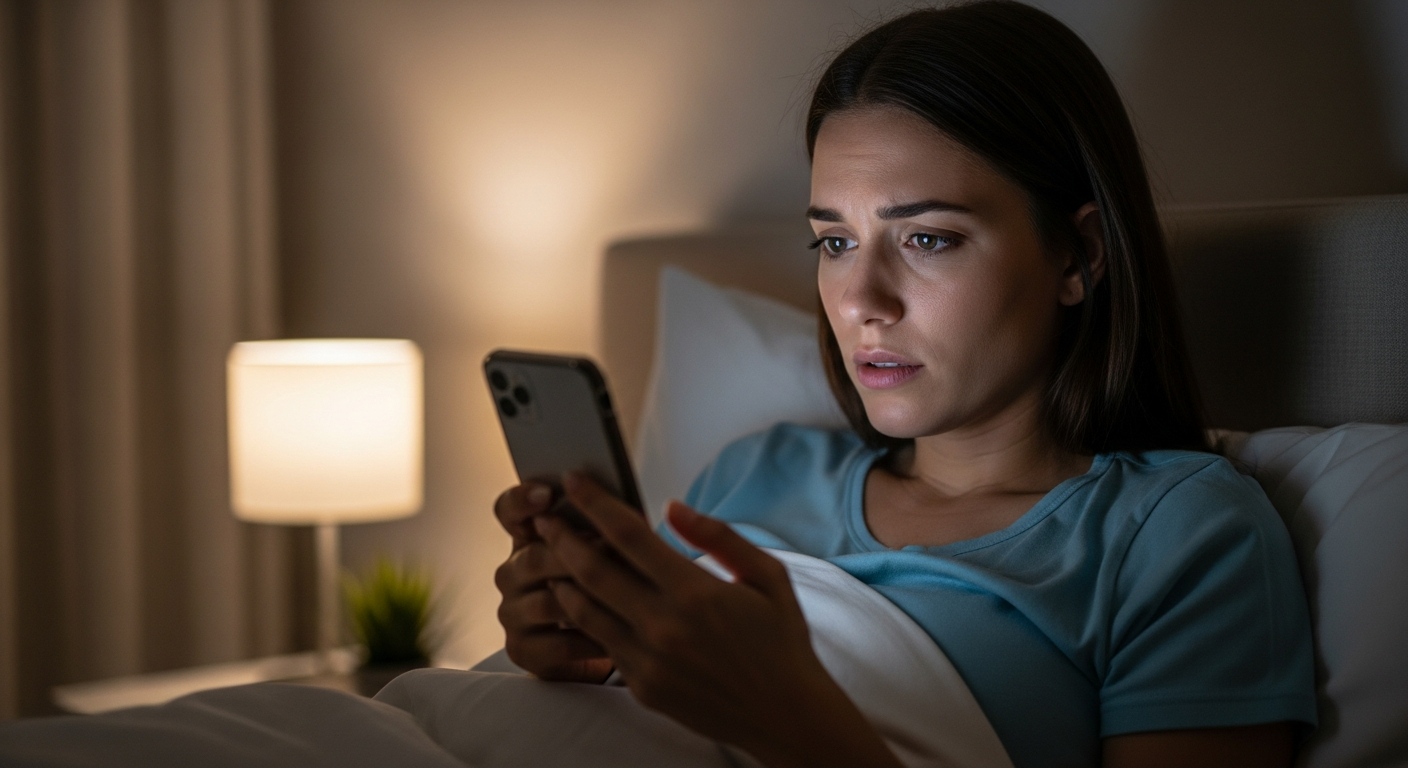
In today’s digital age, our lives are intertwined with screens. From smartphones to tablets and computers, these devices emit blue light, which can significantly impact our sleep patterns.
Understanding the effects of blue light and implementing strategies to mitigate its impact is essential for promoting healthy sleep, especially in children. This article will discuss how blue light affects your sleep cycle and what you can do to minimize blue light sleep disruption.
We’ll explore practical tips and tools, like using a blue light filter, to help you and your family achieve restful nights. By creating a sleep-conducive environment and establishing a digital sunset, you can safeguard your sleep and overall well-being.
What is Blue Light?
Blue light is a high-energy visible light emitted by various sources, including the sun, fluorescent lights, and most prominently, digital screens. It has a short wavelength, which means it produces more energy.
While natural blue light from the sun helps regulate our body’s natural sleep-wake cycle, known as the circadian rhythm, artificial blue light can disrupt this process. The pervasiveness of screens in our modern lives means we’re exposed to significant amounts of blue light, especially in the evenings, when it can interfere with sleep.
Understanding the nature of blue light and its sources is the first step in managing its impact. Recognizing that our devices emit this type of light allows us to take proactive measures to minimize our exposure, particularly before bedtime.
Different types of screens emit varying levels of blue light. For example, LED screens, commonly found in smartphones and tablets, tend to emit more blue light than older technologies like CRT monitors.
Furthermore, the intensity of blue light can also vary depending on the screen brightness. Higher brightness settings generally result in greater blue light emission, exacerbating its potential impact on sleep.
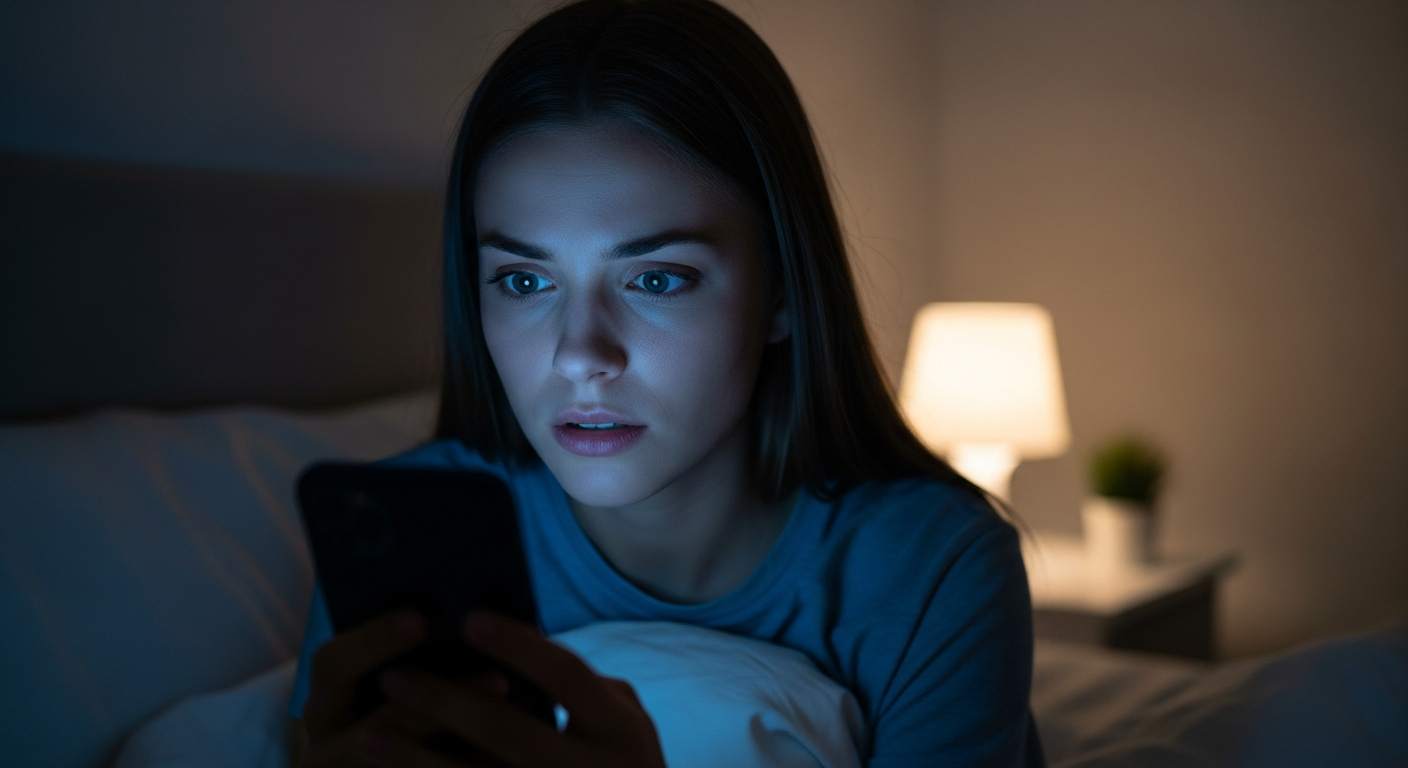
It’s also important to consider the distance between your eyes and the screen. The closer you are to the screen, the more intense the blue light exposure will be.
Therefore, maintaining a reasonable distance from your devices can help reduce the amount of blue light reaching your eyes. This is especially crucial for children who tend to hold devices closer to their faces.
In addition to screens, certain types of lighting, such as fluorescent and LED bulbs, also emit blue light. Consider using warmer-toned lighting in your home, especially in the evening, to minimize blue light exposure from these sources.
How Blue Light Affects Sleep
Blue light’s primary impact on sleep stems from its ability to suppress the production of melatonin, a hormone that regulates sleepiness. When blue light enters the eye, it signals the brain to reduce melatonin secretion, making it harder to fall asleep.
This suppression can shift the circadian rhythm, delaying the onset of sleep and reducing overall sleep duration. The effect is particularly pronounced when exposure occurs in the evening, as this is when melatonin levels should naturally be rising to prepare the body for sleep.
Beyond delaying sleep onset, blue light exposure can also impact the quality of sleep. Reduced melatonin levels can lead to lighter, more fragmented sleep, characterized by frequent awakenings throughout the night.
This disruption can leave you feeling less rested and refreshed in the morning, impacting daytime alertness and cognitive function. Chronic blue light exposure may contribute to long-term sleep disorders and other health issues.
The circadian rhythm is a complex internal clock that regulates various bodily functions, including sleep-wake cycles, hormone release, and body temperature. Blue light exposure can disrupt this delicate balance, leading to a cascade of negative effects on health.
In addition to sleep disturbances, chronic circadian rhythm disruption has been linked to an increased risk of obesity, diabetes, cardiovascular disease, and certain types of cancer. Therefore, protecting your sleep from blue light interference is crucial for maintaining overall health and well-being.
Furthermore, the impact of blue light on sleep can vary depending on the timing and duration of exposure. Exposure to blue light earlier in the day may have less of an impact on sleep compared to exposure in the evening.
The longer the duration of blue light exposure, the greater the potential for melatonin suppression and sleep disruption. Therefore, minimizing both the intensity and duration of blue light exposure, especially in the evening, is key to promoting healthy sleep.
Factors Influencing Blue Light Sensitivity
Individual sensitivity to blue light varies based on several factors, including age, genetics, and pre-existing health conditions. Children and adolescents are particularly vulnerable to the effects of blue light because their eyes have not yet fully developed the protective pigments that filter out some blue light.
This means more blue light reaches their retinas, potentially leading to greater melatonin suppression and sleep disruption. People with certain eye conditions, such as macular degeneration, may also experience heightened sensitivity to blue light.
Genetics can also play a role, with some individuals naturally producing less melatonin or having circadian rhythms that are more easily disrupted. Lifestyle factors, such as caffeine consumption and irregular sleep schedules, can exacerbate the effects of blue light.
Understanding your individual sensitivity can help you tailor strategies to minimize blue light exposure and optimize your sleep. If you suspect you are particularly sensitive, consider consulting with a healthcare professional for personalized advice.
Age-related changes in the eye can also influence blue light sensitivity. As we age, the lens of the eye can become more yellow, which may filter out some blue light. However, this yellowing can also affect color perception and may not fully compensate for the increased blue light exposure from screens.
Certain medications and medical conditions can also impact melatonin production and circadian rhythm regulation, potentially increasing sensitivity to blue light. If you are taking medications or have a medical condition that affects sleep, talk to your doctor about potential strategies to minimize blue light’s impact.
Furthermore, psychological factors, such as stress and anxiety, can also influence sleep quality and sensitivity to blue light. Stress can disrupt sleep patterns and make it harder to fall asleep, potentially exacerbating the effects of blue light exposure.
Managing stress through relaxation techniques, such as meditation or deep breathing, can help improve sleep quality and reduce sensitivity to blue light. Addressing underlying mental health concerns can also contribute to better sleep and overall well-being.
Strategies for Reducing Blue Light Exposure
Reducing blue light exposure involves a combination of behavioral changes and technological aids. One of the most effective strategies is to limit screen time, especially in the hours leading up to bedtime.
Aim to establish a “digital sunset” at least one to two hours before bed, during which you avoid using smartphones, tablets, and computers. Instead, engage in relaxing activities that don’t involve screens, such as reading a physical book, listening to music, or spending time with family.
| Strategy | Description | Benefits |
|---|---|---|
| Limit Screen Time | Avoid screens 1-2 hours before bed. | Reduces blue light exposure, promotes melatonin production. |
| Use Blue Light Filters | Enable blue light filters on devices or wear blue light blocking glasses. | Reduces the amount of blue light reaching the eyes. |
| Adjust Screen Settings | Dim screen brightness and use warmer color tones. | Minimizes eye strain and blue light emissions. |
| Optimize Sleep Environment | Ensure the bedroom is dark, quiet, and cool. | Promotes better sleep quality and duration. |
Adjusting screen settings can also help reduce blue light emissions. Most devices have built-in features that allow you to dim the screen brightness and shift the color temperature to warmer tones, such as orange or yellow.
These settings can be scheduled to activate automatically in the evening, providing a consistent reduction in blue light exposure. Experiment with different settings to find what works best for your eyes and sleep patterns.
Another helpful strategy is to use ambient lighting that is low in blue light. Replace bright, cool-toned light bulbs with warmer-toned bulbs, especially in the evening. Consider using dimmers to further reduce the intensity of lighting in your home.
When using screens, try to maintain a reasonable distance from the device. The closer you are to the screen, the more intense the blue light exposure will be. Encourage children to hold devices at arm’s length to minimize blue light exposure.
Take regular breaks from screen time to give your eyes a rest. Follow the 20-20-20 rule: every 20 minutes, look at something 20 feet away for 20 seconds. This can help reduce eye strain and minimize the cumulative effects of blue light exposure.
Consider using a physical alarm clock instead of your smartphone to wake you up. This can help reduce the temptation to check your phone first thing in the morning, limiting your exposure to blue light and promoting a more gradual wake-up process.
Using Blue Light Filters
Blue light filters are software or hardware solutions designed to reduce the amount of blue light emitted from screens. Many smartphones, tablets, and computers have built-in blue light filter settings that can be enabled manually or scheduled to turn on automatically.
These filters work by shifting the color temperature of the screen towards warmer tones, reducing the intensity of blue light. In addition to built-in filters, there are also third-party apps and software programs that offer more advanced customization options.
Another option is to use blue light blocking glasses, which have lenses that filter out a significant portion of blue light. These glasses are particularly useful for people who work in front of screens for extended periods or who are highly sensitive to blue light.
When choosing blue light blocking glasses, look for lenses that block at least 90% of blue light in the 400-500 nanometer range. It’s important to note that while blue light filters can help reduce exposure, they may slightly alter the colors on your screen.
When selecting a blue light filter app or software, consider factors such as customization options, ease of use, and compatibility with your devices. Some filters allow you to adjust the color temperature and intensity of the filter, while others offer preset modes for different times of day.
Be aware that some blue light filters may affect the accuracy of colors on your screen, which can be a concern for tasks that require precise color perception, such as graphic design or photo editing. In these cases, you may need to temporarily disable the filter while working on color-sensitive projects.
Blue light blocking glasses are available in a variety of styles and price ranges. Consider the lens material, frame design, and comfort when choosing a pair. Some glasses are designed to be worn over prescription eyeglasses, while others are available with prescription lenses.
It’s important to note that blue light filters and glasses are not a substitute for healthy sleep habits. While they can help reduce blue light exposure, they are most effective when combined with other strategies, such as limiting screen time and optimizing your sleep environment.
Optimizing Your Sleep Environment
Creating a sleep-conducive environment is essential for promoting restful sleep, regardless of blue light exposure. Ensure your bedroom is dark, quiet, and cool, as these conditions are conducive to melatonin production and sleep onset.
Use blackout curtains or blinds to block out external light, and consider using earplugs or a white noise machine to minimize noise disturbances. A cool room temperature, typically between 60-67 degrees Fahrenheit, can also improve sleep quality.
In addition to physical conditions, your sleep environment also includes your bedding and sleepwear. Choose comfortable, breathable materials that help regulate your body temperature and promote relaxation. A supportive mattress and pillow can also contribute to better sleep quality.
Establishing a consistent sleep schedule, even on weekends, can help regulate your circadian rhythm and improve sleep consistency. Aim to go to bed and wake up at the same time each day to reinforce your body’s natural sleep-wake cycle.
Consider using aromatherapy to create a relaxing atmosphere in your bedroom. Scents such as lavender, chamomile, and sandalwood have been shown to promote relaxation and improve sleep quality. Use an essential oil diffuser or add a few drops of essential oil to your pillow.
Keep your bedroom free from clutter and electronic devices. A cluttered room can be visually stimulating and make it harder to relax. Remove any unnecessary items from your bedroom and store electronic devices outside of the sleeping area.
Create a relaxing bedtime routine to signal to your body that it’s time to sleep. This could include activities such as taking a warm bath, reading a book, or practicing meditation. Avoid stimulating activities, such as watching TV or working on your computer, close to bedtime.
Ensure your bedroom is well-ventilated. Fresh air can improve sleep quality and prevent stuffiness. Open a window or use a fan to circulate air in your bedroom. Consider using an air purifier to remove allergens and pollutants from the air.
Creating a Digital Sunset
A digital sunset involves intentionally disconnecting from screens in the hours leading up to bedtime. This practice helps reduce blue light exposure and allows your brain to wind down and prepare for sleep.
Start by establishing a consistent time each evening when you turn off all screens, including smartphones, tablets, computers, and televisions. Engage in relaxing activities that don’t involve screens, such as reading a physical book, listening to calming music, or practicing meditation.
- Read a book
- Listen to a podcast
- Take a warm bath
- Practice meditation or deep breathing
- Spend time with family or friends
These activities can help lower your heart rate and blood pressure, promoting relaxation and sleepiness. Avoid stimulating activities, such as exercise or intense conversations, close to bedtime, as these can interfere with sleep.
Creating a digital sunset may require some adjustments to your daily routine, but the benefits for your sleep and overall well-being are well worth the effort. Communicate your intentions to family members and encourage them to participate in the digital sunset as well.
Prepare for your digital sunset by planning alternative activities in advance. This can help you avoid the temptation to reach for your phone or computer out of boredom. Gather books, puzzles, or other engaging activities to keep you occupied during your digital-free time.
Consider using a “do not disturb” feature on your phone to silence notifications during your digital sunset. This can help you resist the urge to check your phone and minimize distractions. Let friends and family know that you will be unavailable during this time.
Create a designated “charging station” for your electronic devices outside of your bedroom. This can help you avoid using your phone as an alarm clock and reduce the temptation to check your phone before bed or first thing in the morning.
Be patient with yourself as you adjust to a digital sunset. It may take some time to break the habit of reaching for your phone or computer out of habit. Start slowly and gradually increase the duration of your digital-free time each evening.
Addressing Pediatric Sleep Routines
Establishing healthy sleep habits is particularly important for children, as adequate sleep is crucial for their physical and cognitive development. Children are often more sensitive to the effects of blue light, making it essential to implement strategies to minimize their exposure.
Set clear rules about screen time, especially in the evening, and encourage alternative activities, such as reading, playing board games, or engaging in creative play. Create a consistent bedtime routine that includes calming activities, such as a warm bath, reading a story, or singing a lullaby.
Ensure the bedroom is dark, quiet, and cool, and consider using a nightlight if your child is afraid of the dark. Avoid using screens as a reward or punishment, as this can create a negative association with screen time and make it harder to enforce screen time limits.
Talk to your child about the importance of sleep and the effects of blue light, explaining why it’s important to limit screen time before bed. Model healthy sleep habits yourself, as children often learn by observing their parents.
Involve your child in creating their bedtime routine. Let them choose which activities they want to include, such as reading a specific book or listening to a particular song. This can help them feel more in control of their bedtime routine and make it more enjoyable.
Use visual aids, such as a bedtime chart, to help your child understand and follow their bedtime routine. A bedtime chart can list the steps of the routine and provide visual cues to remind your child what to do next. Reward your child for following their bedtime routine consistently.
Be consistent with your child’s bedtime and wake-up time, even on weekends. This can help regulate their circadian rhythm and improve their sleep consistency. Avoid letting your child stay up too late or sleep in too much on weekends, as this can disrupt their sleep patterns.
Create a positive and supportive environment around sleep. Avoid using sleep as a punishment or making your child feel anxious about going to bed. Instead, focus on the benefits of sleep and create a relaxing and enjoyable bedtime routine.
The Role of Diet and Exercise
In addition to managing blue light exposure and optimizing your sleep environment, diet and exercise play a significant role in promoting healthy sleep. Avoid consuming caffeine or alcohol close to bedtime, as these substances can interfere with sleep onset and quality.
Caffeine is a stimulant that can keep you awake, while alcohol can disrupt sleep patterns and lead to fragmented sleep. Eat a balanced diet rich in fruits, vegetables, and whole grains, and avoid heavy meals close to bedtime.
Regular physical activity can also improve sleep quality, but avoid exercising vigorously close to bedtime, as this can be stimulating. Aim for at least 30 minutes of moderate-intensity exercise most days of the week, and try to exercise earlier in the day.
Staying hydrated throughout the day is also important for sleep, but avoid drinking too much fluid close to bedtime to minimize nighttime awakenings. A healthy diet and regular exercise can contribute to better sleep and overall well-being.
Consider incorporating foods that are naturally rich in melatonin into your diet. These include tart cherries, kiwis, and walnuts. Eating these foods in the evening may help promote sleepiness and improve sleep quality.
Magnesium is another nutrient that is important for sleep. Magnesium helps regulate melatonin production and promotes muscle relaxation. Foods that are rich in magnesium include leafy green vegetables, nuts, and seeds.
Avoid eating sugary or processed foods close to bedtime. These foods can cause blood sugar spikes and crashes, which can disrupt sleep. Stick to whole, unprocessed foods that are low in sugar and high in fiber.
Establish a regular meal schedule to help regulate your circadian rhythm. Eat meals at the same time each day, and avoid skipping meals or eating at irregular hours. This can help your body anticipate sleep and wakefulness and improve your sleep quality.
Conclusion
Managing blue light exposure is a crucial aspect of promoting healthy sleep, especially in today’s screen-filled world. By understanding the effects of blue light and implementing strategies to mitigate its impact, you can safeguard your sleep and overall well-being.
Limit screen time before bed, use blue light filters, optimize your sleep environment, and establish a digital sunset to create a sleep-conducive routine. For children, setting clear screen time rules and modeling healthy sleep habits are essential.
Remember that individual sensitivity to blue light varies, so it’s important to experiment with different strategies to find what works best for you. Prioritizing sleep is an investment in your health and well-being, leading to improved mood, cognitive function, and overall quality of life.
By taking proactive steps to manage blue light exposure and optimize your sleep environment, you can ensure restful nights and wake up feeling refreshed and ready to take on the day. Sweet dreams and a brighter, well-rested tomorrow await you.
Continue to educate yourself about the latest research on blue light and sleep. New information is constantly emerging, and staying informed can help you make the best choices for your sleep health. Consult with healthcare professionals or sleep specialists for personalized advice and guidance.
Be patient and persistent in your efforts to improve your sleep. It may take time to establish healthy sleep habits and see significant results. Don’t get discouraged if you experience setbacks along the way. Keep experimenting with different strategies and find what works best for you.
Celebrate your successes and acknowledge the positive changes you are making to prioritize your sleep. Even small improvements in sleep quality can have a significant impact on your overall well-being. Reward yourself for sticking to your sleep goals and making healthy choices.
Remember that sleep is a fundamental human need, just like food and water. Prioritizing sleep is not a luxury, but a necessity for maintaining optimal health and well-being. Make sleep a priority in your life, and you will reap the rewards of improved mood, cognitive function, and overall quality of life.