
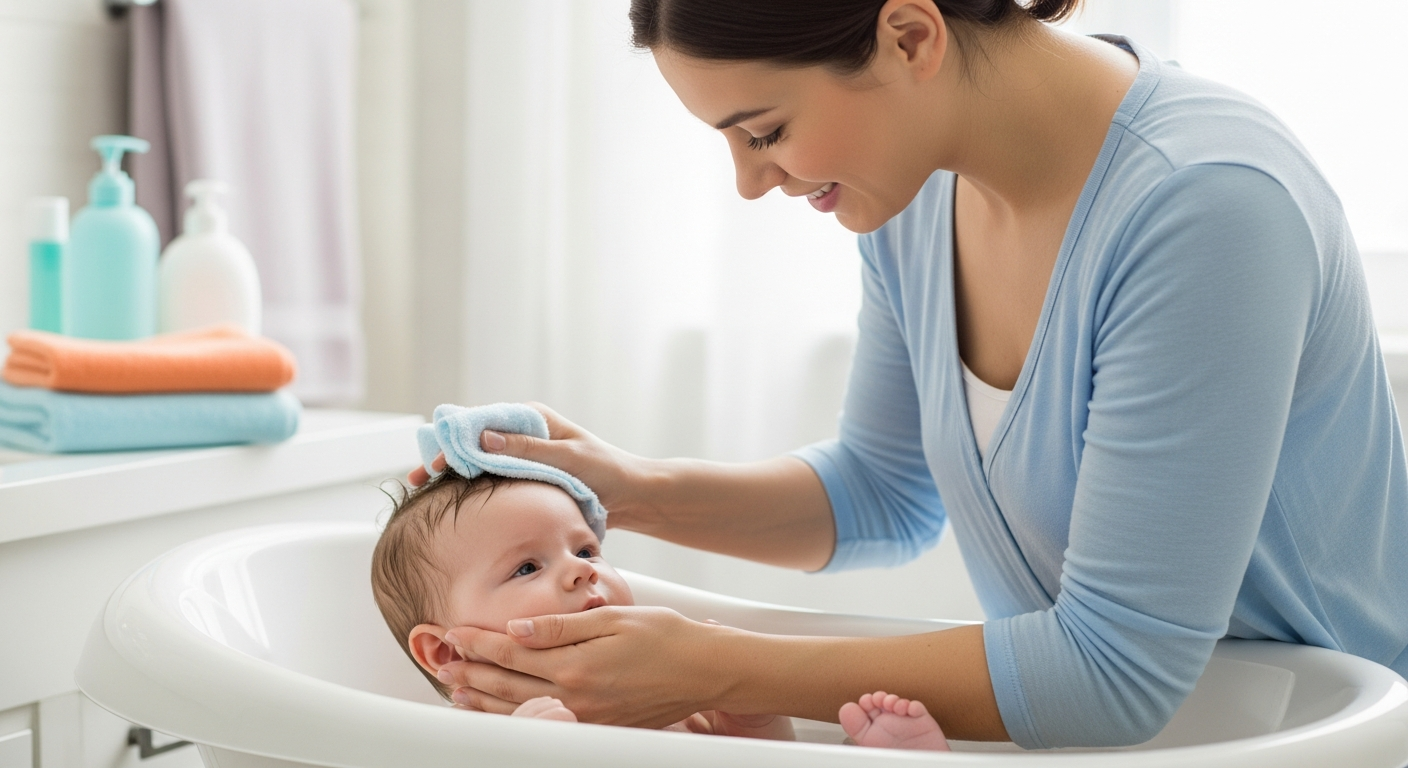
Bathing your infant is a special time, offering a chance to bond and care for their delicate skin. However, it can also be a source of anxiety for new parents. Knowing how to create a safe and enjoyable bath time routine for infants is key to making it a positive experience for both you and your little one.
This article will guide you through each step, from preparing the bath to gentle skincare afterward. By following these guidelines, you can transform bath time into a cherished part of your daily routine, promoting cleanliness, relaxation, and healthy skin for your baby.
Let’s explore how to make bath time a safe, fun, and nurturing experience for your infant. A consistent and well-planned bath time routine for infants can also contribute to better sleep and overall well-being.
Preparing for Bath Time
Before you even think about getting your baby near the water, preparation is essential. This involves gathering all the necessary supplies and ensuring the environment is safe and comfortable.
Having everything within arm’s reach will allow you to focus solely on your baby. Never leave your baby unattended during bath time, even for a second.
First, collect soft washcloths, a gentle baby soap or cleanser, a hooded towel, and a clean diaper. Have a fresh set of clothes ready for after the bath as well.
Next, choose a suitable location, such as a bathroom or kitchen, and prepare the bathing area. A baby bathtub is ideal, but a clean sink can also work if you line it with a soft towel.
Consider the ambient temperature of the room as well. You want to ensure the room is warm enough so your baby doesn’t get chilled after being taken out of the warm water.
A comfortable room temperature, around 75°F (24°C), is generally recommended. This will help prevent your baby from getting cold and uncomfortable during and after the bath.
Gathering all necessary items beforehand will streamline the process and minimize any potential distractions. This allows you to maintain constant supervision and focus entirely on your baby’s safety and comfort.
Think about the order in which you will use each item. Having everything organized will allow you to move smoothly through the bath time routine for infants.
Consider using a small, waterproof container to hold water for rinsing. This will help you avoid constantly turning on the tap, which can be disruptive and potentially alter the water temperature.
Also, make sure the surface where you will be placing your baby after the bath is clean and prepared. Lay down the hooded towel and have the diaper and clothes readily accessible.
Ensuring Water Safety and Temperature
Water safety is paramount when bathing an infant. Babies can drown in very little water, so constant supervision is non-negotiable.
Always test the water temperature with your wrist or a thermometer before placing your baby in the tub. The ideal bath temperature is between 98°F (37°C) and 100°F (38°C).
Run the cold water first, then add hot water until you reach the desired temperature. This helps prevent accidental scalding if the hot water comes out too quickly.
Only fill the tub with a few inches of water, just enough to cover your baby’s body. Keep a hand on your baby at all times during the bath.
Using your wrist to test the water is a common method, but a thermometer provides a more accurate reading. Digital thermometers designed for baby baths are readily available and can offer peace of mind.
If you’re using your wrist, the water should feel comfortably warm, not hot. If it feels too hot to your touch, it’s definitely too hot for your baby’s sensitive skin.
Consider installing a temperature-limiting device on your hot water faucet. These devices can prevent the water from exceeding a certain temperature, reducing the risk of scalding.
Never leave your baby alone in the bathtub, even for a moment, to answer the phone or grab something you forgot. If you need to leave, wrap your baby in a towel and take them with you.
Be mindful of the water temperature throughout the bath. The water can cool down quickly, so you may need to add a little warm water to maintain the desired temperature. Always test the water temperature again before adding more water.
Empty the bathtub immediately after each use. This prevents accidental falls and ensures a safe environment for your baby and other family members.
Choosing Gentle Cleansers and Products
Infant skincare requires gentle products that won’t irritate their sensitive skin. Harsh soaps and cleansers can strip away natural oils, leading to dryness and discomfort.
Look for products specifically formulated for babies, labeled as hypoallergenic and fragrance-free. Avoid products containing sulfates, parabens, and dyes, as these can cause allergic reactions or skin irritation.
| Ingredient | Why Avoid | Safer Alternatives |
|---|---|---|
| Sulfates | Can cause skin irritation and dryness | Sulfate-free cleansers |
| Parabens | Potential hormone disruptors | Paraben-free products |
| Artificial Dyes | Can cause allergic reactions | Products with natural dyes or no dyes |
| Fragrances | Common allergen | Fragrance-free options |
When bathing your infant, use a small amount of cleanser and focus on areas that need it most, such as the diaper area and skin folds. Rinse thoroughly to remove any residue.
Read the ingredient list carefully before purchasing any baby skincare product. Familiarize yourself with common irritants and allergens to make informed choices.
Consider organic baby skincare products, which are made with natural ingredients and are less likely to contain harmful chemicals. These products are often gentler on sensitive skin.
A good rule of thumb is to choose products with the fewest ingredients possible. The fewer ingredients, the lower the risk of irritation or allergic reaction.
If you’re unsure about a particular product, test it on a small area of your baby’s skin before using it all over. Wait 24-48 hours to see if there is any reaction.
Be cautious of products that claim to be “natural” but still contain potentially harmful ingredients. Always read the full ingredient list to ensure the product is truly safe for your baby.
Consult with your pediatrician or a dermatologist if you have any concerns about your baby’s skin or which products to use. They can provide personalized recommendations based on your baby’s specific needs.
Bathing Your Infant Safely and Comfortably
Holding your baby securely is crucial for their safety and comfort during bath time. Use a supportive hold that keeps them from slipping.
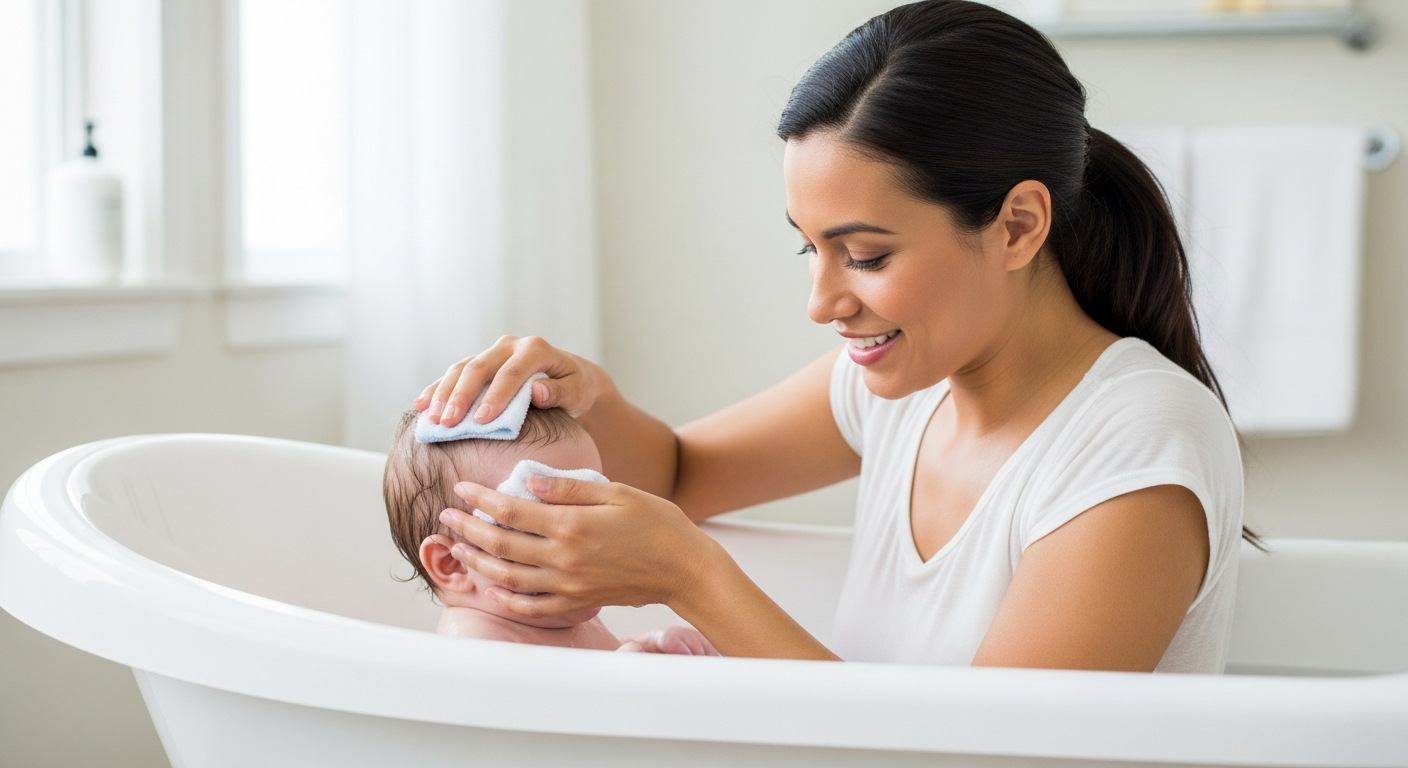
Gently lower your baby into the water, supporting their head and neck with one hand. Use your other hand to wash them, starting with their face and hair.
When washing their face, use a soft, damp washcloth and avoid getting soap in their eyes. Gently clean around their eyes, nose, and mouth.
Pay special attention to skin folds, such as under the arms, behind the ears, and in the groin area. These areas can trap moisture and become irritated if not cleaned properly.
A good hold involves supporting your baby’s head, neck, and back. You can use your forearm to cradle their back and your hand to support their head and neck.
Talk to your baby in a soothing voice throughout the bath. This will help them feel more relaxed and secure.
Use a gentle, circular motion when washing your baby’s skin. Avoid scrubbing, as this can irritate their delicate skin.
Rinse thoroughly after washing each area to remove any soap residue. Soap residue can dry out the skin and cause irritation.
Be careful when washing your baby’s hair to avoid getting soap in their eyes. You can use a visor or simply tilt their head back slightly.
If your baby has long hair, gently comb it after washing to prevent tangles. Use a soft-bristled baby brush.
Making Bath Time Fun and Engaging
Bath time doesn’t have to be just about cleaning; it can also be a fun and engaging experience for your baby. Introducing toys and gentle interaction can make bath time more enjoyable.
Singing songs, talking to your baby, and making eye contact can help them feel secure and happy. Use a gentle, soothing voice to create a calming atmosphere.
- Use soft, colorful bath toys
- Sing familiar songs
- Make funny faces
- Gently splash water
- Talk in a soothing voice
Choose bath toys that are safe for babies and easy to clean. Avoid toys with small parts that could be a choking hazard.
Make bath time a sensory experience by adding different textures and sounds. You can use a soft sponge, a textured washcloth, or a musical bath toy.
Engage your baby’s senses by gently splashing water on their skin. Be careful not to splash water in their face.
Use bath time as an opportunity to teach your baby about body parts. Point to their nose, eyes, and toes as you wash them.
Be responsive to your baby’s cues. If they seem uncomfortable or distressed, stop the bath and try again later.
Remember to keep bath time relatively short, especially for newborns. Prolonged exposure to water can dry out their skin.
Post-Bath Skincare Routine
After the bath, gently pat your baby dry with a soft, hooded towel. Avoid rubbing, as this can irritate their delicate skin.
Apply a baby-friendly moisturizer to help lock in moisture and prevent dryness. Focus on areas prone to dryness, such as elbows, knees, and cheeks.
If your baby has cradle cap, gently massage their scalp with baby oil or a special cradle cap treatment. Use a soft brush to loosen the scales before rinsing.
Dress your baby in a clean diaper and comfortable clothes. Ensure the clothing is made of soft, breathable materials to avoid irritating their skin.
Patting the skin dry is much gentler than rubbing, which can cause friction and irritation. Use a soft, absorbent towel.
Apply moisturizer within a few minutes of getting out of the bath to lock in the moisture. This is especially important for babies with dry skin.
If you’re using baby oil for cradle cap, be careful not to get it in your baby’s eyes. Gently massage the oil into the scalp and let it sit for a few minutes before brushing.
Choose clothing made from natural fibers, such as cotton, to allow your baby’s skin to breathe. Avoid synthetic fabrics, which can trap moisture and cause irritation.
Check your baby’s skin regularly for any signs of dryness, redness, or irritation. Adjust your skincare routine as needed.
Consider using a humidifier in your baby’s room to help keep their skin hydrated. This is especially helpful during the winter months when the air is dry.
Addressing Common Bath Time Concerns
Many parents have concerns about bath time, such as their baby crying or being afraid of the water. Understanding these concerns and having strategies to address them can make the experience smoother.
If your baby cries during bath time, try to identify the cause. They may be too cold, too hot, or simply not enjoying the sensation of being in the water.
Adjust the water temperature, use a softer washcloth, or try bathing them in a different position. Sometimes, simply holding them close and talking to them can help them feel more secure.
For babies who are afraid of the water, introduce bath time gradually. Start by gently washing their face and hands with a washcloth, and slowly introduce them to the tub.
Try bathing with your baby. This can help them feel more secure and comfortable.
Use a gentle, soothing voice to reassure your baby. Let them know that they are safe and loved.
If your baby is teething, bath time can sometimes be uncomfortable. Consider giving them a teething toy to chew on during the bath.
Some babies simply don’t like bath time. If your baby consistently cries during bath time, talk to your pediatrician about alternative ways to keep them clean.
Remember that it’s okay to skip a bath if your baby is not feeling well or is particularly fussy. A sponge bath can be a good alternative.
Be patient and persistent. With time and consistency, most babies will eventually come to enjoy bath time.
Frequency of Bathing
Newborns don’t require daily baths; in fact, bathing them too often can dry out their skin. Two to three times a week is generally sufficient during the first few months.
Focus on cleaning the diaper area and any visible dirt or spit-up in between baths. As your baby gets older and more active, you may need to increase the frequency of baths.
Pay attention to your baby’s skin and adjust the bathing schedule accordingly. If their skin seems dry, reduce the frequency of baths and use a good moisturizer.
Remember that every baby is different, and what works for one may not work for another. Observe your baby’s cues and adjust your bath time routine for infants accordingly.
Over-bathing can strip away the natural oils that protect your baby’s skin, leading to dryness and irritation. Less is often more when it comes to bathing newborns.
Sponge baths are a great way to keep your baby clean in between full baths. Focus on cleaning the face, neck, hands, and diaper area.
As your baby starts crawling and exploring, they will naturally get dirtier. You may need to increase the frequency of baths to keep them clean and healthy.
Consider the season when determining how often to bathe your baby. During the winter months, when the air is dry, you may need to bathe them less frequently.
If your baby has eczema or other skin conditions, follow your pediatrician’s recommendations for bathing frequency. They may recommend bathing less often or using special cleansers.
Ultimately, the frequency of bathing is a personal decision. Do what feels right for you and your baby, and always prioritize their comfort and well-being.
Special Considerations for Sensitive Skin
Babies with sensitive skin require extra care during bath time. If your baby has eczema or other skin conditions, consult with your pediatrician for specific recommendations.
Use lukewarm water instead of hot water, as hot water can exacerbate skin irritation. Choose very gentle, fragrance-free cleansers specifically designed for sensitive skin.
Avoid scrubbing or using harsh washcloths, as this can further irritate the skin. Pat the skin dry gently and apply a thick layer of moisturizer immediately after the bath to lock in moisture.
Consider using an emollient bath oil to help hydrate the skin during the bath. Always follow your pediatrician’s advice for managing your baby’s specific skin condition.
Look for cleansers that are specifically labeled for eczema or sensitive skin. These products are typically free of common irritants and allergens.
Avoid using bubble bath, as it can be very drying and irritating to sensitive skin. Stick to gentle cleansers or bath oils.
Apply moisturizer immediately after patting the skin dry, while the skin is still damp. This helps to lock in moisture and prevent dryness.
Consider using a humidifier in your baby’s room to help keep their skin hydrated. This is especially helpful during the winter months when the air is dry.
Avoid using harsh detergents or fabric softeners when washing your baby’s clothes. These can leave residue on the clothing that can irritate sensitive skin.
If your baby’s skin is very dry, consider using a thicker moisturizer, such as a cream or ointment. These products are more effective at locking in moisture.
Conclusion
Creating a safe and enjoyable bath time routine for infants is a rewarding experience that promotes cleanliness, relaxation, and bonding. By following these guidelines, you can make bath time a positive and nurturing part of your baby’s life.
Remember to prioritize safety, use gentle products, and pay attention to your baby’s cues. With a little preparation and patience, you can transform bath time into a cherished ritual for both you and your little one, supporting healthy infant skincare.
By establishing a consistent and loving bath time routine for infants, you’re not only ensuring their hygiene but also fostering a sense of security and connection. This contributes to their overall well-being and development.
Remember that every baby is unique, and what works for one may not work for another. Be flexible and willing to adjust your routine as needed to meet your baby’s individual needs.
Bath time is a special opportunity to bond with your baby and create lasting memories. Embrace the experience and enjoy this precious time with your little one.