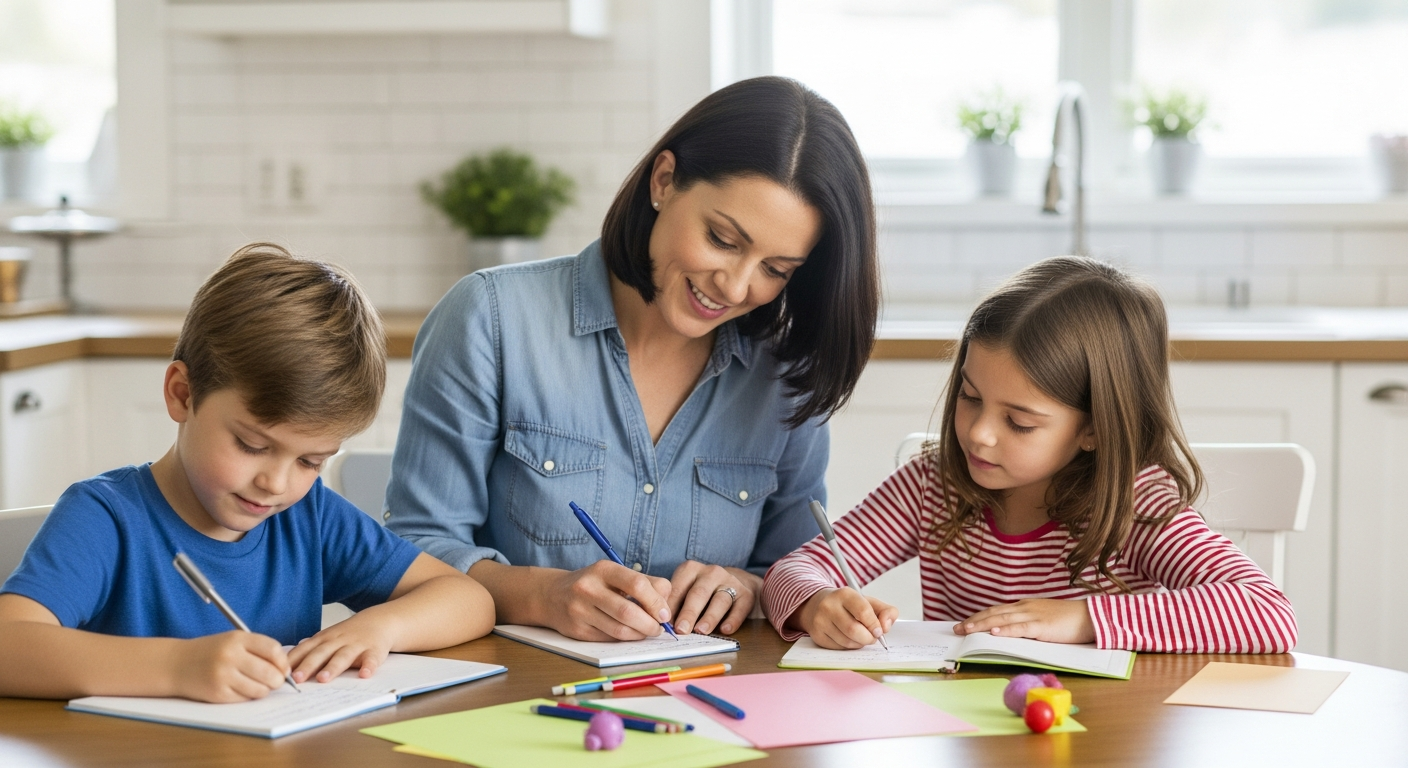
In today’s fast-paced world, it’s easy for children to get caught up in the hustle and bustle of daily life. Developing a sense of gratitude can significantly impact their well-being and overall happiness.
Teaching children to appreciate what they have fosters a positive mindset and helps them navigate challenges with resilience. A simple gratitude routine for kids can be a powerful tool in cultivating thankfulness and joy.
This article explores the numerous benefits of instilling gratitude in children and offers practical strategies for creating a gratitude routine for kids. From keeping a gratitude journal to practicing mindfulness, these techniques will help children recognize and appreciate the good things in their lives, promoting a more positive and fulfilling outlook.
The Benefits of Gratitude for Kids
Gratitude is more than just saying “thank you”; it’s a deep appreciation for the good things in life. For children, cultivating gratitude can have profound and lasting benefits.
Studies have shown that children who practice gratitude tend to be happier, more optimistic, and less materialistic. These positive emotions contribute to better mental health and overall well-being.
Expressing gratitude can also improve a child’s social skills and relationships. When children appreciate others’ efforts and kindness, they are more likely to treat others with respect and empathy.
Furthermore, a gratitude routine for kids can enhance their resilience and ability to cope with stress. By focusing on the positive aspects of their lives, children develop a stronger sense of hope and optimism, helping them navigate challenges with greater ease.
Cultivating gratitude in children can lead to improved sleep patterns. When children focus on positive thoughts before bed, they are less likely to experience anxiety and restlessness.
Gratitude can also boost a child’s self-esteem. Recognizing their own blessings and the kindness of others helps them feel valued and appreciated.
Children who are grateful are often more motivated and perform better in school. A positive attitude towards learning and appreciation for educational opportunities can enhance academic success.
Instilling gratitude can also help children develop a stronger sense of empathy. When they appreciate the good things in their lives, they are more likely to recognize and care about the needs of others.
Practicing gratitude can also improve a child’s physical health. Studies have linked gratitude to a stronger immune system and reduced risk of chronic diseases.
Ultimately, teaching children to be grateful is an investment in their future happiness and well-being. It equips them with valuable life skills that will benefit them throughout their lives.
Creating a Gratitude Journal
A gratitude journal is a simple yet effective tool for cultivating appreciation in children. It provides a dedicated space for them to reflect on and record the things they are thankful for.
Encourage your child to write in their gratitude journal regularly, even if it’s just a few sentences each day. The act of writing down their blessings helps them focus on the positive aspects of their lives.
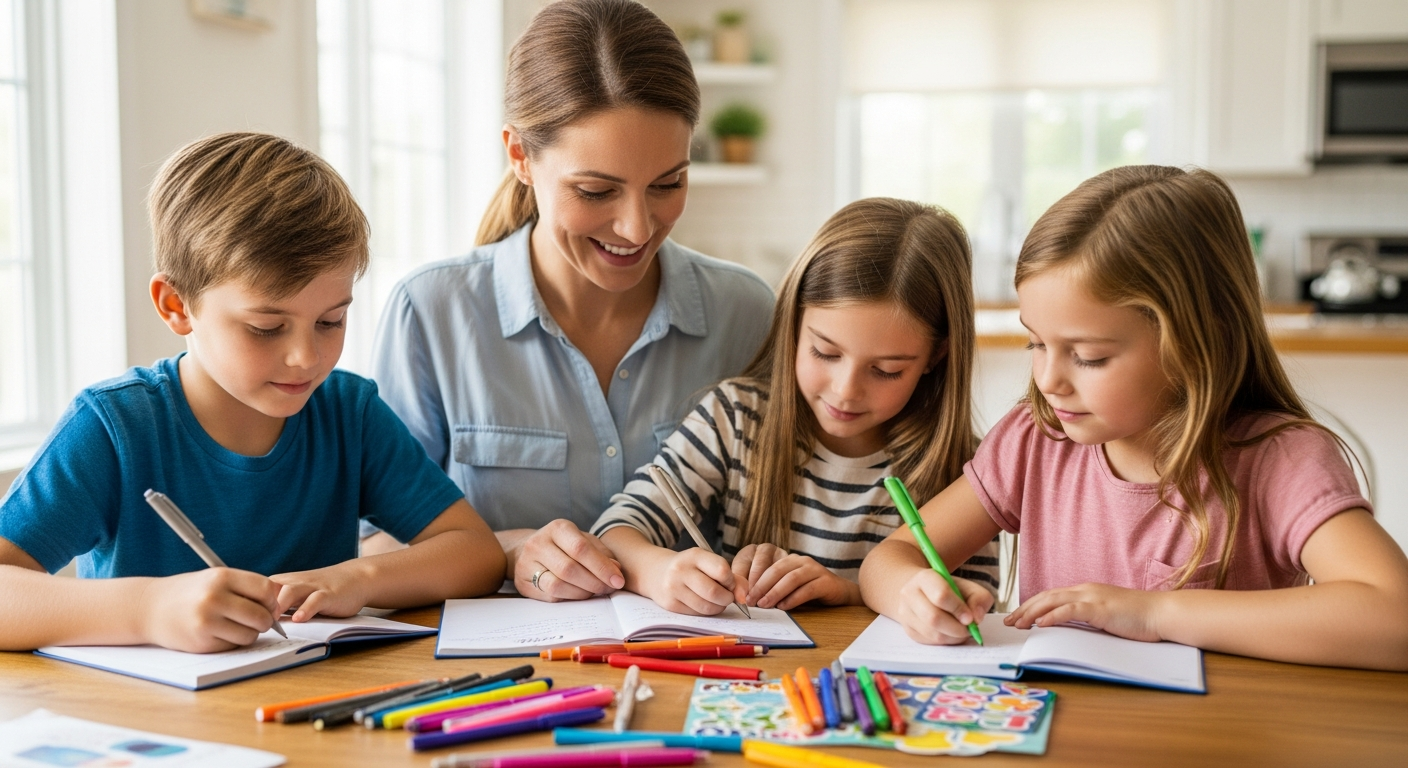
To make the gratitude journal more engaging, consider using a colorful notebook or adding stickers and drawings. This can make the activity more enjoyable and encourage children to participate regularly.
Help your child brainstorm ideas for what to write in their gratitude journal. Suggest they think about people, experiences, or things that make them happy or that they appreciate.
Encourage them to be specific in their entries. Instead of just writing “I’m thankful for my family,” they could write “I’m thankful for my family because they always support me and make me laugh.”
Make the gratitude journal a shared activity by writing in it together. This can create a special bonding experience and model gratitude for your child.
Review the gratitude journal entries with your child periodically. This can help them reflect on their blessings and reinforce the importance of gratitude.
Consider providing prompts to help children who struggle with writing in their gratitude journal. For example, you could ask them “What was the best part of your day?” or “What are you looking forward to?”
Remember to be patient and supportive as your child develops their gratitude journal habit. It may take time for them to fully embrace the practice, but the long-term benefits are well worth the effort.
A gratitude journal can also be a digital one. Apps and online platforms can provide a modern twist to the traditional journal, making it more appealing to tech-savvy kids.
Expressing Gratitude Through Words and Actions
Expressing gratitude isn’t just about writing things down; it’s also about communicating appreciation to others. Teaching children to express their thankfulness through words and actions can strengthen relationships and foster a culture of kindness.
One way to encourage this is by having children write thank-you notes to people who have done something kind for them. This could be a teacher, a friend, or a family member.
| Action | Description | Benefit |
|---|---|---|
| Writing Thank-You Notes | Expressing appreciation in written form | Strengthens relationships, promotes thoughtfulness |
| Verbal Appreciation | Saying “thank you” and explaining why | Encourages positive communication, builds confidence |
| Acts of Kindness | Showing gratitude through helpful actions | Fosters empathy, reinforces positive behavior |
| Gratitude Jar | Collecting notes of appreciation for later reading | Creates a visual reminder of blessings, promotes positivity |
Another approach is to encourage children to verbally express their gratitude. Teach them to say “thank you” sincerely and to explain why they appreciate someone’s actions.
Role-playing scenarios can help children practice expressing gratitude in different situations. This can make them feel more comfortable and confident when expressing their appreciation in real life.
Encourage children to show gratitude through acts of kindness. This could involve helping with chores, offering to assist a friend in need, or volunteering in the community.
Teach children to recognize and appreciate the efforts of others, even if the outcome isn’t perfect. Emphasize the importance of acknowledging the thought and effort behind the action.
Model gratitude in your own interactions with others. Children learn by observing their parents’ behavior, so it’s important to demonstrate thankfulness in your own words and actions.
Create opportunities for children to express gratitude to service workers, such as teachers, bus drivers, and store clerks. A simple “thank you” can make a big difference in their day.
Encourage children to write letters or draw pictures for people they appreciate. These thoughtful gestures can be a meaningful way to show gratitude.
Celebrate acts of kindness and gratitude within the family. This can create a positive and appreciative atmosphere.
Remind children that expressing gratitude is not just about saying “thank you,” but also about showing genuine appreciation and respect for others.
Practicing Mindfulness and Appreciation
Mindfulness is the practice of being present in the moment and paying attention to one’s surroundings without judgment. Incorporating mindfulness activities into a gratitude routine for kids can deepen their appreciation for the little things in life.
One simple mindfulness exercise is to take a few moments each day to focus on the senses. Encourage children to notice the sights, sounds, smells, tastes, and textures around them, and to appreciate the beauty and wonder of the present moment.
Another mindfulness activity is to practice mindful eating. Have children pay attention to the taste, texture, and aroma of their food, and to savor each bite with gratitude.
By practicing mindfulness, children learn to appreciate the simple joys of life and to cultivate a deeper sense of gratitude for the present moment. These mindfulness activities can be easily integrated into a daily gratitude routine for kids.
Introduce simple breathing exercises to help children calm their minds and focus on the present moment. Deep breathing can enhance their ability to appreciate the small things.
Take nature walks and encourage children to observe the beauty of the natural world. This can foster a sense of awe and appreciation for the environment.
Practice mindful listening by encouraging children to pay attention to the sounds around them without judgment. This can enhance their appreciation for music and other auditory experiences.
Engage in mindful movement activities, such as yoga or stretching. This can help children connect with their bodies and appreciate their physical abilities.
Use guided meditations to help children focus on positive thoughts and feelings. This can promote a sense of calm and gratitude.
Encourage children to express their gratitude through creative outlets, such as drawing, painting, or writing poetry. This can help them process their emotions and appreciate the beauty of the world around them.
Practice gratitude meditations specifically designed for children. These meditations often involve visualizing positive experiences and expressing thankfulness.
Incorporating Gratitude into Daily Life
Gratitude shouldn’t be a one-time activity; it should be woven into the fabric of daily life. There are many simple ways to incorporate gratitude into your family’s routine.
One idea is to start or end each day with a gratitude sharing session. During meal times or bedtime, have each family member share something they are thankful for.
Another way to incorporate gratitude is to create a gratitude jar. Keep a jar and some slips of paper in a central location, and encourage family members to write down things they are thankful for and place them in the jar.
On special occasions or during times of stress, you can open the jar and read the notes aloud, reminding everyone of the many blessings in their lives. This can be a powerful reminder of the positive aspects of life, especially during challenging times.
Make gratitude a part of your family’s bedtime routine. Before going to sleep, have each family member share one thing they are grateful for from the day.
Create a gratitude wall in your home where family members can post pictures, quotes, and notes of appreciation. This can serve as a visual reminder of the many blessings in your lives.
Incorporate gratitude into your family’s celebrations and holidays. Take time to reflect on the things you are thankful for and express your appreciation to one another.
Make gratitude a part of your family’s mealtime conversations. Ask each family member to share something they are grateful for before you start eating.
Encourage children to express gratitude to their teachers, coaches, and other mentors. A simple thank-you note or a small gift can show your appreciation for their efforts.
Practice gratitude as a family by volunteering in your community. This can help children appreciate the blessings in their lives and develop empathy for others.
Use gratitude as a teaching tool to help children appreciate the value of hard work and the importance of earning things. This can help them avoid feelings of entitlement.
Teaching Kids to Focus on the Positive
A key aspect of cultivating gratitude is teaching children to focus on the positive aspects of their lives. This doesn’t mean ignoring challenges or pretending that everything is perfect, but rather, it means training their minds to notice and appreciate the good things.
One way to do this is to encourage children to reframe negative situations. Help them look for the silver lining or identify something positive that came out of a difficult experience.
- Model gratitude
- Share positive stories
- Limit exposure to negativity
- Celebrate small victories
- Practice gratitude together
Another strategy is to limit exposure to negative influences, such as excessive news or social media. Instead, fill their lives with positive stories, uplifting content, and supportive relationships.
Teach children to identify and challenge negative thoughts. Help them replace negative thoughts with positive affirmations.
Encourage children to focus on their strengths and talents. Help them recognize their unique abilities and appreciate their accomplishments.
Celebrate small victories and milestones. This can help children appreciate their progress and build confidence.
Use positive language when speaking to children. Avoid using negative or critical words, and instead, focus on encouragement and praise.
Teach children to practice self-compassion. Help them be kind and forgiving to themselves when they make mistakes.
Create a positive and supportive home environment. This can help children feel safe and secure, and more likely to focus on the positive aspects of their lives.
Encourage children to surround themselves with positive people. Supportive relationships can help them maintain a positive outlook.
Help children develop a sense of humor. Laughter can be a powerful tool for coping with stress and maintaining a positive attitude.
The Role of Parents in Cultivating Gratitude
Parents play a crucial role in helping their children develop a sense of gratitude. Children often learn by observing their parents’ attitudes and behaviors, so modeling gratitude is essential.
One of the most effective ways to teach gratitude is to express your own appreciation for the things in your life. Share your own gratitude journal entries with your children, or simply talk about the things you are thankful for each day.
Another way parents can foster gratitude is by involving children in acts of service. Volunteering as a family can be a powerful way to show children the importance of giving back and appreciating what they have.
By actively modeling gratitude and providing opportunities for children to express their appreciation, parents can help their children develop a lifelong habit of thankfulness. This will contribute to their overall well-being and happiness.
Parents can create a gratitude-focused home environment by regularly expressing appreciation for each other and for the things you have.
Involve children in household chores and responsibilities. This can help them appreciate the effort that goes into maintaining a home and caring for a family.
Teach children about the importance of giving back to the community. This can help them develop empathy and appreciate the blessings in their own lives.
Encourage children to express gratitude to their teachers, coaches, and other mentors. This can help them build positive relationships and appreciate the guidance they receive.
Parents can use everyday situations as opportunities to teach gratitude. For example, when receiving a gift, encourage your child to write a thank-you note or express their appreciation verbally.
Model gratitude by expressing appreciation for your child’s efforts and accomplishments. This can help them feel valued and appreciated.
Parents can also help children develop a sense of gratitude by teaching them about the challenges that others face. This can help them appreciate the blessings in their own lives and develop empathy for those who are less fortunate.
Overcoming Challenges in Teaching Gratitude
While teaching gratitude is beneficial, it’s not always easy. Children may resist the idea of keeping a gratitude journal or may struggle to find things to be thankful for, especially during difficult times.
One common challenge is dealing with entitlement. Some children may feel entitled to certain things and may not appreciate what they have.
To address this, it’s important to teach children the value of hard work and the importance of earning things. Avoid giving them everything they want without any effort on their part.
Another challenge is helping children find things to be thankful for when they are going through a difficult time. In these situations, it can be helpful to focus on the simple things in life, such as having a roof over their heads, food on the table, and supportive family and friends. Remind them that even in the midst of challenges, there is always something to be grateful for.
Be patient and understanding when children struggle to express gratitude. It may take time for them to fully embrace the concept.
Avoid forcing children to express gratitude. This can make them feel resentful and less likely to appreciate the things they have.
Help children identify their blessings by asking them specific questions. For example, you could ask them “What was the best part of your day?” or “What are you looking forward to?”
Teach children to appreciate the small things in life. This can help them find gratitude even when they are facing challenges.
Model gratitude in your own life. Children are more likely to develop a sense of gratitude if they see their parents expressing appreciation for the things they have.
Celebrate acts of kindness and gratitude within the family. This can create a positive and appreciative atmosphere.
Remind children that gratitude is not just about saying “thank you,” but also about showing genuine appreciation and respect for others.
Long-Term Benefits of a Gratitude Routine for Kids
Establishing a gratitude routine for kids can have long-lasting positive effects on their lives. As children grow older, they will carry with them a sense of appreciation and a positive mindset that will serve them well in all areas of their lives.
Studies have shown that people who practice gratitude tend to be more successful in their careers, have stronger relationships, and experience greater overall well-being. These benefits extend far beyond childhood.
A gratitude journal can become a treasured keepsake, filled with memories of happy times and reflections on the blessings in their lives. This can provide comfort and inspiration during difficult times.
By instilling gratitude in children, you are giving them a valuable tool that will help them navigate life’s challenges with resilience, optimism, and a deep appreciation for the good things in their lives. This gift will continue to enrich their lives for years to come.
A consistent gratitude practice can lead to improved mental and emotional health throughout their lives. They will be better equipped to handle stress and adversity.
Gratitude can foster stronger and more meaningful relationships as they grow older. Appreciating others leads to deeper connections.
A grateful mindset can contribute to greater career satisfaction and success. Appreciating opportunities and colleagues can lead to a more fulfilling work life.
Gratitude can help them maintain a positive outlook even during challenging times. They will be more resilient and better able to cope with adversity.
A gratitude practice can promote a sense of purpose and meaning in life. They will be more likely to appreciate the value of their experiences and relationships.
Gratitude can foster a sense of connection to something larger than themselves. This can provide comfort and inspiration throughout their lives.
Ultimately, teaching children gratitude is an investment in their long-term happiness and well-being. It’s a gift that will keep on giving throughout their lives.
Conclusion
Creating a gratitude routine for kids is a simple yet powerful way to foster appreciation, positivity, and resilience. By incorporating practices like gratitude journaling, expressing thankfulness, and practicing mindfulness, you can help children develop a lifelong habit of focusing on the good things in their lives.
Remember that the key is to make gratitude a regular part of your family’s routine and to model appreciation in your own life. With patience and consistency, you can help your children cultivate thankfulness and joy, leading to a happier and more fulfilling life.
Start small and be consistent. Even a few minutes of gratitude practice each day can make a big difference.
Celebrate your children’s efforts to express gratitude. This can help them feel motivated and encouraged.
Remember that teaching gratitude is a journey, not a destination. Be patient and supportive as your children develop their sense of appreciation.