
Bringing a new baby home is an amazing experience, but it also comes with its own set of challenges. One of the most common concerns for new parents is ensuring their little one gets enough sleep.
Establishing a solid bedtime routine for babies is crucial for their development and well-being. A consistent and calming bedtime routine for babies not only promotes better sleep but also helps regulate their circadian rhythm.
In this article, we will explore effective strategies for creating a gentle bedtime routine for babies, incorporating elements like recognizing baby sleep cues, creating a soothing environment, and utilizing comforting techniques. By understanding infant sleep patterns and implementing these tips, you can help your baby drift off to peaceful sleep, making bedtime a more pleasant experience for both of you.
Understanding Infant Sleep Patterns
Infant sleep patterns differ significantly from those of adults. Newborns typically sleep around 14-17 hours a day, but this sleep is spread out in short bursts throughout the day and night.
As babies grow, their sleep patterns gradually consolidate, with longer stretches of sleep at night and fewer naps during the day. Understanding these changes is key to establishing an effective bedtime routine for babies.
One important aspect of infant sleep is the sleep cycle. Babies cycle through different stages of sleep, including active sleep (similar to REM sleep in adults) and quiet sleep (non-REM sleep).
Active sleep is characterized by rapid eye movements, irregular breathing, and occasional twitching, while quiet sleep is deeper and more restful. These cycles are much shorter in infants than in adults, lasting about 50-60 minutes, which explains why babies wake up more frequently.
Furthermore, these sleep cycles can be easily disrupted by external factors. Noise, temperature changes, and even a full diaper can rouse a baby from their slumber.

It’s also important to note that sleep patterns can vary widely from baby to baby. Some infants are naturally better sleepers than others, and there’s no one-size-fits-all approach to sleep training.
Understanding the difference between day and night is also crucial for babies. Exposing your baby to natural light during the day and keeping the environment dark at night can help regulate their circadian rhythm.
Remember, patience is key when it comes to understanding your baby’s sleep patterns. It takes time for infants to develop mature sleep cycles, and it’s important to be flexible and responsive to their needs.
Keep a sleep diary to track your baby’s sleep patterns and identify any potential issues. Note the times of naps, nighttime sleep, and any awakenings during the night.
Analyzing this data can provide valuable insights into your baby’s sleep habits and help you tailor your bedtime routine accordingly. It can also help you identify potential triggers for sleep disturbances.
Recognizing Baby’s Sleep Cues
Recognizing baby sleep cues is essential for timing the bedtime routine just right. Putting a baby to bed when they are already overtired can make it harder for them to fall asleep and stay asleep.
Common baby sleep cues include yawning, eye-rubbing, fussiness, and decreased activity. Some babies may also exhibit specific behaviors like pulling at their ears or staring blankly into space.
Paying close attention to these cues can help you start the bedtime routine before your baby becomes overly tired. Overtiredness can lead to the release of cortisol, a stress hormone that makes it difficult for babies to relax and fall asleep.
By observing your baby closely and responding to their sleep cues promptly, you can create a more relaxed and positive bedtime experience. This proactive approach can prevent unnecessary crying and fussiness, making the bedtime routine for babies smoother for everyone involved.
It’s also important to distinguish between sleep cues and hunger cues. Sometimes, babies may exhibit similar behaviors when they are tired or hungry, so it’s essential to consider the context.
If your baby has recently been fed and is exhibiting sleep cues, it’s more likely that they are tired rather than hungry. Offering a feeding when they are simply tired can disrupt their sleep and create a negative association with bedtime.
Consider keeping a log of your baby’s feeding times and sleep cues to help you identify patterns and make more informed decisions. This can also help you anticipate their needs and prevent them from becoming overly tired or hungry.
Remember that sleep cues can change as your baby grows. What worked at two months old may not be effective at six months old, so it’s important to stay observant and adapt your approach accordingly.
Trust your instincts as a parent. You know your baby best, and you are the most qualified to interpret their cues and respond to their needs.
Don’t be afraid to experiment and try different strategies to find what works best for your baby. Every baby is unique, and it may take some trial and error to discover the most effective way to soothe them to sleep.
Creating a Calming Bedtime Environment
The environment in which your baby sleeps plays a crucial role in their ability to fall asleep and stay asleep. Creating a calming bedtime environment involves minimizing distractions and promoting relaxation.
The ideal sleep environment for babies is dark, quiet, and cool. Darkness helps to stimulate the production of melatonin, a hormone that regulates sleep, so consider using blackout curtains or blinds to block out external light.
| Element | Description | Benefit |
|---|---|---|
| Darkness | Use blackout curtains or blinds. | Stimulates melatonin production. |
| Quiet | Minimize noise with white noise or a fan. | Reduces distractions, promotes relaxation. |
| Cool Temperature | Maintain a room temperature of 68-72°F. | Prevents overheating, ensures comfort. |
| Comfortable Bedding | Use a firm mattress and breathable fabrics. | Reduces risk of SIDS, enhances comfort. |
White noise can be a valuable tool for creating a calming sleep environment. It helps to mask distracting sounds, such as traffic noise or household activity, and can promote relaxation.
You can use a white noise machine, a fan, or even a white noise app on your phone or tablet. Experiment with different types of white noise to see what works best for your baby.
Temperature is another important factor to consider. Babies sleep best in a room that is cool but not too cold. A temperature of 68-72°F is generally recommended.
Avoid overdressing your baby, as this can lead to overheating. Dress them in lightweight, breathable clothing and avoid using heavy blankets or quilts.
Make sure your baby’s crib or bassinet is free of any loose items, such as toys or blankets. These items can pose a suffocation risk and should be avoided.
Consider using a comfortable and supportive mattress. A firm mattress is recommended to reduce the risk of SIDS.
Aromatherapy can also be used to create a calming sleep environment. Lavender is known for its relaxing properties and can be diffused in the room or added to a warm bath.
However, it’s important to use essential oils with caution and consult with your pediatrician before using them on your baby. Some essential oils can be harmful to infants.
Establishing a Consistent Bedtime Routine
Consistency is key when it comes to establishing a bedtime routine for babies. A predictable routine helps signal to your baby that it’s time to wind down and prepare for sleep.
The bedtime routine should be the same every night, so the baby can come to expect and prepare for sleep. This predictability provides a sense of security and comfort, making it easier for your baby to relax and fall asleep.
A typical bedtime routine for babies might include a warm bath, a gentle massage, putting on pajamas, reading a story, and singing a lullaby. The order of these activities should remain consistent each night to reinforce the association with sleep.
It is important to start the bedtime routine at the same time each night, even on weekends. This helps regulate your baby’s internal clock and promotes a more consistent sleep schedule, making bedtime a more predictable and pleasant experience for both you and your baby.
A warm bath can be a relaxing way to start the bedtime routine. The warm water can help soothe your baby’s muscles and promote relaxation.
Use a gentle, tear-free baby wash and avoid using harsh soaps or detergents. Pat your baby dry after the bath and apply a moisturizing lotion to prevent dry skin.
A gentle massage can also be a calming addition to the bedtime routine. Massage can help relieve tension and promote relaxation. Use a gentle, circular motion and avoid applying too much pressure.
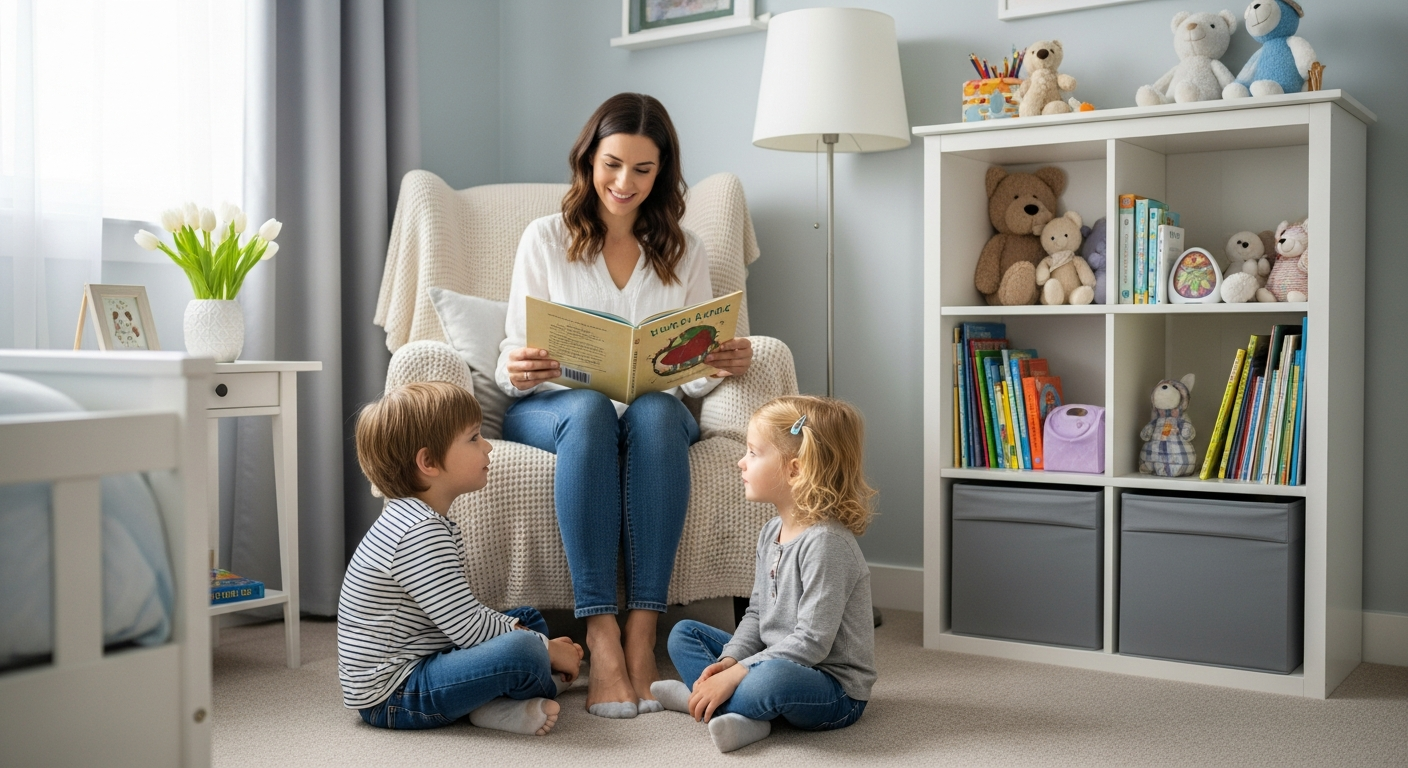
Reading a story is a great way to bond with your baby and promote language development. Choose a book with simple illustrations and a soothing tone.
Singing a lullaby is another comforting way to end the bedtime routine. Your baby will find comfort in the sound of your voice, even if you don’t consider yourself a good singer.
Keep the lights dim during the bedtime routine to help stimulate the production of melatonin. Avoid using electronic devices, such as phones or tablets, as the blue light emitted from these devices can interfere with sleep.
Swaddling and Other Comforting Techniques
Swaddling is a technique that involves wrapping a baby snugly in a blanket. It can be incredibly effective for calming newborns and promoting better sleep.
Swaddling mimics the feeling of being held securely in the womb, which can help reduce the startle reflex and promote a sense of security. However, it is essential to swaddle correctly to avoid any potential risks.
- Ensure the swaddle is snug but not too tight
- Allow room for the baby’s hips and knees to move freely
- Discontinue swaddling once your baby shows signs of rolling over
- Consider using a swaddle blanket with a zipper or Velcro closure
- Always place the baby on their back to sleep
Rocking is another comforting technique that can help soothe a baby to sleep. The gentle motion can be very calming and can help lull your baby into a peaceful slumber.
You can rock your baby in your arms, in a rocking chair, or in a baby swing. Experiment to see what works best for your baby.
Shushing is a simple but effective technique that can help calm a fussy baby. The “shh” sound mimics the sounds your baby heard in the womb and can be very soothing.
You can shush your baby while holding them, rocking them, or simply standing near their crib. Experiment with different volumes and rhythms to see what works best.
Pacifiers can be a great tool for soothing babies and promoting sleep. Sucking on a pacifier can help satisfy your baby’s natural sucking reflex and can be very calming.
However, it’s important to wait until breastfeeding is well established before introducing a pacifier. Pacifiers should also be cleaned regularly to prevent the spread of germs.
Babywearing can also be a comforting technique for some babies. Wearing your baby in a sling or carrier can provide a sense of security and closeness, which can help them relax and fall asleep.
However, it’s important to ensure that your baby is positioned safely in the carrier and that their airway is not obstructed.
Addressing Nighttime Feedings and Wake-Ups
Nighttime feedings are a normal part of infant care, especially in the early months. Newborns have small stomachs and need to feed frequently, including during the night.
As babies grow, they may gradually decrease their need for nighttime feedings. However, it is important to continue to respond to your baby’s hunger cues and provide feedings when needed.
When your baby wakes up during the night, try to keep the environment as calm and dark as possible. Avoid turning on bright lights or engaging in stimulating activities, as this can make it harder for your baby to fall back asleep.
If your baby is not hungry, try other soothing techniques, such as gentle rocking, shushing, or offering a pacifier. Sometimes, babies wake up simply seeking comfort and reassurance, and these techniques can help them settle back to sleep without needing a feeding.
Try to differentiate between hunger cues and other reasons for waking. If your baby has recently been fed, they may be waking for other reasons, such as discomfort or a need for comfort.
Consider offering a pacifier or trying other soothing techniques before offering a feeding. This can help prevent overfeeding and promote better sleep.
If you are breastfeeding, try to avoid falling asleep while feeding your baby. This can increase the risk of SIDS.
If you are bottle-feeding, hold your baby in a semi-upright position to prevent choking. Avoid propping the bottle up, as this can also increase the risk of choking.
As your baby grows, you can gradually reduce the number of nighttime feedings. This can be done by slowly increasing the intervals between feedings or by offering a smaller amount of milk at each feeding.
It’s important to be patient and gradual when reducing nighttime feedings. Avoid abruptly stopping feedings, as this can be stressful for your baby.
Seeking Professional Advice
While many sleep challenges can be addressed with simple strategies, some situations may require professional help. If you are concerned about your baby’s sleep or have tried various techniques without success, consider seeking advice from a pediatrician or a certified sleep consultant.
A healthcare professional can help identify any underlying medical issues that may be affecting your baby’s sleep, such as reflux or allergies. They can also provide personalized recommendations based on your baby’s individual needs and circumstances.
A sleep consultant can offer guidance on sleep training techniques, such as the Ferber method or the gentle sleep training approach. They can also help you develop a customized sleep plan that aligns with your parenting style and goals.
Remember, seeking professional advice is not a sign of failure but rather a proactive step towards ensuring your baby’s well-being. With the right support and guidance, you can overcome sleep challenges and help your baby develop healthy sleep habits.
A pediatrician can rule out any medical reasons for sleep disturbances, such as ear infections or sleep apnea. They can also provide guidance on managing reflux or allergies that may be affecting your baby’s sleep.
A sleep consultant can assess your baby’s sleep patterns and habits and identify any areas that need improvement. They can also help you develop a sleep training plan that is tailored to your baby’s individual needs and temperament.
Sleep training involves teaching your baby to fall asleep independently and to sleep through the night without needing your help. There are many different sleep training methods, and a sleep consultant can help you choose the one that is right for you and your baby.
It’s important to remember that sleep training is not for everyone. Some parents prefer to co-sleep with their babies or to use other methods of soothing them to sleep. There is no right or wrong way to do things, and it’s important to choose the approach that feels best for you and your family.
If you are considering sleep training, it’s important to do your research and to consult with a healthcare professional or a sleep consultant. They can help you understand the risks and benefits of sleep training and can provide guidance on how to do it safely and effectively.
Don’t hesitate to seek help if you are struggling with your baby’s sleep. There are many resources available to help you, and with the right support, you can overcome sleep challenges and help your baby develop healthy sleep habits.
The Importance of Parental Self-Care
Taking care of a baby can be physically and emotionally demanding, especially when sleep deprivation is involved. It is important for parents to prioritize self-care to maintain their own well-being and energy levels.
Make sure you are getting enough rest, eating nutritious meals, and engaging in activities that you enjoy. Even small moments of self-care can make a big difference in your overall mood and ability to cope with the challenges of parenthood.
Consider taking turns with your partner for nighttime feedings and wake-ups to allow each other to get some uninterrupted sleep. If you are a single parent, reach out to family members or friends for support and assistance.
Remember, you cannot pour from an empty cup. By taking care of yourself, you will be better equipped to care for your baby and create a positive and nurturing environment for their development.
Prioritize sleep whenever possible. Take naps when your baby naps, even if it’s just for 20-30 minutes. Every little bit of sleep can help you feel more rested and energized.
Eat healthy meals and snacks. Avoid processed foods and sugary drinks, as these can lead to energy crashes. Focus on eating whole, unprocessed foods that are rich in nutrients.
Engage in activities that you enjoy. Make time for hobbies, exercise, or spending time with friends. These activities can help you de-stress and recharge.
Don’t be afraid to ask for help. Reach out to family members, friends, or a support group for assistance. It’s important to have a strong support system to help you cope with the challenges of parenthood.
Be kind to yourself. Parenthood is a challenging journey, and it’s important to be patient and understanding with yourself. Don’t expect perfection, and celebrate your successes along the way.
Remember that taking care of yourself is not selfish. It’s essential for your well-being and for the well-being of your baby. By prioritizing self-care, you will be a better parent and will be able to provide a more positive and nurturing environment for your child.
Conclusion
Establishing a gentle bedtime routine for babies is a journey that requires patience, consistency, and understanding. By recognizing your baby’s sleep cues, creating a calming environment, and implementing comforting techniques like swaddling and white noise, you can help your little one drift off to peaceful sleep.
Remember that every baby is different, and what works for one may not work for another. Be flexible and willing to adjust your approach as your baby grows and their needs change, and you’ll be sure to find the perfect bedtime routine for babies.