

Bedtime routines are important for children of all ages. A consistent story time routine for kids can be a magical way to wind down, bond with your child, and foster a lifelong love of reading.
Establishing a regular story time is more than just reading a book; it’s about creating a positive association with books and reading. This, in turn, can significantly contribute to their cognitive and emotional development.
In this article, we’ll explore how to create a captivating story time routine for kids. We will cover everything from choosing the right books to making the experience interactive and fun.
The Benefits of Reading Aloud to Children
Reading aloud to children offers a multitude of benefits that extend far beyond entertainment. It is an investment in their future academic success and overall well-being.
One of the most significant advantages is the development of language skills. Children exposed to a rich vocabulary through reading aloud tend to have larger vocabularies themselves.
Reading aloud also enhances listening skills. As children listen to stories, they learn to focus their attention and follow narratives.
Furthermore, it sparks their imagination and creativity. Books introduce children to new worlds, characters, and ideas, encouraging them to think outside the box.
Reading aloud provides an opportunity for bonding and connection. Snuggling up with a book creates a sense of closeness and security.
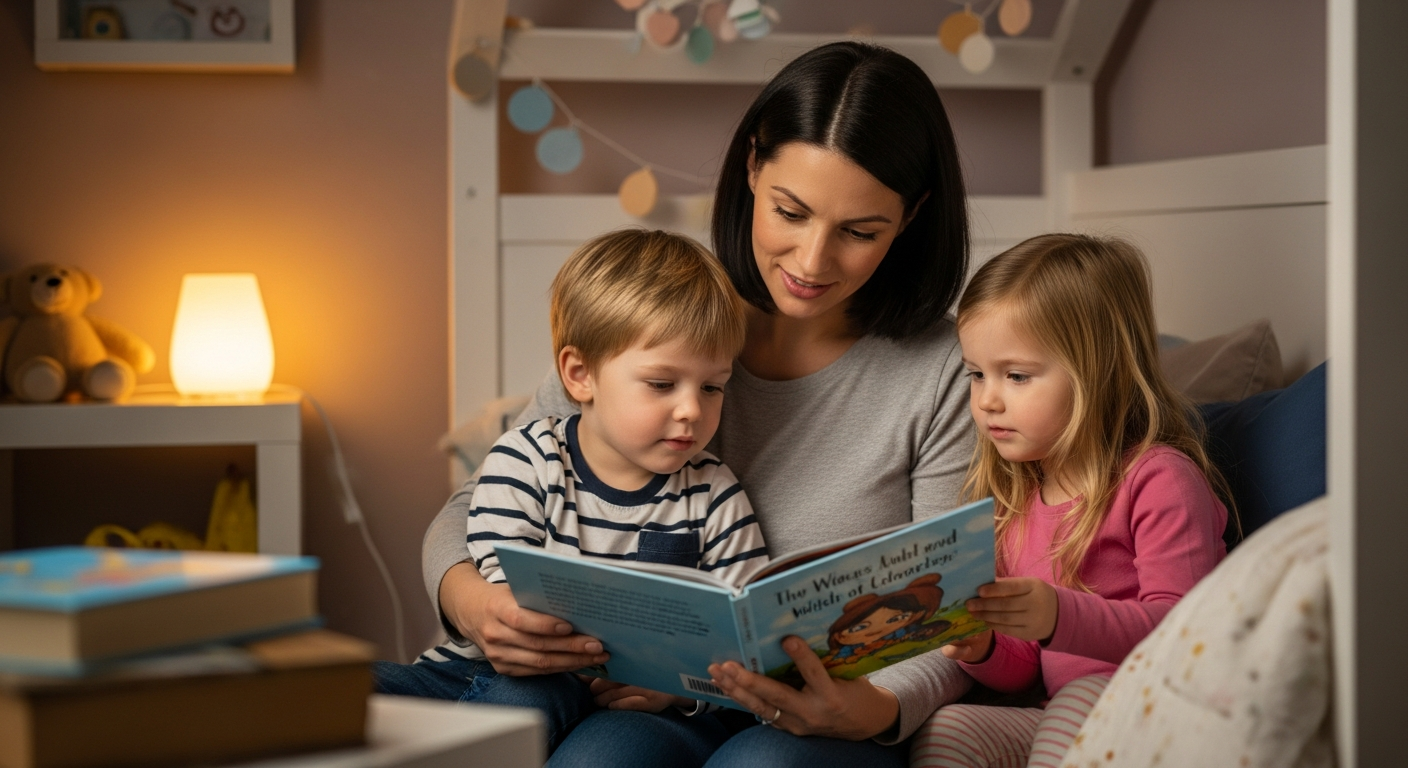
This shared experience can strengthen the parent-child relationship. It also creates positive memories associated with reading.
Beyond vocabulary and listening skills, reading aloud exposes children to different writing styles and sentence structures. This exposure helps them develop a better understanding of grammar and language conventions.
It also helps children develop critical thinking skills. They learn to analyze characters’ motivations, understand plot developments, and make inferences based on the text.
Reading aloud can also be a powerful tool for teaching empathy and understanding. Stories often explore complex emotions and social situations, allowing children to develop a better understanding of others’ perspectives.
Moreover, reading aloud can help children cope with difficult emotions or experiences. Books can provide a safe space to explore challenging topics and learn valuable coping strategies.
The benefits extend to parents as well. Reading aloud provides a chance to slow down, connect with your child, and enjoy quality time together.
It’s a chance to relive your own childhood favorites and discover new stories together. This shared experience can be incredibly rewarding for both parent and child.
Finally, reading aloud helps to build a foundation for lifelong learning. By instilling a love of reading early on, you’re setting your child up for success in school and beyond.
A child who enjoys reading is more likely to be a curious, engaged, and lifelong learner. This love of learning will benefit them throughout their lives.
Choosing Age-Appropriate and Engaging Books
Selecting books that are both age-appropriate and engaging is essential for a successful story time routine for kids. Consider your child’s developmental stage and interests.
For infants and toddlers, board books with simple, colorful illustrations and large, easy-to-grasp pages are ideal. Look for books with repetitive text, familiar objects, and interactive elements like lift-the-flaps or textures.
Preschoolers often enjoy picture books with more complex narratives and relatable characters. Books that explore emotions, teach valuable lessons, or introduce new concepts are great choices.
Early elementary-aged children may be ready for chapter books with engaging plots and relatable themes. Consider books that foster empathy, encourage problem-solving, or introduce historical events.
Don’t be afraid to revisit favorite books, even if your child has outgrown them. Familiar stories can provide comfort and a sense of security.
Also, explore different genres and authors to broaden your child’s literary horizons. This can help them discover new interests and expand their knowledge.
When choosing books for infants and toddlers, consider books with high-contrast images. These are visually stimulating for young babies and help with visual development.
Books with rhyming text or songs are also great for this age group. They help to develop phonological awareness, which is an important skill for learning to read.
For preschoolers, look for books that encourage imaginative play. Stories about animals, magical creatures, or everyday adventures can spark their creativity.
Books that address common childhood fears or anxieties can also be helpful. These books can provide a safe space to explore these emotions and learn coping strategies.
As children enter elementary school, they may be interested in books that reflect their own experiences. Stories about school, friendships, and family can be very relatable.
Non-fiction books can also be a great choice for this age group. They can learn about science, history, or other topics that interest them.
It’s important to consider your child’s individual reading level when choosing books. Choose books that are challenging enough to be engaging, but not so difficult that they become frustrating.
Don’t be afraid to ask your librarian or bookseller for recommendations. They can help you find books that are perfect for your child’s age and interests.
Creating a Cozy and Comfortable Reading Environment
Setting the stage for story time is as important as the books you choose. A cozy and comfortable reading environment can enhance the overall experience.
Choose a quiet and comfortable space where you and your child can relax without distractions. This could be a cozy corner in their bedroom, a comfy armchair in the living room, or even a blanket fort.
| Element | Description | Benefit |
|---|---|---|
| Lighting | Soft, warm lighting | Reduces eye strain, creates a calming atmosphere |
| Seating | Comfortable chairs, pillows, or blankets | Encourages relaxation and focus |
| Temperature | Moderate temperature | Prevents discomfort and distractions |
| Noise Level | Quiet and peaceful environment | Minimizes interruptions, promotes concentration |
Consider incorporating elements that appeal to your child’s senses, such as soft blankets, pillows, or stuffed animals. These can add to the feeling of comfort and security.
Minimize distractions by turning off electronic devices and putting away toys. This will help your child focus on the story and engage more fully.
Consider using a small, portable lamp with a dimmer switch to create the perfect lighting. You can adjust the brightness to create a relaxing and inviting atmosphere.
If you’re reading in a shared space, consider using a room divider or screen to create a sense of privacy. This can help to minimize distractions and create a more intimate reading experience.
Adding a small rug or carpet can also help to define the reading space and make it feel more cozy. Choose a rug with a soft texture that is comfortable to sit or lie on.
Consider incorporating natural elements into the reading environment, such as plants or flowers. These can add a touch of freshness and tranquility to the space.
You can also create a themed reading nook based on your child’s favorite books or characters. This can make story time even more exciting and engaging.
Remember to keep the reading space clean and organized. A cluttered environment can be distracting and make it difficult to relax.
Make sure the temperature in the reading space is comfortable. Avoid extreme temperatures that can make it difficult to focus.
Finally, create a consistent routine for story time. This will help your child associate the reading space with positive experiences and make them more likely to look forward to story time.
Making Story Time Interactive and Fun
Transforming story time into an interactive and fun experience will keep your child engaged and excited about reading. There are many ways to make story time more than just passively listening to a story.
Use different voices and sound effects to bring the characters and events to life. Vary your tone and volume to match the mood of the story.
Ask open-ended questions throughout the story to encourage your child to think critically and make predictions. “What do you think will happen next?” or “How do you think the character is feeling?”
Incorporate actions and movements to make the story more physical and engaging. Act out parts of the story or encourage your child to mimic the characters’ actions.
Use props or puppets to bring the story to life visually. These can help your child visualize the characters and events more vividly.
Pause occasionally to discuss the illustrations and point out details. This can help your child develop visual literacy skills and appreciate the artwork.
Encourage your child to participate in the storytelling process. Let them make up their own endings or add their own details to the story.
Create a “story box” filled with objects related to the story. Let your child explore the objects and use them to retell the story in their own words.
Sing songs or rhymes related to the story. This can help to reinforce the themes and vocabulary of the story.
Play games related to the story, such as “I Spy” or “Simon Says.” This can help to make story time more interactive and engaging.
Use technology to enhance story time. There are many interactive storybook apps and websites that can make reading even more fun.
However, be mindful of screen time and make sure to balance technology with traditional reading methods.
Remember to be flexible and adapt your approach based on your child’s interests and needs. The most important thing is to make story time a positive and enjoyable experience.
Don’t be afraid to get silly and have fun! Your enthusiasm will be contagious and will help to foster a love of reading in your child.
Encouraging a Love of Reading
Fostering a love of reading is a gift that will last a lifetime. There are several strategies you can use to cultivate this passion in your child.
Make reading a regular part of your family’s routine, not just at bedtime. Visit the library together, read aloud during meals, or encourage independent reading during quiet time.
- Lead by example: Let your child see you reading
- Offer a variety of books: Explore different genres and authors
- Create a reading-rich environment: Fill your home with books
- Make reading fun and enjoyable: Avoid pressure or forced reading
- Celebrate reading milestones: Acknowledge and reward progress
Allow your child to choose their own books, even if they don’t align with your preferences. Giving them agency in their reading choices will make them more invested in the process.
Create a comfortable and inviting reading space where your child can relax and enjoy their books. This could be a cozy reading nook, a comfortable armchair, or even a blanket fort.
Talk about books with your child. Ask them about their favorite characters, plots, and themes. This will help them to develop their critical thinking skills and deepen their appreciation for literature.
Join a book club or reading group. This can provide your child with a sense of community and encourage them to read more regularly.
Attend author events or book signings. This can be a great way for your child to meet their favorite authors and learn more about the writing process.
Make reading a social activity. Read with friends, family members, or even pets. This can make reading more fun and engaging.
Use rewards and incentives to encourage reading. Offer small prizes or treats for reaching reading goals.
However, be careful not to overdo it, as this can make reading feel like a chore.
Remember that every child learns at their own pace. Be patient and supportive, and celebrate your child’s progress along the way.
The most important thing is to create a positive and supportive environment where your child feels encouraged to explore the world of books.
Extending the Story Beyond the Book
The story doesn’t have to end when you close the book. Extend the story beyond the pages to further engage your child’s imagination and creativity.
Discuss the story with your child and ask them questions about their favorite characters, events, or themes. Encourage them to share their own interpretations and opinions.
Engage in creative activities related to the story, such as drawing, painting, or writing. Have your child create their own illustrations, write a sequel, or design a new character.
Act out scenes from the story or create a puppet show. This can help your child develop their dramatic skills and further immerse themselves in the narrative.
Connect the story to real-life experiences or current events. Discuss how the themes and lessons in the story relate to your child’s own life or to the world around them.
Visit places or events that are related to the story, such as a museum, a park, or a historical site. This can bring the story to life in a tangible way and create lasting memories.
Bake or cook something that is mentioned in the story. This can be a fun and delicious way to connect with the story and learn about different cultures or cuisines.
Create a diorama or model of a scene from the story. This can help your child to visualize the story and develop their spatial reasoning skills.
Write a letter to the author of the book. This can be a great way for your child to express their appreciation for the story and ask questions about the writing process.
Research the historical or cultural context of the story. This can help your child to understand the story in a deeper and more meaningful way.
Create a soundtrack for the story. Choose songs that capture the mood and themes of the story.
Design a book cover for the story. This can help your child to develop their artistic skills and think about the visual aspects of storytelling.
The possibilities are endless! Be creative and let your child’s imagination guide you.
Extending the story beyond the book can help to make reading a more enriching and meaningful experience for your child.
Conclusion
Creating a magical story time routine for kids is a rewarding experience that will benefit both you and your child. By choosing age-appropriate books, creating a cozy environment, and making story time interactive, you can foster a love of reading that will last a lifetime.
Remember that the goal is to make reading enjoyable and engaging, not a chore. Be patient, flexible, and most importantly, have fun!
The memories created during story time will be cherished for years to come. These moments of connection and shared imagination are invaluable.
So, grab a book, snuggle up with your child, and embark on a literary adventure together. The world of stories awaits!
By prioritizing story time, you are investing in your child’s future and nurturing their love for learning. This is one of the greatest gifts you can give.
Remember to adapt your approach as your child grows and their interests evolve. Keep exploring new books and finding new ways to make story time magical.