Do you toss and turn for hours, watching the clock tick by? Many people struggle to fall asleep faster, but it’s a common problem with effective solutions. Understanding why you’re experiencing sleep onset latency, the time it takes to fall asleep, is the first step toward improving your sleep.
Several factors can contribute to this, including stress, poor sleep habits, and an unsuitable sleep environment. Fortunately, implementing simple strategies and lifestyle adjustments can significantly reduce this time.
This article will explore proven techniques and sleep hacks to help you fall asleep faster and enjoy a more restful night. By optimizing your sleep environment, practicing relaxation techniques, and establishing a consistent sleep schedule, you can improve your sleep and overall well-being.
Optimize Your Sleep Environment
Your bedroom should be a sanctuary dedicated to rest and relaxation. Creating a comfortable and conducive sleep environment is essential for reducing sleep onset latency.
Start by ensuring your room is dark, quiet, and cool. Darkness signals your brain to produce melatonin, a hormone that promotes sleep, so use blackout curtains or an eye mask to block out light.
Minimize noise by using earplugs, a white noise machine, or a fan to create a soothing background sound. A cooler temperature, ideally between 60 and 67 degrees Fahrenheit, can also help you fall asleep faster.
Invest in a comfortable mattress, pillows, and bedding that support proper spinal alignment and reduce pressure points. Consider using a weighted blanket, as it can promote relaxation and reduce anxiety.
Think about the colors in your bedroom. Calming colors like blues, greens, and grays can promote relaxation, while bright, stimulating colors should be avoided.

Also, consider the air quality in your bedroom. Use an air purifier to remove allergens and pollutants, creating a healthier sleep environment.
Make sure your bedroom is free from clutter. A tidy and organized space can help reduce stress and promote a sense of calm.
Consider adding plants to your bedroom. Certain plants, like lavender and snake plants, can purify the air and promote relaxation, but be mindful of allergies.
Practice Relaxation Techniques
Stress and anxiety are major culprits behind difficulty falling asleep. Incorporating relaxation techniques into your bedtime routine can calm your mind and prepare your body for sleep.
Deep breathing exercises, such as diaphragmatic breathing, can slow your heart rate and reduce tension. Meditation and mindfulness practices can help you focus on the present moment and quiet racing thoughts.
Progressive muscle relaxation involves tensing and releasing different muscle groups to relieve physical tension. Gentle stretching or yoga can also promote relaxation and improve sleep quality.
Experiment with different techniques to find what works best for you. The goal is to create a sense of calm and relaxation before bed, making it easier to fall asleep faster.
Consider guided meditation apps or recordings. These can provide structured relaxation exercises and help you focus your attention.
Journaling can also be a helpful relaxation technique. Writing down your thoughts and feelings before bed can help you process emotions and reduce anxiety.
Listening to calming music or nature sounds can also promote relaxation. Choose music that is slow and soothing, with a consistent rhythm.
Aromatherapy can also be used to promote relaxation. Essential oils like lavender, chamomile, and sandalwood can have calming effects.
Visualizations can also be a powerful relaxation technique. Imagine yourself in a peaceful and relaxing environment, focusing on the details of the scene.
Establish a Consistent Sleep Schedule
Your body has a natural sleep-wake cycle called the circadian rhythm. Disrupting this rhythm can lead to difficulty falling asleep and staying asleep.
Going to bed and waking up at the same time every day, even on weekends, helps regulate your circadian rhythm. This consistency signals your body when it’s time to sleep and wake up, making it easier to fall asleep faster.
| Habit | Weekday | Weekend |
|---|---|---|
| Bedtime | 10:00 PM | 10:00 PM |
| Wake-up Time | 6:00 AM | 6:00 AM |
| Pre-Sleep Routine | 30 minutes | 30 minutes |
| Screen Time Before Bed | None | None |
Avoid napping during the day, especially in the late afternoon or evening, as it can interfere with your nighttime sleep. If you must nap, limit it to 20-30 minutes and do it earlier in the day.
Try to expose yourself to natural light during the day, especially in the morning. This helps regulate your circadian rhythm and promotes wakefulness.
If you work shifts or have a variable sleep schedule, try to maintain as much consistency as possible. Use blackout curtains and earplugs to create a dark and quiet sleep environment, regardless of the time of day.
Consider using a sleep tracking app or device to monitor your sleep patterns. This can help you identify any inconsistencies in your sleep schedule and make adjustments as needed.
Be patient with yourself as you establish a consistent sleep schedule. It may take several weeks for your body to adjust to the new routine.
Avoid Stimulants Before Bed
Stimulants like caffeine and nicotine can interfere with your ability to fall asleep faster. Caffeine is a well-known stimulant that can stay in your system for several hours, disrupting your sleep.
Avoid consuming caffeine in the afternoon or evening, and be mindful of hidden sources like chocolate and some teas. Nicotine also has stimulant effects and can disrupt sleep, so avoid smoking or using nicotine products close to bedtime.
Alcohol, while initially inducing drowsiness, can disrupt sleep later in the night and lead to fragmented sleep. Limit alcohol consumption, especially close to bedtime, and avoid relying on it as a sleep aid.
Instead, opt for caffeine-free herbal teas like chamomile or valerian root, which have calming properties and can promote relaxation. These teas can be a soothing addition to your bedtime routine, helping you unwind and prepare for sleep.
Be aware that some medications can also have stimulant effects. Talk to your doctor or pharmacist about any medications you’re taking and whether they could be interfering with your sleep.
Energy drinks are often loaded with caffeine and other stimulants. Avoid consuming these drinks, especially in the afternoon or evening.
Consider the timing of your meals. Eating a large meal close to bedtime can also interfere with sleep.
Opt for a light snack if you’re hungry before bed. A small bowl of yogurt or a handful of nuts can be a good choice.
Use the 4-7-8 Breathing Technique
The 4-7-8 breathing technique is a simple yet powerful relaxation method that can help you fall asleep faster. This technique involves inhaling for four seconds, holding your breath for seven seconds, and exhaling for eight seconds.
This breathing pattern helps slow your heart rate, reduce anxiety, and promote a sense of calm. To perform the 4-7-8 technique, start by placing the tip of your tongue against the ridge of tissue behind your upper front teeth, and exhale completely through your mouth, making a whooshing sound.
Close your mouth and inhale quietly through your nose for a count of four. Hold your breath for a count of seven, and then exhale completely through your mouth for a count of eight, making a whooshing sound.
Repeat this cycle at least four times before drifting off to sleep. You can practice this technique anywhere, anytime you need to relax and reduce stress, making it a valuable tool for improving sleep onset latency.
It’s important to maintain good posture while practicing the 4-7-8 breathing technique. This will help ensure that you’re breathing deeply and effectively.
If you find it difficult to hold your breath for seven seconds, start with a shorter hold and gradually increase the duration as you become more comfortable. The key is to focus on slow, controlled breathing.
Practice the 4-7-8 breathing technique regularly, even when you’re not trying to fall asleep. This will help you become more proficient at the technique and make it more effective when you need it most.
Combine the 4-7-8 breathing technique with other relaxation techniques, such as progressive muscle relaxation or guided meditation, for even greater benefits.
Try Progressive Muscle Relaxation
Progressive muscle relaxation (PMR) is a technique that involves tensing and releasing different muscle groups in your body. This practice helps reduce physical tension and promote relaxation, making it easier to fall asleep faster.
To perform PMR, lie down in a comfortable position and start with your toes. Tense the muscles in your toes for 5-10 seconds, then release and notice the feeling of relaxation.
- Calves
- Thighs
- Buttocks
- Abdomen
- Arms and hands
- Shoulders
- Face
Continue this process, working your way up your body, tensing and releasing each muscle group. By focusing on the sensation of relaxation, you can reduce overall tension and improve your ability to fall asleep faster.
It’s important to tense the muscles gently, without straining. The goal is to create a noticeable difference between the tension and relaxation phases.
Focus on your breathing throughout the PMR exercise. Inhale deeply as you tense each muscle group, and exhale slowly as you release.
If you experience any pain or discomfort, stop the exercise and consult with a healthcare professional. PMR is generally safe, but it’s important to listen to your body.
Practice PMR regularly, even when you’re not trying to fall asleep. This will help you become more aware of tension in your body and make it easier to relax on demand.
Limit Screen Time Before Bed
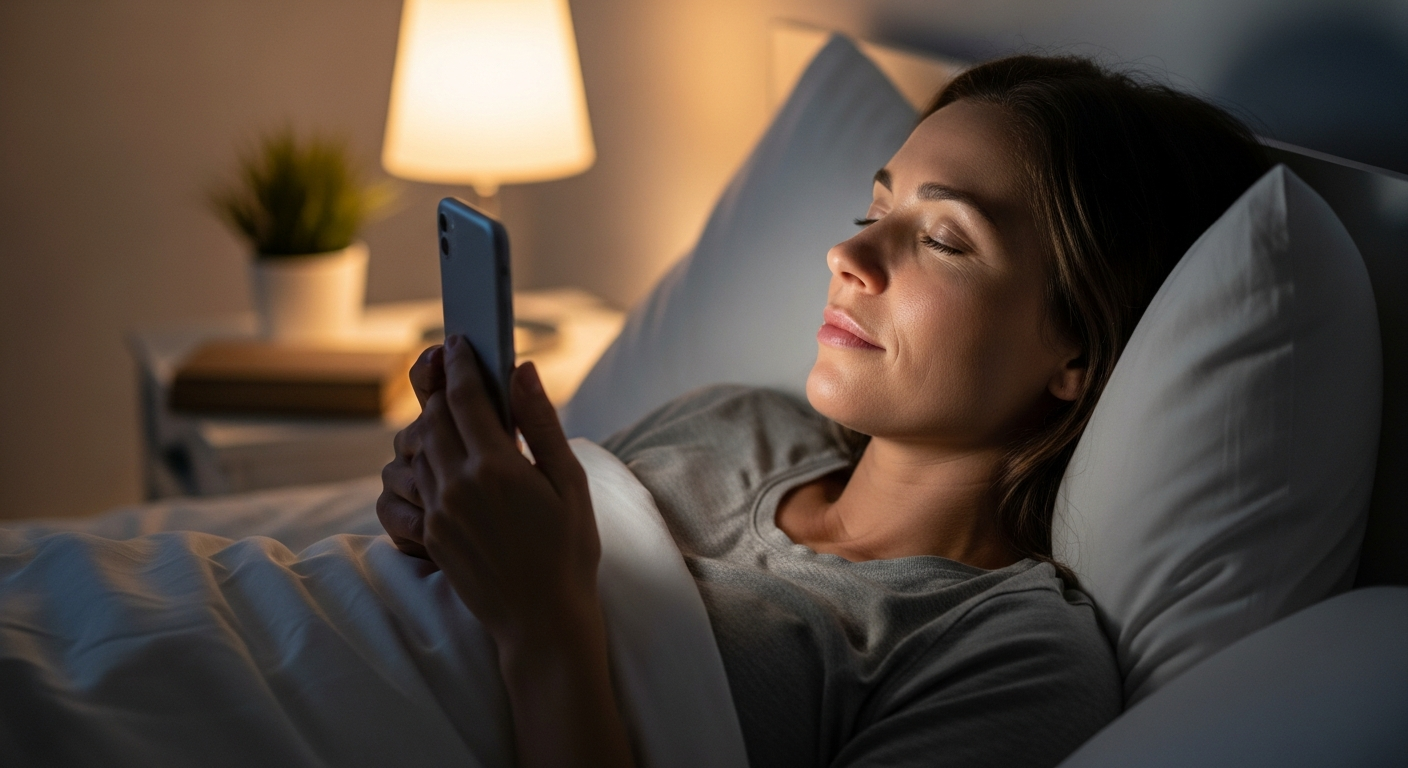
The blue light emitted from electronic devices like smartphones, tablets, and computers can interfere with sleep. Blue light suppresses the production of melatonin, making it harder to fall asleep faster.
Aim to avoid screen time for at least one to two hours before bed. If you must use electronic devices, consider using blue light filters or apps that reduce blue light emissions.
Instead of scrolling through social media or watching TV, engage in relaxing activities like reading a book, listening to calming music, or taking a warm bath. These activities can help you unwind and prepare for sleep without the sleep-disrupting effects of blue light.
Creating a screen-free zone in your bedroom can also help you associate your bedroom with sleep. This can further improve your ability to fall asleep faster and enjoy a more restful night.
Consider using an alarm clock instead of your smartphone to wake you up. This will help you avoid the temptation to check your phone before bed and first thing in the morning.
If you use your phone as a sleep tracker, try to find a device that doesn’t emit blue light or use it in airplane mode to minimize exposure.
Communicate with your family or roommates about your need to limit screen time before bed. This will help create a supportive environment for healthy sleep habits.
Experiment with different strategies to reduce screen time before bed and find what works best for you. The key is to create a relaxing and screen-free environment that promotes sleep.
Consider a Warm Bath or Shower
Taking a warm bath or shower before bed can help you relax and fall asleep faster. The warm water raises your body temperature, and when you get out, the subsequent cooling down signals your body that it’s time to sleep.
Add Epsom salts or essential oils like lavender to your bath for added relaxation benefits. Make sure the water isn’t too hot, as that can be stimulating rather than relaxing.
A warm bath or shower can also help reduce muscle tension and promote a sense of calm. This can be especially beneficial if you’ve had a stressful day or are experiencing physical discomfort.
Make a warm bath or shower part of your regular bedtime routine. This can help you wind down and prepare for a restful night’s sleep, improving your sleep onset latency.
Consider adding some candles to your bathroom to create a relaxing ambiance. The soft light can help you unwind and prepare for sleep.
Play some calming music while you’re taking your bath or shower. This can further enhance the relaxation benefits.
After your bath or shower, apply a moisturizer to your skin. This can help keep your skin hydrated and prevent dryness.
Dry yourself off gently after your bath or shower. Avoid rubbing your skin too vigorously, as this can be stimulating.
Create a Bedtime Routine
A consistent bedtime routine signals to your body that it’s time to sleep. This routine should include relaxing activities that help you unwind and prepare for bed.
This could include reading a book, listening to calming music, practicing relaxation techniques, or taking a warm bath. Avoid stimulating activities like watching TV, using electronic devices, or engaging in stressful conversations.
Make sure your bedtime routine is consistent and enjoyable. This will help you look forward to bedtime and make it easier to fall asleep faster.
A consistent bedtime routine can also help improve your overall sleep quality. By creating a predictable and relaxing environment, you can signal your body to release sleep-promoting hormones and reduce sleep onset latency.
Choose activities that you find genuinely relaxing and enjoyable. This will make it easier to stick to your bedtime routine over time.
Try to perform your bedtime routine in the same order each night. This will help reinforce the association between the routine and sleep.
Be flexible with your bedtime routine if needed. Life can be unpredictable, and it’s important to be able to adapt your routine to accommodate unexpected events.
Don’t be afraid to experiment with different activities to find what works best for you. The key is to create a routine that is both relaxing and sustainable.
Address Underlying Issues
Sometimes, difficulty falling asleep can be a symptom of an underlying medical or psychological issue. If you’ve tried various techniques and are still struggling to fall asleep faster, consider seeking professional help.
Conditions like insomnia, sleep apnea, anxiety, and depression can all contribute to sleep problems. A healthcare provider can help diagnose and treat these conditions, improving your sleep and overall well-being.
Cognitive behavioral therapy for insomnia (CBT-I) is a type of therapy that can help you change negative thoughts and behaviors that interfere with sleep. This therapy can be effective in treating chronic insomnia and improving sleep onset latency.
Don’t hesitate to reach out for help if you’re struggling with sleep. Addressing underlying issues can significantly improve your sleep and quality of life, helping you fall asleep faster and stay asleep throughout the night.
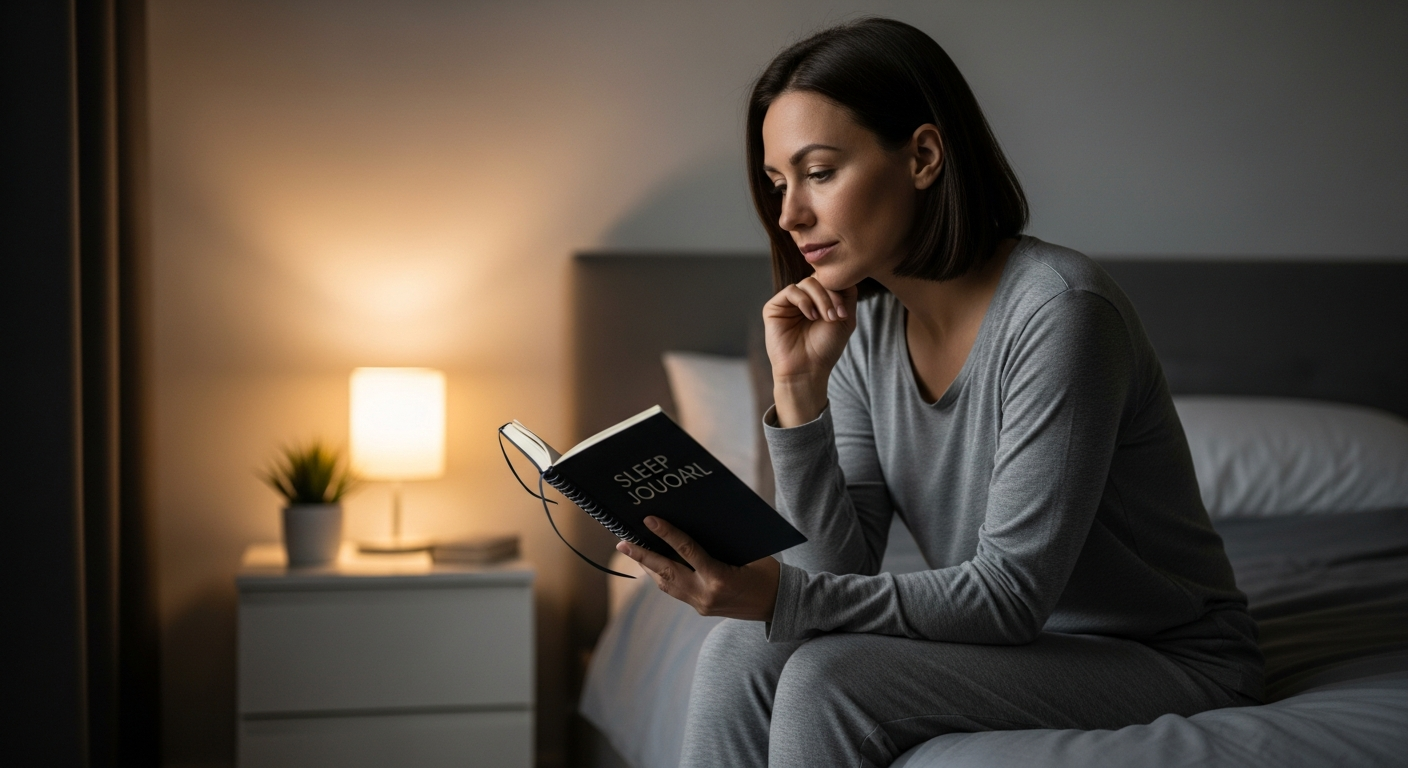
Keep a sleep diary to track your sleep patterns and identify any potential triggers for your sleep problems. This information can be helpful for your healthcare provider.
Be open and honest with your healthcare provider about your sleep problems. This will help them provide you with the most appropriate treatment.
Be patient with the treatment process. It may take some time to find the right solution for your sleep problems.
Remember that you’re not alone in your struggle with sleep. Many people experience sleep problems at some point in their lives, and there are effective treatments available.
Conclusion
Falling asleep faster is achievable with the right strategies and lifestyle adjustments. By optimizing your sleep environment, practicing relaxation techniques, and establishing a consistent sleep schedule, you can reduce sleep onset latency and improve your sleep.
Avoid stimulants before bed, limit screen time, and consider a warm bath or shower to promote relaxation. If you continue to struggle with falling asleep, don’t hesitate to seek professional help to address any underlying issues.