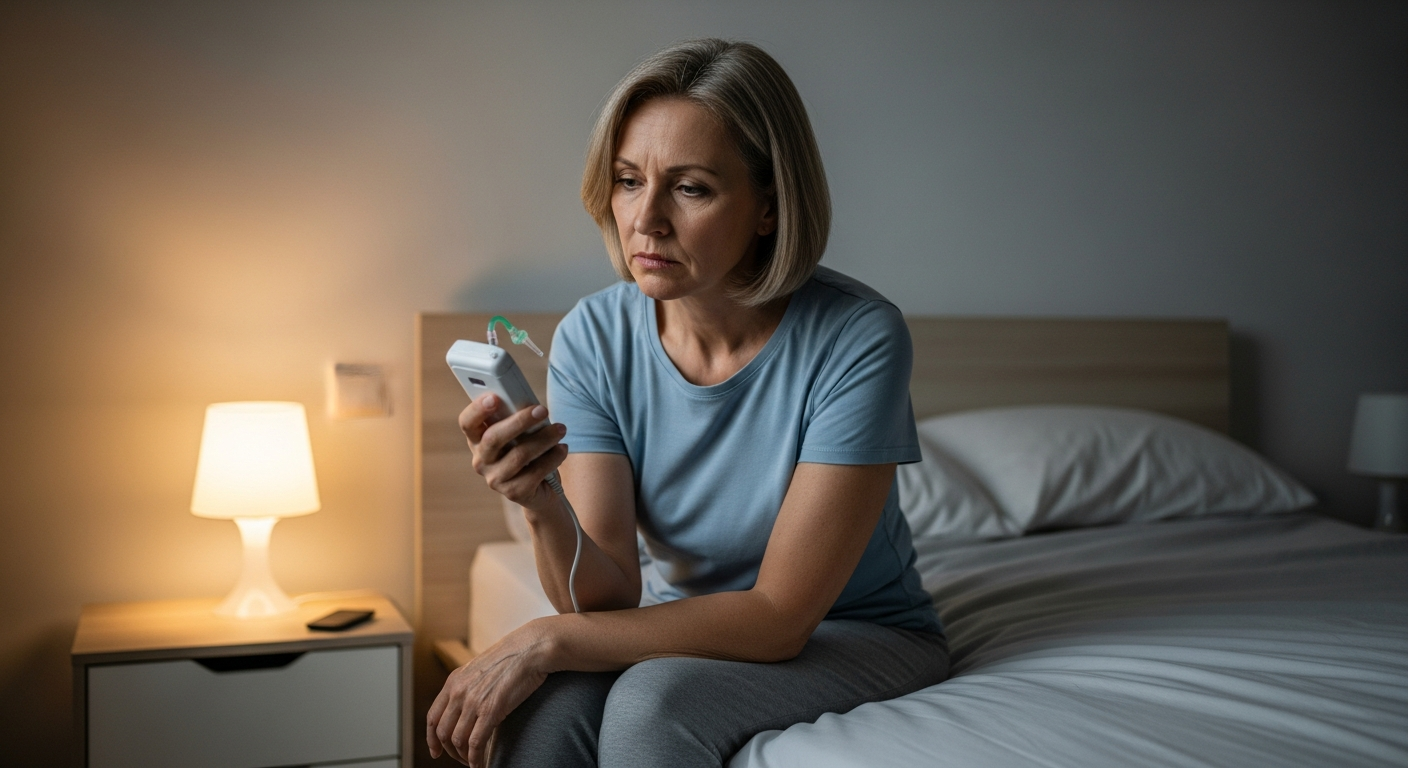
Sleep is a fundamental pillar of health, especially for children. However, disturbances like sleep apnea can significantly impact their well-being. Recognizing the sleep apnea signs early is essential for timely intervention and improved quality of life.
This article will guide you through the common signs and symptoms of sleep apnea. We will also discuss the different types of sleep apnea, risk factors, and when to seek medical advice.
Furthermore, we’ll provide practical tips on improving sleep quality to help you create a healthier sleep environment. Understanding sleep apnea is the first step toward ensuring restful nights and brighter days for your loved ones.
What is Sleep Apnea?
Sleep apnea is a common sleep disorder characterized by pauses in breathing or shallow breaths during sleep. These interruptions can occur multiple times per hour, disrupting sleep and reducing oxygen levels in the blood.
There are three main types of sleep apnea: obstructive, central, and mixed. Obstructive sleep apnea, or OSA, is the most prevalent form, especially in children.
OSA happens when the muscles in the back of the throat relax, causing a blockage of the airway. This obstruction leads to snoring and disrupted sleep patterns, impacting overall health.
Central sleep apnea, or CSA, is less common and involves the brain failing to send proper signals to the muscles that control breathing. Mixed sleep apnea is a combination of both obstructive and central types.
Regardless of the type, sleep apnea can have significant health consequences if left untreated. Early diagnosis and appropriate management are crucial for preventing long-term complications.
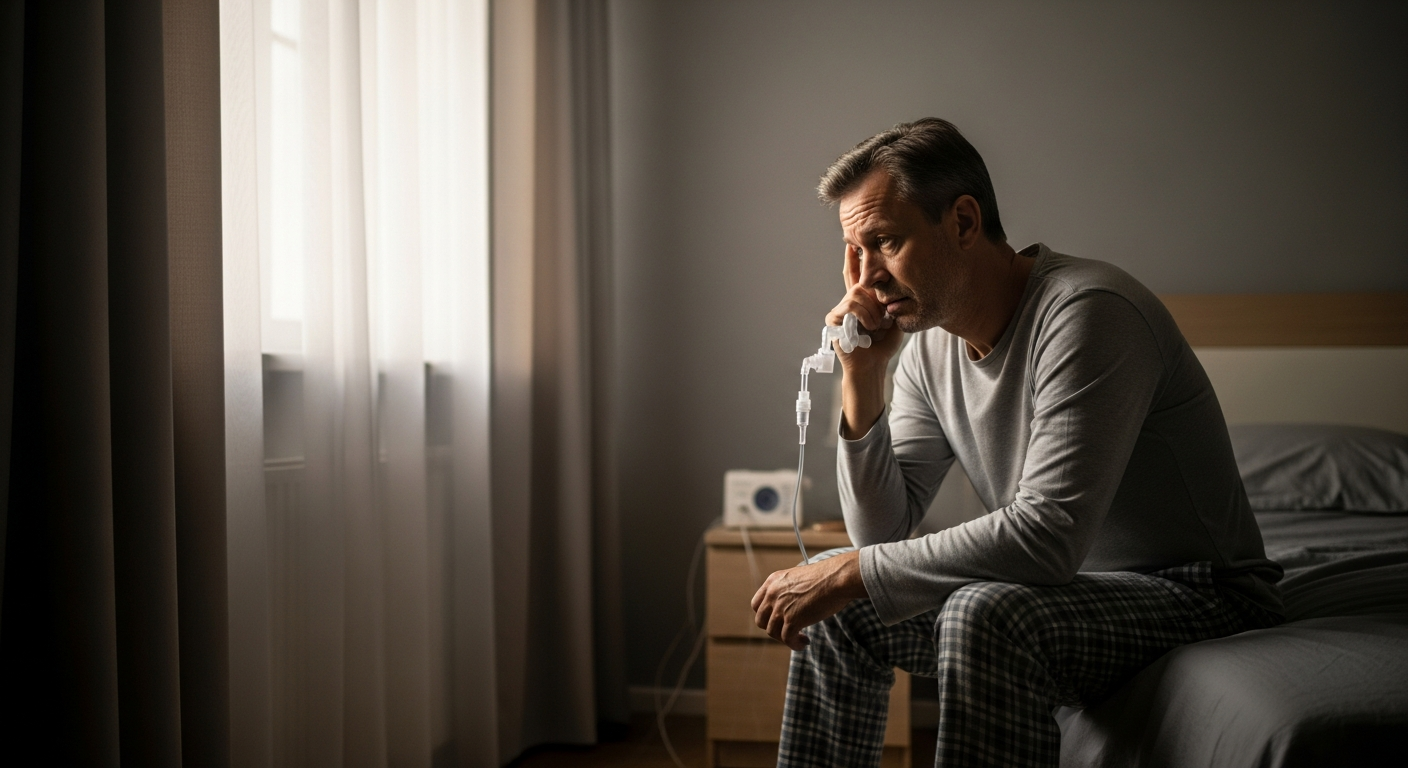
The severity of sleep apnea is measured by the Apnea-Hypopnea Index (AHI), which counts the number of breathing pauses or shallow breaths per hour of sleep. A higher AHI indicates more severe sleep apnea. Understanding the underlying mechanisms of each type is vital for effective treatment.
Untreated sleep apnea can lead to a range of health problems, including cardiovascular issues, high blood pressure, and an increased risk of stroke. It can also affect cognitive function, mood, and overall quality of life.
For children, sleep apnea can impact growth and development, learning, and behavior. Recognizing the signs and seeking timely intervention is crucial for minimizing these potential health risks.
Common Signs and Symptoms
Recognizing the signs and symptoms of sleep apnea is crucial for early detection and intervention. The symptoms can vary among individuals, but some are more common than others.
One of the most noticeable indicators is loud and chronic snoring, often accompanied by gasping or choking sounds during sleep. These sounds are a result of the obstructed airflow and the body’s struggle to breathe.
Daytime sleepiness is another frequent symptom, even after a full night’s sleep. This excessive drowsiness is due to the fragmented and poor-quality sleep caused by repeated breathing interruptions.
Other common signs include morning headaches, difficulty concentrating, and irritability. Children with sleep apnea may exhibit behavioral issues, such as hyperactivity or aggression, which can be mistaken for other conditions.
Nighttime sweating, frequent nighttime urination, and a dry mouth or sore throat upon waking are also potential indicators. Parents should also watch for restless sleep positions, like sleeping in a seated position to breathe easier.
If you observe several of these symptoms in yourself or your child, it’s important to consult a healthcare professional. They can conduct a thorough evaluation and recommend appropriate testing, such as a sleep study, to confirm the diagnosis.
Snoring, while a common symptom, is not always indicative of sleep apnea. However, when it is accompanied by other signs like pauses in breathing or daytime sleepiness, it becomes a significant concern. In children, mouth breathing during sleep can also be a subtle sign of potential airway obstruction.
The severity of daytime sleepiness can vary, ranging from mild fatigue to overwhelming drowsiness that interferes with daily activities. Individuals may find it difficult to stay awake during meetings, while driving, or even while watching television.
Behavioral issues in children with sleep apnea can manifest as inattention, impulsivity, and difficulty following instructions. These symptoms can often lead to misdiagnosis of attention-deficit/hyperactivity disorder (ADHD). Therefore, it’s crucial to consider sleep apnea as a potential underlying cause of these behaviors.
Types of Sleep Apnea
Sleep apnea manifests in different forms, each with its distinct underlying cause. Understanding these types is essential for accurate diagnosis and targeted treatment strategies.
The primary types of sleep apnea are obstructive sleep apnea (OSA), central sleep apnea (CSA), and mixed sleep apnea. Each type has unique characteristics that influence its presentation and management.
| Type of Sleep Apnea | Cause | Common Symptoms |
|---|---|---|
| Obstructive Sleep Apnea (OSA) | Blockage of the airway due to relaxed throat muscles | Loud snoring, gasping, daytime sleepiness |
| Central Sleep Apnea (CSA) | Brain fails to send proper signals to breathing muscles | Shallow breathing, pauses in breathing, insomnia |
| Mixed Sleep Apnea | Combination of obstructive and central factors | Varied symptoms, often a mix of OSA and CSA |
| Complex Sleep Apnea | Emerges after treatment for OSA, often seen with CPAP therapy | Symptoms similar to CSA, may require different treatment |
Obstructive sleep apnea (OSA) is the most common type, accounting for the majority of sleep apnea cases. It occurs when the soft tissues in the back of the throat collapse during sleep, blocking the flow of air.
Central sleep apnea (CSA) is less common and involves a disruption in the brain’s signals to the muscles that control breathing. This results in the brain temporarily “forgetting” to tell the body to breathe.
Mixed sleep apnea is a combination of both obstructive and central components. Individuals with mixed sleep apnea experience both airway obstruction and a lack of respiratory effort during sleep.
Complex sleep apnea emerges after treatment for OSA, particularly with CPAP therapy, and often presents with symptoms similar to CSA. This condition requires careful monitoring and adjustments to treatment strategies.
The differentiation between these types of sleep apnea is crucial for determining the most appropriate treatment approach. While CPAP therapy is often effective for OSA, it may not be the best solution for CSA or complex sleep apnea.
Understanding the specific type of sleep apnea allows healthcare professionals to tailor treatment plans to address the underlying cause and alleviate symptoms effectively. This personalized approach leads to better outcomes and improved quality of life for individuals with sleep apnea.
Risk Factors for Sleep Apnea
Several factors can increase the risk of developing sleep apnea. These risk factors vary across different age groups and can be influenced by lifestyle and genetics.
In children, enlarged tonsils and adenoids are significant contributors to obstructive sleep apnea. These enlarged tissues can physically block the airway, leading to breathing difficulties during sleep.
Obesity is a major risk factor for both children and adults. Excess weight, particularly around the neck, can narrow the airway, increasing the likelihood of obstruction.
Certain anatomical features, such as a small jaw, a large tongue, or a deviated septum, can also predispose individuals to sleep apnea. These structural issues can compromise the space available for airflow.
Family history plays a role, as individuals with a family history of sleep apnea are more likely to develop the condition themselves. This suggests a genetic component in the susceptibility to sleep apnea.
Other risk factors include nasal congestion due to allergies or sinus infections, which can exacerbate breathing difficulties. Exposure to secondhand smoke and certain medical conditions, such as Down syndrome and cerebral palsy, also increase the risk.
Age is a significant risk factor, with the prevalence of sleep apnea increasing with age, particularly after middle age. This is due to age-related changes in muscle tone and airway structure.
Gender also plays a role, with men being more likely to develop sleep apnea than women, although the risk for women increases after menopause. Hormonal changes may contribute to this gender difference.
Lifestyle factors such as smoking and alcohol consumption can also increase the risk of sleep apnea. Smoking can irritate and inflame the airways, while alcohol can relax the throat muscles, making them more prone to collapse during sleep.
Certain medications, such as sedatives and muscle relaxants, can also increase the risk of sleep apnea by relaxing the throat muscles. It’s important to discuss any medications you are taking with your doctor if you are concerned about sleep apnea.
When to See a Doctor
Knowing when to seek professional medical advice for sleep apnea is essential for preventing complications. Early intervention can significantly improve the quality of life for individuals affected by this condition.
If you or your child exhibit frequent snoring accompanied by pauses in breathing, it’s crucial to consult a doctor. These are hallmark symptoms of sleep apnea and warrant further evaluation.
- Loud, persistent snoring
- Observed pauses in breathing during sleep
- Excessive daytime sleepiness
- Morning headaches
- Difficulty concentrating or memory problems
Additionally, if you experience any of the following symptoms, it’s advisable to seek medical attention: unexplained high blood pressure, heart problems, or stroke. Sleep apnea can exacerbate these conditions and increase the risk of complications.
For children, signs such as behavioral problems, poor academic performance, or bedwetting may indicate underlying sleep apnea. These symptoms can often be overlooked, but it’s important to consider sleep apnea as a potential cause.
If you have any risk factors for sleep apnea, such as obesity, a family history of the condition, or certain anatomical features, it’s prudent to discuss your concerns with a doctor. Early screening can help identify sleep apnea before it leads to serious health problems.
Don’t hesitate to seek medical advice if you suspect you or your child may have sleep apnea. A thorough evaluation and appropriate treatment can significantly improve your sleep quality and overall health.
Remember, sleep apnea is a treatable condition, and early intervention can prevent long-term health consequences. Consulting a healthcare professional is the first step toward a restful night’s sleep and a healthier life.
Diagnosing Sleep Apnea
Diagnosing sleep apnea typically involves a comprehensive evaluation by a healthcare professional. This process includes a review of your medical history, a physical examination, and often, a sleep study.
The gold standard for diagnosing sleep apnea is polysomnography, or a sleep study, conducted in a sleep lab. During this study, various parameters are monitored, including brain waves, eye movements, heart rate, and breathing patterns.
These measurements help doctors determine the severity and type of sleep apnea. Home sleep apnea tests (HSAT) are also available, which can be more convenient and cost-effective.
However, HSATs are not suitable for everyone and are typically recommended for individuals with a high likelihood of moderate to severe obstructive sleep apnea. The data from a sleep study is analyzed to calculate the Apnea-Hypopnea Index (AHI).
The AHI measures the number of apneas (complete cessation of breathing) and hypopneas (shallow breathing) occurring per hour of sleep. An AHI of 5 or more is generally considered diagnostic for sleep apnea.
In addition to the AHI, other factors such as oxygen desaturation levels and sleep architecture are considered. A thorough diagnosis allows for the development of an appropriate treatment plan tailored to the individual’s specific needs.
The physical examination may include an assessment of your airway, including the size of your tonsils and adenoids, and the position of your jaw. This helps the doctor identify any potential anatomical factors that may be contributing to sleep apnea.
During a polysomnography, electrodes are attached to your scalp, face, and body to monitor brain activity, eye movements, muscle activity, heart rate, and breathing patterns. A small clip is placed on your finger to measure oxygen levels in your blood.
Home sleep apnea tests typically involve wearing a device on your wrist or finger that monitors your oxygen levels, heart rate, and breathing patterns. These tests are less comprehensive than polysomnography but can be a convenient option for some individuals.
The results of your sleep study will be reviewed by a sleep specialist, who will provide a diagnosis and recommend a treatment plan. The treatment plan may include lifestyle modifications, CPAP therapy, oral appliances, or surgery, depending on the severity and type of sleep apnea.
Treatment Options
Various effective treatment options are available for managing sleep apnea. The choice of treatment depends on the type and severity of the condition, as well as individual patient factors.
Continuous Positive Airway Pressure (CPAP) therapy is a common and highly effective treatment for obstructive sleep apnea. CPAP involves wearing a mask over the nose and mouth during sleep, which delivers a constant stream of air to keep the airway open.
For some individuals, lifestyle modifications can significantly improve sleep apnea symptoms. These include weight loss, avoiding alcohol and sedatives before bed, and sleeping on your side instead of your back.
Oral appliances, such as mandibular advancement devices (MADs), are another treatment option. These devices are custom-fitted and work by moving the lower jaw forward, which helps to open the airway during sleep.
Surgery may be considered in certain cases, particularly when enlarged tonsils or adenoids are contributing to the obstruction. Uvulopalatopharyngoplasty (UPPP) is a surgical procedure that removes excess tissue in the throat to widen the airway.
For central sleep apnea, treatment may involve addressing the underlying medical condition causing the breathing irregularities. Adaptive servo-ventilation (ASV) is a therapy used in some cases of CSA to regulate breathing patterns.
CPAP therapy is considered the first-line treatment for moderate to severe obstructive sleep apnea. It is highly effective in reducing the number of apneas and hypopneas during sleep and improving oxygen levels.
Lifestyle modifications can be particularly helpful for individuals with mild sleep apnea or those who are unable to tolerate CPAP therapy. Weight loss can reduce the amount of tissue around the neck, while avoiding alcohol and sedatives can prevent the relaxation of throat muscles.
Oral appliances are a good option for individuals with mild to moderate obstructive sleep apnea who prefer a less invasive treatment than CPAP. These devices are custom-fitted by a dentist and can be a comfortable and effective alternative.
Surgery is typically reserved for individuals with specific anatomical abnormalities that are contributing to their sleep apnea. It is important to discuss the risks and benefits of surgery with your doctor before making a decision.
Improving Sleep Quality
Creating a conducive sleep environment and adopting healthy sleep habits can significantly improve sleep quality. These practices are beneficial for everyone, especially those managing sleep apnea.
Establish a consistent sleep schedule by going to bed and waking up at the same time every day, even on weekends. This helps regulate your body’s natural sleep-wake cycle, known as the circadian rhythm.
Ensure your bedroom is dark, quiet, and cool to promote relaxation and sleep. Use blackout curtains, earplugs, or a white noise machine to minimize disturbances.
Avoid caffeine and alcohol close to bedtime, as these substances can interfere with sleep. Limit screen time before bed, as the blue light emitted from electronic devices can suppress melatonin production.
Engage in regular physical activity, but avoid intense workouts close to bedtime. Practice relaxation techniques, such as deep breathing exercises, meditation, or yoga, to calm your mind before sleep.
Create a relaxing bedtime routine that signals to your body that it’s time to sleep. This could include taking a warm bath, reading a book, or listening to soothing music.
Consider using a humidifier in your bedroom, especially during dry months, to help keep your airways moist and prevent nasal congestion. This can improve breathing and reduce snoring.
Make sure your mattress and pillows are comfortable and supportive. An uncomfortable sleep surface can disrupt your sleep and worsen sleep apnea symptoms.
If you have allergies, take steps to manage them to reduce nasal congestion and improve breathing. This may involve using over-the-counter or prescription allergy medications.
Practice good sleep hygiene by avoiding naps during the day, especially long or late-afternoon naps. Napping can disrupt your sleep-wake cycle and make it harder to fall asleep at night.
The Importance of Pediatric Sleep Routines
Establishing consistent sleep routines for children is crucial for their physical and cognitive development. A well-structured bedtime routine can promote better sleep quality and overall health.
A consistent bedtime routine should include calming activities such as reading a story, taking a warm bath, or listening to quiet music. These activities help signal to the child that it’s time to wind down and prepare for sleep.
Ensure the child’s bedroom is dark, quiet, and at a comfortable temperature. Remove any electronic devices from the bedroom to minimize distractions and exposure to blue light.
Stick to a consistent bedtime and wake-up time, even on weekends, to regulate the child’s circadian rhythm. Avoid sugary snacks and drinks close to bedtime, as these can interfere with sleep.
Encourage physical activity during the day, but avoid intense exercise close to bedtime. Create a positive and relaxing bedtime environment to help the child feel safe and secure.
Address any sleep-related concerns or anxieties the child may have to promote restful sleep. A consistent and nurturing bedtime routine can significantly improve a child’s sleep quality and overall well-being.
Make sure the child has a comfortable and supportive mattress and pillows. An uncomfortable sleep surface can disrupt their sleep and worsen any underlying sleep apnea symptoms.
Limit screen time for children, especially in the hour before bedtime. The blue light emitted from electronic devices can interfere with melatonin production and make it harder for them to fall asleep.
Teach children about the importance of sleep and how it affects their health and well-being. This can help them understand the need for a consistent sleep routine and make them more likely to cooperate.
Be patient and consistent with your child’s bedtime routine. It may take some time for them to adjust to the new routine, but with consistency and patience, you can help them develop healthy sleep habits that will benefit them for years to come.
Conclusion
Recognizing the sleep apnea signs is vital for early diagnosis and effective management. Understanding the different types, risk factors, and treatment options can empower you to take proactive steps toward better sleep health.
If you suspect that you or your child may have sleep apnea, don’t hesitate to consult a healthcare professional. Improving sleep quality through lifestyle modifications and consistent pediatric sleep routines can also make a significant difference.
Sleep apnea is a serious condition that can have a significant impact on your health and well-being. However, with early diagnosis and appropriate treatment, you can manage your symptoms and improve your quality of life.
Remember, prioritizing sleep is an investment in your overall health and well-being. By taking steps to improve your sleep quality, you can enjoy a more restful night’s sleep and a healthier, more productive life.
Don’t underestimate the power of a good night’s sleep. It can improve your mood, boost your energy levels, and enhance your cognitive function. Make sleep a priority and take steps to address any sleep-related concerns you may have.