Embarking on the potty training adventure can feel like navigating uncharted waters. But with a well-thought-out potty training routine, you can set your child up for success and make the process smoother for both of you.
A consistent and positive approach is key to helping your little one master this important milestone. This article will provide you with the essential steps to create a successful potty training routine, covering everything from recognizing readiness signs to celebrating achievements.
By understanding your child’s needs and tailoring a routine that works for your family, you can transform potty training from a daunting task into a rewarding experience. Get ready to ditch the diapers and embrace this new chapter with confidence and patience.
Recognizing Readiness Signs
Before diving into a potty training routine, it’s important to ensure your child is truly ready. Starting too early can lead to frustration and setbacks for both of you.
Look for signs of physical, cognitive, and emotional readiness. These signs indicate that your child has the necessary skills and understanding to begin potty training successfully.
Physical readiness includes bladder control, such as staying dry for at least two hours during the day or waking up dry from naps. Cognitive readiness involves understanding simple instructions and being able to communicate their needs.
Emotional readiness is demonstrated by showing interest in using the potty, wanting to wear underwear, and expressing a desire to be like older siblings or parents. If your child exhibits several of these signs, it might be the right time to start thinking about a potty training routine.
One of the most obvious signs is when your child starts showing an awareness of when they are urinating or having a bowel movement. They might stop what they are doing, grimace, or even tell you when they are in the process of going.
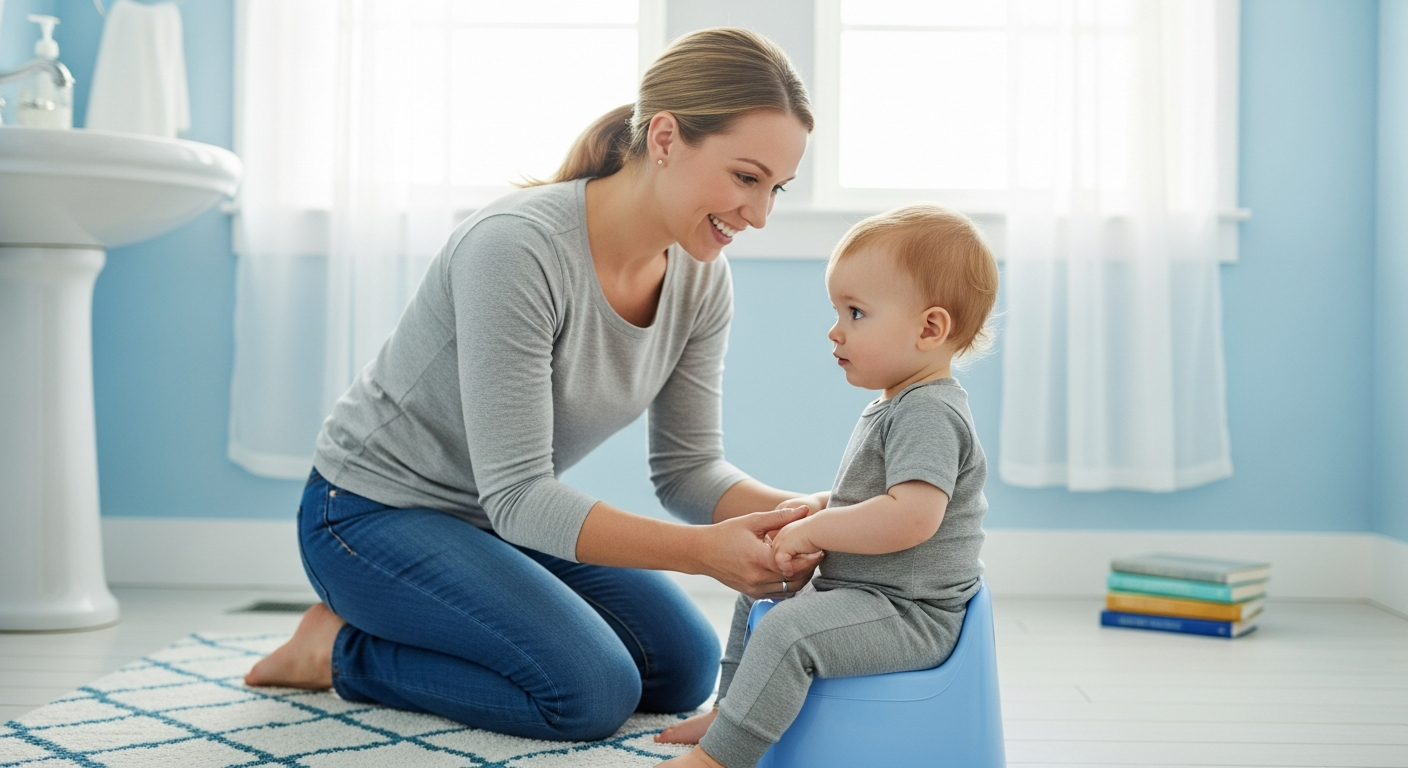
Another key indicator is the ability to pull their pants up and down independently. This shows developing fine motor skills and a willingness to participate in the process.
Beyond just physical abilities, observe if your child begins to ask questions about the toilet or show curiosity when others use it. This curiosity indicates an emerging understanding and interest in the topic.
Pay attention to their language skills as well. Can they clearly communicate when they need to go, or are they able to follow simple instructions related to using the potty? Clear communication is essential for a successful potty training experience.
Consider your child’s personality and temperament. Are they generally cooperative and willing to try new things, or are they more resistant to change? A child who is open to new experiences will likely have an easier time with potty training.
It’s also important to consider any major life changes that might be happening in your child’s life. A new sibling, a move, or starting daycare can all be stressful events that might make potty training more challenging. It’s often best to wait until things have settled down before starting.
Remember, there’s no magic age to start potty training. Some children are ready as early as 18 months, while others may not be ready until closer to 3 years old or even older. Comparing your child to others can lead to unnecessary stress and pressure.
If you’re unsure whether your child is ready, try a trial run. Put them in training pants for a day or two and see how they do. If they show signs of frustration or resistance, it’s probably best to wait a few weeks or months and try again.
Ultimately, the decision of when to start potty training should be based on your child’s individual readiness and your family’s unique circumstances. Trust your instincts and be patient, and your child will eventually master this important milestone.
Establishing a Potty Training Schedule
A well-structured potty training schedule can provide a sense of predictability and help your child understand what is expected of them. Consistency is key, so try to stick to the schedule as much as possible.
Start by identifying key times for potty breaks, such as first thing in the morning, after meals, before and after naps, and before bedtime. These are typically times when children are more likely to need to go to the bathroom.
Encourage your child to sit on the potty for a few minutes during these scheduled times, even if they don’t need to go. This helps them get used to the routine and associate the potty with going to the bathroom.
Over time, you can adjust the potty training schedule based on your child’s individual needs and patterns. Pay attention to when they typically have accidents and adjust the schedule accordingly to prevent them.
Consider creating a visual schedule using pictures or symbols to help your child understand the routine. This can be especially helpful for younger children who are still developing their language skills. A visual schedule can be placed near the potty to serve as a constant reminder.
Don’t be afraid to experiment with different intervals between potty breaks to find what works best for your child. Some children may need to go every hour, while others may be able to wait longer. Observe their behavior and adjust the schedule accordingly.
It’s important to remember that the potty training schedule should be flexible and adaptable. Life happens, and there will be times when you need to deviate from the schedule. Don’t stress too much about it, just get back on track as soon as possible.
Incorporate potty breaks into your daily activities. For example, before leaving the house for a playdate or running errands, make sure your child uses the potty. This can help prevent accidents while you’re out and about.
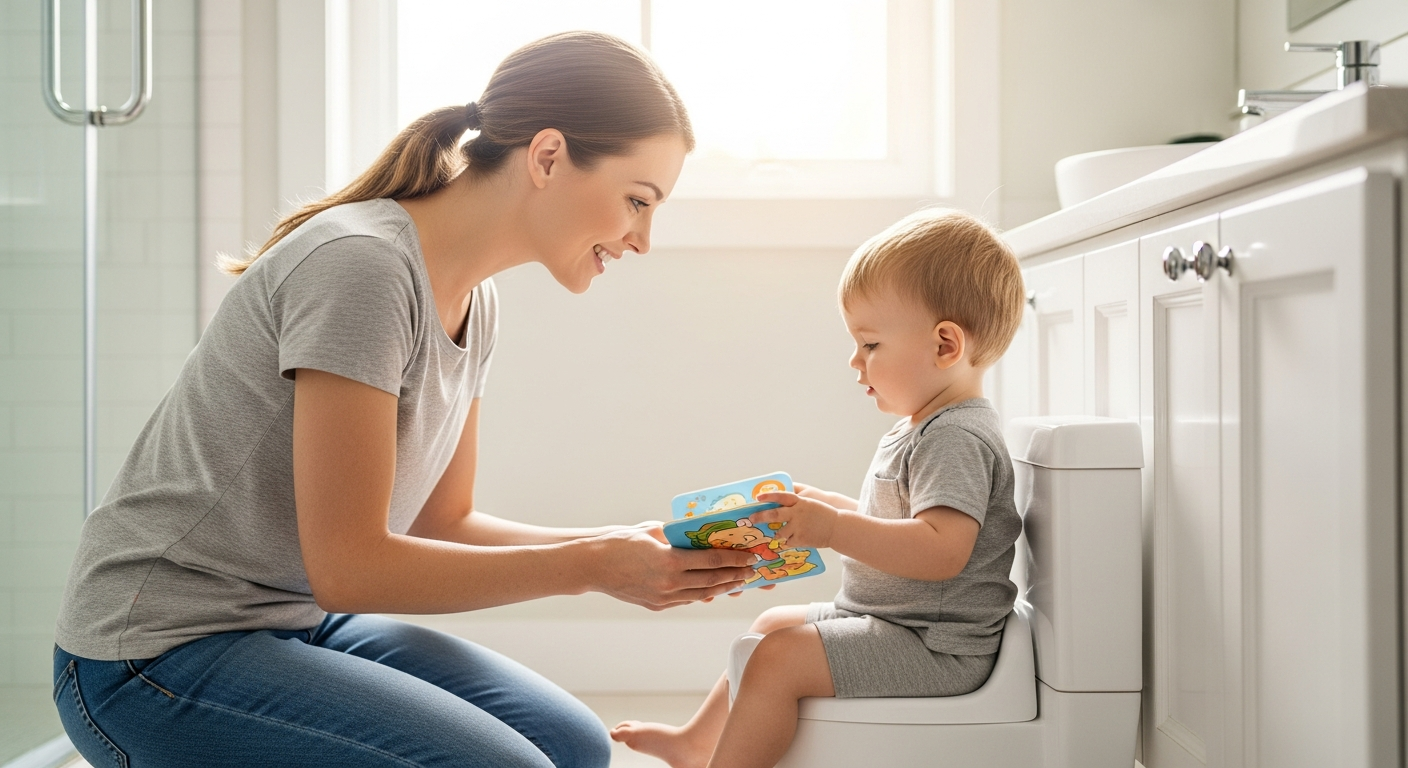
Make potty time a fun and engaging experience. Read a book together, sing a song, or play a quick game while your child is sitting on the potty. This can help them relax and feel more comfortable.
Be consistent with your language. Use the same words every time you talk about going to the potty. This will help your child understand what you’re asking them to do. For example, always say “Do you need to go potty?” instead of using different phrases each time.
Involve your child in the process of creating the potty training schedule. Ask them for their input and let them help choose the times for their potty breaks. This can help them feel more invested in the routine and more likely to cooperate.
Remember to celebrate successes, even small ones. If your child sits on the potty for a few minutes without having an accident, praise them for their effort. Positive reinforcement can go a long way in motivating your child.
Don’t get discouraged if your child has accidents. Accidents are a normal part of the potty training process. Simply clean up the mess and remind your child that they can try again next time. Avoid getting angry or frustrated, as this can make your child anxious and resistant.
The key to establishing a successful potty training schedule is to be patient, consistent, and flexible. By working together with your child and adapting the schedule to their individual needs, you can help them master this important milestone with confidence.
Creating a Positive and Encouraging Environment
Potty training can be a sensitive time for children, so it’s important to create a positive and encouraging environment. Avoid pressure or scolding, as this can lead to anxiety and resistance.
Focus on praise and encouragement, celebrating even small successes. Make the potty a fun and inviting place by decorating it with stickers or allowing your child to bring a favorite book or toy.
Read books about potty training together to help your child understand the process and feel more comfortable. Use positive language and avoid negative terms like “accident” or “potty failure.”
Instead, use terms like “oops” or “next time” to frame setbacks as learning opportunities. A positive and supportive environment can make a big difference in your child’s confidence and willingness to participate in potty training.
One way to create a positive environment is to involve your child in choosing their own potty or potty seat. Allowing them to select something that appeals to them can make the experience feel more exciting and less daunting.
Consider creating a “potty training corner” in the bathroom. This could include a small bookshelf with potty training books, a basket of toys, and a colorful rug. Making the area inviting and comfortable can help your child feel more relaxed and willing to spend time there.
Use positive affirmations to encourage your child. Tell them how proud you are of their efforts, even if they don’t always succeed. Say things like “You’re doing a great job!” or “I know you can do it!”
Avoid comparing your child to other children. Every child develops at their own pace, and comparing them to others can create unnecessary pressure and anxiety. Focus on celebrating their individual progress and achievements.
Make potty training a family affair. Involve older siblings or other family members in the process. They can offer encouragement and support, and your child may feel more motivated to participate if they see others doing it too.
Create a reward system that is tailored to your child’s interests. This could include stickers, small toys, or special privileges. The key is to choose rewards that are meaningful to your child and that will motivate them to try their best.
Be patient and understanding. Potty training can be a challenging process, and there will be times when your child gets frustrated or discouraged. Offer them reassurance and support, and remind them that it’s okay to make mistakes.
Remember to take breaks when needed. If you and your child are both feeling stressed or overwhelmed, it’s okay to take a break from potty training for a few days or weeks. Sometimes a little time off can make a big difference.
Focus on building your child’s confidence. Potty training is a big step towards independence, and it’s important to help your child feel confident in their ability to succeed. Celebrate their successes, offer encouragement, and remind them that you believe in them.
By creating a positive and encouraging environment, you can help your child feel more comfortable and confident throughout the potty training process. Remember to be patient, supportive, and understanding, and your child will eventually master this important milestone.
Potty Training Essentials
Having the right tools and resources can make the potty training process much smoother. Make sure you have all the essentials on hand before you begin.
A comfortable potty chair or a toilet seat adapter is a must, as well as plenty of absorbent training pants or underwear. You’ll also want to stock up on wipes, cleaning supplies, and extra changes of clothes.
| Item | Description | Why it’s important |
|---|---|---|
| Potty Chair/Seat Adapter | A small, child-sized potty or a seat that fits on your regular toilet. | Provides a comfortable and accessible place for your child to go. |
| Training Pants/Underwear | Absorbent underwear that catches small accidents. | Helps your child feel more like a “big kid” while still providing protection. |
| Wipes | Gentle, flushable wipes for easy cleanup. | Makes cleaning up accidents quick and hygienic. |
| Cleaning Supplies | Disinfectant and paper towels for cleaning the potty and surrounding area. | Ensures a clean and sanitary environment. |
| Extra Clothes | Several changes of clothes, including pants, shirts, and socks. | Essential for dealing with accidents and keeping your child comfortable. |
| Rewards | Stickers, small toys, or treats to celebrate successes. | Provides positive reinforcement and motivation for your child. |
Beyond the basics, consider investing in some waterproof mattress protectors, especially if you’re planning to tackle nighttime potty training. These will save you from having to change sheets in the middle of the night.
A small step stool can be helpful for children who are using the regular toilet. It allows them to reach the toilet seat and the sink more easily, promoting independence.
Don’t forget about potty training books and videos. These can be a fun and engaging way to teach your child about the process and help them feel more comfortable.
A travel potty is a must-have for outings and road trips. These portable potties can be used anywhere and make it easier to maintain consistency while you’re on the go.
Consider using a timer to remind your child to go to the potty. Set the timer for regular intervals and encourage them to try to go when it goes off. This can help them develop a sense of when they need to go.
A small, portable wet bag is great for carrying soiled clothes when you’re out and about. These bags are waterproof and can help contain the mess until you get home.
Stock up on your child’s favorite drinks and snacks. Staying hydrated and having healthy snacks on hand can help prevent constipation, which can make potty training more difficult.
A comfortable and supportive attitude is perhaps the most important essential. Remember to be patient, understanding, and encouraging, and your child will eventually master this important milestone.
Having all the necessary supplies on hand can make the potty training process much smoother and less stressful for both you and your child. Take the time to gather everything you need before you begin, and you’ll be well-prepared for success.
Using Rewards and Incentives
Rewards and incentives can be a powerful tool in motivating your child during potty training. Positive reinforcement can encourage desired behaviors and make the process more enjoyable.
Consider using a sticker chart, where your child earns a sticker for each successful potty trip. Once they reach a certain number of stickers, they can earn a small prize or privilege, such as choosing a special activity or getting a new book.
Verbal praise and encouragement are also important rewards. Let your child know how proud you are of their efforts, even if they don’t always succeed.
Avoid using food as the primary reward, as this can create unhealthy associations with eating. Instead, focus on non-food rewards that are meaningful to your child. A successful potty training routine often includes a variety of positive reinforcements.
Think about creating a “potty training treasure box” filled with small, inexpensive toys and trinkets. Your child can choose a prize from the box each time they successfully use the potty.
Consider using a point system where your child earns points for each successful potty trip. They can then redeem their points for larger rewards, such as a trip to the park or a new toy.
Don’t underestimate the power of simple praise and affection. A hug, a high-five, or a simple “I’m so proud of you!” can be just as motivating as a tangible reward.
Make the rewards age-appropriate and tailored to your child’s interests. A toddler might be excited about a sticker or a small toy, while an older child might prefer a special privilege or activity.
Be consistent with your rewards. If you promise a reward for a successful potty trip, make sure you follow through. Consistency is key to building trust and motivating your child.
Gradually fade out the rewards as your child becomes more confident and independent. The goal is to help them develop intrinsic motivation, so they eventually use the potty because they want to, not just for a reward.
Use rewards to celebrate milestones, such as staying dry for an entire day or night. These milestones deserve special recognition and can help your child feel proud of their accomplishments.
Avoid using rewards as punishment. Never take away a reward as a consequence for having an accident. This can create negative associations with potty training and make your child feel anxious and discouraged.
Remember that rewards are just one tool in your potty training toolbox. They should be used in conjunction with other strategies, such as establishing a consistent schedule, creating a positive environment, and providing plenty of praise and encouragement.
By using rewards and incentives effectively, you can help your child feel motivated and successful throughout the potty training process. Choose rewards that are meaningful to your child, be consistent with your approach, and gradually fade out the rewards as they become more independent.
Dealing with Accidents and Setbacks
Accidents and setbacks are a normal part of the potty training process. It’s important to remain patient and understanding, avoiding any negative reactions.
Clean up the accident calmly and without making a big deal out of it. Remind your child that it’s okay and that they will have another chance to try again soon.
- Stay calm and patient
- Avoid scolding or punishment
- Clean up the accident quickly and discreetly
- Remind your child it’s okay and they can try again
- Analyze the situation to identify potential triggers
When an accident happens, try to identify the potential cause. Were they too busy playing to notice the urge? Were they feeling anxious or stressed? Understanding the trigger can help you prevent future accidents.
If your child is consistently having accidents at certain times of the day, adjust the potty training schedule accordingly. You may need to offer more frequent potty breaks during those times.
Don’t be afraid to take a step back if your child is experiencing a lot of setbacks. Sometimes a break from potty training can help them feel less pressured and more willing to try again later.
If your child is refusing to use the potty after having been previously successful, try to figure out what’s causing the resistance. Are they feeling scared or uncomfortable? Are they simply asserting their independence?
Offer your child choices to help them feel more in control. Let them choose which potty to use, which underwear to wear, or which book to read while they’re sitting on the potty.
If you’re feeling frustrated or overwhelmed, reach out to other parents or a potty training expert for support. Talking to someone who understands what you’re going through can be incredibly helpful.
Remember that every child learns at their own pace. Don’t compare your child to others or put too much pressure on them to succeed. Focus on celebrating their individual progress and achievements.
If setbacks are frequent or persistent, consider consulting with your pediatrician to rule out any underlying medical issues. Sometimes accidents can be a sign of a urinary tract infection or other medical problem.
Be patient and persistent. Potty training can be a long and challenging process, but with consistency and encouragement, your child will eventually master it.
Focus on the positive aspects of potty training. Celebrate successes, offer praise, and remind your child of how proud you are of their efforts. A positive attitude can make a big difference in their motivation and confidence.
By remaining calm, patient, and understanding, you can help your child navigate accidents and setbacks with confidence and resilience. Remember that it’s a learning process, and every child makes mistakes along the way.
Nighttime Potty Training
Nighttime potty training is often a separate process from daytime training and may take longer to achieve. Many children are not physically ready to stay dry through the night until they are older.
Start by limiting fluids before bedtime and making sure your child uses the potty right before going to sleep. You can also use a waterproof mattress protector to make clean-up easier in case of accidents.
If your child is consistently waking up dry in the morning, you can try having them wear underwear to bed. If accidents continue to be frequent, it may be best to wait a few more months before trying again.
Patience and understanding are key, as nighttime dryness is often related to hormonal development and bladder capacity. Avoid comparing your child to others and focus on celebrating small victories.
Consider using absorbent training pants at night, even if your child is wearing underwear during the day. This can provide extra protection and help prevent accidents.
Establish a consistent bedtime routine to help regulate your child’s sleep patterns and reduce the likelihood of nighttime accidents. This could include a bath, reading a book, and singing a lullaby.
Avoid waking your child up in the middle of the night to use the potty, unless they specifically ask to go. This can disrupt their sleep and make it harder for them to develop bladder control.
Talk to your child about nighttime potty training and explain that it’s okay to have accidents. Reassure them that you’re there to support them and that they’ll eventually learn to stay dry all night.
If your child is experiencing frequent nighttime accidents, consider consulting with your pediatrician to rule out any underlying medical issues, such as bedwetting (nocturnal enuresis).
Celebrate small victories, such as waking up dry for a few nights in a row. Offer praise and encouragement, and let your child know how proud you are of their progress.
Be patient and understanding. Nighttime potty training can take time and effort, and there will be setbacks along the way. Don’t get discouraged, and continue to offer support and encouragement.
Make sure your child has easy access to the potty at night. Keep a nightlight on in the bathroom and make sure the path to the potty is clear of obstacles.
Avoid giving your child caffeinated drinks or sugary snacks before bedtime, as these can increase the likelihood of nighttime accidents.
By being patient, supportive, and understanding, you can help your child navigate nighttime potty training with confidence and success. Remember that it’s a gradual process, and every child learns at their own pace.
Maintaining Consistency in Different Environments
Consistency is vital for successful potty training, not just at home but also in different environments. This includes daycare, preschool, and when visiting friends and family.
Communicate your potty training routine to caregivers and ensure they are on board with your approach. Provide them with extra changes of clothes and any necessary supplies.
When traveling, bring a portable potty seat and maintain the same schedule as much as possible. Familiarity can help your child feel more comfortable and confident, even in unfamiliar surroundings.
Discuss with family and friends how they can best support your child’s potty training efforts. A unified approach across different environments can help reinforce positive habits and prevent confusion.
Before leaving the house, make sure your child uses the potty. This can help prevent accidents while you’re out and about.
When you arrive at a new location, immediately show your child where the potty is. This will help them feel more comfortable and confident in their ability to find it when they need it.
Pack a potty training “emergency kit” that includes extra changes of clothes, wipes, and a portable potty seat. This will help you be prepared for accidents no matter where you are.
Communicate with your child’s daycare or preschool teachers to ensure they are following your potty training routine. This includes offering regular potty breaks and using positive reinforcement.
When visiting friends and family, explain your potty training routine and ask for their support. This could include offering regular potty breaks and avoiding any pressure or criticism.
If your child is anxious about using unfamiliar potties, consider bringing a potty seat that they can use in different locations. This can help them feel more comfortable and confident.
Be patient and understanding. It may take some time for your child to adjust to using the potty in different environments. Offer reassurance and support, and remind them that you’re there to help.
When traveling, plan for extra potty breaks. This will help prevent accidents and make the journey more comfortable for your child.
Remember to celebrate successes, even small ones. If your child uses the potty successfully in a new environment, offer praise and encouragement.
By maintaining consistency across different environments, you can help your child feel more confident and successful throughout the potty training process. Communicate with caregivers, pack an emergency kit, and offer plenty of support and encouragement.
Addressing Common Potty Training Challenges
Potty training can present various challenges, and it’s helpful to be prepared for them. Common issues include potty refusal, constipation, and regression.
If your child is refusing to use the potty, try to identify the underlying cause. It could be fear, anxiety, or simply a lack of interest.
Make the potty more appealing by adding fun elements or allowing your child to have control over the process. If constipation is an issue, ensure your child is drinking plenty of fluids and eating a fiber-rich diet.
Regression, where a child who was previously potty trained starts having accidents again, can be triggered by stress, illness, or changes in routine. Address these underlying issues with patience and understanding, and reinforce positive habits.
For potty refusal, try making potty time less of a demand and more of an invitation. Offer choices, such as which potty to use or which book to read while sitting on the potty.
If your child is constipated, talk to your pediatrician about safe and effective ways to relieve the constipation. This could include dietary changes, stool softeners, or other medications.
When dealing with regression, try to identify the trigger and address it directly. If the regression is due to stress, provide extra comfort and support. If it’s due to illness, focus on helping your child recover and then gently reintroduce potty training.
If your child is experiencing anxiety about using the potty, try to create a more relaxed and positive environment. Read books about potty training, use positive affirmations, and avoid any pressure or criticism.
If your child is having trouble with wiping, offer assistance and teach them the proper technique. You can also use moist wipes to make the process easier.
If your child is afraid of flushing the toilet, try flushing it when they’re not in the bathroom. You can also gradually introduce them to the flushing process by letting them push the handle while you’re standing next to them.
If your child is having accidents at night, try limiting fluids before bedtime and making sure they use the potty right before going to sleep. You can also use a waterproof mattress protector to make clean-up easier.
If your child is resisting wearing underwear, try letting them choose their own underwear with their favorite characters or colors. You can also make a game out of putting on underwear each morning.
If you’re feeling overwhelmed or frustrated, take a break and ask for help. Potty training can be a challenging process, and it’s important to take care of yourself as well.
By addressing common potty training challenges with patience, understanding, and a positive attitude, you can help your child overcome these obstacles and achieve success.
Seeking Professional Guidance
While most potty training challenges can be addressed with patience and consistency, sometimes professional guidance is needed. Don’t hesitate to seek advice from your pediatrician or a potty training specialist.
If your child is experiencing frequent accidents, painful urination, or significant emotional distress related to potty training, it’s important to rule out any underlying medical or psychological issues. A professional can provide personalized recommendations and support to help you and your child navigate the process.
They can also offer strategies for addressing specific challenges, such as bedwetting or daytime accidents. Remember, seeking help is a sign of strength, and it can make a significant difference in your child’s success and well-being.
Potty training is a developmental milestone, and every child progresses at their own pace. Trust your instincts and don’t be afraid to ask for assistance when