In today’s fast-paced world, achieving a restful night’s sleep can feel like an elusive dream. Many individuals struggle with falling asleep or staying asleep, leading to daytime fatigue and a host of other health issues.
Fortunately, there are effective strategies to improve sleep quality without resorting to medication. These pre-sleep relaxation techniques can help calm the mind and prepare the body for a night of restorative rest.
By incorporating these practices into your daily routine, you can create a peaceful bedtime environment and experience the benefits of deeper, more satisfying sleep. Let’s explore some proven methods for achieving better sleep through relaxation.
The Importance of Pre-Sleep Relaxation
Quality sleep is essential for overall health and well-being, impacting everything from cognitive function to emotional stability. When we’re stressed or anxious, our bodies produce cortisol, a hormone that interferes with sleep.
Pre-sleep relaxation techniques can counteract these effects by activating the parasympathetic nervous system, which promotes relaxation and reduces stress. This allows the body to transition more easily into a state of sleep.
Establishing a consistent bedtime routine that includes relaxation practices can significantly improve sleep latency, or the time it takes to fall asleep. It also enhances sleep duration and reduces nighttime awakenings.
Moreover, incorporating relaxation techniques into your daily life can have a cumulative effect, reducing overall stress levels and improving your ability to cope with daily challenges. This is especially beneficial for children who may experience anxiety or difficulty winding down before bed.
Sleep deprivation can lead to a weakened immune system, making individuals more susceptible to illness. It also impacts mood regulation, increasing the risk of irritability, anxiety, and depression.
Chronic sleep problems can contribute to more serious health conditions, such as heart disease, diabetes, and obesity. Prioritizing sleep and incorporating relaxation techniques into your daily routine is crucial for preventing these issues.
Pre-sleep relaxation is not just about getting more sleep; it’s about improving the quality of sleep you get. Deep, restful sleep allows your body and mind to repair and rejuvenate, leaving you feeling refreshed and energized in the morning.
By making pre-sleep relaxation a priority, you can take control of your sleep and improve your overall quality of life. It’s an investment in your health and well-being that will pay dividends in the long run.
Practicing Deep Breathing Exercises
Deep breathing exercises are a simple yet powerful tool for promoting relaxation and reducing stress. They can be done anywhere, at any time, and require no special equipment.
One popular technique is diaphragmatic breathing, also known as “belly breathing,” which involves consciously engaging the diaphragm to draw air deep into the lungs. This type of breathing slows the heart rate and lowers blood pressure.
To practice diaphragmatic breathing, lie down comfortably with one hand on your chest and the other on your abdomen. Inhale slowly through your nose, allowing your abdomen to rise while keeping your chest relatively still.
Exhale slowly through your mouth, allowing your abdomen to fall. Repeat this process for several minutes, focusing on the sensation of the breath and the gentle rise and fall of your abdomen.
Another effective deep breathing technique is box breathing, also known as square breathing. This involves inhaling for a count of four, holding your breath for a count of four, exhaling for a count of four, and holding your breath again for a count of four.
This rhythmic breathing pattern can help to calm the nervous system and promote a sense of balance. It’s a great technique to use when you’re feeling anxious or overwhelmed.
The 4-7-8 breathing technique is another popular method for inducing relaxation and sleep. Inhale deeply through your nose for a count of four, hold your breath for a count of seven, and exhale slowly through your mouth for a count of eight.
This technique is believed to help reduce anxiety and promote relaxation by slowing the heart rate and calming the mind. It’s a simple yet effective way to prepare your body for sleep.
Comparing Deep Breathing Techniques
Different deep breathing techniques can be utilized to enhance relaxation and promote better sleep. Each technique offers unique benefits and can be tailored to individual preferences.
Choosing the right technique can depend on factors such as personal comfort, time availability, and specific relaxation needs.
| Technique | Description | Benefits |
|---|---|---|
| Diaphragmatic Breathing | Slow, deep breaths using the diaphragm | Reduces heart rate, lowers blood pressure, promotes relaxation |
| Box Breathing | Inhale, hold, exhale, and hold for equal counts | Calms the nervous system, improves focus, reduces anxiety |
| 4-7-8 Breathing | Inhale for 4 seconds, hold for 7 seconds, exhale for 8 seconds | Reduces anxiety, promotes relaxation, induces sleep |
| Alternate Nostril Breathing | Breathing through alternating nostrils | Balances the nervous system, reduces stress, improves mental clarity |
Alternate nostril breathing, also known as Nadi Shodhana Pranayama, involves breathing through alternating nostrils to balance the nervous system. Close one nostril with your finger and inhale deeply through the other nostril.
Then, close the second nostril and exhale through the first. Continue alternating nostrils with each breath, focusing on the sensation of the breath flowing in and out.
This technique is believed to help reduce stress, improve mental clarity, and promote a sense of calm. It’s a great way to prepare for sleep or to reduce anxiety during the day.
Experiment with different deep breathing techniques to find the one that works best for you. You may find that one technique is more effective for certain situations or times of day.
Trying Progressive Muscle Relaxation
Progressive muscle relaxation (PMR) is a technique that involves tensing and then releasing different muscle groups in the body. This process helps to reduce muscle tension and promote a sense of calm.
To practice PMR, find a quiet place where you can lie down comfortably. Start with your toes, tensing the muscles for a few seconds, then releasing and noticing the sensation of relaxation.
Work your way up through your body, tensing and releasing the muscles in your feet, calves, thighs, abdomen, chest, arms, hands, shoulders, neck, and face. It’s important to focus on the difference between tension and relaxation.
By consciously releasing tension in each muscle group, you can reduce overall stress and prepare your body for sleep. PMR is especially helpful for individuals who hold tension in their bodies without realizing it.
When tensing each muscle group, be careful not to strain yourself. The goal is to create a gentle tension, not to cause pain or discomfort.
Focus on the sensation of the muscles contracting and then releasing. This heightened awareness can help you to identify areas of tension in your body and consciously release them.
If you find it difficult to tense certain muscle groups, you can simply focus on relaxing them. Visualize the tension melting away and imagine your muscles becoming soft and relaxed.
PMR can be a powerful tool for reducing stress and promoting relaxation. With practice, you can learn to quickly release tension in your body and prepare yourself for a restful night’s sleep.
Exploring Guided Sleep Meditations
Guided sleep meditations are a fantastic way to quiet the mind and drift off to sleep peacefully. These meditations typically involve listening to a soothing voice that guides you through visualizations and relaxation techniques.
Many apps and online resources offer a variety of guided sleep meditations tailored to different preferences and needs. Some focus on body scans, while others use nature imagery or calming stories.
The key to a successful guided sleep meditation is to find a voice and style that resonates with you. Experiment with different options until you find one that helps you relax and feel at ease.
Listening to a guided meditation before bed can help to reduce racing thoughts, ease anxiety, and create a sense of calm and tranquility. This makes it easier to fall asleep and enjoy a more restful night.
When choosing a guided sleep meditation, consider the length of the meditation. Some meditations are short and sweet, while others are longer and more in-depth.
Choose a meditation that fits your schedule and your attention span. If you’re new to meditation, it’s best to start with shorter meditations and gradually increase the length as you become more comfortable.
Pay attention to the background music or sounds used in the meditation. Some meditations use nature sounds, such as rain or ocean waves, while others use calming instrumental music.
Choose a meditation with sounds that you find soothing and relaxing. Avoid meditations with jarring or distracting sounds.
Creating a Relaxing Bedtime Routine
A consistent bedtime routine is crucial for signaling to your body that it’s time to sleep. This routine should be calming and enjoyable, helping you to wind down and prepare for rest.
Start by establishing a regular sleep schedule, going to bed and waking up at the same time each day, even on weekends. This helps to regulate your body’s natural sleep-wake cycle.
- Take a warm bath or shower
- Read a book
- Listen to calming music
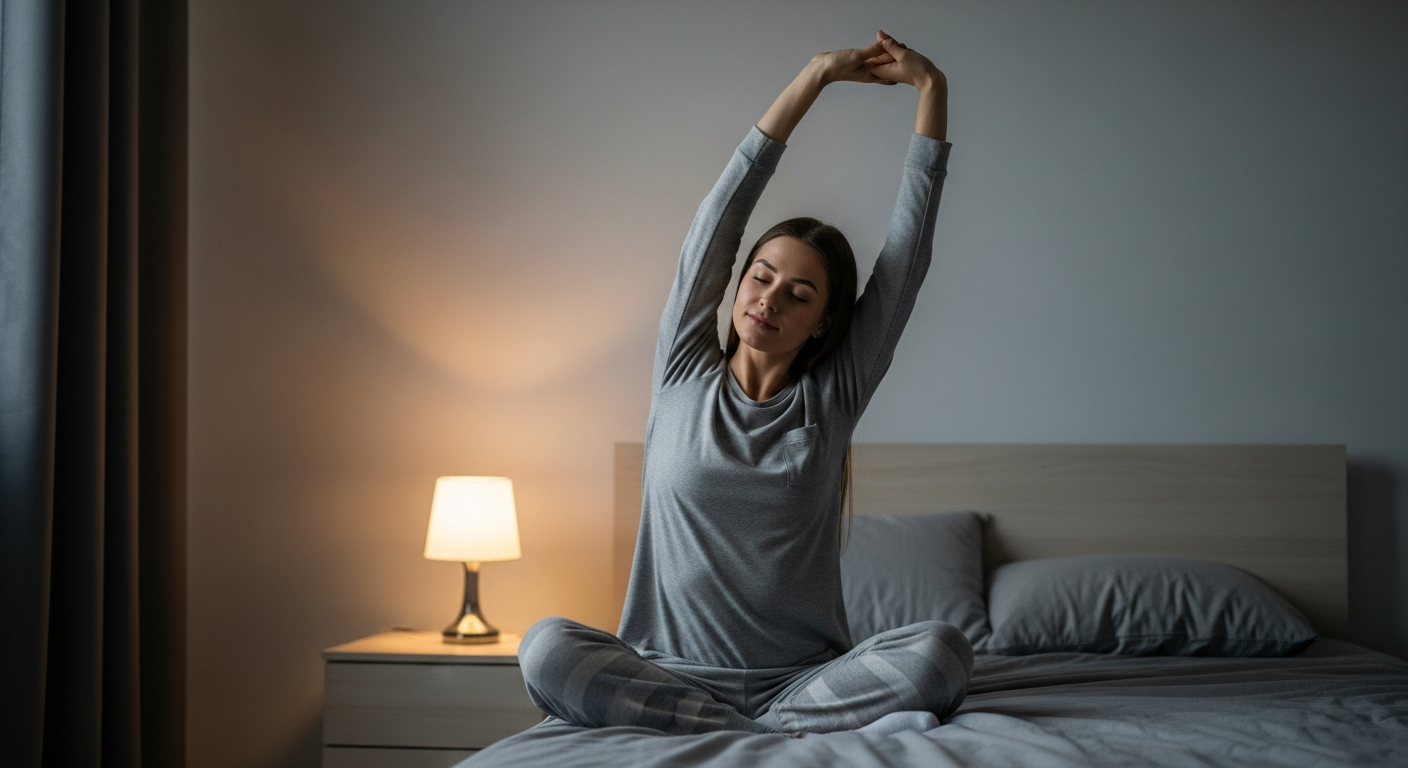
- Practice gentle stretching
- Avoid screens for at least an hour before bed
A warm bath or shower can help to relax your muscles and lower your body temperature, signaling to your body that it’s time to sleep. Add some Epsom salts or essential oils to enhance the relaxation benefits.
Reading a book can help to take your mind off of your worries and prepare you for sleep. Choose a relaxing book that you enjoy, but avoid anything that is too stimulating or suspenseful.
Listening to calming music can help to soothe your mind and relax your body. Choose music that is slow and gentle, such as classical music, nature sounds, or ambient music.
Practicing gentle stretching can help to release tension in your muscles and prepare your body for sleep. Focus on slow, controlled movements and avoid any strenuous exercises.
The Role of Mindfulness
Mindfulness is the practice of paying attention to the present moment without judgment. This can be a powerful tool for reducing stress and improving sleep quality.
One way to practice mindfulness is through mindful breathing, which involves focusing on the sensation of your breath as it enters and leaves your body. When your mind wanders, gently redirect your attention back to your breath.
You can also practice mindfulness by paying attention to your senses, noticing the sights, sounds, smells, tastes, and textures around you. This can help to ground you in the present moment and reduce racing thoughts.
Incorporating mindfulness into your pre-sleep routine can help you to let go of the day’s worries and prepare for a more peaceful night. Even a few minutes of mindfulness can make a significant difference in your sleep quality.
Mindful meditation can be practiced anywhere, anytime. You can sit comfortably, lie down, or even walk mindfully, paying attention to each step you take.
The key is to be present in the moment, without getting caught up in thoughts about the past or worries about the future. Simply observe your thoughts and feelings without judgment.
Mindful eating is another way to incorporate mindfulness into your daily life. Pay attention to the taste, texture, and smell of your food, and savor each bite.
Avoid distractions, such as screens or conversations, and focus solely on the experience of eating. This can help you to appreciate your food more and reduce overeating.
Addressing Sleep Challenges in Children
Children often face unique challenges when it comes to sleep, such as separation anxiety, nightmares, or difficulty adjusting to bedtime routines. Addressing these issues requires patience, understanding, and consistent strategies.
Creating a calming bedtime routine for children is essential, including activities like reading a story, singing a lullaby, or practicing gentle stretching exercises. Consistency is key to establishing healthy sleep habits.
Consider using white noise machines or calming sounds to create a soothing sleep environment. These can help mask distracting noises and promote relaxation.
For children who experience anxiety, teach them simple relaxation techniques like deep breathing or progressive muscle relaxation. These tools can empower them to manage their emotions and prepare for sleep.
Limit screen time before bed, as the blue light emitted from electronic devices can interfere with sleep. Encourage children to engage in quiet activities, such as reading or drawing, before bed.
Create a comfortable and inviting sleep environment for your child. Make sure their bedroom is dark, quiet, and cool. Use soft bedding and a comfortable mattress.
Address any underlying medical conditions that may be interfering with your child’s sleep. Talk to your pediatrician about any concerns you have.
Be patient and understanding with your child. It may take time for them to adjust to a new bedtime routine or relaxation technique. Offer encouragement and support.
Incorporating Sleep Meditation for Kids
Sleep meditation isn’t just for adults; kids can benefit from it, too. There are many kid-friendly sleep meditations available that are specifically designed to help children relax and fall asleep more easily.
These meditations often involve gentle visualizations, calming stories, or breathing exercises that are tailored to a child’s imagination and attention span. They can be a fun and effective way to promote relaxation.
Look for guided meditations that feature soothing voices and positive affirmations. Avoid meditations that are too stimulating or complex, as these may have the opposite effect.
You can even create your own simple sleep meditation for your child by guiding them through a relaxing body scan or visualization. The key is to make it enjoyable and engaging.
When choosing a sleep meditation for your child, consider their age and interests. Younger children may enjoy meditations that involve animals or nature, while older children may prefer meditations that focus on positive affirmations or gratitude.
Make sure the meditation is age-appropriate and easy for your child to understand. Avoid meditations that are too long or complex, as these may be overwhelming.
Create a relaxing environment for your child to listen to the meditation. Dim the lights, turn off any electronic devices, and make sure they are comfortable.
Encourage your child to listen to the meditation regularly, as consistency is key to seeing results. Make it a part of their bedtime routine.
The Benefits of Pediatric Routines
Establishing consistent pediatric routines is crucial for promoting healthy sleep habits in children. These routines provide a sense of security and predictability, helping children feel safe and relaxed.
A well-structured bedtime routine can also help to reduce bedtime resistance and make it easier for children to fall asleep. This benefits both the child and the parents, creating a more peaceful home environment.
Pediatric routines should be tailored to the child’s age and developmental stage. What works for a toddler may not work for a teenager, so it’s important to adapt the routine as needed.
Involve your child in creating the routine, allowing them to choose activities that they find enjoyable and relaxing. This can help to increase their cooperation and make the routine more effective.
A consistent wake-up routine is also important for promoting healthy sleep habits. Wake your child up at the same time each day, even on weekends, to help regulate their body’s natural sleep-wake cycle.
Encourage your child to get plenty of physical activity during the day. Regular exercise can help to improve sleep quality, but avoid strenuous activity close to bedtime.
Limit your child’s intake of caffeine and sugar, especially in the afternoon and evening. These substances can interfere with sleep.
Create a supportive and loving environment for your child. Make sure they feel safe and secure, and that their emotional needs are being met. This can help to reduce anxiety and promote better sleep.
Conclusion
Incorporating pre-sleep relaxation techniques into your daily routine can significantly improve your sleep quality and overall well-being. Whether it’s deep breathing, progressive muscle relaxation, guided meditation, or mindfulness, there are many options to choose from.
Experiment with different techniques to find what works best for you and your family, and be patient as you establish new habits. With consistent practice, you can create a peaceful bedtime environment and enjoy the benefits of deeper, more restorative sleep.
Remember that sleep is a fundamental human need, just like food and water. Prioritizing sleep is an investment in your health and well-being that will pay dividends in the long run.
Don’t be afraid to seek professional help if you’re struggling with chronic sleep problems. A doctor or sleep specialist can help you identify any underlying medical conditions and develop a personalized treatment plan.
By taking proactive steps to improve your sleep, you can enhance your quality of life and enjoy a brighter, more energized future. Sweet dreams!