
The holiday season is a magical time, filled with joy, family gatherings, and exciting new experiences. However, for toddlers, the change in routine and environment can be overwhelming, leading to disrupted sleep, crankiness, and even meltdowns. As parents, we want to make the holidays special while also ensuring our little ones remain happy and well-rested.
Navigating this delicate balance requires careful planning and a few strategic adjustments. This article will guide you through the challenges of maintaining a holiday routine for toddlers, offering practical tips and advice to help you and your child enjoy the festivities without sacrificing sleep or sanity.
By understanding the potential pitfalls and implementing proactive strategies, you can create a holiday experience that is both memorable and manageable for everyone. Let’s explore how to navigate the holidays while keeping your toddler’s routine intact.
The Challenges of Holiday Routines
The holidays bring a whirlwind of changes that can disrupt a toddler’s carefully established routine. Travel, new faces, irregular meal times, and an abundance of stimulating activities can all contribute to a sense of unease and overwhelm.
Toddlers thrive on predictability, and when their usual schedule is thrown off, it can manifest in various ways, such as increased fussiness, difficulty falling asleep, and more frequent tantrums. Understanding these challenges is the first step in mitigating their impact and maintaining a semblance of normalcy during the holidays.
One of the biggest challenges is maintaining a consistent holiday sleep schedule. Late-night gatherings, travel across time zones, and unfamiliar sleeping environments can all wreak havoc on a toddler’s sleep patterns.
Additionally, the excitement of the holidays can make it difficult for toddlers to wind down and relax, leading to bedtime battles and restless nights. It’s important to acknowledge that some disruption is inevitable, but with proactive planning, you can minimize the negative effects on your child’s sleep.
The sheer volume of new toys and presents can also be overwhelming for a toddler. They may struggle to focus or become easily distracted, making it challenging to engage in any one activity for a sustained period.

Furthermore, the increased sugar intake from holiday treats can lead to energy spikes and crashes, contributing to mood swings and behavioral issues. It is a good idea to monitor the amount of sugar your toddler consumes during this time.
Another often overlooked challenge is the change in caregiver ratios. During the holidays, toddlers may be passed around between different family members, which can lead to feelings of insecurity and separation anxiety.
Finally, the pressure to be “perfect” during the holidays can add stress to parents, which can inadvertently affect their toddler’s behavior. Remember to be patient and understanding with yourself and your child during this challenging time.
Preparing Your Toddler for Changes
One effective way to ease the transition into the holiday season is to prepare your toddler for the upcoming changes. Talking to your child about what to expect can help them feel more secure and less anxious about the new experiences.
Use simple language and visual aids, such as pictures or books, to explain where you will be going, who you will be seeing, and what activities you will be doing. This can help them mentally prepare and reduce the likelihood of unexpected meltdowns.
Consider creating a visual calendar or countdown to the holidays, marking important events and travel dates. This helps your toddler understand the timeline and anticipate the changes.
You could also role-play common holiday scenarios, such as greeting relatives or waiting in line, to help your child practice appropriate behaviors. The key is to make the unfamiliar feel more familiar and predictable.
Start talking about the holidays several weeks in advance, giving your toddler ample time to process the information. Don’t overwhelm them with too much detail at once; instead, introduce new concepts gradually.
If you’re traveling, show your toddler pictures of the place you’ll be staying and the people you’ll be visiting. This can help them feel more comfortable and excited about the trip.
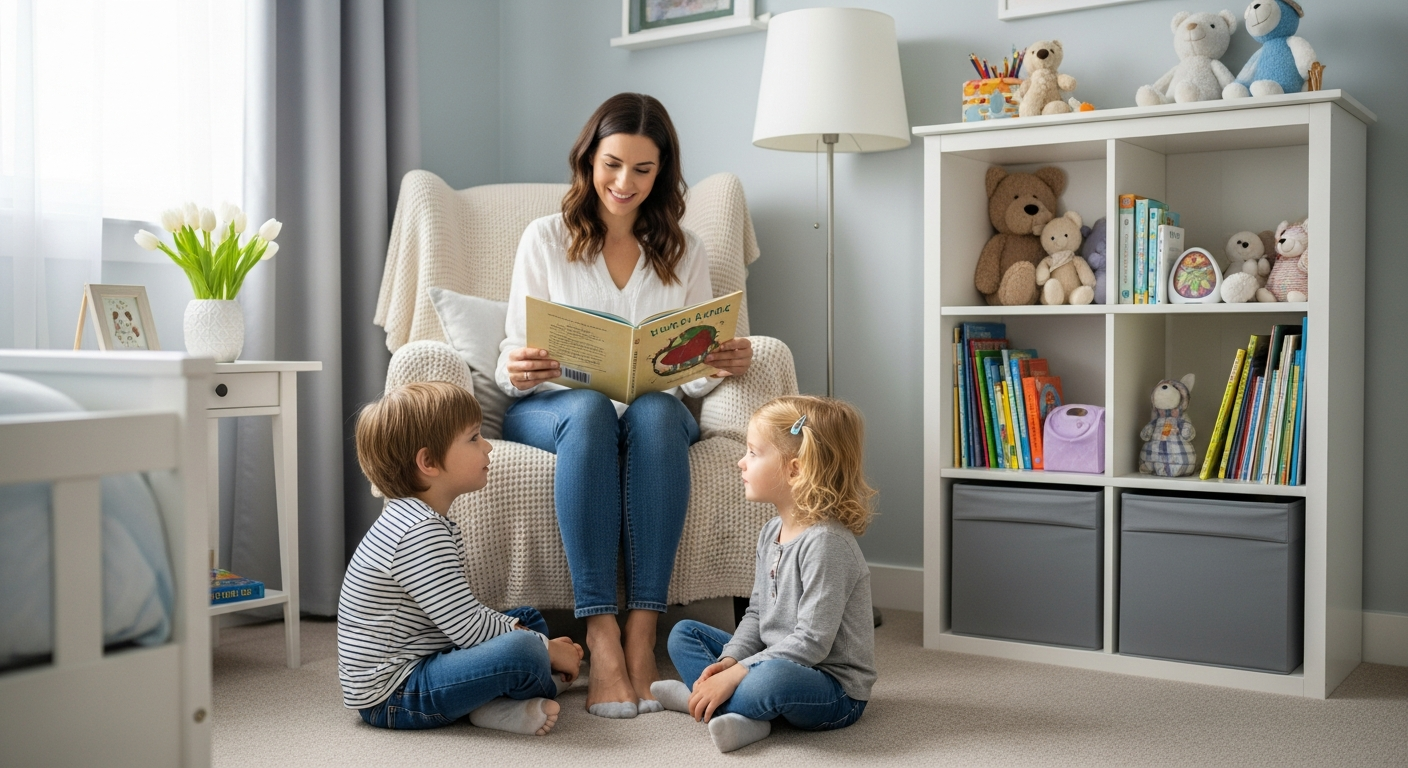
Read books about the holidays together, focusing on the positive aspects of the season, such as spending time with family and friends. Choose books that are age-appropriate and feature characters that your toddler can relate to.
Most importantly, be patient and understanding with your toddler as they adjust to the changes. Acknowledge their feelings and reassure them that everything will be okay. Let them know that you will be there to support them every step of the way.
Maintaining Sleep Schedules on the Go
Traveling with toddlers during the holidays can be particularly challenging when it comes to maintaining their sleep schedule. Whether you’re flying, driving, or staying with relatives, there are several strategies you can employ to minimize disruptions and ensure your child gets the rest they need.
One of the most important things is to try and stick to your toddler’s regular bedtime and naptime routines as much as possible. This might require some flexibility and creativity, but it’s worth the effort to avoid overtiredness and meltdowns.
| Travel Situation | Strategy | Example |
|---|---|---|
| Flying | Adjust gradually to new time zone | Start adjusting bedtime a few days before your trip. |
| Driving | Plan stops around naptime | Stop at a park or rest area where your toddler can nap in the car seat. |
| Staying with relatives | Bring familiar sleep items | Pack your toddler’s favorite blanket, pillow, and bedtime books. |
| Any situation | Create a consistent bedtime routine | Follow the same steps each night, such as bath, story, and lullaby. |
When traveling across time zones, it’s best to adjust your toddler’s schedule gradually, rather than abruptly. Start shifting bedtime and wake-up times by 15-30 minutes each day leading up to your trip to help their body clock adapt.
If you’re flying, try to book flights that coincide with your toddler’s naptime or bedtime. This can help them sleep during the journey and minimize disruptions to their schedule.
When driving, plan your route to include frequent stops for your toddler to stretch their legs and burn off energy. Consider stopping at parks or playgrounds where they can run around and play.
If you’re staying with relatives, create a designated sleep space for your toddler that is quiet, dark, and comfortable. Bring a portable crib or travel bed to ensure they have a familiar place to sleep.
No matter where you are, maintain a consistent bedtime routine. This could include a bath, story time, and a lullaby. This helps signal to your toddler that it’s time to wind down and prepare for sleep.
Be prepared for some setbacks and don’t get discouraged if your toddler’s sleep schedule is disrupted. Just try to get back on track as soon as possible and be patient with your child.
Healthy Eating Habits During the Holidays
The holidays are often synonymous with indulgent foods and sugary treats, which can pose a challenge for maintaining healthy eating habits for toddlers. While it’s okay to allow some treats, it’s important to ensure your child also gets a balanced diet and doesn’t overindulge in unhealthy options.
One strategy is to offer healthy snacks and meals before exposing your toddler to tempting treats. This can help them feel satisfied and less likely to overeat on sugary or processed foods.
Bring your own healthy snacks and meals when visiting relatives or attending holiday gatherings. This way, you have control over what your child is eating and can avoid relying solely on less nutritious options.
You can also involve your toddler in preparing healthy holiday dishes, such as fruit salads or vegetable platters. This can make them more interested in trying new foods and help them develop healthy eating habits.
Limit the amount of sugary drinks your toddler consumes, such as juice and soda. Offer water or milk instead.
Avoid using food as a reward or punishment. This can create unhealthy associations with food and lead to overeating or picky eating habits.
Be mindful of portion sizes. Offer small portions of treats and encourage your toddler to eat slowly and savor each bite.
Don’t feel pressured to force your toddler to eat something they don’t want to. Offer a variety of healthy options and let them choose what they want to eat.
Remember that it’s okay to relax your rules a little bit during the holidays, but don’t completely abandon healthy eating habits. Focus on balance and moderation.
Managing Overstimulation and Meltdowns
The holidays can be incredibly stimulating for toddlers, with bright lights, loud noises, and constant activity. This overstimulation can easily lead to meltdowns, especially when combined with disrupted sleep and irregular meal times.
Recognizing the signs of overstimulation, such as increased fussiness, hyperactivity, or withdrawal, is crucial for preventing meltdowns. When you notice these signs, it’s important to remove your child from the stimulating environment and provide a calm, quiet space where they can decompress.
- Offer a quiet space
- Provide a calming activity
- Set clear expectations
- Stay calm yourself
- Know your child’s limits
Having a designated “quiet zone” at holiday gatherings can be a lifesaver. This could be a separate room, a corner with pillows and blankets, or even just a quiet spot in the car.
Bring along some familiar toys or books to help your toddler feel more secure and comfortable in a new environment. These items can provide a sense of normalcy and help them relax.
Limit the amount of time your toddler spends in stimulating environments. Take frequent breaks to allow them to recharge and avoid becoming overwhelmed.
Set clear expectations for your toddler’s behavior at holiday gatherings. Remind them of the rules and consequences for misbehavior.
Stay calm yourself, even when your toddler is having a meltdown. Your calm demeanor can help them regulate their emotions and de-escalate the situation.
Remember that meltdowns are a normal part of toddlerhood. Don’t take it personally and try to respond with empathy and understanding.
Creating New Holiday Traditions
While maintaining routines is important, the holidays also offer a wonderful opportunity to create new traditions with your toddler. These traditions can provide a sense of stability and connection during a time of change.
Involve your child in age-appropriate holiday activities, such as decorating the tree, baking cookies, or making homemade ornaments. These activities can be both fun and educational, and they create lasting memories.
Establish a special holiday bedtime routine, such as reading a holiday-themed book or singing a festive lullaby. This can help your toddler wind down and feel secure, even in an unfamiliar environment.
You could also start a tradition of giving back to the community during the holidays, such as donating toys to a local charity or volunteering at a soup kitchen. This teaches your child the importance of kindness and compassion.
Create a special holiday meal that your toddler can help prepare. This could be as simple as letting them stir the ingredients or decorate the finished dish.
Start a tradition of taking a family photo each year during the holidays. This will create a visual record of your child’s growth and development.
Establish a tradition of reading a holiday-themed book together each year. This will create a sense of anticipation and excitement for the holidays.
Create a holiday-themed scavenger hunt for your toddler. This can be a fun and engaging way to keep them entertained during holiday gatherings.
Remember that the best traditions are those that are meaningful to your family and that create lasting memories. Don’t feel pressured to create elaborate or expensive traditions; focus on what brings you joy.
Prioritizing Self-Care for Parents
It’s easy to get caught up in the whirlwind of holiday preparations and forget to take care of yourself. However, prioritizing self-care is essential for managing holiday stress and maintaining your energy levels.
When you’re rested and relaxed, you’re better equipped to handle the challenges of parenting during the holidays. Make sure to schedule some time for yourself each day, even if it’s just for a few minutes.
Ask for help from your partner, family members, or friends. Don’t be afraid to delegate tasks or ask someone to watch your toddler while you take a break.
Remember that it’s okay to say no to commitments or activities that will add to your stress levels. The holidays should be a time of joy, not exhaustion.
Take a few minutes each day to practice mindfulness or meditation. This can help you calm your mind and reduce stress.
Get enough sleep. This is essential for maintaining your energy levels and managing stress.
Eat healthy foods. This will help you feel your best and avoid energy crashes.
Exercise regularly. This can help you relieve stress and improve your mood.
Connect with loved ones. Spending time with supportive friends and family can help you feel less stressed and more connected.
Remembering the Reason for the Season
Amidst the hustle and bustle of the holidays, it’s important to remember the true meaning of the season. Whether you celebrate Christmas, Hanukkah, Kwanzaa, or another holiday, take time to reflect on the values that are most important to you and your family.
Focus on spending quality time with loved ones, expressing gratitude, and spreading kindness and compassion. These are the things that will truly make the holidays memorable and meaningful.
Incorporate activities that reinforce these values into your holiday celebrations, such as reading stories about gratitude, volunteering in your community, or simply expressing appreciation for the people in your life. The holiday routine for toddlers should involve the true meaning of the season.
By shifting your focus from the material aspects of the holidays to the emotional and spiritual ones, you can create a more fulfilling and meaningful experience for yourself and your child. That shift will make the holiday stress for kids and parents much less intense.
Talk to your toddler about the meaning of the holiday you are celebrating. Explain the traditions and customs associated with it.
Read books about the holiday and its history. This can help your toddler understand the origins of the celebration.
Attend religious services or community events that celebrate the holiday. This can help your toddler connect with the spiritual aspects of the season.
Encourage your toddler to express gratitude for the things they have in their lives. This can help them appreciate the true meaning of the holidays.
Focus on creating memories and experiences that will last a lifetime, rather than just focusing on material gifts. These experiences will be much more meaningful in the long run.
Conclusion
Navigating the holidays with toddlers requires a delicate balance of maintaining routines, preparing for changes, and prioritizing self-care. While it’s inevitable that some disruptions will occur, by implementing the strategies outlined in this article, you can minimize the negative impact on your child’s sleep, eating habits, and overall well-being.
Remember that the goal is not to achieve perfection, but to create a holiday experience that is both enjoyable and manageable for everyone. Embrace the chaos, cherish the moments, and focus on what truly matters: spending quality time with loved ones and creating lasting memories.