
In today’s fast-paced world, feeling overwhelmed and unproductive is a common experience. The good news is that incorporating strategic rest into your daily routine, specifically through napping, can offer a surprising boost to both your productivity and overall well-being.
Understanding the napping benefits productivity can transform how you approach your day. By learning about optimal nap durations and timing, you can harness the power of the power nap to enhance cognitive function, creativity, and energy levels.
This article will guide you through the science-backed advantages of napping, how to determine the ideal nap duration for your needs, and practical tips for integrating napping into your daily life. Let’s explore how you can unlock your full potential with the strategic use of napping.
Understanding the Benefits of Napping
Napping offers a multitude of benefits that extend beyond just feeling refreshed. Studies have shown that short naps can significantly improve cognitive performance, including alertness, memory, and reaction time.
For example, a study published in the journal “Sleep” found that a 20-minute nap can enhance alertness levels for up to three hours. This makes napping an effective tool for combating the afternoon slump and maintaining focus throughout the day.
Beyond cognitive enhancements, napping also plays a role in emotional regulation and stress reduction. When you’re sleep-deprived, your brain struggles to regulate emotions effectively, leading to increased irritability and anxiety.
A short nap can help reset your emotional baseline, making you more resilient to stress and better equipped to handle daily challenges. Napping is also linked to improved creativity, as it allows the brain to consolidate information and make new connections.
Furthermore, napping can improve your physical health. Studies suggest that regular napping may lower blood pressure and reduce the risk of cardiovascular disease.
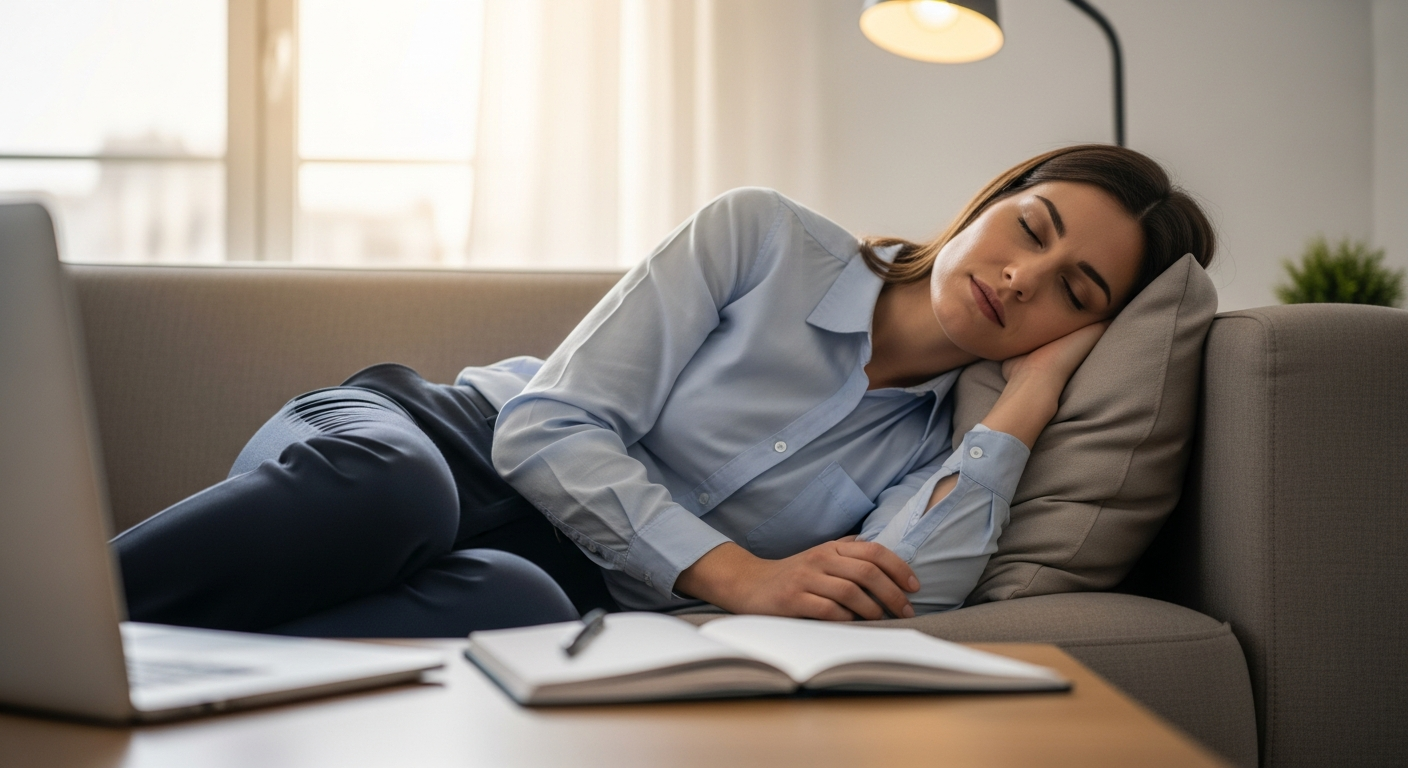
Napping can also boost your immune system. During sleep, your body produces cytokines, which help fight inflammation and infection.
For athletes, napping can enhance performance and recovery. A short nap can improve reaction time, accuracy, and endurance.
In addition to the tangible benefits, napping can also offer a sense of relaxation and well-being. Taking a break from the demands of the day can provide a mental reset and improve your overall mood.
Consider incorporating napping into your routine to experience these many benefits firsthand. Experiment with different nap lengths and timings to find what works best for you.
Remember that napping is not a sign of weakness or laziness. It’s a strategic tool for enhancing your performance and well-being.
Embrace the power of the nap and unlock your full potential.
Napping can be particularly beneficial for those who work long hours or have demanding schedules. It can help to combat fatigue and improve focus, allowing you to stay productive throughout the day.
Students can also benefit from napping, especially during exam periods. A short nap can improve memory and concentration, helping you to retain information more effectively.
The Ideal Nap Length for Different Needs
The optimal nap duration varies depending on your specific needs and goals. Different nap lengths offer distinct benefits, so it’s essential to understand which one is right for you.
A 20-minute power nap is perfect for a quick energy boost and increased alertness. This duration allows you to reap the cognitive benefits of napping without entering deeper sleep stages, preventing grogginess upon waking.
For enhanced memory consolidation and creative problem-solving, consider a 60-minute nap. This length allows you to enter slow-wave sleep, which is crucial for memory processing and cognitive restoration.
However, be aware that waking up from this stage can sometimes lead to temporary sleep inertia, a feeling of grogginess that can last up to 30 minutes. A 90-minute nap, on the other hand, allows you to complete a full sleep cycle, which includes both slow-wave and REM sleep.
A 30-minute nap is generally not recommended, as it can often result in sleep inertia without providing significant cognitive benefits. This duration can leave you feeling more tired than before you napped.
If you’re looking to improve your mood and reduce stress, a 20-minute power nap is often sufficient. It can provide a quick mental reset and help you to feel more relaxed.
For those who need to learn and retain new information, a 60-minute nap can be particularly helpful. It allows your brain to process and consolidate the information, making it easier to recall later.
If you’re feeling particularly fatigued or sleep-deprived, a 90-minute nap can provide a more substantial restorative effect. It allows you to complete a full sleep cycle, which can help to improve your overall sleep quality.
Experiment with different nap lengths to find what works best for you. Pay attention to how you feel after each nap and adjust the duration accordingly.
Consider your individual needs and goals when determining the ideal nap length. Are you looking for a quick energy boost, improved memory, or deep rest?
The answer to this question will help you to choose the right nap duration for your specific situation.
Also, be mindful of your sleep schedule and avoid napping too close to bedtime. This can interfere with your nighttime sleep and disrupt your sleep cycle.
Ultimately, the best nap length is the one that leaves you feeling refreshed and energized without causing sleep inertia or disrupting your nighttime sleep.
Nap Duration Quick Reference
Choosing the right nap duration can significantly impact how refreshed and productive you feel afterward. Understanding the different nap lengths and their associated benefits can help you tailor your napping routine to your specific needs.
Here’s a quick reference table to guide you in selecting the ideal nap duration for various situations.
| Nap Duration | Benefits | Ideal For |
|---|---|---|
| 20 minutes | Increased alertness, improved mood, enhanced performance | Quick energy boost, combating afternoon slump |
| 60 minutes | Memory consolidation, creative problem-solving | Learning new information, complex tasks |
| 90 minutes | Full sleep cycle, improved emotional regulation, enhanced creativity | Deep rest, stress reduction |
| 30 minutes | Not Recommended | Can cause grogginess and sleep inertia |
This table provides a general guideline, but it’s important to remember that individual needs may vary. Experiment with different nap lengths to find what works best for you.
Consider your daily schedule and energy levels when planning your naps. If you know you’ll have a particularly demanding afternoon, a 20-minute power nap can help you stay focused and productive.
If you’re studying for an exam or working on a complex project, a 60-minute nap can help you to consolidate information and improve your problem-solving abilities.
If you’re feeling stressed or overwhelmed, a 90-minute nap can provide a deep restorative effect and help you to regulate your emotions.
Avoid 30-minute naps whenever possible, as they can often leave you feeling more tired than before you napped. This duration is often too short to provide significant benefits but long enough to induce sleep inertia.
Use this quick reference table as a starting point for creating your own personalized napping routine. Adjust the nap durations based on your individual needs and preferences.
Remember to consider the timing of your naps as well. Napping too late in the afternoon or evening can interfere with your nighttime sleep.
By understanding the different nap lengths and their associated benefits, you can optimize your napping routine for maximum productivity and well-being.
Timing Your Nap for Optimal Results
Timing is crucial when it comes to napping, as the time of day can significantly affect the quality and benefits of your nap. Aligning your nap with your body’s natural circadian rhythm can enhance its effectiveness.
The best time for an afternoon nap is typically between 1:00 PM and 3:00 PM, when your body experiences a natural dip in alertness. This aligns with the post-lunch dip that many people experience, making it an ideal time to recharge.
Avoid napping too late in the afternoon or evening, as this can interfere with your nighttime sleep. Napping too close to bedtime can make it harder to fall asleep at night and disrupt your sleep cycle.
If you work irregular hours or have a disrupted sleep schedule, experiment with different nap times to find what works best for you. Pay attention to how you feel after each nap and adjust the timing accordingly to optimize your sleep.
Consider your individual chronotype when determining the best time to nap. Are you an early bird or a night owl?
Early birds may benefit from napping earlier in the afternoon, while night owls may prefer a later nap time.
Pay attention to your body’s natural cues and try to nap when you feel the most tired. This will help you to fall asleep more easily and get the most out of your nap.
Avoid napping when you’re feeling anxious or stressed. This can make it harder to fall asleep and may even worsen your anxiety.
Create a relaxing pre-nap routine to help you wind down and prepare for sleep. This could include reading a book, listening to calming music, or taking a warm bath.
Be consistent with your nap times, even on weekends. This will help to regulate your body’s natural sleep-wake cycle and improve the quality of your naps.
If you’re struggling to fall asleep during your nap, don’t force it. Get up and do something relaxing for a few minutes before trying again.
Remember that the goal of napping is to improve your alertness and performance, not to replace nighttime sleep. Prioritize getting 7-9 hours of quality sleep each night.
Overcoming Sleep Inertia
Sleep inertia, the groggy feeling you experience upon waking from a nap, can be a common side effect, especially after longer naps. Understanding how to minimize sleep inertia can make your naps more productive and enjoyable.
One of the best ways to reduce sleep inertia is to limit your naps to 20 minutes or less, avoiding deeper sleep stages. If you opt for a longer nap, give yourself some time to fully wake up before engaging in demanding tasks.
Engaging in light physical activity, such as stretching or a short walk, can help shake off the grogginess. Exposure to bright light can also help reset your body’s internal clock and increase alertness.
Consider drinking a cup of coffee or tea immediately before your nap. The caffeine takes about 30 minutes to kick in, so you’ll wake up feeling refreshed and alert. Be mindful of your caffeine intake, especially if you’re sensitive to its effects.
Hydration can also play a role in reducing sleep inertia. Dehydration can contribute to fatigue and grogginess, so make sure to drink plenty of water throughout the day.
Adjusting your sleep environment can also help. Make sure your napping space is dark, quiet, and cool. This will help you to fall asleep more easily and wake up feeling more refreshed.
Experiment with different wake-up strategies to find what works best for you. Some people find that setting an alarm with a gradually increasing volume helps them to wake up more gently.
Others prefer to use a light therapy alarm clock, which simulates sunrise and gradually increases the light in the room.
Avoid hitting the snooze button, as this can disrupt your sleep cycle and worsen sleep inertia. It’s better to get up as soon as your alarm goes off.
If you consistently experience significant sleep inertia after napping, consider adjusting your nap duration or timing. You may need to experiment to find what works best for you.
In some cases, sleep inertia can be a sign of an underlying sleep disorder. If you’re concerned, talk to your doctor.
By implementing these strategies, you can minimize sleep inertia and make your naps more productive and enjoyable.
Napping vs. Nighttime Sleep
While napping offers numerous benefits, it’s essential to recognize that it’s not a replacement for adequate nighttime sleep. Nighttime sleep is crucial for overall health and well-being, providing restorative functions that naps can’t fully replicate.
Prioritize getting 7-9 hours of quality sleep each night to support optimal physical and mental health. Naps should be used as a supplement to, not a substitute for, a consistent sleep schedule.
Excessive napping, especially if it’s interfering with your nighttime sleep, could be a sign of an underlying sleep disorder or other health issue. If you find yourself constantly needing to nap or feeling excessively tired during the day, consult with a healthcare professional.
Naps can be a valuable tool for managing sleep debt and improving alertness, but they should be integrated into a broader sleep hygiene strategy. This includes maintaining a regular sleep schedule, creating a relaxing bedtime routine, and optimizing your sleep environment.
Nighttime sleep allows your body to go through multiple sleep cycles, including both slow-wave and REM sleep. These cycles are essential for memory consolidation, hormone regulation, and immune function.
Naps, on the other hand, typically only allow you to complete a partial sleep cycle. While they can provide a quick energy boost and improve alertness, they don’t offer the same comprehensive restorative benefits as nighttime sleep.
If you’re consistently struggling to get enough nighttime sleep, focus on improving your sleep hygiene. This includes creating a regular sleep schedule, avoiding caffeine and alcohol before bed, and making sure your bedroom is dark, quiet, and cool.
Consider using a sleep tracker to monitor your sleep patterns and identify any potential problems. This can help you to make informed decisions about your sleep habits and improve your overall sleep quality.
If you suspect that you may have a sleep disorder, talk to your doctor. They can perform a sleep study to diagnose the problem and recommend appropriate treatment.
Remember that napping is not a cure-all for sleep problems. It’s a tool that can be used to supplement nighttime sleep, but it’s not a replacement for it.
Prioritize getting enough quality nighttime sleep to support your overall health and well-being.
Creating a Napping Routine
Establishing a consistent napping routine can help you maximize the benefits of napping and make it a sustainable part of your daily life. A structured approach ensures that you’re napping at the right time and in the right environment.
Start by identifying a quiet and comfortable space where you can relax without distractions. This could be your bedroom, a designated napping room, or even a comfortable chair in a quiet corner.
- Set a consistent nap time
- Create a relaxing pre-nap routine
- Use sleep aids like eye masks or earplugs
- Ensure a dark and quiet environment
- Avoid screens before napping
A consistent nap time helps regulate your body’s natural sleep-wake cycle. Try to nap at the same time each day, even on weekends, to reinforce this cycle.
A relaxing pre-nap routine can help you wind down and prepare for sleep. This could include reading a book, listening to calming music, or taking a warm bath.
Sleep aids like eye masks and earplugs can help to block out light and noise, creating a more conducive environment for sleep. Experiment with different sleep aids to find what works best for you.
A dark and quiet environment is essential for promoting sleep. Make sure your napping space is free from distractions and that the temperature is comfortable.
Avoid screens before napping, as the blue light emitted from electronic devices can interfere with sleep. Turn off your phone, computer, and television at least 30 minutes before you plan to nap.
Consider using a white noise machine to block out distracting sounds. White noise can help to create a more consistent and calming environment for sleep.
Make sure your napping space is well-ventilated. Fresh air can help to improve sleep quality.
Avoid eating a heavy meal before napping, as this can make you feel sluggish and uncomfortable. If you’re hungry, have a light snack instead.
Be patient and persistent with your napping routine. It may take some time to find what works best for you.
Don’t get discouraged if you have trouble falling asleep at first. Keep practicing and you’ll eventually be able to create a napping routine that works for you.
Conclusion
Incorporating strategic napping into your daily routine can be a game-changer for your productivity and well-being. By understanding the napping benefits productivity and how to optimize your nap duration and timing, you can unlock a wealth of cognitive and emotional benefits.
Remember, the key is to find the right balance and integrate napping into a holistic sleep hygiene strategy. Experiment with different nap lengths and timings to discover what works best for your individual needs and lifestyle.
With a little planning and consistency, you can harness the power of the power nap to boost your focus, creativity, and overall quality of life. Embrace the art of strategic rest and experience the transformative effects of napping on your daily performance.
Napping is a valuable tool that can help you to achieve your goals and live a more fulfilling life. Don’t underestimate the power of a well-timed nap.
By incorporating napping into your routine, you can improve your cognitive function, emotional regulation, and physical health.
So, go ahead and embrace the art of strategic rest and experience the transformative effects of napping on your daily performance.
Your mind and body will thank you for it.