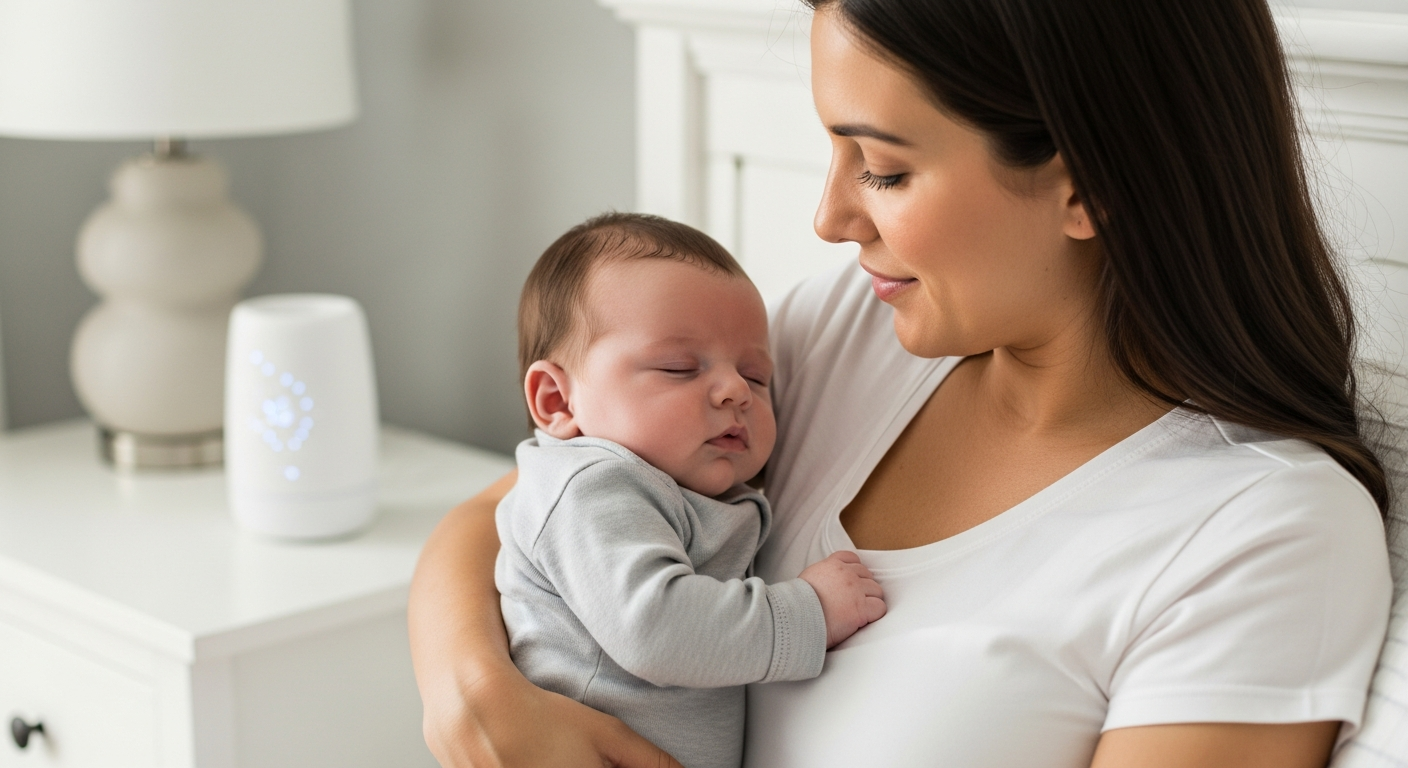

Putting your child to bed should be a peaceful and comforting experience, but for many families, it can become a nightly battleground. One of the most common culprits behind bedtime struggles is separation anxiety at bedtime, a perfectly normal developmental phase that can still be incredibly challenging for both children and parents.
Understanding the root causes of this anxiety and implementing effective strategies can transform bedtime from a source of stress into a cherished routine. Let’s explore how to soothe your child’s fears and create a more peaceful transition to sleep.
By understanding separation anxiety, recognizing its signs, and establishing comforting routines, you can help your child overcome their bedtime fears. Remember, consistency and patience are key to creating a positive and secure bedtime experience for everyone involved.
Understanding Separation Anxiety in Children
Separation anxiety is a natural part of childhood development, typically emerging around 6 to 8 months of age and peaking between 12 and 18 months. It’s a sign that your child is forming strong attachments to you and understands that you exist even when you’re not in sight.
However, this understanding can also lead to anxiety when you’re not physically present, especially during transitions like bedtime. Children may fear that something bad will happen to them or their loved ones while they’re apart.
Several factors can contribute to separation anxiety at bedtime, including changes in routine, stressful events, or simply a child’s temperament. Some children are naturally more sensitive and prone to anxiety than others.
It’s important to remember that separation anxiety is not a sign of a child’s manipulation or defiance. Instead, it’s an expression of their genuine fear and need for reassurance.
This anxiety stems from the child’s developing understanding of object permanence. They realize that even when they cannot see you, you still exist, but they haven’t yet fully grasped the concept that you will always return.

Therefore, the fear of being alone at bedtime can be a manifestation of this uncertainty. The darkness and quiet of the night can amplify these feelings of vulnerability.
Major life transitions, such as starting daycare or moving to a new home, can exacerbate separation anxiety. These events disrupt a child’s sense of stability and security, leading to increased clinginess and anxiety at bedtime.
Even seemingly small changes, like a new babysitter or a different bedtime routine, can trigger anxiety in sensitive children. It’s crucial to be mindful of these potential stressors and provide extra support and reassurance during these times.
Identifying Signs of Separation Anxiety at Bedtime
Recognizing the signs of separation anxiety at bedtime is the first step in addressing it effectively. Children may exhibit a variety of behaviors when they’re feeling anxious about being separated from their parents at night.
Common signs include crying, clinging, refusing to go to bed, repeatedly asking for a parent to stay, or making excuses to get out of bed. Some children may also experience physical symptoms like stomachaches or headaches.
It’s important to differentiate between typical bedtime resistance and genuine separation anxiety. Occasional stalling or requests for “one more story” are normal, but persistent and intense distress signals a deeper issue.
Pay attention to the context in which these behaviors occur. Is your child more anxious during periods of change or stress? Are they generally more clingy than other children their age?
Beyond the common signs, some children may exhibit more subtle indicators of separation anxiety. These can include changes in appetite, increased irritability, or difficulty concentrating during the day.
Regression to earlier behaviors, such as bedwetting or thumb-sucking, can also be a sign that your child is feeling anxious and insecure. These behaviors are often a way for children to seek comfort and security in times of stress.
Observe your child’s body language and facial expressions for clues about their emotional state. A child who is feeling anxious may appear tense, fidgety, or withdrawn.
It’s also important to consider your child’s developmental stage when assessing their behavior. What might be considered normal separation anxiety for a toddler could be a sign of a more significant issue in an older child.
Creating a Secure and Loving Bedtime Routine
Establishing a consistent and predictable bedtime routine is one of the most effective ways to ease separation anxiety at bedtime. A routine provides a sense of security and predictability, helping children feel more in control of the situation.
Start by setting a consistent bedtime and wake-up time, even on weekends. This helps regulate your child’s internal clock and makes it easier for them to fall asleep and wake up refreshed.
| Routine Step | Description | Example |
|---|---|---|
| Wind-Down Time | Activities that help your child relax before bed | Warm bath, reading a book, gentle stretching |
| Hygiene | Essential tasks like brushing teeth and changing into pajamas | Brushing teeth for two minutes, putting on pajamas |
| Quiet Activity | Calm and engaging activity to promote drowsiness | Reading a story together, listening to calming music |
| Final Goodnight | A loving and reassuring farewell | Hugs, kisses, and a comforting phrase |
Incorporate calming activities into the routine, such as a warm bath, reading a story, or listening to soothing music. Avoid screen time in the hour before bed, as the blue light emitted from devices can interfere with sleep.
The bedtime routine should be a positive and enjoyable experience for both you and your child. Make it a time for connection and bonding, rather than a source of stress or conflict.
Involve your child in creating the bedtime routine. This will give them a sense of ownership and control, making them more likely to cooperate. Let them choose the books you read or the songs you listen to.
Be consistent with the routine, even when you’re traveling or staying at someone else’s house. This will help your child feel secure and grounded, regardless of their surroundings.
Consider adding a visual schedule of the bedtime routine to your child’s room. This can help them understand what to expect and feel more in control of the process.
Gradual Separation Techniques for Bedtime
For children with significant separation anxiety at bedtime, gradual separation techniques can be helpful. These techniques involve slowly increasing the distance and time you spend away from your child as they fall asleep.
Start by staying in the room until your child is asleep, gradually moving further away each night. You might begin by sitting next to their bed, then moving to a chair across the room, and eventually sitting outside the door.
Another technique is to check in on your child at increasing intervals after they’re in bed. Tell them you’ll be back in five minutes, then ten minutes, and so on, gradually extending the time between check-ins.
It’s important to be consistent and predictable with these techniques. Let your child know what to expect and follow through with your promises.
Before starting gradual separation, explain the process to your child in a calm and reassuring manner. Let them know that you understand their fears and that you’re there to support them.
During the check-ins, keep your interactions brief and positive. Avoid engaging in lengthy conversations or getting drawn into power struggles. Simply reassure your child that you’re there and that they’re safe.
If your child becomes distressed during the separation process, don’t give in and return to their bedside immediately. Instead, try to soothe them from a distance with your voice or by offering a reassuring touch.
Celebrate your child’s progress and acknowledge their efforts to overcome their anxiety. Positive reinforcement can help them feel more confident and motivated.
Using Comfort Items and Transitional Objects
Comfort items and transitional objects can provide a sense of security and comfort for children experiencing separation anxiety at bedtime. These items serve as a tangible reminder of a parent’s presence and can help ease anxiety.
A favorite stuffed animal, blanket, or small toy can become a cherished companion for your child at bedtime. Allow your child to choose their own comfort item and encourage them to keep it with them at night.
- A familiar scent on a blanket
- A recording of your voice reading a story
- A picture of the family near the bed
- A nightlight with a calming glow
- A white noise machine to block out disruptive sounds
You can also create a “safe space” in your child’s bedroom by decorating it with comforting colors, pictures, and items. Make sure the room is dark, quiet, and cool to promote restful sleep.
When introducing a comfort item, make sure it is safe for your child to have in bed. Avoid items with small parts that could be a choking hazard.
If your child is hesitant to use a comfort item, try associating it with positive experiences. For example, you could read a story while snuggling with the item, or bring it along on fun outings.
Be respectful of your child’s attachment to their comfort item. Don’t tease them about it or try to take it away from them. It’s a source of comfort and security.
Consider having a backup comfort item in case the original one gets lost or damaged. This will prevent your child from experiencing unnecessary distress.
Addressing Childhood Anxiety During the Day
Sometimes, separation anxiety at bedtime is a symptom of more general childhood anxiety. Addressing these underlying issues during the day can have a positive impact on nighttime fears.
Engage in open and honest conversations with your child about their worries and concerns. Validate their anxieties and let them know that it’s okay to feel scared or uncertain.
Teach your child coping skills for managing anxiety, such as deep breathing exercises, progressive muscle relaxation, or positive self-talk. These techniques can help them feel more in control of their emotions.
Encourage your child to participate in activities that promote relaxation and reduce stress, such as playing outdoors, engaging in creative pursuits, or spending time with loved ones. A child who is active and engaged is less likely to be consumed by their fears.
Help your child identify their triggers for anxiety and develop strategies for managing them. This could involve avoiding situations that make them anxious, or practicing relaxation techniques before entering a stressful environment.
Model healthy coping mechanisms for dealing with your own anxiety. Show your child that it’s okay to feel anxious and that there are ways to manage those feelings in a healthy way.
Read books or watch movies together that address the topic of anxiety in a relatable way. This can help your child feel less alone and more empowered to cope with their fears.
Create a calm and supportive home environment where your child feels safe and loved. A secure attachment to their parents is essential for helping children overcome anxiety.
When to Seek Professional Guidance for Anxiety
While separation anxiety is a normal developmental phase, it’s important to recognize when it becomes excessive or interferes with your child’s daily life. In some cases, professional guidance may be necessary.
If your child’s anxiety is causing significant distress, impacting their ability to function at school or home, or accompanied by other symptoms like depression or panic attacks, seek help from a qualified mental health professional.
A therapist can help your child develop coping strategies for managing their anxiety and address any underlying issues that may be contributing to their fears. Cognitive-behavioral therapy (CBT) is a common and effective treatment for anxiety in children.
Don’t hesitate to reach out to your pediatrician or family doctor for guidance. They can provide referrals to mental health professionals and offer support and resources for your family.
Signs that professional help may be needed include persistent and intense anxiety that doesn’t improve with home-based strategies. Also, if the anxiety is causing significant disruption to the family’s daily life, it’s time to seek outside support.
A mental health professional can assess your child’s anxiety and determine the best course of treatment. This may involve individual therapy, family therapy, or medication.
Remember that seeking professional help is a sign of strength, not weakness. It’s a way to provide your child with the support they need to thrive.
Early intervention is key to preventing anxiety from becoming a chronic problem. Don’t wait until your child’s anxiety is severe before seeking help.
Fostering Independence and Self-Soothing Skills
Encouraging independence and self-soothing skills during the day can help reduce separation anxiety at bedtime. When children feel confident in their ability to handle challenges and comfort themselves, they’re less likely to rely on their parents for reassurance at night.
Provide opportunities for your child to make choices and solve problems on their own. This could involve letting them pick out their clothes, prepare a simple snack, or resolve a minor conflict with a sibling.
Teach your child self-soothing techniques, such as taking deep breaths, counting to ten, or visualizing a peaceful scene. These strategies can help them calm down when they’re feeling anxious or upset.
Praise your child’s efforts to be independent and self-sufficient, even if they don’t always succeed. Reinforcing their positive behaviors will encourage them to continue developing these skills.
Start small and gradually increase the level of independence you expect from your child. Don’t overwhelm them with too much responsibility at once.
Create opportunities for your child to practice self-soothing skills in a safe and supportive environment. This could involve role-playing different scenarios or providing them with a quiet space to calm down.
Be patient and understanding as your child learns to become more independent. It’s a process that takes time and effort.
Celebrate your child’s successes and acknowledge their progress. This will help them feel more confident in their ability to handle challenges on their own.
The Importance of Parental Self-Care
Dealing with a child’s separation anxiety at bedtime can be emotionally draining for parents. It’s essential to prioritize your own self-care to maintain your well-being and effectively support your child.
Make time for activities that help you relax and recharge, such as exercising, reading, spending time with friends, or pursuing a hobby. Taking care of your own needs will make you a more patient and supportive parent.
Don’t be afraid to ask for help from your partner, family members, or friends. Sharing the responsibility of bedtime routines and childcare can alleviate stress and prevent burnout.
Remember, you’re not alone in this. Many parents struggle with their children’s separation anxiety, and there are resources available to help you navigate this challenging phase.
Prioritizing self-care is not selfish; it’s essential for your well-being and your ability to parent effectively. You can’t pour from an empty cup.
Find small ways to incorporate self-care into your daily routine. Even a few minutes of mindfulness or a short walk can make a difference.
Set realistic expectations for yourself and your child. Don’t try to be perfect, and don’t expect your child to overcome their anxiety overnight.
Be kind to yourself and remember that you’re doing the best you can. Parenting is a challenging job, and it’s okay to ask for help when you need it.
Conclusion
Separation anxiety at bedtime is a common challenge that can disrupt sleep and create stress for both children and parents. By understanding the causes of this anxiety and implementing effective strategies, you can help your child overcome their fears and develop healthy sleep habits.
Remember to create a consistent and loving bedtime routine, use gradual separation techniques, provide comfort items, and address any underlying anxiety issues. With patience, consistency, and a supportive approach, you can transform bedtime from a battleground into a peaceful and comforting experience for your child.
It’s important to remember that every child is different, and what works for one child may not work for another. Be flexible and willing to adjust your approach as needed.
Celebrate small victories and acknowledge your child’s progress. Overcoming separation anxiety is a journey, not a destination.
By creating a safe and supportive environment, you can help your child develop the confidence and resilience they need to overcome their fears and enjoy a restful night’s sleep.