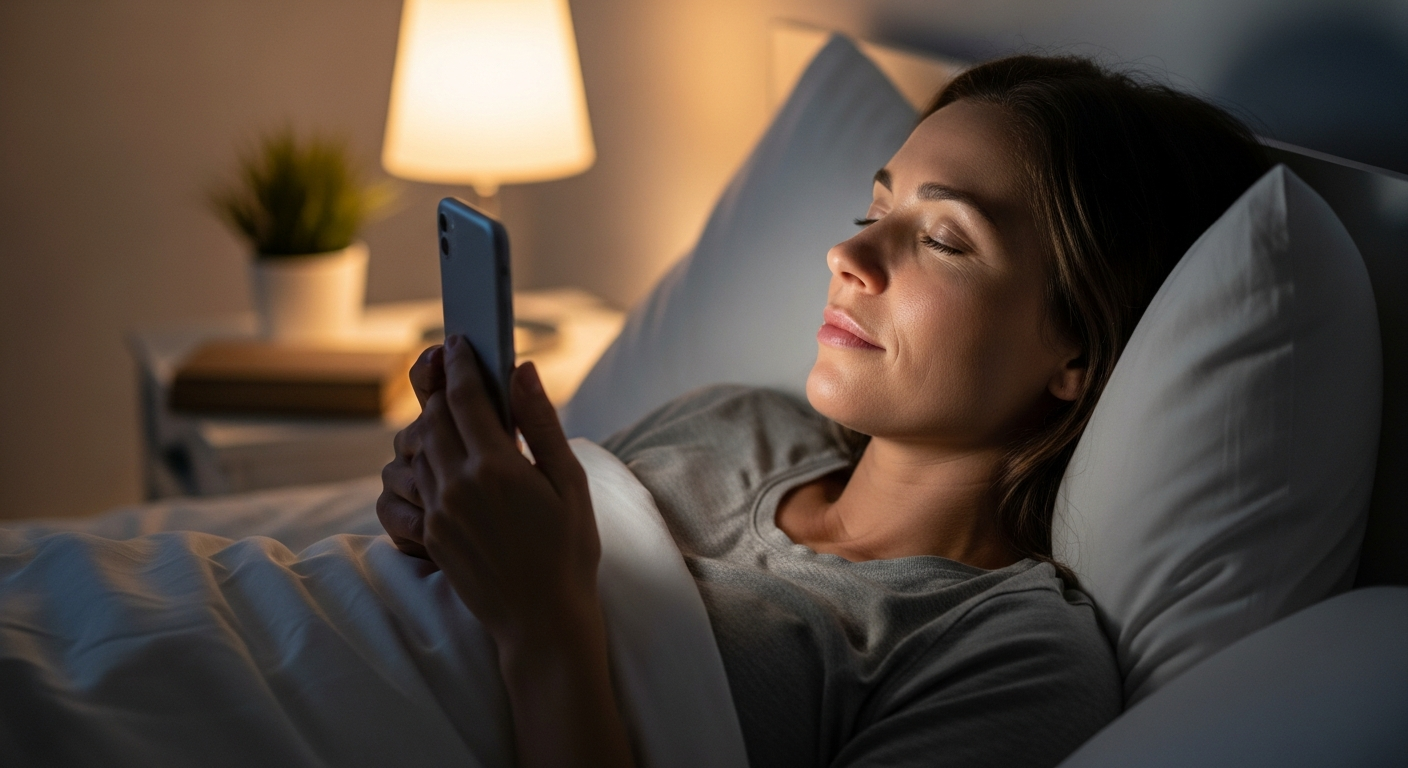
Tracking your sleep might seem like a modern obsession, but it’s rooted in a desire to understand a fundamental aspect of our health. Good sleep is essential for physical and mental well-being, impacting everything from mood to immune function. Understanding your sleep patterns can provide valuable insights into your overall health and help you make informed decisions about your lifestyle.
With the rise of technology, numerous sleep tracking methods have become available, ranging from sophisticated wearable devices to simple smartphone apps. These tools offer a convenient way to monitor your sleep habits and identify potential areas for improvement. This article will guide you through various sleep tracking methods, helping you choose the best approach for your needs.
We’ll explore the pros and cons of each method, discuss how to interpret the data, and provide tips for using this information to enhance your sleep quality. Whether you’re struggling with insomnia or simply curious about your sleep patterns, learning about sleep tracking methods can be a game-changer. Let’s get started on your path to better sleep!
Why Track Your Sleep?
Tracking your sleep offers numerous benefits, providing insights into your sleep patterns and overall health. One of the most significant advantages is identifying potential sleep disorders. Recognizing irregular sleep patterns or frequent awakenings can prompt you to seek professional help and address underlying issues like sleep apnea or insomnia.
Beyond identifying disorders, sleep tracking helps you understand how lifestyle factors impact your sleep. By monitoring your sleep after consuming caffeine, alcohol, or engaging in late-night activities, you can see firsthand how these habits affect your sleep quality. This awareness can empower you to make healthier choices and optimize your sleep environment.
Tracking sleep duration and sleep quality can also reveal correlations between sleep and daytime performance. For example, if you consistently wake up feeling tired despite getting what you believe is enough sleep, tracking your sleep cycles can reveal disruptions. This can lead to adjustments in your sleep schedule or bedtime routine to improve daytime alertness and productivity.
Moreover, sleep tracking can be a powerful tool for monitoring the effectiveness of sleep interventions. If you’re trying new strategies to improve your sleep, such as adjusting your diet or incorporating relaxation techniques, tracking your sleep provides objective data on whether these changes are working. This feedback loop can motivate you to stick with healthy habits and refine your approach for optimal results.
Understanding Sleep Metrics
Before diving into sleep tracking, it’s essential to understand the key metrics these tools provide. These metrics offer a comprehensive view of your sleep patterns and can help you identify areas for improvement. Total sleep time is the most straightforward metric, representing the total duration you spend asleep each night.
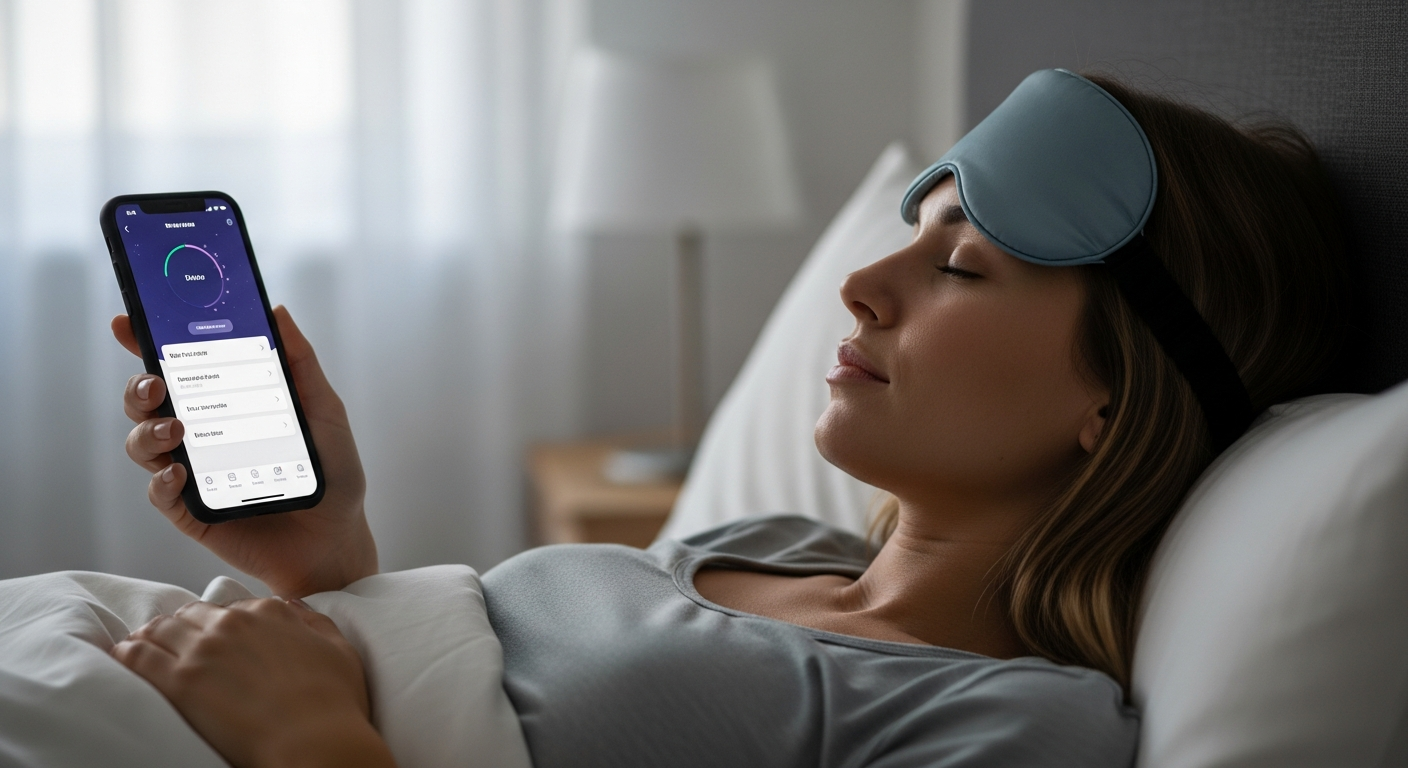
Sleep latency refers to the time it takes you to fall asleep after going to bed. A long sleep latency may indicate underlying sleep issues or poor sleep hygiene. Wake after sleep onset (WASO) measures the total time you’re awake after initially falling asleep.
Sleep efficiency is the percentage of time you spend asleep while in bed. It’s calculated by dividing your total sleep time by the total time you spend in bed. A high sleep efficiency indicates restful, uninterrupted sleep.
Sleep stages are another critical aspect of sleep metrics. During a typical night, you cycle through several stages of sleep, including light sleep, deep sleep, and REM (rapid eye movement) sleep. Each stage plays a different role in physical and cognitive restoration, making it important to get enough of each.
Using Wearable Sleep Trackers
Wearable sleep trackers have become increasingly popular due to their convenience and ability to provide detailed sleep data. These devices, typically worn on the wrist, use sensors to monitor your movement, heart rate, and sometimes even skin temperature. This information is then used to estimate your sleep stages and overall sleep quality.
One of the main advantages of wearable sleep trackers is their ability to provide continuous, real-time data without requiring any active input from the user. This makes them ideal for tracking sleep patterns over extended periods and identifying trends that might not be apparent with occasional monitoring. However, it’s important to consider the accuracy of these devices.
| Tracker | Pros | Cons |
|---|---|---|
| Fitbit | Comprehensive data, user-friendly app, wide range of models | Can be less accurate than polysomnography, requires charging |
| Apple Watch | Integrates with iOS ecosystem, offers additional health tracking features | Shorter battery life, higher price point |
| Garmin | Long battery life, advanced metrics for athletes | Less user-friendly interface, fewer smart features |
| Oura Ring | Discreet design, tracks body temperature, long battery life | Higher price point, limited display |
While wearable sleep trackers can provide valuable insights, they are not as accurate as clinical sleep studies. Factors like movement and external noise can affect the accuracy of the sensors, leading to potential overestimation or underestimation of sleep stages. Despite these limitations, wearable sleep trackers can be a useful tool for gaining a general understanding of your sleep patterns.
Exploring Sleep Tracking Apps
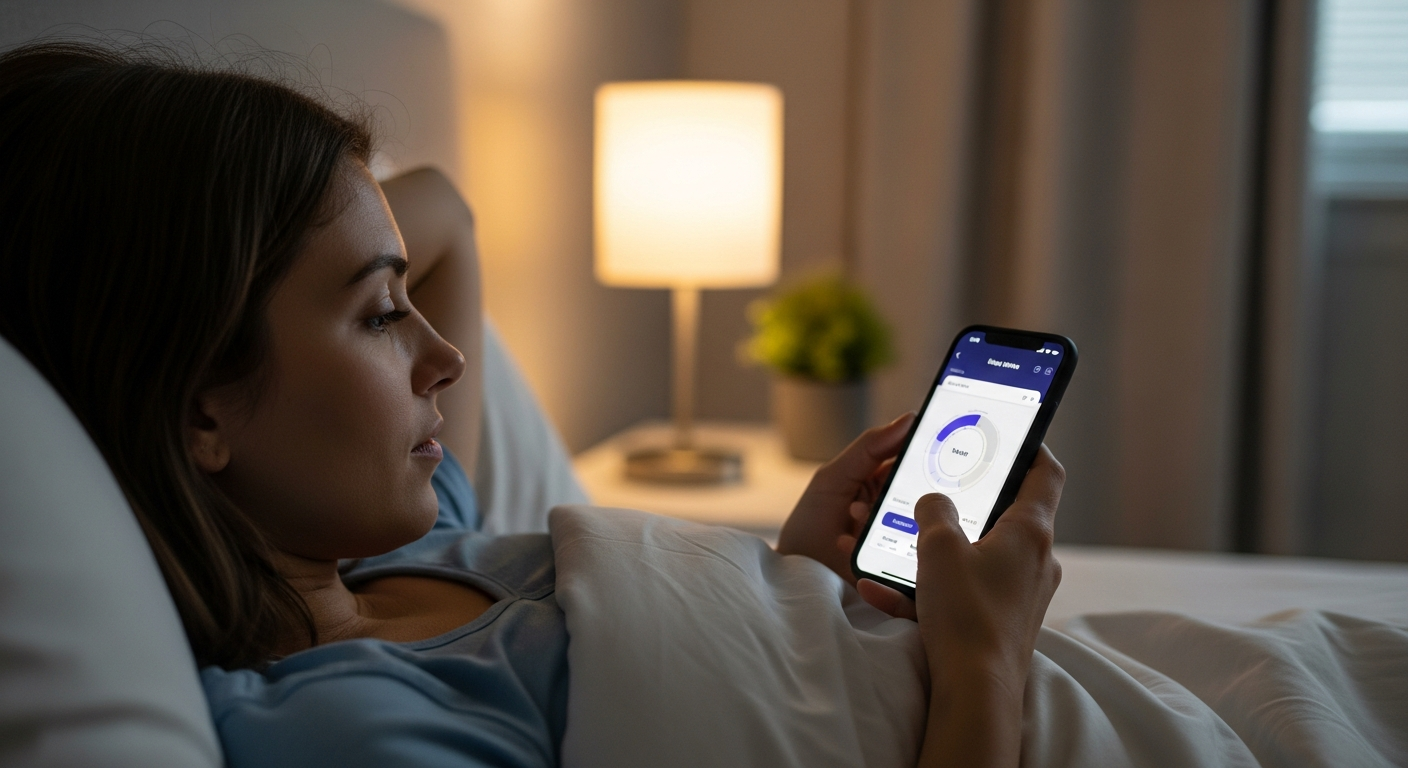
Sleep tracking apps offer an alternative to wearable devices, using your smartphone’s sensors to monitor your sleep. These apps typically rely on the accelerometer and microphone in your phone to detect movement and ambient noise, providing insights into your sleep duration and quality. One of the main advantages of sleep tracking apps is their accessibility.
Most smartphones come pre-equipped with the necessary sensors, making it easy to start tracking your sleep without investing in additional hardware. Many sleep tracking apps are available for free or at a low cost, making them a budget-friendly option for those interested in monitoring their sleep. However, there are also limitations to consider.
The accuracy of sleep tracking apps can vary depending on the app and the quality of your phone’s sensors. Since these apps rely on movement and noise to estimate sleep stages, they may not be as precise as wearable devices or clinical sleep studies. Additionally, using a sleep tracking app requires placing your phone on your bed, which can be disruptive or uncomfortable for some individuals.
Despite these limitations, sleep tracking apps can still be a valuable tool for gaining a general understanding of your sleep patterns. Many apps offer additional features, such as smart alarms that wake you up during a light sleep stage, and sleep sounds to help you fall asleep faster. By experimenting with different apps and features, you can find one that suits your needs and provides useful insights into your sleep.
Keeping a Sleep Diary
A sleep diary is a simple yet effective method for tracking your sleep habits. Unlike wearable devices and apps, a sleep diary involves manually recording information about your sleep patterns, lifestyle factors, and any sleep-related symptoms. This method offers a more personalized and detailed view of your sleep, allowing you to identify potential triggers and patterns.
To keep a sleep diary, you’ll need a notebook or a digital document where you can record your sleep-related information each day. Start by noting the time you go to bed and the time you wake up. Also, record the time it takes you to fall asleep and any awakenings during the night.
- Bedtime and wake-up time
- Time taken to fall asleep
- Number and duration of awakenings
- Consumption of caffeine or alcohol
- Physical activity and exercise
- Stress levels and mood
A sleep diary can also help you track the effectiveness of sleep interventions. If you’re trying new strategies to improve your sleep, such as adjusting your diet or incorporating relaxation techniques, record these changes in your diary. Compare your sleep patterns before and after the interventions to assess their impact. This feedback loop can motivate you to stick with healthy habits and refine your approach for optimal results.
Interpreting Your Sleep Data
Once you’ve gathered sleep data using any of the tracking methods, the next step is to interpret the information and identify meaningful patterns. Start by looking at your average sleep duration over a week or month. Most adults need around 7-9 hours of sleep per night, but individual needs can vary.
If you’re consistently getting less than 7 hours of sleep, it may be time to prioritize sleep and make adjustments to your schedule. Examine your sleep latency and WASO metrics. If you’re taking a long time to fall asleep or experiencing frequent awakenings, consider factors like stress, caffeine intake, or screen time before bed.
Pay attention to your sleep stages. While consumer sleep trackers may not be perfectly accurate in measuring sleep stages, they can still provide a general idea of your sleep architecture. Aim for a balance of light sleep, deep sleep, and REM sleep. If you notice that you’re consistently lacking in deep sleep, consider incorporating more physical activity into your day.
Also, correlate your sleep data with other factors in your life, such as diet, exercise, and stress levels. If you notice that your sleep is consistently worse on days when you consume caffeine or alcohol, consider reducing your intake or avoiding these substances close to bedtime. If stress is a major factor, explore relaxation techniques like meditation or deep breathing exercises.
Improving Sleep Hygiene
Good sleep hygiene is essential for optimizing your sleep and ensuring restful nights. This involves creating a sleep-friendly environment and adopting habits that promote relaxation and sleep. Start by establishing a consistent sleep schedule, going to bed and waking up at the same time each day, even on weekends.
This helps regulate your body’s natural sleep-wake cycle and makes it easier to fall asleep and wake up. Create a relaxing bedtime routine to wind down before sleep. This could include taking a warm bath, reading a book, or listening to calming music. Avoid screen time at least an hour before bed, as the blue light emitted from electronic devices can interfere with sleep.
Ensure your bedroom is dark, quiet, and cool. Use blackout curtains, earplugs, or a white noise machine to minimize distractions. Keep the temperature in your bedroom between 60-67 degrees Fahrenheit, as this is the optimal range for sleep. Invest in a comfortable mattress, pillows, and bedding to create a cozy sleep environment.
Pay attention to your diet and exercise habits. Avoid caffeine and alcohol close to bedtime, as these substances can disrupt sleep. Engage in regular physical activity, but avoid intense workouts in the evening. Consider incorporating relaxation techniques into your daily routine. Meditation, deep breathing exercises, and yoga can help reduce stress and promote sleep.
When to Seek Professional Help
While sleep tracking and lifestyle adjustments can improve sleep, sometimes professional help is necessary. If you’re experiencing persistent sleep problems that are affecting your daytime functioning, it’s time to consult a healthcare provider. Signs that you should seek professional help include chronic insomnia, excessive daytime sleepiness, and loud snoring.
Also, watch out for frequent awakenings or gasping for air during sleep. These could be indicators of a sleep disorder like sleep apnea. A healthcare provider can evaluate your symptoms, conduct a physical exam, and recommend further testing, such as a sleep study. A sleep study, also known as polysomnography, is a comprehensive assessment of your sleep patterns conducted in a sleep lab.
During a sleep study, sensors are attached to your body to monitor your brain waves, eye movements, muscle activity, heart rate, and breathing. This data provides a detailed picture of your sleep architecture and can help diagnose sleep disorders like sleep apnea, restless legs syndrome, and narcolepsy. Based on the results of your evaluation, a healthcare provider can recommend appropriate treatment options.
Treatment options for sleep disorders may include lifestyle changes, medication, and therapies like cognitive behavioral therapy for insomnia (CBT-I). CBT-I is a structured program that helps you identify and change thoughts and behaviors that are interfering with your sleep. It’s a highly effective treatment for chronic insomnia and can help you improve your sleep without relying on medication.
Conclusion
Tracking your sleep can be a valuable tool for understanding your sleep patterns and improving your overall health. Whether you choose wearable devices, sleep tracking apps, or a simple sleep diary, the key is to gather data and use it to make informed decisions about your sleep habits. Remember to interpret your sleep data in context and consider factors like lifestyle, stress, and underlying health conditions.
By prioritizing good sleep hygiene and seeking professional help when needed, you can take control of your sleep and enjoy the many benefits of restful nights. Experiment with different sleep tracking methods to find what works best for you. Start your journey toward better sleep today!