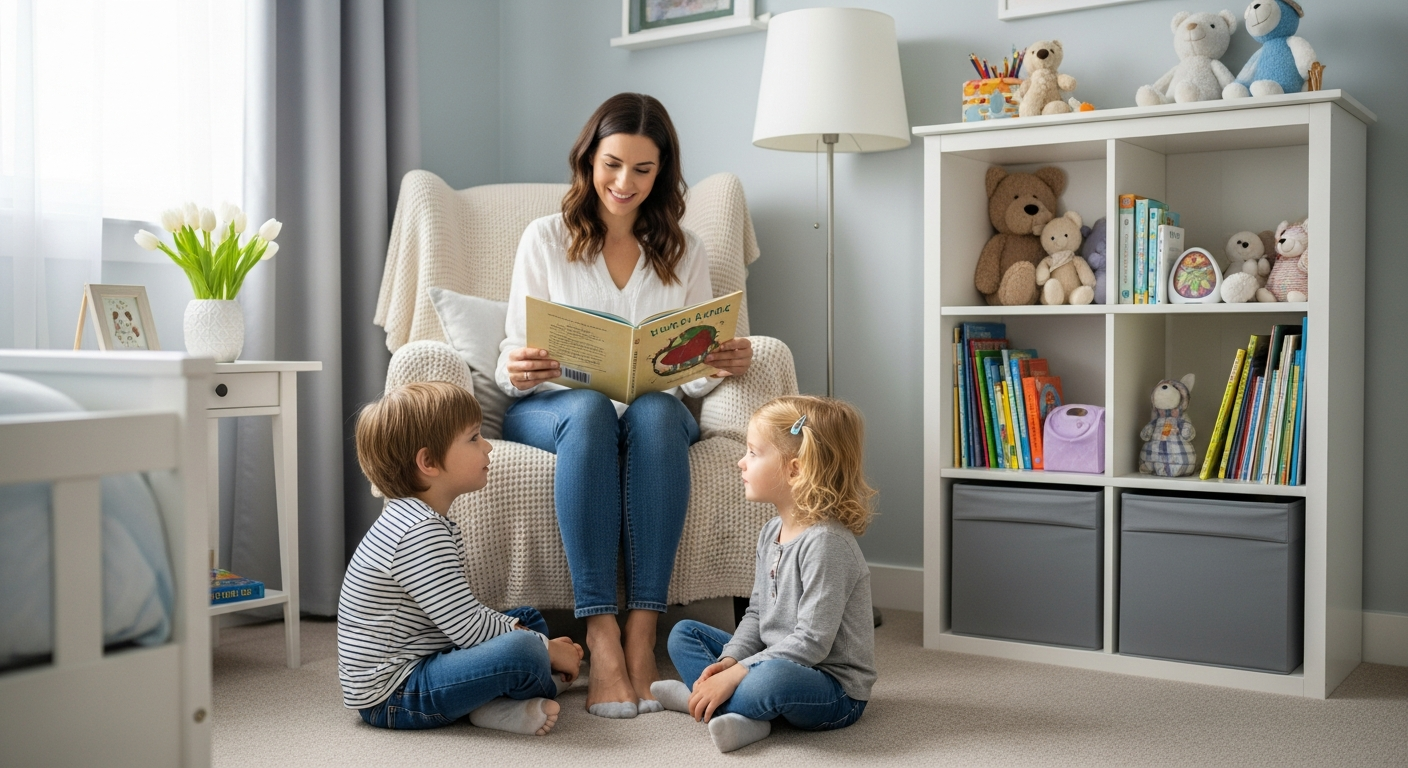

Weekends offer a precious opportunity to step away from the demands of work and school. They provide a chance to reconnect with family, recharge, and tackle those lingering household tasks.
However, without a plan, weekends can quickly devolve into a chaotic mix of screen time and unfinished to-do lists. Establishing a solid weekend routine for families can bring structure, relaxation, and a sense of accomplishment to those two valuable days.
This article will guide you through creating a weekend routine that balances family fun, personal time, and necessary chores. We’ll explore strategies for collaborative planning, incorporating leisure activities, and preparing for a smoother week ahead.
The Importance of Weekend Routines
Many people think that routines are only important during the work week, but this isn’t true. A well-structured weekend routine for families offers numerous benefits for both children and adults alike.
For children, a predictable weekend schedule can reduce anxiety and provide a sense of security. Knowing what to expect can minimize power struggles and create a more relaxed atmosphere at home.
Adults also benefit from the structure of a weekend routine. It helps to ensure that important tasks get done while still leaving room for relaxation and personal pursuits.
A balanced weekend routine can also improve overall family well-being. It provides dedicated time for connection, play, and shared experiences, strengthening bonds and creating lasting memories.
Without a routine, children may feel lost or uncertain about what to do with their time. This can lead to boredom, restlessness, and increased demands for attention.

Routines provide a framework for the day, helping children feel more grounded and in control. This sense of security can translate into improved behavior and a more positive attitude.
For adults, weekends without a plan can easily become overwhelming. The pressure to catch up on chores, run errands, and spend quality time with family can lead to stress and burnout.
A routine helps to prioritize tasks and allocate time effectively. This ensures that important responsibilities are addressed without sacrificing relaxation and personal time.
Moreover, a well-designed weekend routine can foster a sense of teamwork and cooperation within the family. When everyone knows their roles and responsibilities, it creates a more harmonious and supportive environment.
Shared activities and traditions can strengthen family bonds and create lasting memories. These positive experiences contribute to a sense of belonging and connection.
Ultimately, a weekend routine for families is an investment in well-being. It provides structure, reduces stress, and promotes connection, leading to happier and healthier lives for all.
It’s about intentionally designing your time off to maximize its benefits and create a fulfilling and enjoyable experience for everyone involved.
Planning Your Weekend: A Collaborative Approach
The most successful weekend routines are those that involve input from all family members. This ensures that everyone’s needs and preferences are considered, leading to greater buy-in and cooperation.
Start by holding a family meeting to discuss weekend goals and priorities. Ask each member what they hope to accomplish or experience during their time off.
Brainstorm a list of possible activities, chores, and downtime options. This could include family outings, individual hobbies, household tasks, or simply relaxing at home.
Once you have a comprehensive list, work together to create a flexible schedule that incorporates a mix of activities. Be sure to factor in travel time, nap schedules, and individual energy levels.
The family meeting is a crucial first step in creating a successful weekend routine. It sets the stage for open communication and collaboration.
Encourage everyone to share their ideas and preferences without judgment. This creates a safe space for expressing individual needs and desires.
When brainstorming activities, think beyond the usual suspects. Consider exploring new hobbies, trying different restaurants, or visiting local attractions you’ve never been to before.
Don’t forget to include downtime options in your list. Sometimes, the best way to recharge is simply to relax at home and do nothing.
When creating the schedule, be realistic about what you can accomplish in a weekend. Avoid over-scheduling and leave room for spontaneity.
Factor in travel time, especially if you’re planning any outings. It’s better to underestimate travel time than to be late and stressed.
Consider individual energy levels when scheduling activities. Some people are morning people, while others prefer to be active in the afternoon or evening.
Be prepared to compromise and make adjustments as needed. Not everyone will get everything they want, but everyone should feel heard and valued.
The goal is to create a weekend routine that works for the entire family. This requires open communication, flexibility, and a willingness to work together.
Creating a Sample Weekend Schedule
Here’s a sample weekend schedule to give you an idea of how to structure your family’s time. Remember that this is just a template, and you should adapt it to fit your specific needs and preferences.
This framework aims to provide structure while still allowing for flexibility and spontaneity. Feel free to adjust the timing and activities to suit your family’s unique rhythm and interests.
This sample schedule is designed to be a starting point, not a rigid set of rules. It’s important to remember that every family is different, and what works for one family may not work for another.
Consider your family’s ages, interests, and energy levels when adapting the schedule. If you have young children, you may need to incorporate more nap times and shorter activities.
If you have teenagers, you may need to give them more freedom and independence in their weekend schedules. The key is to find a balance that works for everyone.
Don’t be afraid to experiment with different schedules until you find one that feels right. It may take some trial and error to find the perfect routine for your family.
Remember to be flexible and adjust the schedule as needed. Life happens, and sometimes plans need to change. The important thing is to be adaptable and willing to go with the flow.
This sample schedule includes a mix of family activities, individual activities, chores, and downtime. This ensures that everyone’s needs are met and that the weekend is both productive and enjoyable.
The family outing on Saturday morning could be anything from a trip to the park to a visit to a museum. Choose an activity that everyone will enjoy and that provides an opportunity for learning and exploration.
The individual activities on Saturday afternoon allow everyone to pursue their own interests and recharge. This is a great time for reading, hobbies, or simply relaxing alone.
The household chores on Sunday morning are a necessary part of maintaining a clean and organized home. Involve the whole family in age-appropriate chores to make the task easier and more efficient.
The family activity on Sunday afternoon is a chance to spend quality time together and create lasting memories. This could be anything from watching a movie to playing board games.
The outdoor play on Sunday afternoon is a great way to get some exercise and fresh air. This could be anything from a bike ride to a walk in the park.
| Time | Saturday | Sunday |
|---|---|---|
| 8:00 AM | Wake up, breakfast | Wake up, breakfast |
| 9:00 AM | Family outing (park, museum) | Household chores (laundry, cleaning) |
| 11:00 AM | Individual activities (hobbies, reading) | Relaxation time (reading, puzzles) |
| 1:00 PM | Lunch | Lunch |
| 2:00 PM | Free play/downtime | Family activity (movie, board games) |
| 4:00 PM | Errands/shopping | Outdoor play (bike ride, walk) |
| 6:00 PM | Dinner | Dinner |
| 7:00 PM | Family game night/movie night | Prepare for the week ahead |
| 8:00 PM | Bedtime routine | Bedtime routine |
Balancing Family Time and Individual Needs
One of the biggest challenges in creating a weekend routine for families is balancing shared activities with individual needs. It’s important to ensure that everyone has time to pursue their own interests and recharge.
Designate specific blocks of time for individual activities. This could be an hour or two in the morning or afternoon when each family member can choose their own pursuit.
Encourage children to engage in independent play or hobbies. This not only provides them with valuable downtime but also fosters creativity and self-sufficiency.
Parents should also prioritize their own well-being by scheduling time for exercise, relaxation, or personal interests. Taking care of yourself is essential for maintaining energy and patience.
Finding the right balance between family time and individual needs is crucial for a harmonious weekend. It’s about creating a schedule that meets everyone’s needs and allows everyone to feel fulfilled.
When scheduling individual activities, be mindful of everyone’s preferences. Some people may prefer to spend time alone, while others may prefer to spend time with friends.
Encourage children to explore different hobbies and interests. This is a great way for them to discover their passions and develop new skills.
Parents should also take the time to pursue their own interests and hobbies. This is important for maintaining their own well-being and preventing burnout.
It’s also important to be flexible and allow for spontaneous changes to the schedule. Sometimes, the best weekends are the ones that are unplanned.
If someone needs more individual time, be willing to adjust the schedule to accommodate their needs. The goal is to create a weekend that works for everyone.
Communication is key to balancing family time and individual needs. Talk to each other about your preferences and be willing to compromise.
Remember that it’s okay to say no to certain activities or commitments. It’s important to prioritize your own well-being and avoid over-scheduling.
By finding the right balance between family time and individual needs, you can create weekends that are both enjoyable and fulfilling for everyone involved.
It’s about creating a weekend routine that supports everyone’s well-being and strengthens family bonds.
Incorporating Fun and Leisure Activities
Weekends are a time to relax, unwind, and enjoy quality time together. Be sure to incorporate plenty of fun and leisure activities into your weekend routine for families.
Plan family outings to local parks, museums, or attractions. These experiences provide opportunities for learning, exploration, and creating shared memories.
Engage in active play together, such as bike rides, hikes, or sports. Physical activity is not only good for your health but also a great way to bond and have fun.
Don’t underestimate the power of simple pleasures, like reading together, playing board games, or watching a movie as a family. These activities can be just as rewarding as more elaborate outings.
Fun and leisure activities are essential for creating a positive and enjoyable weekend experience. They provide opportunities for relaxation, connection, and creating lasting memories.
When planning family outings, consider everyone’s interests and abilities. Choose activities that everyone will enjoy and that are appropriate for their age and skill level.
Don’t be afraid to try new things. Exploring new places and activities can be a great way to create excitement and adventure.
Active play is a great way to get some exercise and fresh air. It’s also a fun way to bond with your family and create positive associations with physical activity.
Simple pleasures can be just as rewarding as more elaborate outings. Reading together, playing board games, or watching a movie as a family can be a great way to relax and connect.
Don’t forget to incorporate downtime into your weekend schedule. Sometimes, the best way to recharge is simply to relax at home and do nothing.
Be mindful of screen time. While it’s okay to watch a movie or play video games occasionally, it’s important to limit screen time and encourage other activities.
Create a weekend tradition. This could be anything from going out for ice cream on Saturday night to having a family brunch on Sunday morning.
Be spontaneous and embrace the unexpected. Sometimes, the best weekends are the ones that are unplanned.
By incorporating fun and leisure activities into your weekend routine, you can create weekends that are both enjoyable and memorable for the whole family.
Managing Household Chores and Errands
While weekends are primarily for relaxation and fun, it’s also important to tackle necessary household chores and errands. The key is to find a balance that allows you to get things done without sacrificing your downtime.
Involve the whole family in age-appropriate chores. Even young children can help with simple tasks like setting the table or putting away toys.
- Assign specific chores to each family member
- Create a chore chart to track progress
- Set a timer and make chores a race against the clock
- Listen to music or podcasts while you work
- Reward yourselves with a fun activity after completing the chores
Consider tackling larger cleaning projects in smaller chunks. Instead of trying to clean the entire house in one day, focus on one room or task at a time.
Managing household chores and errands effectively is essential for creating a relaxing and enjoyable weekend. The goal is to get things done without feeling overwhelmed or sacrificing your downtime.
Involving the whole family in chores is a great way to share the workload and teach children responsibility. Even young children can help with simple tasks.
Assigning specific chores to each family member ensures that everyone knows what they are responsible for. This can help to prevent arguments and ensure that tasks are completed efficiently.
Creating a chore chart can help to track progress and motivate everyone to stay on task. You can even offer rewards for completing chores on time.
Making chores a race against the clock can make them more fun and engaging. Set a timer and see who can complete their chores the fastest.
Listening to music or podcasts while you work can make chores more enjoyable. Choose something that you all enjoy and that will keep you motivated.
Rewarding yourselves with a fun activity after completing the chores can provide an incentive to get things done. This could be anything from going out for ice cream to watching a movie.
Tackling larger cleaning projects in smaller chunks can make them less daunting. Focus on one room or task at a time and take breaks as needed.
Consider hiring a cleaning service to help with larger cleaning projects. This can free up your time and allow you to focus on other things.
Delegate errands to different family members. This can help to save time and ensure that everyone is involved in the process.
Incorporating Flexibility and Spontaneity
While a routine provides structure and predictability, it’s also important to allow for flexibility and spontaneity. Life happens, and sometimes plans need to change.
Be willing to adjust your schedule as needed to accommodate unexpected events or changing priorities. If the weather is beautiful, consider swapping an indoor activity for an outdoor one.
Leave room in your schedule for spontaneous adventures or activities. This could be anything from a last-minute trip to the ice cream shop to an impromptu dance party in the living room.
Embrace the unexpected and be open to trying new things. Some of the best weekend memories are made when you deviate from the plan and embrace the moment.
Flexibility and spontaneity are key ingredients for a successful and enjoyable weekend routine. While structure is important, it’s also essential to be able to adapt to changing circumstances and embrace unexpected opportunities.
Being willing to adjust your schedule as needed can help to prevent stress and frustration. If something unexpected comes up, don’t be afraid to change your plans.
Swapping an indoor activity for an outdoor one on a beautiful day can be a great way to enjoy the weather and get some fresh air. Take advantage of opportunities to be outside.
Leaving room in your schedule for spontaneous adventures can lead to some of the best weekend memories. Be open to trying new things and exploring new places.
A last-minute trip to the ice cream shop can be a fun and easy way to treat yourselves. It’s a simple pleasure that everyone can enjoy.
An impromptu dance party in the living room can be a great way to get some exercise and have some laughs. Put on some music and let loose.
Embracing the unexpected can lead to some of the most memorable weekend experiences. Be open to trying new things and going with the flow.
Don’t be afraid to deviate from the plan. Sometimes, the best weekends are the ones that are unplanned.
By incorporating flexibility and spontaneity into your weekend routine, you can create weekends that are both enjoyable and memorable.
It’s about finding a balance between structure and freedom, and being open to whatever the weekend may bring.
Preparing for the Week Ahead
One of the best ways to ease the transition back into the work week is to spend some time on Sunday preparing for the days ahead. This can reduce stress and make Monday morning feel less daunting.
Plan your meals for the week and do any necessary grocery shopping. This will save you time and energy during the busy weekdays.
Lay out your clothes for the week, or at least for Monday morning. This simple task can streamline your morning routine and prevent last-minute wardrobe crises.
Review your schedule for the week and identify any potential conflicts or challenges. This will allow you to proactively address any issues and avoid feeling overwhelmed.
Preparing for the week ahead on Sunday can significantly reduce stress and improve your overall well-being. It allows you to enter the work week feeling organized, prepared, and in control.
Planning your meals for the week can save you time and money. It also makes it easier to eat healthy and avoid unhealthy impulse decisions.
Doing your grocery shopping on Sunday allows you to stock up on everything you need for the week. This can prevent last-minute trips to the store during the busy weekdays.
Laying out your clothes for the week, or at least for Monday morning, can streamline your morning routine. It eliminates the stress of trying to decide what to wear at the last minute.
Reviewing your schedule for the week allows you to identify any potential conflicts or challenges. This gives you time to proactively address any issues and avoid feeling overwhelmed.
Checking your calendar and to-do list can help you prioritize tasks and manage your time effectively. This can prevent you from feeling stressed and overwhelmed during the week.
Packing your lunch the night before can save you time and money. It also allows you to control what you eat and avoid unhealthy options.
Gathering your work materials and preparing your workspace can help you start the week feeling organized and productive. It sets the stage for a successful week.
Taking some time to relax and unwind on Sunday evening can help you recharge and prepare for the week ahead. This could be anything from reading a book to taking a bath.
By preparing for the week ahead on Sunday, you can reduce stress, improve your productivity, and enhance your overall well-being.
Adapting Your Routine for Different Ages and Stages
As your children grow and your family’s needs evolve, it’s important to adapt your weekend routine accordingly. What works well for toddlers may not be suitable for teenagers.
Involve older children and teenagers in the planning process and give them more autonomy over their weekend schedules. This can help them develop time management skills and a sense of responsibility.
Be mindful of changing interests and abilities. As children get older, they may want to spend more time with friends or pursue more challenging hobbies.
Revisit your family’s weekend routine periodically to ensure that it continues to meet everyone’s needs. Be open to making adjustments and trying new approaches.
Adapting your weekend routine for different ages and stages is crucial for maintaining its effectiveness and relevance. As your children grow and your family’s needs change, your routine needs to evolve accordingly.
What works well for toddlers may not be suitable for teenagers. Toddlers may need more structured activities and nap times, while teenagers may need more freedom and independence.
Involving older children and teenagers in the planning process can help them feel more invested in the routine. It also gives them an opportunity to voice their opinions and preferences.
Giving teenagers more autonomy over their weekend schedules can help them develop time management skills and a sense of responsibility. It also allows them to pursue their own interests and hobbies.
Being mindful of changing interests and abilities is essential for keeping everyone engaged and motivated. As children get older, they may want to spend more time with friends or pursue more challenging hobbies.
Revisiting your family’s weekend routine periodically allows you to assess its effectiveness and make any necessary adjustments. This ensures that it continues to meet everyone’s needs.
Being open to making adjustments and trying new approaches is key to keeping your weekend routine fresh and engaging. Don’t be afraid to experiment with different activities and schedules.
Consider incorporating new technologies or trends into your weekend routine. This can help to keep things interesting and relevant for everyone.
Remember that your weekend routine is a work in progress. It’s okay to make changes and adjustments as needed. The goal is to create a routine that works for your family at this particular stage of life.
By adapting your weekend routine for different ages and stages, you can create weekends that are both enjoyable and beneficial for the whole family.
Troubleshooting Common Weekend Challenges
Even with the best-laid plans, weekends can sometimes present challenges. Here are some tips for troubleshooting common issues.
If children resist participating in chores or activities, try making them more fun or engaging. Turn chores into a game or offer rewards for completing tasks.
If you find yourselves constantly rushing from one activity to the next, try slowing down and simplifying your schedule. Focus on quality over quantity.
If disagreements arise over weekend plans, encourage open communication and compromise. Find solutions that address everyone’s needs and preferences.
Troubleshooting common weekend challenges is essential for maintaining a positive and enjoyable weekend experience. Even with the best-laid plans, unexpected issues can arise.
If children resist participating in chores or activities, it’s important to understand the underlying reasons. Are they bored, tired, or simply not interested?
Making chores more fun or engaging can help to overcome resistance. Turn chores into a game or offer rewards for completing tasks.
If you find yourselves constantly rushing from one activity to the next, it’s time to slow down and simplify your schedule. Focus on quality over quantity.
Prioritize activities that are most important to your family and eliminate those that are less essential. This can help to reduce stress and create more downtime.
If disagreements arise over weekend plans, it’s important to encourage open communication and compromise. Listen to everyone’s perspectives and try to find solutions that address everyone’s needs and preferences.
Consider using a voting system to decide on activities or outings. This can help to ensure that everyone has a say in the decision-making process.
If the weather is bad, be prepared to adjust your plans. Have a backup plan in place for indoor activities.
If someone is feeling sick or tired, be willing to adjust the schedule to accommodate their needs. Rest and relaxation are important for recovery.
By troubleshooting common weekend challenges, you can create weekends that are both enjoyable and stress-free.
Conclusion
Creating a successful weekend routine for families is an ongoing process that requires collaboration, flexibility, and a willingness to adapt. By prioritizing family time, individual needs, and necessary chores, you can create weekends that are both relaxing and productive.
Remember to involve all family members in the planning process, incorporate plenty of fun activities, and be open to making adjustments as needed. With a little effort, you can transform your weekends into valuable opportunities for connection, rejuvenation, and creating lasting memories for years to come.
In conclusion, establishing a well-structured weekend routine is an investment in your family’s well-being. It fosters connection, reduces stress, and promotes a sense of accomplishment.
The key is to find a balance that works for everyone, incorporating both shared activities and individual pursuits. Remember that flexibility is essential, and the routine should evolve as your family’s needs change.
By prioritizing family time and creating opportunities for fun and relaxation, you can make weekends a cherished part of your family’s life. These shared experiences will strengthen bonds and create lasting memories.
Don’t be afraid to experiment and try new things. The most successful weekend routines are those that are tailored to your family’s unique interests and preferences.
Remember that the goal is to create a weekend that is both enjoyable and productive. By balancing family time, individual needs, and necessary chores, you can achieve this goal.
With a little planning and effort, you can transform your weekends into valuable opportunities for connection, rejuvenation, and creating lasting memories for years to come.
So, gather your family, discuss your priorities, and start creating a weekend routine that works for you. The benefits will be well worth the effort.
Embrace the opportunity to make the most of your weekends and create a more fulfilling and connected family life.