Establishing healthy sleep habits is essential for overall well-being, especially for children. A consistent sleep routine, often referred to as a sleep hygiene checklist, can significantly improve sleep quality and duration.
This article provides a comprehensive sleep hygiene checklist to help you and your family achieve restful nights. By implementing these sleep tips and good sleep habits, you can create a sleep routine that promotes better health and happiness.
Let’s explore how to optimize your sleep environment, manage screen time, and incorporate dietary and exercise guidelines for improved sleep. We’ll also discuss relaxation techniques that can help calm the mind and prepare the body for sleep.
Creating a Consistent Sleep Schedule
A consistent sleep schedule is the foundation of good sleep hygiene. Going to bed and waking up at the same time every day, even on weekends, helps regulate your body’s natural sleep-wake cycle.
This consistency reinforces your circadian rhythm, making it easier to fall asleep and wake up feeling refreshed. Aim to establish a bedtime and wake-up time that allows for adequate sleep, typically 7-9 hours for adults and 8-10 hours for children.
Start by identifying your ideal wake-up time based on your daily responsibilities, such as work or school. Then, count backward to determine your bedtime, ensuring you get enough hours of sleep to feel rested.
It might be difficult at first, especially if your current sleep schedule is irregular. However, sticking to your new schedule as closely as possible will gradually train your body to naturally feel tired and alert at the desired times.
Consider using an alarm clock, but avoid hitting the snooze button, as this can disrupt your sleep further. The snooze button often leads to fragmented sleep, leaving you feeling groggier than if you had woken up at your initial alarm time.
On weekends, try to keep your wake-up time within an hour of your weekday wake-up time. This will help maintain your body’s natural rhythm and prevent “social jet lag,” which can occur when your sleep schedule is significantly different on weekends compared to weekdays.
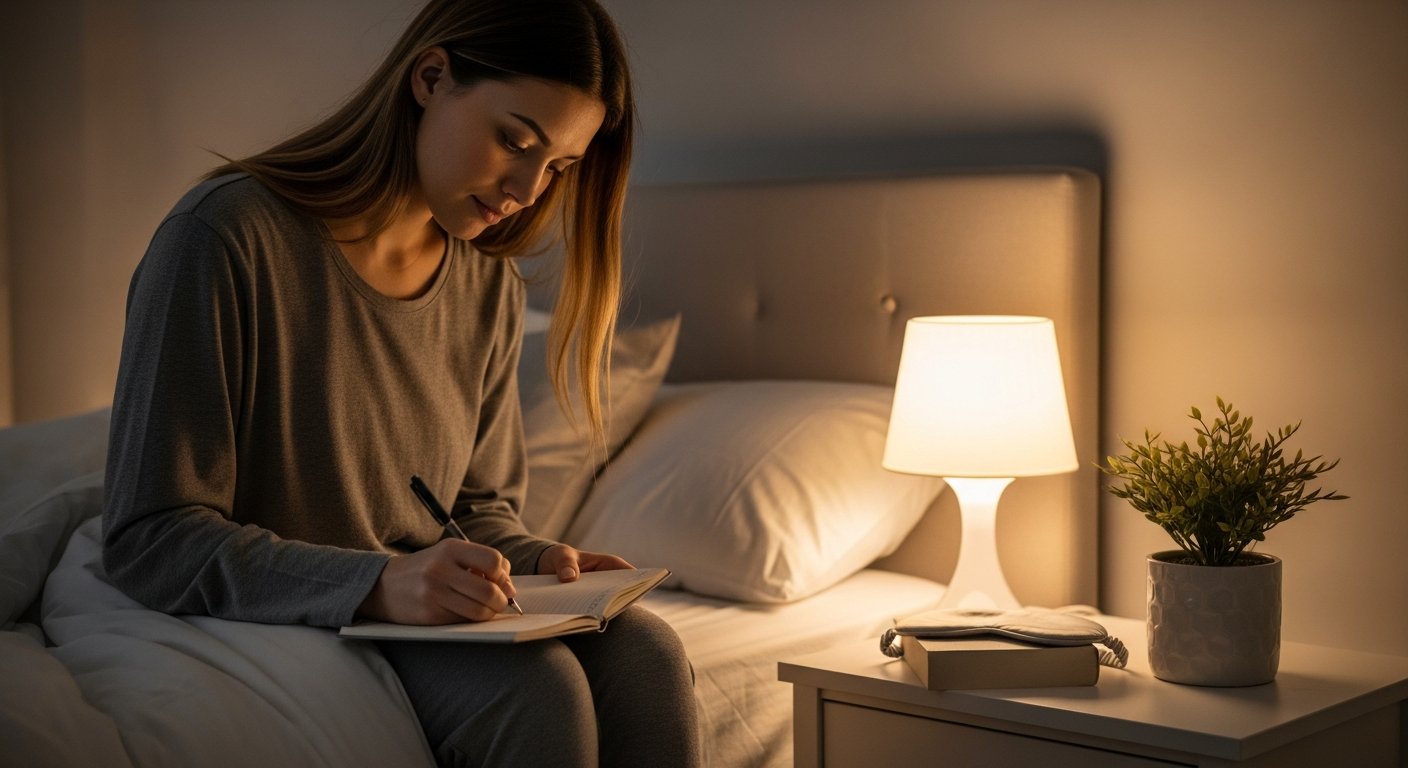
If you find yourself struggling to fall asleep at your designated bedtime, avoid tossing and turning in bed for extended periods. Get out of bed and engage in a relaxing activity, such as reading or listening to calming music, until you feel tired enough to return to bed.
Remember that consistency is key, and it may take several weeks to fully adjust to a new sleep schedule. Be patient with yourself and celebrate small victories along the way as you work towards establishing a healthier sleep routine.
Optimizing Your Sleep Environment
Your sleep environment plays a significant role in the quality of your sleep. Creating a bedroom that is conducive to sleep involves minimizing distractions and promoting relaxation.
Start by ensuring your bedroom is dark, quiet, and cool. Darkness signals to your brain that it’s time to produce melatonin, the hormone that regulates sleep.
Use blackout curtains or blinds to block out external light, and consider using earplugs or a white noise machine to minimize disruptive sounds. A cooler room temperature, ideally between 60-67 degrees Fahrenheit, is also conducive to sleep.
Invest in a comfortable mattress, pillows, and bedding that support proper spinal alignment and temperature regulation. A supportive mattress can prevent aches and pains, while breathable bedding can help you stay cool and comfortable throughout the night.
Consider the color scheme of your bedroom, opting for calming colors like blues, greens, and grays. These colors can promote relaxation and reduce stress, creating a more peaceful atmosphere for sleep.
Remove any electronic devices from your bedroom, or at least keep them out of sight. The presence of electronic devices can be tempting and may disrupt your sleep, even if you’re not actively using them.
Ensure your bedroom is well-ventilated to promote fresh air circulation. Stale air can make it difficult to breathe comfortably and may disrupt your sleep. Consider opening a window or using an air purifier to improve air quality.
Personalize your sleep environment to reflect your individual preferences and needs. Add elements that promote relaxation and comfort, such as aromatherapy diffusers, comfortable seating, or calming artwork.
Managing Screen Time Before Bed
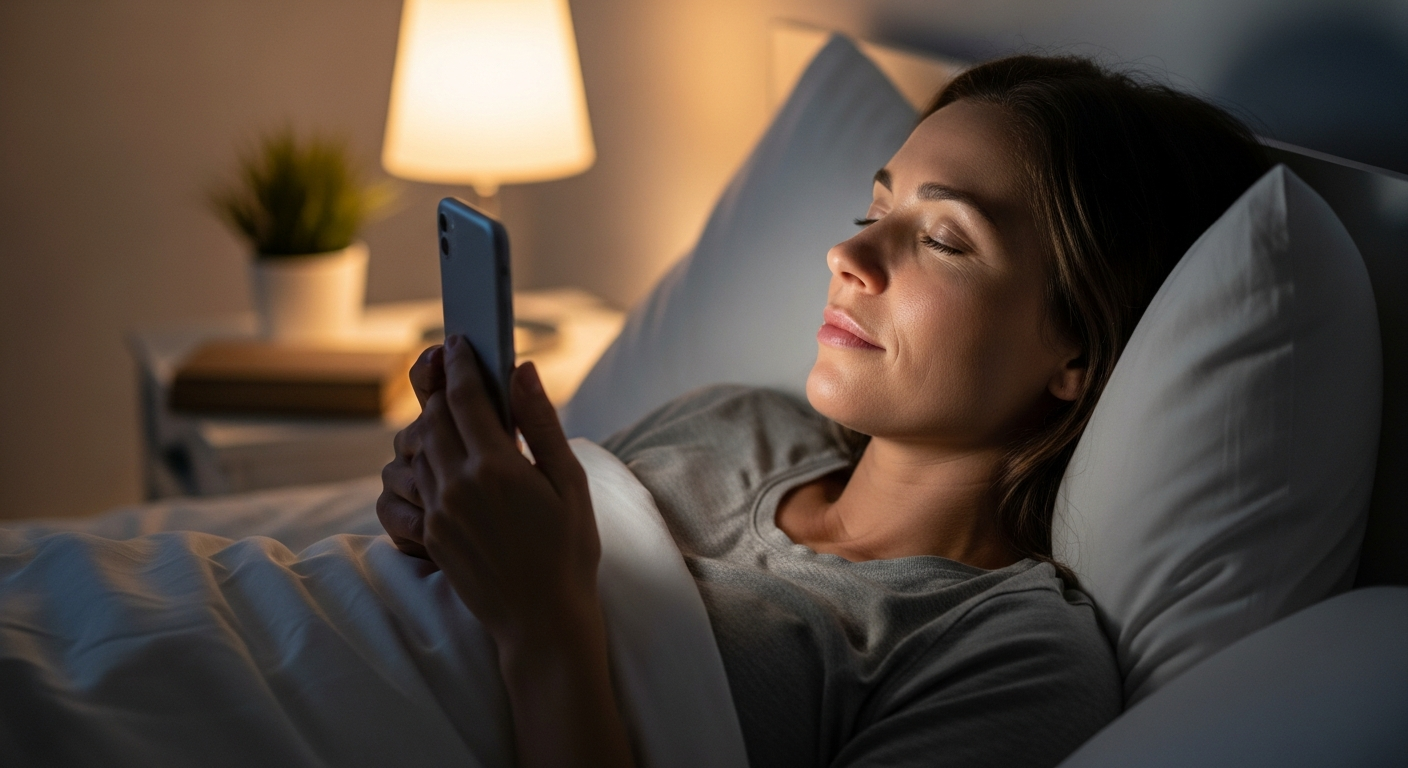
The blue light emitted from electronic devices can interfere with your body’s natural sleep-wake cycle. This is because blue light suppresses the production of melatonin, making it harder to fall asleep.
To mitigate this effect, it’s recommended to avoid screen time for at least one to two hours before bed. This includes smartphones, tablets, computers, and televisions.
Instead of scrolling through social media or watching TV, engage in relaxing activities that don’t involve screens. Read a book, listen to calming music, practice meditation, or take a warm bath.
If you must use electronic devices in the evening, consider using blue light filters or apps that reduce the amount of blue light emitted. Additionally, dimming the screen brightness can help minimize the impact on your sleep.
| Device | Effect on Sleep | Mitigation Strategies |
|---|---|---|
| Smartphones | Blue light suppresses melatonin | Use blue light filters, limit usage before bed |
| Tablets | Stimulating content can keep you awake | Avoid using before bed, read e-books with warm light settings |
| Computers | Can cause eye strain and mental stimulation | Take breaks, use blue light filters, avoid work-related tasks |
| Televisions | Engaging content can delay sleep | Avoid watching before bed, choose relaxing programs |
| E-readers | Some emit blue light, others have adjustable settings | Use warm light settings, avoid stimulating content |
Creating a screen-free bedtime routine can significantly improve your sleep quality. By reducing exposure to blue light and mental stimulation, you can help your body naturally prepare for sleep.
Consider establishing a “digital curfew” for the entire family, where all electronic devices are turned off and put away at a certain time each evening. This can help create a more relaxing and conducive environment for sleep.
If you rely on your smartphone as an alarm clock, consider switching to a traditional alarm clock instead. This can help reduce the temptation to check your phone before bed and first thing in the morning.
Be mindful of the content you consume on electronic devices, even if you’re using blue light filters. Avoid watching or reading anything that is overly stimulating or stressful, as this can interfere with your ability to fall asleep.
Dietary Guidelines for Better Sleep
What you eat and drink can significantly impact your sleep. Certain foods and beverages can promote sleep, while others can disrupt it.
Avoid caffeine and alcohol close to bedtime. Caffeine is a stimulant that can keep you awake, while alcohol can disrupt your sleep cycle and lead to fragmented sleep.
Limit sugary and processed foods, as these can cause blood sugar spikes and crashes that interfere with sleep. Instead, focus on consuming a balanced diet rich in fruits, vegetables, whole grains, and lean protein.
Consider incorporating sleep-promoting foods into your evening routine. Foods like cherries, kiwi, almonds, and walnuts contain melatonin or other compounds that can help improve sleep quality.
Be mindful of your portion sizes at dinner, as eating a large meal too close to bedtime can interfere with sleep. Opt for a lighter meal that is easy to digest.
Stay hydrated throughout the day, but avoid drinking too many fluids before bed to minimize nighttime awakenings for bathroom trips. Try to limit your fluid intake in the hours leading up to bedtime.
Consider the timing of your meals, as eating at irregular times can disrupt your circadian rhythm. Try to eat your meals at consistent times each day to help regulate your body’s natural sleep-wake cycle.
If you experience heartburn or indigestion at night, avoid eating trigger foods such as spicy or acidic foods. Elevate your head and chest while sleeping to help prevent acid reflux.
Incorporating Exercise into Your Routine
Regular physical activity can improve sleep quality, but timing is key. Exercising too close to bedtime can be stimulating and make it harder to fall asleep.
Aim to exercise earlier in the day, preferably in the morning or afternoon. This allows your body temperature and heart rate to return to normal before bedtime.
Even a short walk can help regulate your sleep-wake cycle. But avoid strenuous workouts in the hours leading up to bedtime, as this can interfere with sleep.
Find an exercise routine that you enjoy and can stick to consistently. Whether it’s running, swimming, yoga, or dancing, regular physical activity can promote better sleep and overall health.
- Morning walks
- Afternoon yoga sessions
- Evening stretching routines
- Avoid intense workouts before bed
- Consistent physical activity
A balanced approach to exercise can contribute to a more restful night’s sleep. Just remember to time your workouts appropriately and listen to your body’s signals.
Consider the intensity of your workouts, as high-intensity exercise can be more stimulating than low-intensity exercise. If you’re exercising in the evening, opt for lower-intensity activities such as walking or stretching.
Be mindful of your hydration levels during and after exercise, as dehydration can interfere with sleep. Drink plenty of water throughout the day, but avoid drinking too much before bed.
If you’re new to exercise, start slowly and gradually increase the intensity and duration of your workouts. Pushing yourself too hard too soon can lead to injuries and may disrupt your sleep.
Practicing Relaxation Techniques
Relaxation techniques can help calm your mind and prepare your body for sleep. Incorporating these practices into your bedtime routine can reduce stress and anxiety, making it easier to fall asleep.
Try deep breathing exercises, such as the 4-7-8 technique, which involves inhaling for 4 seconds, holding your breath for 7 seconds, and exhaling for 8 seconds. This technique can help slow your heart rate and promote relaxation.
Meditation and mindfulness practices can also be beneficial. Focus on your breath or visualize a peaceful scene to quiet your mind and reduce racing thoughts.
Progressive muscle relaxation involves tensing and releasing different muscle groups in your body. This technique can help release physical tension and promote a sense of calm.
Consider using aromatherapy with calming scents such as lavender or chamomile. These scents can promote relaxation and reduce anxiety, making it easier to fall asleep.
Listen to calming music or nature sounds to help quiet your mind and promote relaxation. Avoid listening to anything that is too stimulating or upbeat, as this can interfere with your ability to fall asleep.
Practice gratitude by reflecting on the positive aspects of your day. This can help shift your focus away from negative thoughts and promote a sense of calm and contentment.
Establish a consistent bedtime routine that includes relaxation techniques to signal to your body that it’s time to wind down and prepare for sleep. This can help train your body to naturally feel tired and relaxed at bedtime.
Addressing Underlying Sleep Issues
Sometimes, despite implementing good sleep hygiene practices, sleep problems persist. In these cases, it’s essential to address any underlying sleep issues that may be contributing to poor sleep quality.
Common sleep disorders include insomnia, sleep apnea, restless legs syndrome, and narcolepsy. These conditions can significantly impact your ability to fall asleep, stay asleep, or feel rested.
If you suspect you have a sleep disorder, consult with a healthcare professional. They can conduct a sleep study to diagnose the issue and recommend appropriate treatment options.
Treatment options may include lifestyle changes, medication, or therapies such as cognitive behavioral therapy for insomnia (CBT-I). Addressing underlying sleep issues can significantly improve your sleep quality and overall health.
Keep a sleep diary to track your sleep patterns, including bedtime, wake-up time, sleep duration, and any factors that may be affecting your sleep. This information can be helpful for your healthcare provider in diagnosing and treating any underlying sleep issues.
Consider the impact of any medications you are taking, as some medications can interfere with sleep. Talk to your healthcare provider about any potential side effects of your medications and whether there are alternative options available.
Be aware of any underlying medical conditions that may be contributing to your sleep problems, such as anxiety, depression, or chronic pain. Addressing these conditions can often improve your sleep quality.
Explore alternative therapies such as acupuncture or massage, which may help improve sleep quality by reducing stress and promoting relaxation. These therapies can be used in conjunction with other sleep hygiene practices and medical treatments.
Creating a Sleep-Friendly Bedroom for Children
A sleep-friendly bedroom is essential for children’s sleep quality. Just like adults, kids benefit from a dark, quiet, and cool sleep environment.
Use blackout curtains or blinds to block out light, and consider a white noise machine to mask disruptive sounds. A comfortable mattress and bedding are also crucial for promoting restful sleep.
Make sure the room is free from clutter and distractions, such as toys and electronic devices. A calming color scheme and cozy decor can also help create a relaxing atmosphere.
Establish a consistent bedtime routine that includes a warm bath, reading a story, and quiet time before bed. This helps signal to your child that it’s time to wind down and prepare for sleep.
Involve your child in creating their sleep-friendly bedroom by allowing them to choose their bedding, wall decorations, and other elements that promote relaxation and comfort. This can help them feel more invested in their sleep environment.
Consider using a nightlight if your child is afraid of the dark, but opt for a dim, warm-toned light that won’t interfere with melatonin production. Avoid using bright, blue-toned lights, as these can be stimulating and may disrupt sleep.
Establish clear boundaries around screen time and electronic devices in the bedroom. Avoid allowing your child to use electronic devices in bed, as this can interfere with their ability to fall asleep.
Create a positive association with bedtime by making it a relaxing and enjoyable experience. Read stories, sing songs, or engage in other calming activities that your child enjoys.
Maintaining a Consistent Sleep Routine During Travel
Traveling can disrupt your sleep schedule, especially when crossing time zones. However, there are steps you can take to minimize the impact on your sleep.
Adjust your sleep schedule gradually in the days leading up to your trip. If traveling east, go to bed and wake up earlier; if traveling west, go to bed and wake up later.
Once you arrive at your destination, try to adjust to the local time as quickly as possible. Expose yourself to natural light during the day and avoid napping for extended periods.
Maintain your regular bedtime routine as much as possible, and consider using sleep aids such as melatonin to help regulate your sleep-wake cycle. Staying hydrated and avoiding alcohol and caffeine can also help minimize jet lag.
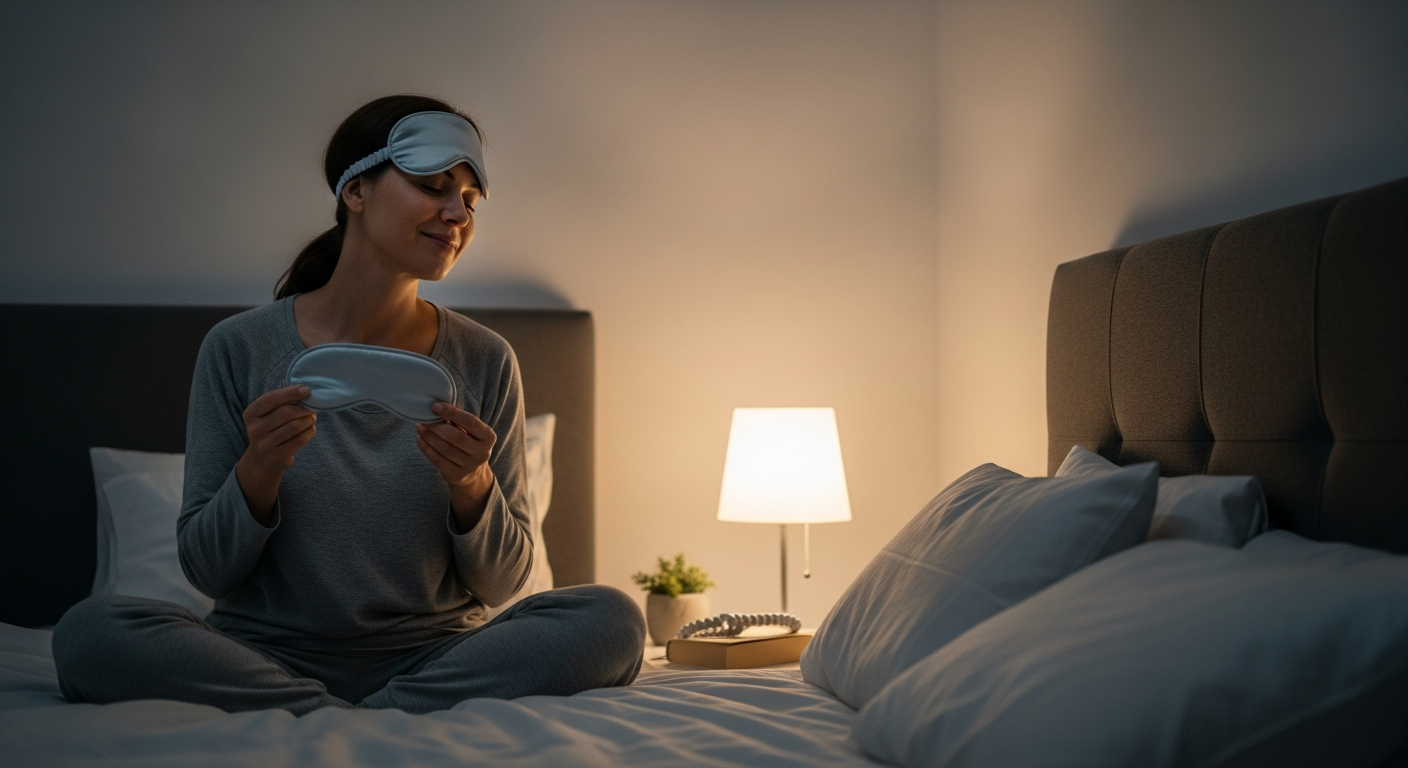
Pack a travel sleep kit that includes items that promote relaxation and comfort, such as earplugs, an eye mask, and a travel pillow. These items can help create a more sleep-friendly environment, even when you’re away from home.
Be mindful of the food and beverages you consume while traveling, as unfamiliar foods and drinks can disrupt your sleep. Try to stick to your regular diet as much as possible, and avoid eating heavy meals or drinking alcohol close to bedtime.
Stay active during the day to help regulate your sleep-wake cycle. Take walks, explore your surroundings, or engage in other physical activities that can help you adjust to the new time zone.
Be patient with yourself and allow time for your body to adjust to the new time zone. It may take several days to fully adapt to the new schedule, so don’t get discouraged if you experience sleep problems initially.
Conclusion
Implementing a sleep hygiene checklist is a proactive step toward improving your sleep quality and overall well-being. By creating a consistent sleep schedule, optimizing your sleep environment, and managing screen time, you can promote restful nights.
Additionally, following dietary guidelines, incorporating exercise, and practicing relaxation techniques can further enhance your sleep. Remember, consistency is key when establishing good sleep habits.
If you continue to experience sleep problems despite implementing these strategies, consult with a healthcare professional to address any underlying issues. Prioritizing sleep is an investment in your health and happiness, leading to improved energy, mood, and overall quality of life.
By adopting a holistic approach that encompasses various aspects of sleep hygiene, you can create a sustainable and effective sleep routine that promotes long-term health and well-being. Make sleep a priority in your life, and you’ll reap the rewards of improved physical and mental health.
Remember that sleep needs vary from person to person, so it’s important to find a sleep routine that works best for you. Experiment with different strategies and techniques to discover what helps you fall asleep and stay asleep throughout the night.