
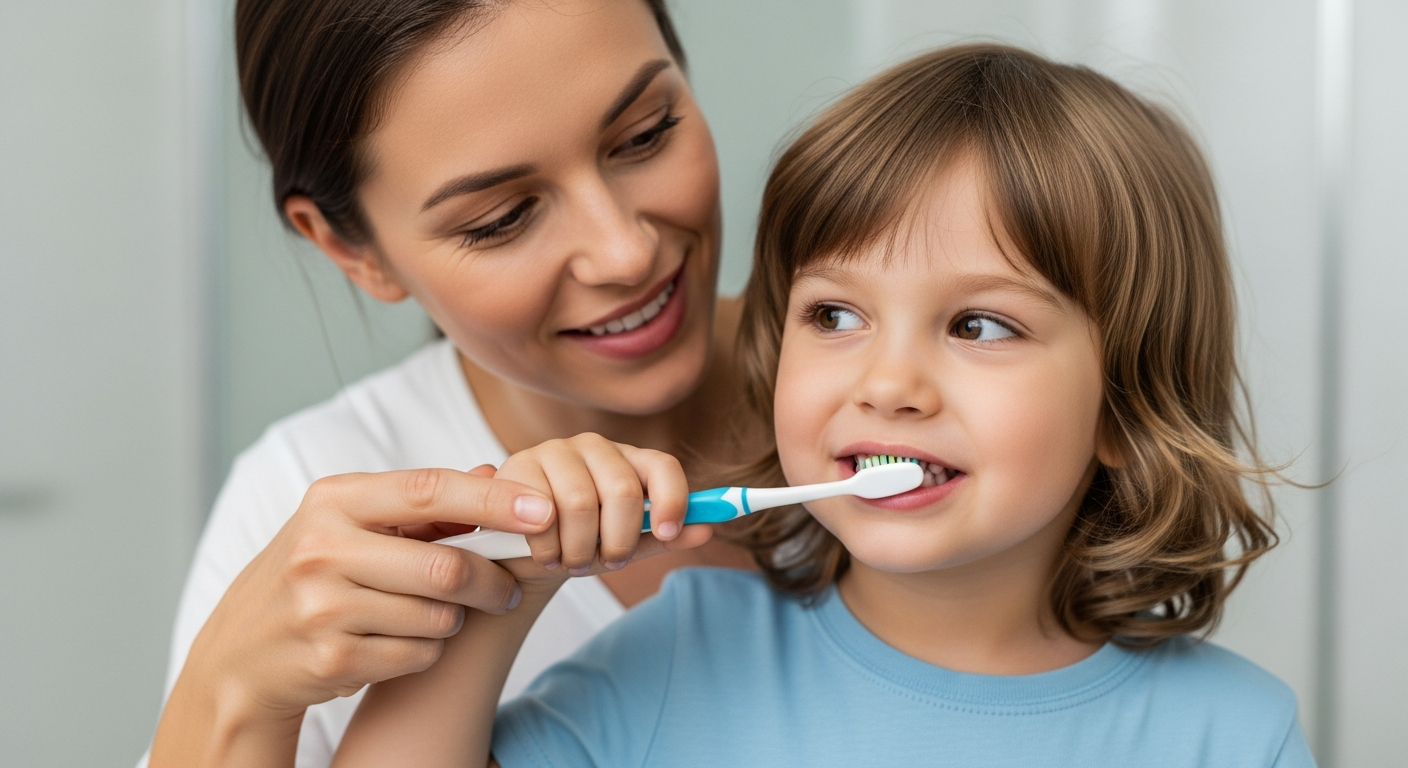
Creating a positive experience with teeth brushing is essential for establishing lifelong oral hygiene habits in children. A fun and effective teeth brushing routine for kids will not only help maintain healthy teeth and gums, but also prevent dental problems down the road. It’s time to transform this daily chore into a fun and engaging activity for your little ones.
This article will guide you through creating a teeth brushing routine for kids that will ensure sparkling smiles for years to come. We will cover everything from choosing the right toothbrush and toothpaste to teaching proper brushing techniques and making the whole process enjoyable for your children.
So, let’s start this exciting journey towards excellent oral hygiene for kids. Get ready to discover the secrets to turning teeth brushing into a fun and rewarding experience for your children, setting them up for a lifetime of healthy smiles.
The Importance of Early Oral Hygiene
Starting oral hygiene early in life is paramount for children’s overall health and well-being. Neglecting oral care can lead to various dental issues, such as cavities, gum disease, and even problems with speech development.
Moreover, early habits often dictate future behavior, making it crucial to instill good oral hygiene practices from a young age. By prioritizing oral hygiene for kids, you are investing in their long-term health and happiness.
One of the primary reasons early oral hygiene is so important is the prevention of cavities. Cavities, also known as tooth decay, can cause pain, infection, and difficulty eating, affecting a child’s ability to focus and learn.
Furthermore, poor oral hygiene can lead to gum disease, which can cause inflammation and bleeding of the gums. In severe cases, gum disease can even result in tooth loss, impacting a child’s self-esteem and confidence.
Beyond the immediate discomfort and health concerns, poor oral health in childhood can have long-lasting consequences. It can affect a child’s ability to speak clearly, impacting their social interactions and academic performance.
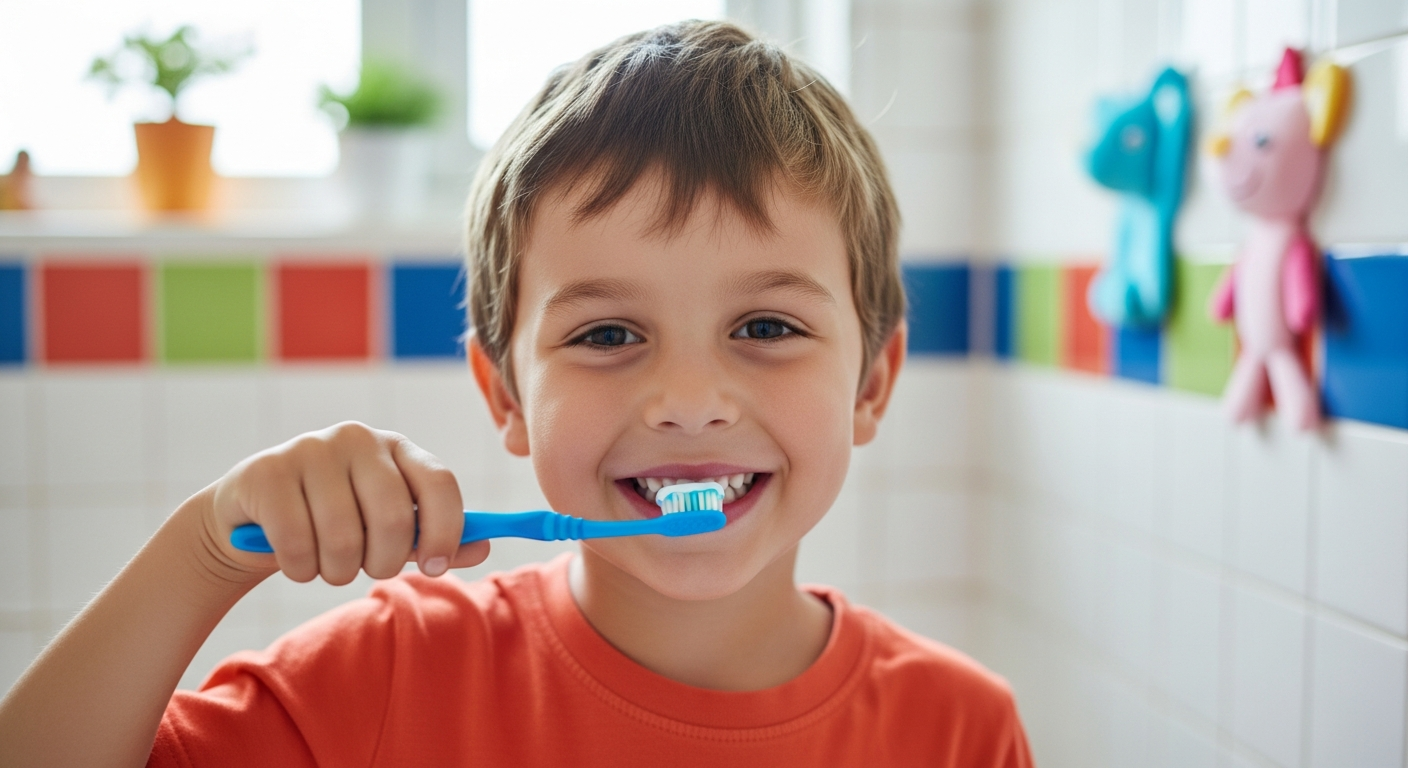
Untreated dental problems can also lead to more serious infections that may require extensive medical treatment. Therefore, establishing a strong foundation of oral hygiene early on is crucial for preventing these potential issues.
Teaching children the importance of brushing and flossing from a young age helps them develop a sense of responsibility for their own health. This sense of ownership can lead to better oral hygiene habits throughout their lives.
Moreover, a healthy smile can boost a child’s confidence and self-esteem, making them more likely to participate in social activities and excel in school. Investing in early oral hygiene is an investment in a child’s overall well-being and future success.
Parents play a vital role in shaping their children’s oral hygiene habits. By modeling good oral hygiene practices and making brushing and flossing a fun and engaging experience, parents can instill a lifelong commitment to oral health.
Regular dental check-ups are also crucial for early detection and prevention of dental problems. Dentists can provide personalized guidance on oral care and identify any potential issues before they become more serious.
Choosing the Right Toothbrush and Toothpaste
Selecting the right toothbrush and toothpaste is essential for effective and comfortable teeth cleaning. For kids, a toothbrush with soft bristles and a small head is ideal, as it can easily reach all areas of the mouth without causing discomfort.
When it comes to toothpaste, choose one specifically formulated for children, with fluoride levels appropriate for their age. Always consult with your dentist or pediatrician for personalized recommendations regarding the best toothbrush and toothpaste for your child’s needs.
Manual toothbrushes are a great option for children, offering simplicity and control during brushing. Electric toothbrushes, on the other hand, can be more effective at removing plaque and may be easier for some children to use, especially those with limited dexterity.
The size of the toothbrush head is also an important consideration. A small toothbrush head allows children to reach all areas of their mouth, including the back teeth, without difficulty.
Soft bristles are crucial to avoid damaging the delicate gum tissue of children. Hard bristles can cause irritation, bleeding, and even recession of the gums over time.
When selecting toothpaste, look for options that are specifically formulated for children and contain fluoride. Fluoride helps strengthen tooth enamel and protect against cavities.
However, it’s important to use the appropriate amount of fluoride for your child’s age. Children under the age of three should use a smear of toothpaste, while children aged three to six should use a pea-sized amount.
Consider the flavor of the toothpaste as well. Many children’s toothpastes come in fun flavors like bubblegum or strawberry, which can make brushing more appealing.
However, avoid toothpastes with artificial colors or sweeteners, as these can be harmful to your child’s health. Natural toothpaste options are also available and may be a good choice for some families.
Replace your child’s toothbrush every three months or sooner if the bristles become frayed. A worn-out toothbrush is less effective at removing plaque and can harbor bacteria.
Establishing a Consistent Brushing Routine
Consistency is key when it comes to establishing an effective teeth brushing routine for kids. Aim to brush your child’s teeth at least twice a day, once in the morning and once before bedtime, to remove plaque and prevent the buildup of harmful bacteria.
Creating a predictable and structured routine will help your child understand the importance of oral hygiene and make it a regular part of their day. Make teeth brushing a non-negotiable part of your child’s daily schedule.
| Time of Day | Activity | Duration |
|---|---|---|
| Morning | Brush teeth after breakfast | 2 minutes |
| Afternoon | Rinse mouth after lunch | 30 seconds |
| Evening | Brush teeth before bedtime | 2 minutes |
| Night | Floss teeth | 1-2 minutes |
To make the routine even more effective, consider using a timer or playing a two-minute song during brushing. This will help your child understand how long they need to brush each time and make the process more engaging.
Start establishing the routine as early as possible, even before your child has all of their teeth. Gently wipe their gums with a soft, damp cloth after feedings to remove bacteria and food particles.
As your child gets older, involve them in the brushing process. Let them hold the toothbrush and try to brush their own teeth, even if they are not yet able to do it effectively.
Supervise your child’s brushing until they are old enough to brush effectively on their own, typically around age seven or eight. This will ensure that they are using the correct techniques and brushing all areas of their mouth.
Make brushing a family affair. Brush your teeth alongside your child to model good oral hygiene habits and make the experience more enjoyable.
Be consistent with the routine, even on weekends and holidays. This will help your child develop a lifelong habit of brushing their teeth regularly.
If your child resists brushing, try to understand their reasons and address their concerns. Perhaps they are afraid of the toothbrush or dislike the taste of the toothpaste. Find ways to make the experience more comfortable and enjoyable for them.
Teaching Proper Brushing Techniques
Teaching your child proper brushing techniques is crucial for ensuring effective plaque removal and maintaining healthy gums. Start by demonstrating the correct way to brush, using gentle, circular motions to clean all surfaces of each tooth.
Pay special attention to the gumline, where plaque tends to accumulate, and encourage your child to brush their tongue to remove bacteria and freshen their breath. Supervise your child’s brushing until they are old enough to brush effectively on their own, typically around age seven or eight.
When demonstrating brushing techniques, show your child how to hold the toothbrush at a 45-degree angle to the gums. This angle allows the bristles to reach under the gumline and remove plaque effectively.
Encourage them to brush each tooth individually, using small, circular motions to clean all surfaces. Make sure they reach the front, back, and top surfaces of each tooth.
Emphasize the importance of brushing the tongue to remove bacteria and freshen breath. The tongue can harbor a significant amount of bacteria, which can contribute to bad breath and other oral health problems.
Teach your child to spit out the toothpaste after brushing, but not to rinse with water. Rinsing with water can wash away the fluoride, which helps protect against cavities.
Use a mirror to help your child see the areas they are brushing and to ensure they are using the correct techniques. This can also make the process more engaging and interactive.
Break down the brushing process into smaller, more manageable steps. This can make it easier for your child to understand and follow along.
Be patient and encouraging. It takes time and practice to master proper brushing techniques. Celebrate your child’s progress and offer positive reinforcement.
Consider using a visual aid, such as a diagram or video, to demonstrate the correct brushing techniques. This can be especially helpful for children who are visual learners.
Making Brushing Fun and Engaging
Turning teeth brushing into a fun and engaging activity is key to getting kids excited about oral hygiene. There are several creative ways to make brushing more enjoyable, such as using colorful toothbrushes, playing their favorite songs, or turning it into a game.
Consider using reward charts or apps to track their progress and celebrate their achievements, reinforcing positive brushing habits. By making brushing fun, you can help your child develop a positive attitude towards oral care.
- Use a toothbrush with their favorite cartoon character
- Play a two-minute song during brushing
- Create a reward chart with stickers
- Turn brushing into a family activity
- Read a fun story about teeth brushing
One popular way to make brushing fun is to turn it into a game. You can create a “brushing bingo” chart with different areas of the mouth to brush, and have your child mark them off as they go.
Another idea is to use a “brushing buddy,” a stuffed animal or toy that brushes alongside your child. You can even make up silly songs or rhymes about brushing to make the experience more entertaining.
Let your child choose their own toothbrush and toothpaste (within healthy boundaries, of course). This can give them a sense of ownership and make them more excited about brushing.
Use a timer with fun sounds or visuals to help your child brush for the recommended two minutes. This can make the time pass more quickly and keep them engaged.
Create a special brushing station in the bathroom with all of your child’s oral hygiene supplies. This can make brushing feel more like a special activity.
Read books or watch videos about teeth brushing with your child. This can help them understand the importance of oral hygiene in a fun and engaging way.
Offer praise and encouragement for a job well done. This will help your child feel proud of their efforts and motivate them to continue brushing regularly.
Be creative and experiment with different techniques to find what works best for your child. The most important thing is to make brushing a positive and enjoyable experience.
Flossing and Other Oral Hygiene Practices
In addition to brushing, flossing is an essential part of a complete oral hygiene routine for kids. Flossing helps remove plaque and food particles from between the teeth, where a toothbrush cannot reach, preventing cavities and gum disease.
Start flossing your child’s teeth as soon as they have two teeth that touch, typically around age two or three. Make flossing a regular part of their daily routine, ideally before bedtime, to ensure a healthy and sparkling smile.
There are several types of floss available, including traditional floss, floss picks, and interdental brushes. Choose the type of floss that is easiest for you and your child to use, and be sure to demonstrate the correct flossing technique.
To floss effectively, gently slide the floss between the teeth, using a sawing motion to avoid snapping the floss against the gums. Curve the floss around each tooth, making sure to reach below the gumline, and then gently scrape the plaque and debris away.
Consider using floss picks, which are easier for some children to handle than traditional floss. Floss picks have a handle that makes it easier to grip and maneuver the floss.
Make flossing a family activity. Floss your teeth alongside your child to model good oral hygiene habits and make the experience more enjoyable.
Be patient and gentle when flossing your child’s teeth. Their gums may be sensitive, especially at first. Avoid forcing the floss between the teeth, as this can cause pain and bleeding.
Rinsing with mouthwash can also help improve oral hygiene. Choose a mouthwash that is specifically formulated for children and does not contain alcohol.
Teach your child to swish the mouthwash around in their mouth for 30 seconds and then spit it out. Supervise your child’s use of mouthwash to ensure they do not swallow it.
Encourage your child to drink plenty of water throughout the day. Water helps to rinse away food particles and bacteria and keeps the mouth hydrated.
Regular Dental Check-ups
Regular dental check-ups are essential for maintaining optimal oral health in children. Schedule your child’s first dental visit around their first birthday, or within six months of their first tooth erupting, to establish a dental home and receive personalized guidance on oral care.
During these check-ups, the dentist will examine your child’s teeth and gums, assess their risk of cavities, and provide preventive treatments, such as fluoride applications or sealants. Regular dental visits also allow the dentist to identify and address any potential problems early on, preventing more serious issues from developing.
Dental sealants are thin, plastic coatings that are applied to the chewing surfaces of the back teeth, where most cavities occur. These sealants create a protective barrier that prevents food and bacteria from getting trapped in the grooves and pits of the teeth, reducing the risk of decay.
Fluoride is a natural mineral that helps strengthen tooth enamel and prevent cavities. Fluoride treatments, such as fluoride varnish or fluoride gel, can be applied to your child’s teeth during dental visits to provide extra protection against tooth decay.
Prepare your child for their dental visit by explaining what to expect. Talk about the dentist and the tools they will use in a positive and reassuring way.
Consider taking your child to a pediatric dentist. Pediatric dentists are specially trained to care for the oral health of children and have a child-friendly office environment.
Make the dental visit a positive experience. Bring a favorite toy or book to help your child feel more comfortable. Offer praise and encouragement for their cooperation.
Ask the dentist any questions you have about your child’s oral health. They can provide personalized guidance on brushing, flossing, and other oral hygiene practices.
Follow the dentist’s recommendations for future dental visits. Regular check-ups are essential for maintaining optimal oral health.
Discuss any concerns you have about your child’s teeth or gums with the dentist. Early detection and treatment of dental problems can prevent more serious issues from developing.
The Role of Diet in Oral Health
Diet plays a significant role in children’s oral health. A diet high in sugary and starchy foods can increase the risk of cavities, as these foods provide fuel for the bacteria that cause tooth decay.
Encourage your child to eat a balanced diet rich in fruits, vegetables, and whole grains, and limit their consumption of sugary drinks and snacks. Offer healthy alternatives, such as water, milk, and crunchy fruits and vegetables, to promote strong teeth and healthy gums.
Sugary drinks, such as soda, juice, and sports drinks, are particularly harmful to teeth. These drinks contain high levels of sugar that can erode tooth enamel and lead to cavities.
Snacks like candy, cookies, and chips can also contribute to tooth decay. These foods are often sticky and can cling to the teeth, providing a constant source of fuel for bacteria.
Limit your child’s intake of sugary snacks and drinks, especially between meals. If they do consume sugary foods, encourage them to brush their teeth or rinse their mouth with water afterwards.
Offer healthy snacks, such as fruits, vegetables, cheese, and yogurt. These foods are low in sugar and can help promote strong teeth and healthy gums.
Encourage your child to drink plenty of water throughout the day. Water helps to rinse away food particles and bacteria and keeps the mouth hydrated.
Limit your child’s exposure to acidic foods and drinks, such as citrus fruits and juices. Acid can erode tooth enamel and make teeth more susceptible to cavities.
Be mindful of hidden sugars in processed foods. Read food labels carefully and choose options that are low in sugar.
Make healthy eating a family affair. Model good eating habits and encourage your child to make healthy choices.
Addressing Common Brushing Challenges
Even with the best intentions, you may encounter challenges when trying to establish a teeth brushing routine for kids. Some children may resist brushing, while others may have difficulty mastering proper brushing techniques.
Be patient and understanding, and try to address these challenges with creativity and positive reinforcement. If your child is resistant to brushing, try making it a game or offering a small reward for cooperation. If they are struggling with brushing techniques, break down the steps into smaller, more manageable tasks.
If your child is sensitive to the taste of toothpaste, try a different flavor or a toothpaste specifically designed for sensitive teeth. You can also try using a smaller amount of toothpaste or brushing without toothpaste altogether, focusing on mechanical plaque removal.
If your child has difficulty reaching certain areas of their mouth, try using a smaller toothbrush or an electric toothbrush with a rotating head. You can also try brushing their teeth while they are lying down, which may make it easier to access all areas of their mouth.
If your child gags easily while brushing, try using a smaller amount of toothpaste and tilting their head forward. You can also try brushing in front of a mirror to help them control their gag reflex.
If your child is afraid of the toothbrush, try introducing it slowly. Let them hold the toothbrush and play with it before trying to brush their teeth.
If your child is resistant to flossing, try using floss picks, which are easier to handle. You can also try flossing their teeth while they are watching TV or reading a book to distract them.
If your child is uncooperative during dental visits, talk to the dentist about strategies for managing their anxiety. Some dentists offer sedation options for children who are particularly anxious.
Remember that it’s normal for children to have some challenges with oral hygiene. Be patient, persistent, and supportive, and eventually they will develop good oral hygiene habits.
Seek professional help if you are struggling to establish a good oral hygiene routine for your child. A dentist or dental hygienist can provide personalized guidance and support.
Conclusion
Creating a fun and effective teeth brushing routine for kids is an investment in their long-term oral health and overall well-being. By starting early, choosing the right tools, teaching proper techniques, and making brushing enjoyable, you can help your child develop a positive attitude towards oral care that will last a lifetime.
Remember to prioritize consistency, address any challenges with patience and creativity, and schedule regular dental check-ups to ensure a healthy and sparkling smile for your little one. With dedication and a little bit of fun, you can transform teeth brushing into a positive experience that sets your child up for a lifetime of healthy smiles.
So, take the time to create a personalized oral hygiene plan for your child, and watch as they develop healthy habits that will benefit them for years to come. A bright, healthy smile is a gift that will keep on giving.
Don’t underestimate the power of positive reinforcement. Celebrate your child’s successes and encourage them to continue striving for good oral health. A little bit of encouragement can go a long way.
Remember that you are your child’s role model. By demonstrating good oral hygiene habits yourself, you can inspire them to do the same. Lead by example and make oral health a priority for the whole family.