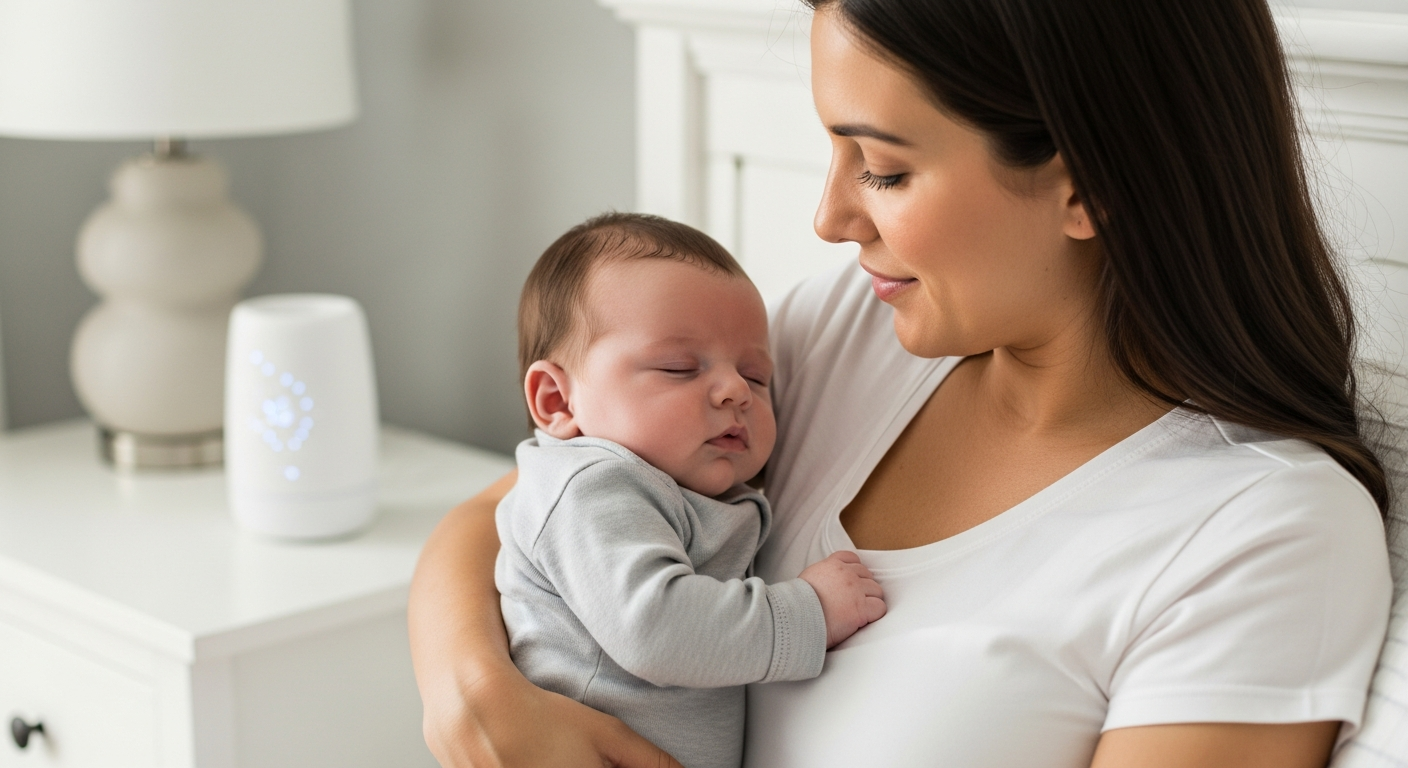
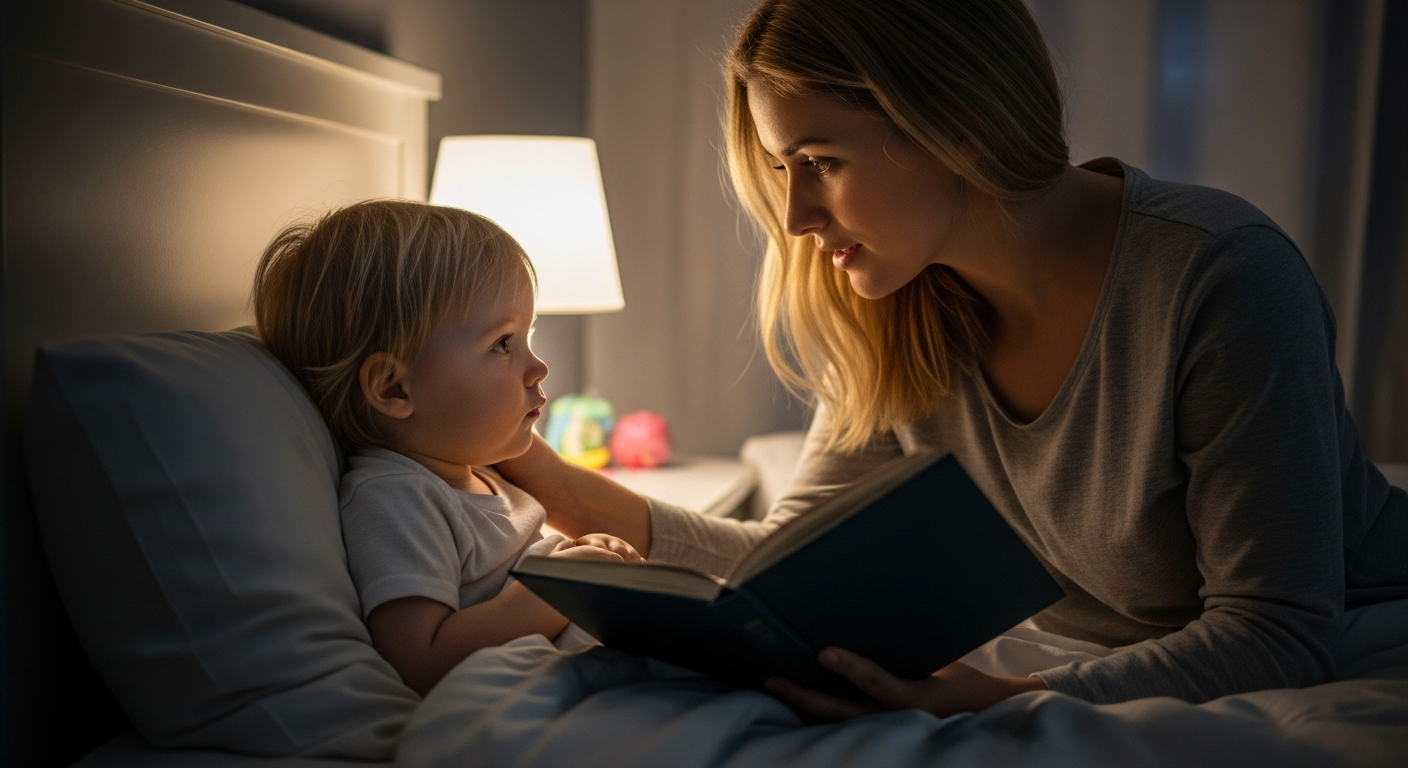
Putting your toddler to bed can be a peaceful end to the day, but for many parents, it’s a nightly battle against the shadows. The fear of the dark toddlers experience is a common developmental phase, often emerging between the ages of two and six. Understanding this fear and implementing effective strategies can transform bedtime from a struggle into a soothing routine.
It’s important to create a supportive environment that addresses your child’s anxieties and promotes restful sleep. This article will explore the roots of nighttime fears and offer practical sleep solutions to help your child overcome their fear of the dark and sleep soundly.
By understanding the reasons behind these fears, you can use specific techniques to create a secure and comforting bedtime experience. These sleep solutions will help your child feel safe, secure, and ready to embrace the night.
Understanding the Development of Fear of the Dark
The fear of the dark is a normal part of childhood development, often linked to a child’s growing imagination. As toddlers begin to understand the world around them, their ability to imagine things also increases, sometimes leading to nighttime fears.
This heightened imagination can make the unknown darkness seem scary, as they might imagine monsters or other frightening figures lurking in the shadows. Childhood anxiety can also play a role, especially if a child has recently experienced a stressful event or change in their routine.
Separation anxiety, a common concern for this age group, can be amplified at night when the child is separated from their parents. They might worry about being alone or feel unsafe without the reassurance of a caregiver nearby. These worries can manifest as fear of the dark.
Furthermore, exposure to frightening stories or images, even unintentionally, can trigger or worsen these fears. What might seem harmless to an adult can be quite unsettling for a young child with a vivid imagination.
It’s essential to recognize that these fears are real and valid for the child. Dismissing their concerns or telling them not to be scared is not helpful; instead, empathy and understanding are key to helping them feel secure.
The development of fear is also influenced by individual temperament. Some children are naturally more sensitive and prone to anxiety than others.
Observing how your child reacts to new situations and challenges during the day can provide insights into their nighttime fears. A child who is easily overwhelmed or anxious during the day may be more likely to experience fear of the dark at night.
Consider any recent changes in your child’s life that might be contributing to their anxiety. Moving to a new home, starting daycare, or the arrival of a new sibling can all be stressful events that trigger or worsen nighttime fears.
Even seemingly small changes in routine, such as a change in bedtime or a new babysitter, can be unsettling for a young child. Addressing these underlying anxieties can help alleviate the fear of the dark.
Remember to be patient and understanding as your child navigates this developmental phase. With the right support and strategies, they can learn to overcome their fears and enjoy restful nights.
Creating a Safe and Comforting Bedtime Environment
Establishing a consistent bedtime routine is the first step in creating a safe and comforting environment for your toddler. A predictable routine helps signal to your child that it’s time to wind down and prepare for sleep, reducing anxiety and promoting relaxation.
This routine could include a warm bath, reading a story, and singing a lullaby, all done in the same order each night. Consistency is key, as it provides a sense of security and predictability that can ease nighttime fears.
The bedroom itself should be a haven of comfort and security. Ensure the room is a comfortable temperature and free from any potential hazards that could cause anxiety, such as clutter or overwhelming décor.
Consider involving your child in decorating their room to make it feel more personal and safe. Allowing them to choose colors, bedding, or artwork can give them a sense of ownership and control over their environment.
A favorite blanket or stuffed animal can also provide comfort and security. These transitional objects can help your child feel less alone and more secure in the dark.
Pay attention to the sensory environment of the bedroom. Consider using blackout curtains to block out external light sources that might create shadows or distractions.
Aromatherapy diffusers with calming scents like lavender or chamomile can also create a more relaxing atmosphere. However, be sure to use essential oils safely and avoid any that might be irritating or allergenic to your child.
Ensure that the bedding is comfortable and appropriate for the season. Overheating or feeling too cold can disrupt sleep and increase anxiety.
Regularly check the bedroom for any potential hazards, such as loose wires or sharp objects. A safe and secure environment will help your child feel more relaxed and at ease.
Remember that creating a safe and comforting bedtime environment is an ongoing process. Be responsive to your child’s needs and make adjustments as necessary to ensure they feel secure and comfortable in their bedroom.
Using Night Lights and Other Sleep Aids
Night lights are a common and effective tool for easing the fear of the dark. Choose a night light that emits a soft, warm glow rather than a bright, harsh light, as bright lights can interfere with melatonin production and disrupt sleep.
Position the night light in a way that it illuminates the room without shining directly into your child’s eyes. Some parents find that a night light with adjustable brightness is particularly helpful, allowing them to customize the level of light to their child’s comfort.
| Sleep Aid | Description | Benefits |
|---|---|---|
| Night Light | Soft, dim light source | Reduces shadows, provides visual comfort |
| Sound Machine | Plays soothing sounds (white noise, nature sounds) | Masks disturbing noises, promotes relaxation |
| Aromatherapy Diffuser | Releases calming scents (lavender, chamomile) | Creates a relaxing atmosphere, reduces anxiety |
| Weighted Blanket | Provides gentle pressure | Promotes a sense of security, reduces restlessness |
Sound machines that play white noise or nature sounds can also be beneficial. These sounds can help mask disturbing noises and create a more soothing sleep environment, further reducing childhood anxiety.
Consider the type of night light that best suits your child’s needs. Some night lights project stars or other images onto the ceiling, which can be visually stimulating and distracting for some children, while others find it calming.
Experiment with different types of sound machines to find the sounds that are most effective for your child. Some children prefer white noise, while others find nature sounds more soothing.
Weighted blankets can provide a sense of security and comfort for some children. The gentle pressure can help reduce restlessness and promote relaxation.
Aromatherapy diffusers can be a great way to create a relaxing atmosphere in the bedroom. However, be sure to use essential oils safely and avoid any that might be irritating or allergenic to your child.
Remember to introduce sleep aids gradually and observe how your child responds. Not all sleep aids are effective for every child, so it’s important to find what works best for your individual child.
Engaging in Calming Activities Before Bed
Incorporating calming activities into the bedtime routine can significantly reduce nighttime fears. Activities that promote relaxation, such as reading, gentle stretching, or listening to soft music, can help your child wind down and prepare for sleep.
Avoid screen time (TV, tablets, smartphones) at least an hour before bed, as the blue light emitted from these devices can interfere with sleep. Instead, opt for activities that encourage relaxation and imagination.
Reading together is a wonderful way to bond with your child and promote relaxation. Choose books with calming themes and gentle illustrations, avoiding stories that might be scary or overstimulating.
Gentle stretching or simple yoga poses can also help release tension and prepare the body for sleep. There are many toddler-friendly yoga routines available online that can be adapted to your child’s abilities.
Listening to soft music or nature sounds can also be a soothing addition to the bedtime routine. Choose music with a slow tempo and calming melodies, or nature sounds such as rain or ocean waves.
Consider creating a visual schedule of the bedtime routine. This can help your child understand what to expect and feel more in control.
Engage in quiet play with your child before bed, such as building blocks or playing with dolls. This can help them wind down and transition from active play to a more relaxed state.
Practice mindfulness exercises with your child, such as focusing on their breath or noticing the sensations in their body. This can help them calm their mind and reduce anxiety.
Encourage your child to express their feelings through drawing or writing. This can be a helpful way for them to process their emotions and release any pent-up tension.
Remember to be present and engaged with your child during the bedtime routine. This will help them feel loved and secure, which can make it easier for them to fall asleep.
Addressing Specific Fears and Anxieties
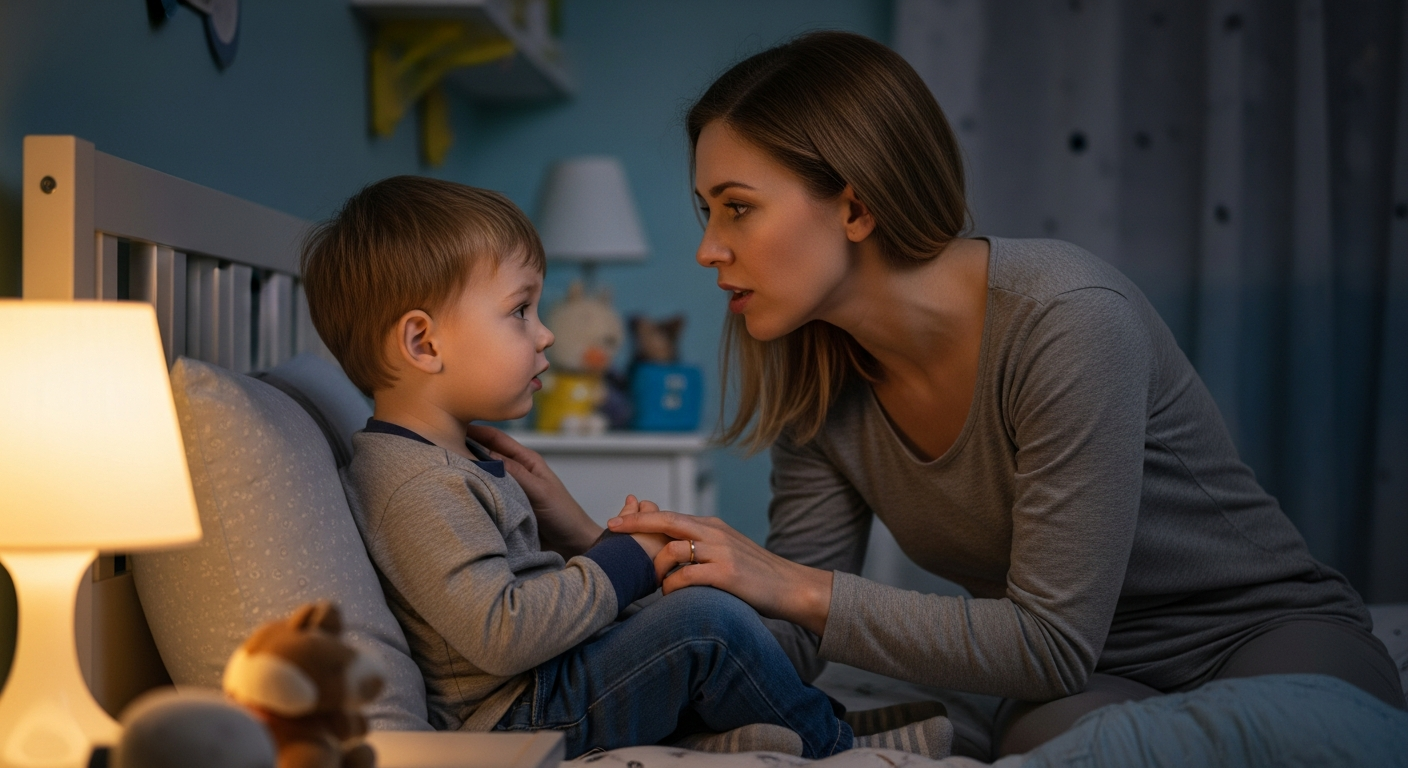
When your child expresses specific fears, it’s important to address them directly and empathetically. Listen to their concerns without judgment and validate their emotions, letting them know that it’s okay to feel scared.
Ask them to describe exactly what they are afraid of, and then offer reassurance and explanations to help them understand that their fears are not based in reality. For example, if they are afraid of monsters under the bed, you can check under the bed together to show them that there is nothing there.
Use a “monster spray” (a spray bottle filled with water) to symbolically ward off any imaginary creatures. Allow your child to participate in this activity, giving them a sense of control over their environment.
If your child is afraid of shadows, explain how shadows are formed and demonstrate that they are simply the absence of light. Use a flashlight to create different shadows and show them that they are harmless.
For more generalized childhood anxiety, consider using relaxation techniques such as deep breathing or progressive muscle relaxation. These techniques can help your child calm their mind and body, reducing overall anxiety levels.
Avoid minimizing or dismissing your child’s fears, even if they seem irrational to you. Their feelings are real and valid, and they need to feel heard and understood.
Use age-appropriate language to explain the science behind their fears. For example, you can explain that the wind is just moving air and that there’s nothing to be afraid of.
Create a “worry box” where your child can write down their fears and anxieties before bed. This can help them release their worries and feel more relaxed.
Role-play scenarios that involve their fears. This can help them practice coping strategies and build their confidence.
Be patient and understanding as your child works through their fears. It takes time and effort to overcome anxiety, and they need your support and encouragement.
Empowering Your Child to Manage Their Fears
Teaching your child coping strategies can empower them to manage their fears independently. Encourage them to use positive self-talk, such as repeating affirmations like “I am brave” or “I am safe,” to boost their confidence.
Help them create a “bravery box” filled with items that remind them of their courage and strength. This could include photos of themselves doing brave things, drawings of superheroes, or small toys that make them feel safe.
- Practice positive self-talk
- Create a “bravery box”
- Use visualization techniques
- Teach deep breathing exercises
- Encourage problem-solving skills
Visualization techniques can also be helpful. Guide your child to imagine a safe and happy place, such as a beach or a cozy room, where they feel comfortable and secure.
Teach your child deep breathing exercises to help them calm their body and mind when they feel anxious. Practice these exercises together during the day so they can use them independently at night.
Encourage your child to develop problem-solving skills to address their fears. Help them brainstorm solutions to their anxieties and empower them to take action.
Read books or watch movies that feature characters who overcome their fears. This can inspire your child and show them that it’s possible to be brave.
Celebrate your child’s successes, no matter how small. Acknowledge their efforts and praise their bravery.
Model brave behavior yourself. Show your child that you are not afraid to face challenges and that you are confident in your ability to overcome them.
Remember that empowering your child to manage their fears is an ongoing process. Be patient and supportive, and celebrate their progress along the way.
Seeking Professional Help
While most nighttime fears are a normal part of development, it’s important to recognize when professional help may be needed. If your child’s fears are persistent, severe, or significantly interfering with their daily life, it may be time to consult with a pediatrician or child psychologist.
Signs that professional help may be necessary include frequent nightmares, extreme anxiety that prevents sleep, or regression in other areas of development. A healthcare professional can assess the situation and recommend appropriate interventions, such as therapy or counseling.
Cognitive-behavioral therapy (CBT) is a common and effective treatment for childhood anxiety. CBT helps children identify and challenge negative thoughts and behaviors, replacing them with more positive and adaptive ones.
Play therapy is another option, particularly for younger children who may have difficulty expressing their feelings verbally. Play therapy uses play to help children explore their emotions and develop coping skills.
Remember, seeking professional help is a sign of strength, not weakness. It demonstrates a commitment to your child’s well-being and can provide them with the tools they need to overcome their fears and thrive.
Don’t hesitate to reach out to your pediatrician or family doctor for a referral to a qualified therapist or counselor. They can provide valuable guidance and support.
Consider joining a support group for parents of children with anxiety. Sharing experiences and learning from others can be incredibly helpful.
Be an advocate for your child’s mental health. Ensure that they receive the appropriate treatment and support they need to thrive.
Remember that you are not alone. Many families face similar challenges, and there is help available.
Prioritize your own mental health as well. Taking care of yourself will enable you to better support your child.
The Role of Parental Support and Patience
Parental support and patience are crucial in helping your child overcome their fear of the dark. Be present and available to offer reassurance and comfort, especially during bedtime.
Avoid dismissing their fears or becoming frustrated, as this can exacerbate their anxiety. Instead, create a safe and supportive environment where they feel comfortable expressing their emotions.
Consistency is key, so stick to the established bedtime routine even when your child is resistant. This provides a sense of predictability and security that can ease their anxiety.
Celebrate small victories and acknowledge their progress, reinforcing their confidence and bravery. Positive reinforcement can go a long way in helping them overcome their fears.
Remember, overcoming the fear of the dark is a process that takes time and patience. Be understanding and supportive, and your child will eventually learn to manage their fears and sleep soundly.
Validate your child’s feelings by saying things like, “I understand that you’re scared.” This shows them that you’re listening and that you care.
Offer physical comfort, such as hugs or cuddles. This can help them feel safe and secure.
Read stories about brave characters who overcome their fears. This can inspire your child and show them that it’s possible to be courageous.
Create a special bedtime ritual that you both enjoy. This can help create positive associations with bedtime and reduce anxiety.
Be patient and understanding, even when you’re feeling tired and frustrated. Your child needs your support and encouragement to overcome their fears.
Conclusion
The fear of the dark is a common challenge for toddlers, but with understanding, patience, and the right strategies, it can be overcome. By creating a safe and comforting bedtime environment, addressing specific fears, and empowering your child to manage their anxiety, you can transform bedtime from a battle into a peaceful routine.
Remember, consistency is key, and parental support is essential. With time and patience, your child can learn to embrace the night and sleep soundly.
By implementing these strategies, you can help your child develop the confidence and resilience they need to overcome their fears and enjoy a restful night’s sleep.
Remember to celebrate their progress and acknowledge their bravery along the way. This will reinforce their confidence and encourage them to continue working towards overcoming their fears.
With love, support, and patience, you can help your child conquer their fear of the dark and create a positive bedtime experience for the whole family.