Traveling with kids can feel like a Herculean task, but with a solid plan, it can be manageable. A well-thought-out travel routine for kids can transform a potentially chaotic trip into a smooth and enjoyable experience for everyone involved. Let’s explore how to make travel easier and more fun for your little ones.
From planning to packing, a little preparation goes a long way in ensuring a stress-free adventure. By establishing a consistent travel routine for kids, you’ll not only minimize meltdowns but also create lasting memories.
This guide will provide practical travel tips, focusing on creating a travel schedule that caters to your children’s needs. We’ll cover everything from packing essentials to handling unexpected challenges, ensuring a smoother travel experience for the whole family.
Preparing for Travel with Kids
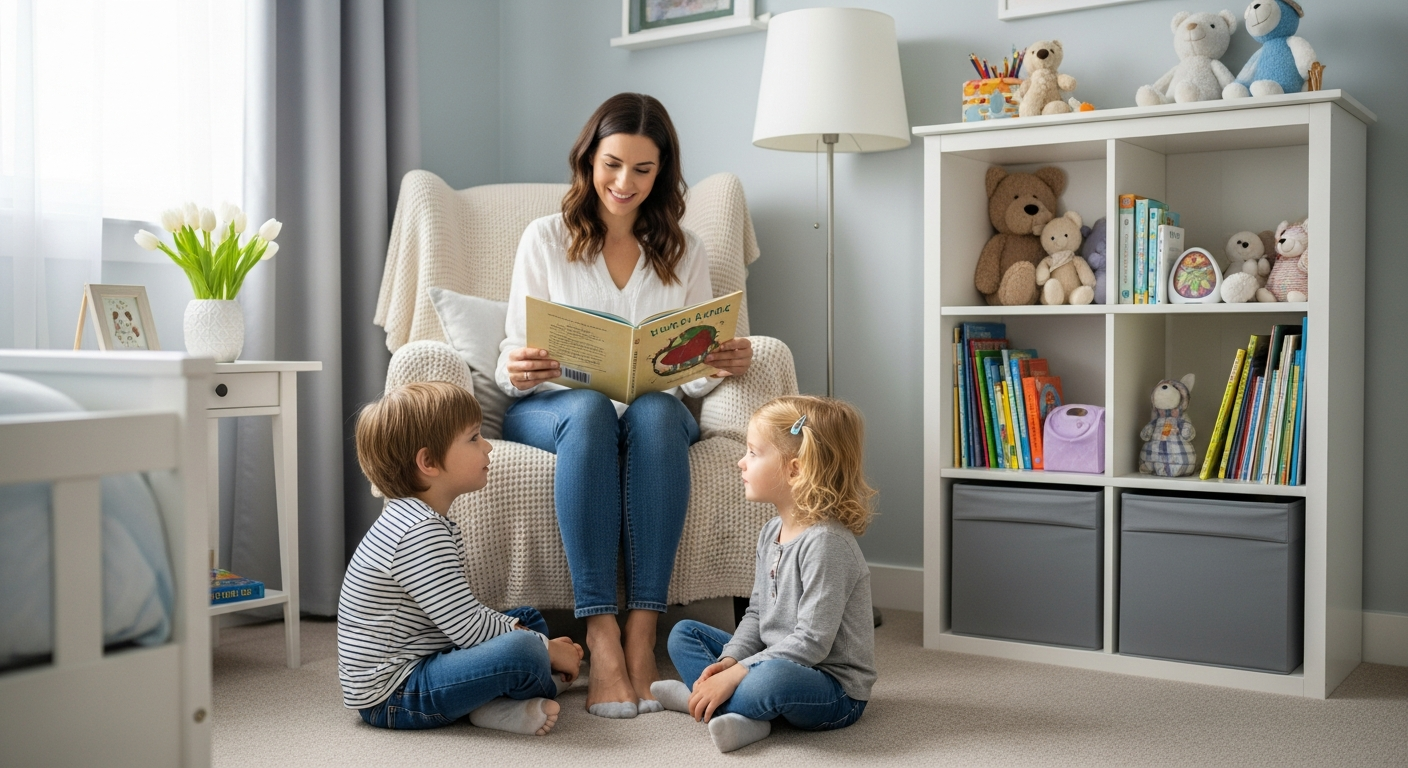
Preparation is the cornerstone of any successful trip, especially when kids are involved. Start by involving your children in the planning process, making them feel like they’re part of the adventure from the get-go.
Discuss the destination and activities, showing them pictures and videos to build excitement. This helps them understand what to expect and reduces anxiety about the unknown.
Next, consider the timing of your travel. Aligning your travel schedule with their usual routines can make a significant difference.
If possible, schedule flights or long drives during nap times or bedtime to minimize disruptions. This will allow them to rest comfortably and reduce the likelihood of crankiness during the journey.
One of the first steps is to choose a destination that appeals to everyone in the family. Consider destinations with kid-friendly attractions, such as theme parks, zoos, or museums.
Involving your kids in the selection process can make them feel more invested in the trip. Let them research different options and present their ideas.
Once you’ve chosen a destination, start planning the logistics of your trip. Book flights and accommodations well in advance to secure the best deals and ensure availability.
Consider the needs of your children when selecting accommodations. Look for hotels or vacation rentals with amenities such as cribs, high chairs, and kids’ clubs.
It’s also important to research the local area and identify any potential hazards or concerns. Check for travel advisories and take necessary precautions to ensure your family’s safety.
Make sure your children are up-to-date on all necessary vaccinations and have any required travel documents. Keep copies of important documents, such as passports and birth certificates, in a safe place.
Finally, create a flexible itinerary that includes a mix of planned activities and free time. Remember that kids need downtime to relax and recharge, so don’t overschedule your trip.
Packing Essentials for the Journey
Packing for kids requires a strategic approach to ensure you have everything you need without overpacking. Start by creating a checklist of essential items tailored to your destination and activities.
Include clothing, toiletries, medications, and any comfort items your child relies on. Don’t forget to pack a well-stocked travel kit with snacks, drinks, wipes, and hand sanitizer to keep everyone clean and content on the go.
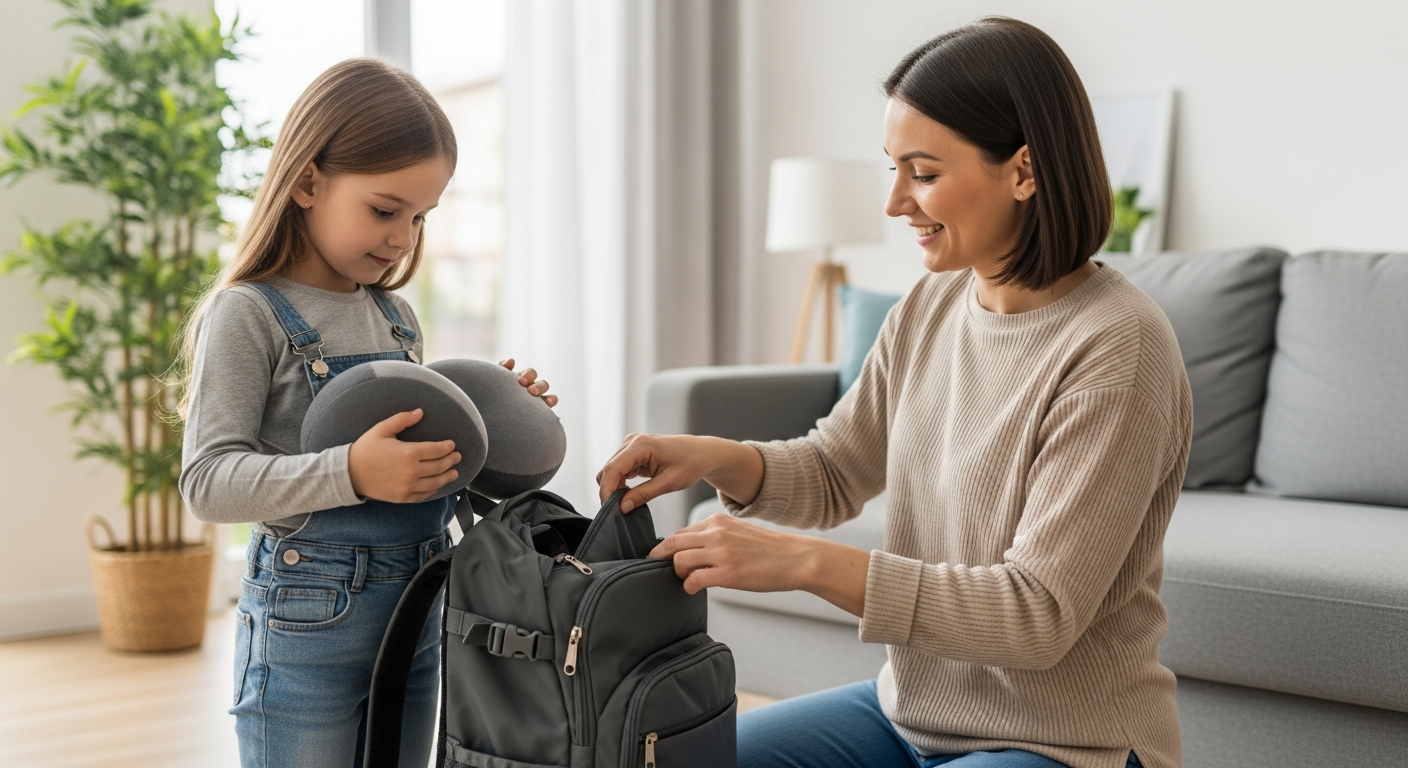
Consider packing a small backpack for each child with their favorite toys, books, and activities. This gives them a sense of ownership and keeps them entertained during travel.
Also, pack a change of clothes in your carry-on bag in case of spills or accidents. Being prepared for unexpected messes can save you a lot of stress and keep your child comfortable throughout the trip.
When packing clothing, choose versatile items that can be mixed and matched to create different outfits. This will help you save space and reduce the amount of luggage you need to carry.
Pack clothing appropriate for the climate and activities you have planned. Consider layering options to adapt to changing temperatures.
Don’t forget to pack essential toiletries, such as sunscreen, insect repellent, and lip balm. These items are especially important if you’re traveling to a sunny or buggy destination.
If your child takes any medications, be sure to pack enough for the entire trip, plus a few extra days in case of delays. Keep medications in their original containers and bring a copy of the prescription.
Comfort items, such as a favorite stuffed animal or blanket, can help your child feel more secure and comfortable during travel. These items can provide a sense of familiarity in unfamiliar surroundings.
A well-stocked travel kit is essential for keeping kids clean and content on the go. Include snacks, drinks, wipes, hand sanitizer, and any other items your child may need.
Encourage your children to pack their own backpacks with their favorite toys, books, and activities. This gives them a sense of ownership and keeps them entertained during travel.
Finally, remember to pack a change of clothes in your carry-on bag in case of spills or accidents. Being prepared for unexpected messes can save you a lot of stress and keep your child comfortable throughout the trip.
Creating a Travel Itinerary
A well-structured travel itinerary is essential for keeping everyone on track and minimizing surprises. Start by outlining your daily activities, including travel times, meals, and planned excursions.
Remember to incorporate flexibility into your schedule to accommodate unexpected delays or changes in plans. A rigid itinerary can lead to frustration, so allow for some wiggle room to adapt to your children’s needs.
| Day | Activity | Time |
|---|---|---|
| Day 1 | Travel to Destination | All Day |
| Day 2 | Visit Local Park | 10:00 AM |
| Day 3 | Museum Visit | 11:00 AM |
| Day 4 | Beach Day | 10:00 AM |
Share the itinerary with your kids, so they know what to expect each day. This helps them feel involved and excited about the upcoming adventures.
Consider including visual aids, such as pictures or maps, to help younger children understand the plan. Visuals can make the itinerary more engaging and easier for them to follow.
When creating your itinerary, consider the ages and interests of your children. Choose activities that are appropriate for their developmental level and that they will find enjoyable.
Include a mix of active and passive activities to keep kids engaged and prevent boredom. Plan for outdoor adventures, such as hiking or swimming, as well as indoor activities, such as museum visits or movie nights.
Don’t forget to schedule downtime for relaxation and rest. Kids need time to recharge, especially after a long day of travel or sightseeing.
Incorporate meal times into your itinerary, and plan for healthy and nutritious meals. Pack snacks to keep kids satisfied between meals, and avoid sugary or processed foods.
Be sure to factor in travel times between activities and destinations. Allow extra time for unexpected delays, such as traffic or bathroom breaks.
Share the itinerary with your family and encourage them to provide input and suggestions. This will help them feel more involved and excited about the trip.
Finally, remember to be flexible and adaptable. Things don’t always go according to plan, so be prepared to adjust your itinerary as needed.
Entertainment and Activities on the Go
Keeping kids entertained during travel is crucial for maintaining a peaceful and enjoyable environment. Pack a variety of activities to cater to different interests and age groups.
Include books, coloring books, travel games, and electronic devices with pre-downloaded movies or shows. Audiobooks are also a great option for long car rides or flights, providing a calming and engaging experience.
Plan for interactive activities that involve the whole family, such as storytelling, sing-alongs, or travel-themed trivia games. These activities can create shared memories and keep everyone entertained.
Don’t forget to pack small surprises or treats to reward good behavior and keep spirits high. A little incentive can go a long way in maintaining a positive attitude during travel.
Before you leave, download movies, TV shows, and audiobooks onto your electronic devices. This will ensure that you have plenty of entertainment options, even if you don’t have access to Wi-Fi.
Pack a variety of travel games that can be played individually or as a family. Consider games that are compact and easy to transport, such as card games or travel-sized board games.
Encourage your children to bring their favorite books and coloring books. These activities can provide hours of entertainment and help them relax during travel.
Plan for interactive activities that involve the whole family. Storytelling, sing-alongs, and travel-themed trivia games can create shared memories and keep everyone entertained.
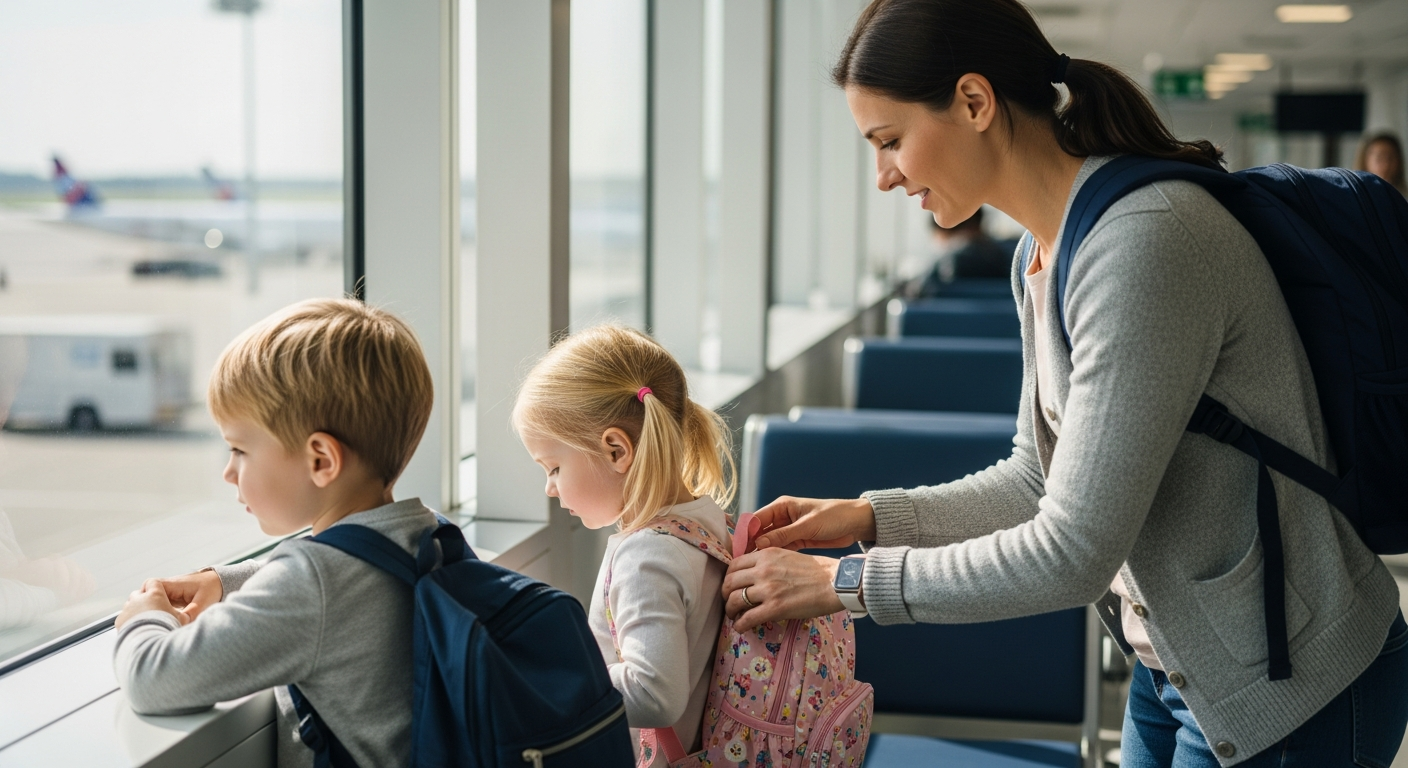
Take advantage of rest stops and airport layovers to let kids stretch their legs and burn off energy. Plan for short walks or visits to playgrounds to break up long periods of sitting.
Pack small surprises or treats to reward good behavior and keep spirits high. A little incentive can go a long way in maintaining a positive attitude during travel.
Consider purchasing travel-sized versions of your child’s favorite toys and activities. These smaller versions are easier to pack and transport, and they can provide hours of entertainment.
Finally, remember to be creative and resourceful. Use your imagination to come up with new and engaging activities to keep kids entertained during travel.
Handling Travel Challenges
Despite the best-laid plans, travel challenges are inevitable, especially with kids. Be prepared to handle common issues such as tantrums, motion sickness, and boredom with patience and understanding.
For tantrums, try to identify the underlying cause, whether it’s hunger, tiredness, or frustration, and address it accordingly. Distraction techniques, such as offering a favorite toy or engaging in a fun activity, can also be effective.
If motion sickness is a concern, consider using travel sickness bands or medication recommended by your pediatrician. Encourage your child to focus on a fixed point outside the window and avoid reading or screen time.
For boredom, rotate activities regularly and introduce new ones to keep your child engaged. Take frequent breaks to stretch, move around, and explore the surroundings, if possible.
When dealing with tantrums, remain calm and avoid raising your voice. Speak to your child in a soothing tone and try to understand their perspective.
Offer choices to give your child a sense of control and autonomy. This can help them feel more empowered and less likely to act out.
If motion sickness is a concern, avoid feeding your child heavy or greasy meals before travel. Stick to light and easily digestible snacks.
Encourage your child to sit in a forward-facing seat and to look out the window at the horizon. This can help reduce feelings of nausea and dizziness.
For boredom, pack a variety of activities to keep kids engaged and entertained. Rotate activities regularly and introduce new ones to prevent boredom.
Take frequent breaks to stretch, move around, and explore the surroundings, if possible. This can help break up long periods of sitting and prevent restlessness.
Be prepared to adapt your plans as needed. Things don’t always go according to plan, so be flexible and willing to adjust your itinerary.
Finally, remember to be patient and understanding. Traveling with kids can be challenging, but it’s also a rewarding experience. With a little preparation and a positive attitude, you can overcome any obstacles and create lasting memories.
Adjusting to New Environments
Arriving at a new destination can be overwhelming for kids, so it’s important to help them adjust to the new environment. Start by familiarizing them with their surroundings, pointing out key landmarks and features.
Establish a consistent routine that mirrors their home life as much as possible, including meal times, bedtimes, and daily activities. This provides a sense of stability and security in unfamiliar surroundings.
- Unpack familiar items
- Establish a consistent sleep schedule
- Explore the new surroundings together
- Create a designated play area
- Maintain regular meal times
Allow your child to bring a favorite toy or blanket to provide comfort and familiarity. These items can serve as a source of reassurance and help them feel more at ease in their new environment.
Be patient and understanding as your child adjusts, offering reassurance and support as needed. It may take some time for them to feel completely comfortable, so allow them the space and time to adapt at their own pace.
Before you arrive at your destination, talk to your children about what to expect. Describe the new environment and any potential differences from their home.
Upon arrival, take some time to explore the new surroundings together. Point out key landmarks and features, such as the hotel pool, the local park, or the nearest grocery store.
Establish a consistent routine that mirrors their home life as much as possible. This can help them feel more secure and comfortable in unfamiliar surroundings.
Allow your child to bring a favorite toy or blanket to provide comfort and familiarity. These items can serve as a source of reassurance and help them feel more at ease in their new environment.
Create a designated play area where your child can relax and unwind. This can be a corner of the hotel room or a specific area in your vacation rental.
Maintain regular meal times and offer familiar foods. This can help prevent hunger-related meltdowns and ensure that your child is getting the nutrition they need.
Be patient and understanding as your child adjusts to the new environment. It may take some time for them to feel completely comfortable, so allow them the space and time to adapt at their own pace.
Finally, remember to have fun and enjoy the new experience together. Traveling can be a wonderful opportunity to bond with your children and create lasting memories.
Travel Tips for Kids with Special Needs
Traveling with children who have special needs requires additional planning and consideration. Start by consulting with your child’s pediatrician or specialist to discuss any potential challenges and strategies for managing them.
Create a detailed itinerary that includes specific accommodations for your child’s needs, such as quiet spaces, sensory-friendly activities, and accessible transportation. Communicate with airlines, hotels, and attractions in advance to ensure they can provide the necessary support.
Pack a sensory kit with items that help your child regulate their emotions and manage sensory overload, such as noise-canceling headphones, fidget toys, and weighted blankets. These items can provide a sense of calm and security in overwhelming environments.
Be prepared to adapt your plans as needed, prioritizing your child’s well-being and comfort above all else. Remember that flexibility is key, and it’s okay to adjust your itinerary to accommodate their needs.
Before you travel, gather all necessary documentation, such as medical records, prescriptions, and insurance information. Keep these documents in a safe and easily accessible place.
Communicate with airlines, hotels, and attractions in advance to inform them of your child’s special needs. Request accommodations such as priority boarding, accessible rooms, and sensory-friendly activities.
Create a visual schedule to help your child understand the travel itinerary. Use pictures or symbols to represent each activity and transition.
Pack a sensory kit with items that help your child regulate their emotions and manage sensory overload. Include items such as noise-canceling headphones, fidget toys, weighted blankets, and calming essential oils.
Be prepared to adapt your plans as needed. Things don’t always go according to plan, so be flexible and willing to adjust your itinerary to accommodate your child’s needs.
Allow extra time for transitions and activities. Rushing can increase anxiety and overwhelm, so give your child plenty of time to adjust to new situations.
Be patient and understanding. Traveling with a child with special needs can be challenging, but it’s also a rewarding experience. With a little preparation and a positive attitude, you can create lasting memories.
Finally, remember to celebrate your child’s successes. Acknowledge their efforts and accomplishments, and let them know how proud you are of them.
Safety Considerations During Travel
Ensuring your children’s safety during travel is paramount. Before you leave, make sure your child knows their full name, your phone number, and the address of your destination.
Consider using a child locator device or app to help you keep track of their whereabouts in crowded areas. Teach them to stay close to you and to seek help from a uniformed employee if they get lost.
When flying, use appropriate car seats or restraints for young children to ensure their safety during takeoff and landing. Follow all safety guidelines provided by the airline and airport staff.
Be vigilant about food safety, especially when traveling to unfamiliar destinations. Avoid street food and ensure that all meals are prepared in a clean and hygienic environment.
Before you leave, make sure your child knows their full name, your phone number, and the address of your destination. Write this information on a piece of paper and have them carry it with them.
Consider using a child locator device or app to help you keep track of their whereabouts in crowded areas. These devices can provide peace of mind and help you quickly locate your child if they get lost.
Teach your child to stay close to you and to seek help from a uniformed employee if they get lost. Explain to them that uniformed employees are safe and trustworthy people who can help them find you.
When flying, use appropriate car seats or restraints for young children to ensure their safety during takeoff and landing. Follow all safety guidelines provided by the airline and airport staff.
Be vigilant about food safety, especially when traveling to unfamiliar destinations. Avoid street food and ensure that all meals are prepared in a clean and hygienic environment.
Teach your child about stranger danger and how to avoid potentially dangerous situations. Explain to them that they should never talk to strangers or accept gifts from them.
Be aware of your surroundings and take precautions to protect your family from theft or other crimes. Keep your valuables in a safe place and avoid walking alone in poorly lit areas.
Finally, trust your instincts. If something doesn’t feel right, remove yourself and your family from the situation.
Budget-Friendly Travel Options for Families
Traveling with kids doesn’t have to break the bank. There are many budget-friendly options available for families who want to explore the world without overspending.
Consider traveling during the off-season when prices are lower and crowds are smaller. Look for deals on flights and accommodations, and take advantage of free activities and attractions.
Opt for self-catering accommodations, such as vacation rentals or apartments, to save money on meals. Pack your own snacks and drinks, and prepare simple meals in your accommodation to avoid expensive restaurant bills.
Take advantage of public transportation, such as buses and trains, instead of renting a car. Look for family discounts and passes that can save you money on transportation costs.
Consider traveling during the off-season when prices are lower and crowds are smaller. This can save you money on flights, accommodations, and activities.
Look for deals on flights and accommodations. Use websites and apps to compare prices and find the best deals.
Take advantage of free activities and attractions. Many cities offer free museums, parks, and other attractions.
Opt for self-catering accommodations, such as vacation rentals or apartments, to save money on meals. This allows you to prepare your own meals and avoid expensive restaurant bills.
Pack your own snacks and drinks. This can save you money on expensive airport and theme park snacks.
Prepare simple meals in your accommodation. This is a great way to save money and eat healthy while traveling.
Take advantage of public transportation, such as buses and trains. This is a more affordable option than renting a car.
Look for family discounts and passes. Many attractions and transportation providers offer discounts for families.
Conclusion
Creating a smooth travel routine for kids involves careful planning, strategic packing, and a healthy dose of flexibility. By following these travel tips, you can transform your next trip into a memorable and enjoyable experience for the whole family.
Remember to involve your children in the planning process, cater to their individual needs, and be prepared to handle unexpected challenges with patience and understanding. With a little preparation and a positive attitude, you can create lasting memories and strengthen your family bond through travel.
In conclusion, traveling with kids can be a rewarding and enriching experience. By following the tips outlined in this guide, you can create a smooth and enjoyable travel routine for your family.
Remember to plan ahead, pack strategically, and be flexible. Involve your children in the planning process and cater to their individual needs.
Be prepared to handle unexpected challenges with patience and understanding. With a little preparation and a positive attitude, you can create lasting memories and strengthen your family bond through travel.
So, pack your bags, gather your family, and embark on your next adventure. The world is waiting to be explored, and there’s no better way to experience it than with your loved ones.
Safe travels and happy memories!