Starting kindergarten is a significant milestone, both for children and their parents. Establishing a solid school day routine for kindergarteners can ease anxiety and set the stage for a successful academic year. A well-structured routine helps kids feel more secure and confident as they navigate this new chapter.
This article will guide you through creating a school day routine that promotes morning readiness, efficient school preparation, and a positive drop-off experience. We’ll also cover after-school activities, homework management, and winding down for a restful evening, ensuring your child is well-prepared for each school day.
A good kindergarten schedule is more than just a timetable; it’s a foundation for building good habits. By implementing these strategies, you can help your child thrive in kindergarten and beyond.
Preparing Your Kindergartener for the School Day
Preparation is key to a smooth school day. Start by discussing what to expect at school, from classroom activities to interactions with teachers and classmates. This helps alleviate any fears or uncertainties your child may have.
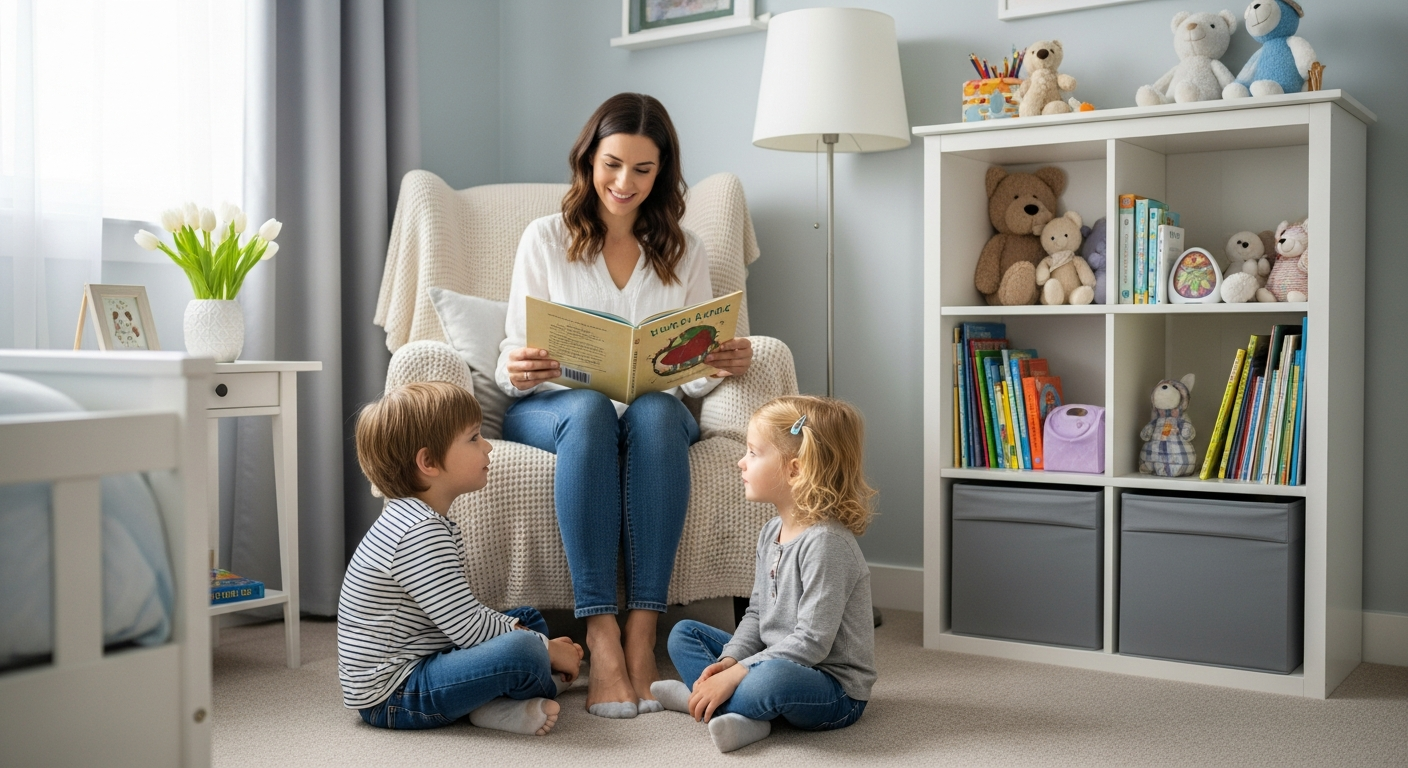
Reading books about starting kindergarten can also be beneficial. Choose stories that depict positive school experiences and address common anxieties like separation anxiety or making new friends.
Another important aspect is involving your child in the preparations. Let them help choose their outfits for the week and pack their backpack with necessary items, fostering a sense of responsibility and independence.
Organize a designated “launch zone” near the entrance of your home. This area should include a spot for backpacks, shoes, and jackets, making it easy for your child to gather their belongings quickly in the morning.
Visual aids, like a picture schedule, can be very helpful for young children. Displaying the daily routine in a visual format allows them to understand the sequence of events and anticipate what comes next.
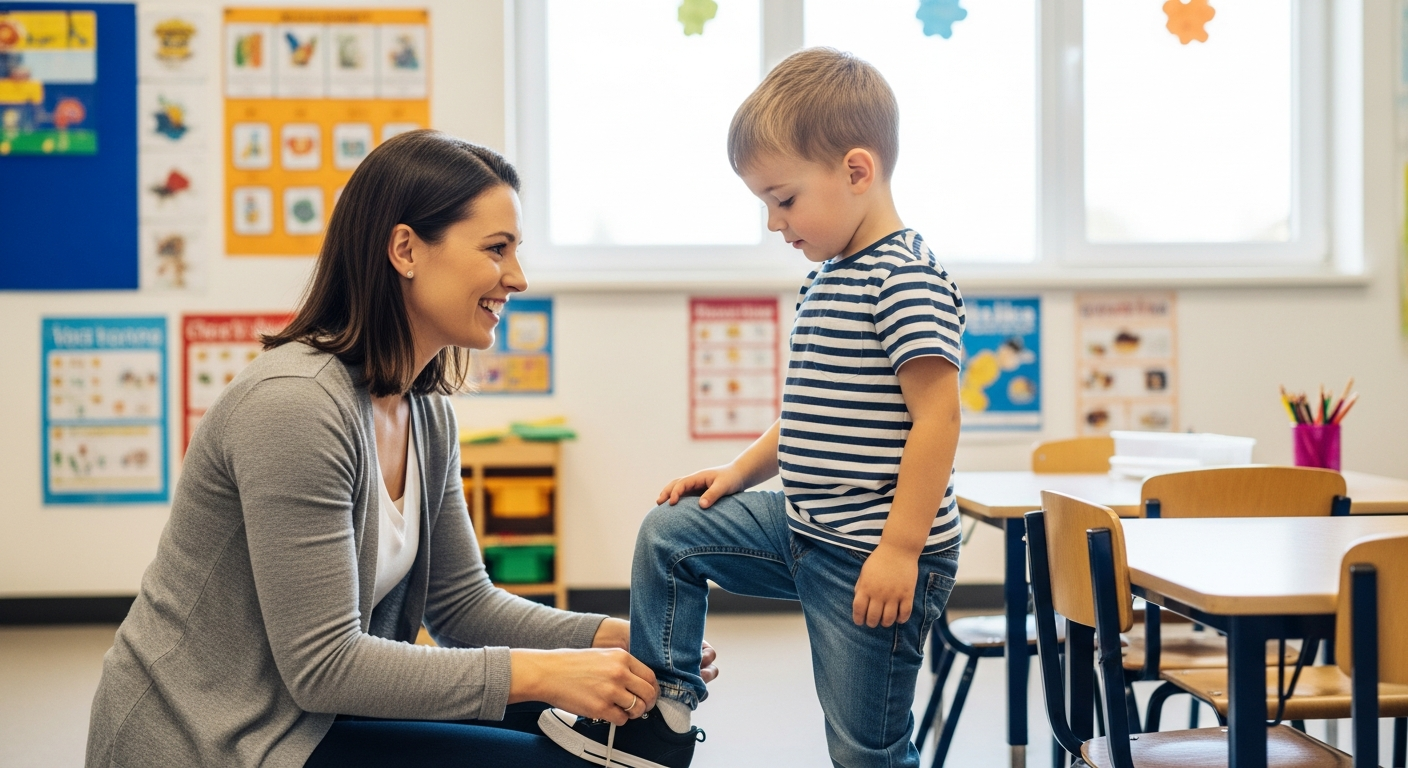
Consider doing a practice run of the school day routine before the first day of kindergarten. This will help identify any potential challenges and allow you to make adjustments as needed.
Talk about the fun aspects of kindergarten, such as making new friends, learning new things, and participating in exciting activities. A positive attitude can make a big difference in your child’s overall experience.
Visit the school and classroom before the first day, if possible. Familiarizing your child with the environment can reduce anxiety and make them feel more comfortable.
Establishing a Morning Routine for School
A consistent morning routine sets the tone for a positive and productive day. Start with a set wake-up time that allows ample time for all necessary activities without rushing.
Avoid hitting the snooze button, as this can disrupt your child’s sleep cycle and lead to grogginess. Instead, try using a gentle alarm or playing soft music to wake them up gradually.
Next, incorporate a nutritious breakfast into the routine. A balanced meal provides the energy needed for learning and playing throughout the morning.
Limit screen time in the morning to avoid distractions and promote focus. Encourage your child to engage in quiet activities like reading or drawing while they eat breakfast.
Make getting dressed a fun activity by allowing your child to choose their own clothes (within reason). Lay out clothes the night before to save time and reduce morning stress.
Incorporate a quick exercise or movement break into the morning routine. This can help wake up your child’s body and improve their focus.
Use a timer to help your child stay on track with each activity. This can also help them learn about time management and responsibility.
Be flexible and adjust the routine as needed to accommodate your child’s individual needs and preferences. The goal is to create a routine that works for everyone.
Packing Lunches and Backpacks Efficiently
Efficient packing saves time and reduces morning stress. Prepare lunches the night before to streamline the morning routine.
Involve your child in choosing healthy lunch options. This encourages them to eat their lunch and teaches them about making nutritious choices.
| Lunch Component | Example Options | Packing Tips |
|---|---|---|
| Main Course | Sandwich, pasta salad, quesadilla | Use reusable containers to reduce waste. |
| Fruits & Vegetables | Apple slices, carrot sticks, grapes | Pre-portion servings in small bags. |
| Snacks | Crackers, yogurt, granola bar | Choose low-sugar and whole-grain options. |
| Drinks | Water, milk, juice box | Opt for water to stay hydrated. |
Check the weather forecast and pack any necessary items like rain gear or extra layers. Ensure your child’s backpack is organized with labeled folders and a designated spot for homework.
Keep a checklist of essential items to ensure nothing is forgotten. This can be especially helpful in the beginning as you establish the routine.
Teach your child how to open and close their lunch containers independently. This will help them feel more confident and self-sufficient at lunchtime.
Label everything clearly with your child’s name and class. This will help prevent lost items and ensure they are returned if misplaced.
Consider packing a small, healthy treat as a reward for good behavior. This can be a fun way to encourage positive choices.
Creating a Positive School Drop-Off Experience
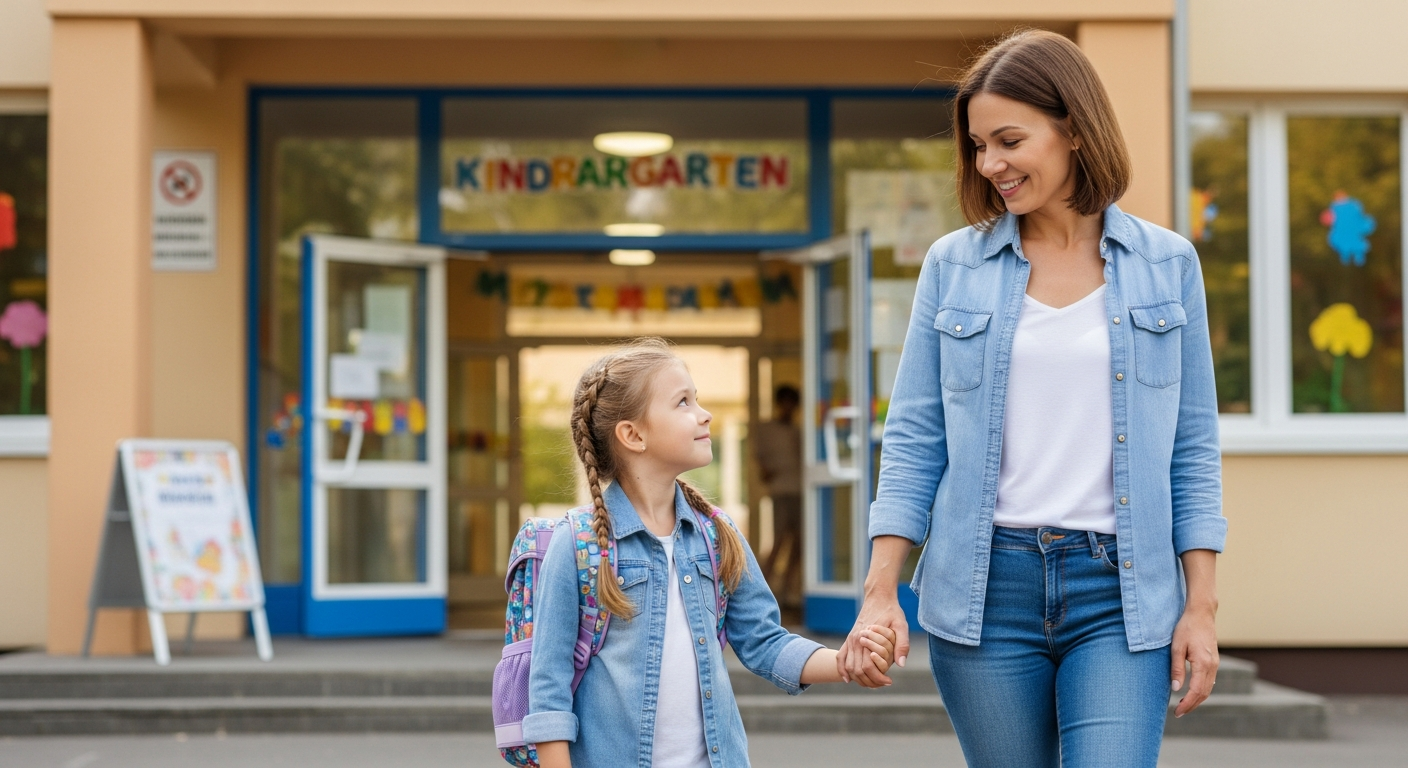
A positive drop-off sets a positive tone for the day. Establish a consistent drop-off routine to minimize anxiety and create a sense of predictability.
Say a warm and reassuring goodbye, but avoid lingering too long. Prolonged goodbyes can actually increase anxiety, so keep it brief and positive.
If your child is experiencing separation anxiety, talk to their teacher about strategies for support. Some schools have specific procedures in place to help children adjust to the drop-off process.
Consider creating a special goodbye ritual, such as a secret handshake or a quick hug. These small gestures can provide comfort and reassurance.
Walk or bike to school if possible to enjoy some fresh air and exercise. This can also be a great way to connect with your child before the school day begins.
Arrive at school on time to avoid rushing and reduce stress. Rushing can create a negative atmosphere and make it harder for your child to adjust.
Smile and maintain a positive attitude, even if you’re feeling anxious yourself. Your child will pick up on your emotions, so try to project confidence and reassurance.
Trust the teachers and staff to care for your child while they are at school. They are trained professionals who are dedicated to creating a safe and supportive learning environment.
After-School Activities and Homework
After a long day at school, kindergarteners need time to unwind and recharge. Plan for a balance of structured activities and free play to support their development.
Limit screen time after school to encourage active play and social interaction. Engage in activities like playing outside, reading books, or doing arts and crafts together.
- Establish a consistent homework routine
- Provide a quiet and well-lit workspace
- Break down assignments into smaller, manageable tasks
- Offer assistance and guidance, but encourage independence
- Review completed homework together
Communicate with your child’s teacher to stay informed about assignments and expectations. This ensures you can provide appropriate support and track their progress.
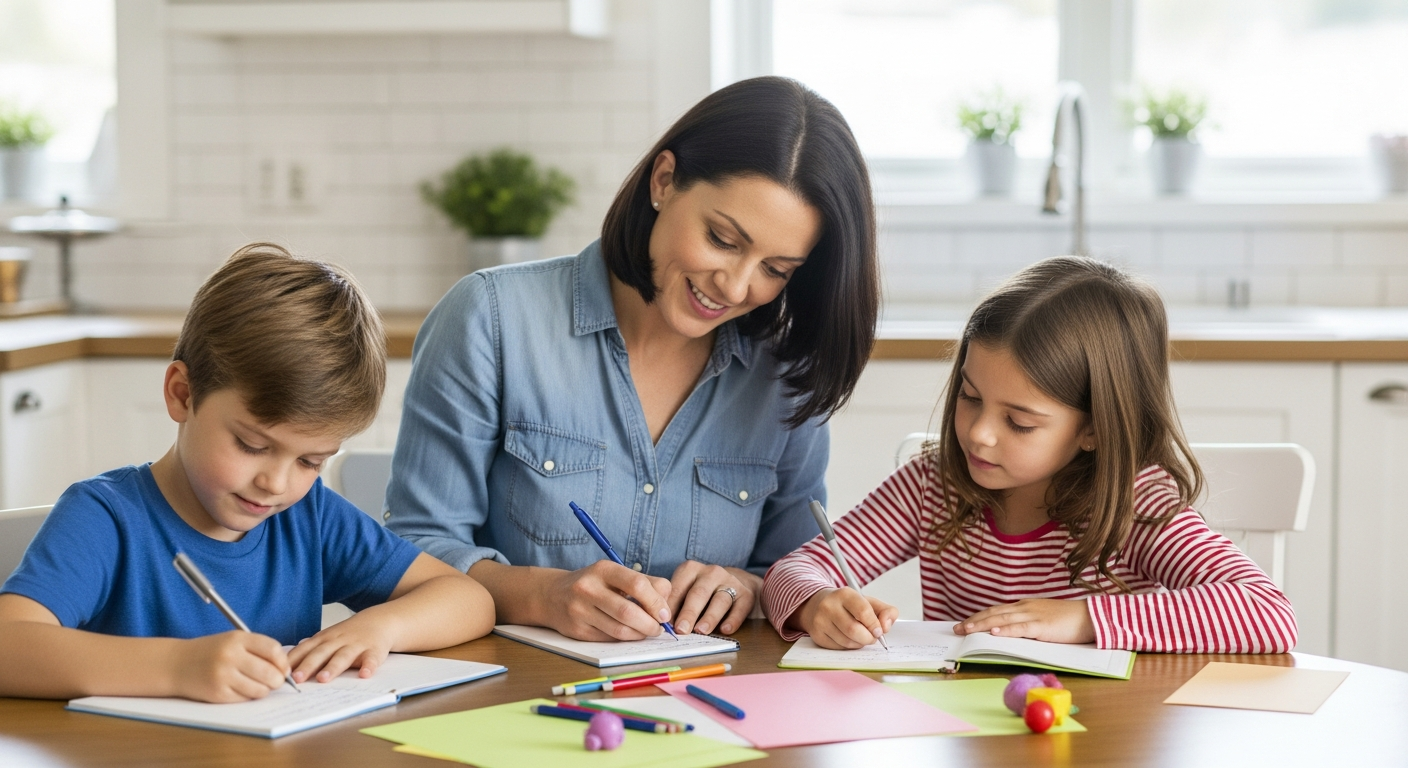
Create a designated homework station with all necessary supplies. This will help your child stay organized and focused on their work.
Set realistic expectations for homework completion. Kindergarten homework should be manageable and not overwhelming.
Provide positive reinforcement and praise for effort and progress. This will help build your child’s confidence and motivation.
Take breaks during homework time to prevent frustration and fatigue. Short breaks can help your child stay focused and engaged.
The Importance of Playtime
Don’t underestimate the value of unstructured playtime. It’s crucial for kindergarteners as it fosters creativity, problem-solving skills, and social-emotional development.
Encourage your child to engage in imaginative play with toys, dress-up clothes, or outdoor activities. Provide a variety of materials and let their imaginations run wild.
Playtime also offers opportunities for social interaction and learning. Arrange playdates with classmates or neighborhood children to promote teamwork and cooperation.
Remember that playtime is not just about fun; it’s an essential part of your child’s overall development. Make time for it every day, even if it’s just for a few minutes.
Create a designated play area in your home or yard. This will provide a safe and stimulating environment for your child to explore and play.
Join your child in playtime to foster bonding and connection. This can also be a great way to observe their development and learn about their interests.
Encourage outdoor play whenever possible. Fresh air and sunshine are essential for physical and mental well-being.
Limit screen time and encourage other forms of play. This will help your child develop a wide range of skills and interests.
Healthy Snacks and Hydration
Providing nutritious snacks and ensuring adequate hydration is crucial for maintaining energy levels. Pack healthy snacks for your child to enjoy after school or during extracurricular activities.
Choose options like fruits, vegetables, yogurt, or whole-grain crackers. Avoid sugary snacks and drinks, which can lead to energy crashes and affect concentration.
Encourage your child to drink water throughout the day to stay hydrated. Keep a water bottle readily available and remind them to take regular sips.
Proper hydration and nutrition are essential for supporting your child’s physical and cognitive well-being. Make healthy choices a part of their daily routine.
Involve your child in preparing healthy snacks. This can be a fun way to teach them about nutrition and encourage them to try new foods.
Offer a variety of healthy snack options to prevent boredom. This will also ensure your child is getting a wide range of nutrients.
Limit access to unhealthy snacks and drinks. This will help your child make healthier choices.
Model healthy eating habits for your child. They are more likely to make healthy choices if they see you doing the same.
Winding Down for the Evening
A calming bedtime routine is essential for promoting restful sleep. Start by establishing a consistent bedtime that allows for adequate sleep.
Avoid screen time at least one hour before bed, as the blue light emitted from electronic devices can interfere with sleep. Instead, engage in relaxing activities like reading or taking a warm bath.
Create a peaceful sleep environment by dimming the lights and reducing noise. Ensure the bedroom is cool, dark, and quiet to promote optimal sleep.
Read a bedtime story together to help your child relax and transition to sleep. This also provides an opportunity for bonding and connection.
Establish a consistent bedtime routine that includes the same activities each night. This will help your child’s body recognize that it’s time to sleep.
Offer a small, healthy snack before bed if your child is hungry. Avoid sugary snacks, which can interfere with sleep.
Talk about the day’s events and express gratitude for positive experiences. This can help your child process their emotions and feel more relaxed.
Ensure your child’s bedroom is comfortable and inviting. A cozy and familiar environment can promote restful sleep.
Addressing Common Challenges
Even with a well-established routine, challenges may arise. Be prepared to address common issues like morning tantrums, homework struggles, or bedtime resistance.
Stay calm and patient when dealing with challenging behaviors. Use positive reinforcement and reward systems to encourage cooperation and good behavior.
Communicate with your child to understand the underlying causes of their behavior. Listen to their concerns and work together to find solutions.
Seek support from teachers, counselors, or other professionals if needed. Don’t hesitate to ask for help when facing persistent challenges.
Be consistent with your rules and expectations. This will help your child understand what is expected of them.
Offer choices whenever possible to give your child a sense of control. This can help reduce resistance and improve cooperation.
Use visual aids and social stories to help your child understand expectations and routines. This can be especially helpful for children with autism or other developmental delays.
Remember that every child is different and will respond to different strategies. Be patient and persistent in finding what works best for your child.
Conclusion
Creating a successful school day routine for kindergarteners requires planning, consistency, and patience. By implementing these strategies, you can help your child thrive academically and emotionally.
Remember that every child is unique, so tailor the routine to fit their individual needs and preferences. A well-structured school day routine for kindergarteners is an investment in your child’s future success.
By focusing on preparation, consistency, and positive reinforcement, you can create a school day routine that supports your child’s growth and development.
Embrace the journey and celebrate the small victories along the way. Kindergarten is a special time, and with a well-planned routine, you can help your child make the most of it.