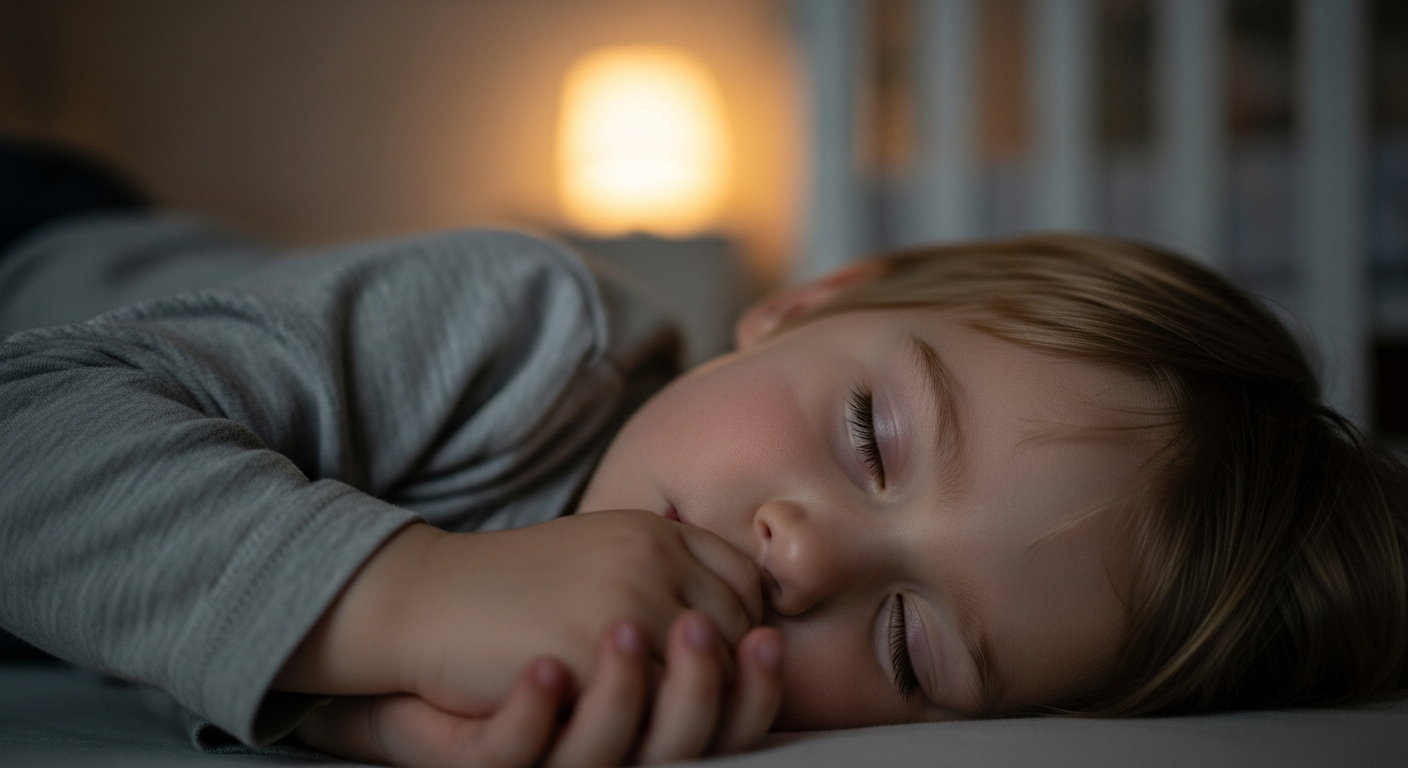

Toddlerhood is a time of incredible growth and development. Ensuring your little one gets enough restful sleep is essential for their health and well-being.
However, some toddlers experience sleep disturbances beyond the typical teething troubles or bedtime battles. One condition to be aware of is sleep apnea, which can have significant implications if left unaddressed.
This article will help you understand toddler sleep apnea symptoms, potential risks, and available treatment options. Recognizing the signs early and seeking appropriate help can make a world of difference for your child’s sleep and overall health.
What is Sleep Apnea and How Does It Affect Toddlers?
Sleep apnea is a sleep disorder characterized by pauses in breathing or shallow breaths during sleep. These interruptions can occur repeatedly throughout the night, disrupting the normal sleep cycle.
In toddlers, sleep apnea can manifest differently than in adults, making it crucial to recognize the specific signs. The most common type of sleep apnea in toddlers is obstructive sleep apnea (OSA), where the airway becomes blocked or narrowed during sleep.
This blockage is often caused by enlarged tonsils or adenoids, which are common in young children. When a toddler’s airway is obstructed, they have to work harder to breathe, leading to a decrease in oxygen levels.
This struggle can cause fragmented sleep and a variety of other health issues. Unlike adults who might realize they aren’t sleeping well, toddlers can’t articulate the problem.
OSA can lead to serious problems if it goes untreated. It is more than just a case of snoring; it’s a real medical issue.

The consequences of sleep apnea in toddlers can affect their development, behavior, and overall health. Therefore, understanding this condition is essential for parents and caregivers.
Imagine your child struggling to breathe every night, multiple times an hour. This constant interruption to their sleep is exhausting and harmful.
It is important to be aware of the signs and symptoms so you can seek help as soon as possible. The earlier you address the issue, the better the outcome for your child.
Identifying the Key Symptoms of Toddler Sleep Apnea
Recognizing toddler sleep apnea symptoms can be challenging, as they may differ from adult symptoms. Pay close attention to your child’s sleep patterns and behaviors during both sleep and wakefulness.
One of the most noticeable signs is loud snoring, often accompanied by pauses in breathing. You might also observe your toddler gasping, choking, or snorting during sleep as they struggle to breathe.
Restless sleep is another common symptom, with your child tossing and turning frequently throughout the night. They might sleep in unusual positions, such as with their neck extended, in an attempt to open their airway.
Daytime symptoms can include excessive daytime sleepiness, difficulty concentrating, and behavioral problems. Some toddlers with sleep apnea may also experience morning headaches or a dry mouth upon waking.
Don’t dismiss these symptoms as just normal toddler behavior. It is crucial to distinguish between typical toddler behavior and potential signs of a sleep disorder.
Loud snoring is more than just an annoyance; it can indicate a serious underlying problem. Pay attention to the quality of the snoring and any accompanying symptoms.
Observe your child’s breathing patterns closely while they sleep. Look for any pauses, gasps, or choking sounds that might indicate an obstructed airway.
Daytime sleepiness can manifest as irritability, difficulty focusing, or frequent naps. These symptoms can significantly impact your child’s daily life and development.
Symptoms of Toddler Sleep Apnea
Being able to spot the symptoms of toddler sleep apnea is the first step in getting your child the help they need. Keep a watchful eye and note any patterns you observe.
Consulting with a healthcare professional can confirm your suspicions and provide a proper diagnosis. Here’s a symptom checklist to help you track your observations:
| Symptom | Description | Frequency |
|---|---|---|
| Loud Snoring | Snoring that is louder than typical, often disruptive. | Nightly or almost nightly |
| Pauses in Breathing | Noticeable stops in breathing during sleep. | Multiple times per night |
| Gasping or Choking | Sudden gasps or choking sounds during sleep. | Occasional or frequent |
| Restless Sleep | Tossing and turning, difficulty staying asleep. | Most nights |
| Daytime Sleepiness | Excessive sleepiness or napping during the day. | Daily or almost daily |
| Behavioral Issues | Irritability, hyperactivity, difficulty focusing. | Frequently observed |
This checklist can be a valuable tool for documenting your child’s symptoms. Bring this information with you when you consult with your pediatrician or a sleep specialist.
Remember that the frequency of these symptoms is important to note. Occasional snoring might not be a cause for concern, but consistent nightly snoring should be investigated.
Pay attention to any changes in your child’s behavior or sleep patterns. Any sudden or significant changes should be discussed with a healthcare professional.
Trust your instincts as a parent; if you suspect something is wrong, seek medical advice. Early detection and intervention are key to managing toddler sleep apnea effectively.
Understanding the Potential Risks of Untreated Sleep Apnea
Untreated sleep apnea in toddlers can lead to a range of health problems, affecting their physical and cognitive development. Chronic sleep deprivation can impair their ability to concentrate, learn, and regulate their emotions.
This can result in behavioral issues such as hyperactivity, aggression, and difficulty following instructions. Sleep apnea can also strain the cardiovascular system, increasing the risk of high blood pressure and heart problems later in life.
Additionally, growth and development may be affected, as growth hormone is primarily released during sleep. Toddlers with sleep apnea may experience delays in speech and language development due to impaired brain function.
Furthermore, untreated sleep apnea can contribute to bedwetting and an increased risk of accidents and injuries. Addressing sleep apnea early is crucial to prevent these long-term consequences.
The impact on cognitive function can be particularly detrimental during these formative years. Sleep is crucial for brain development and consolidation of memories.
Cardiovascular strain can lead to serious health problems in adulthood. It is important to address sleep apnea early to protect your child’s heart health.
Growth hormone deficiency can result in stunted growth and developmental delays. Ensuring adequate sleep is essential for proper growth and development.
Behavioral issues can impact a child’s social interactions and academic performance. Addressing sleep apnea can improve behavior and enhance learning abilities.
Diagnosis and Treatment Options for Sleep Apnea
If you suspect your toddler has sleep apnea, it’s essential to consult with a pediatrician or sleep specialist. They will conduct a thorough evaluation, which may include a physical exam and a review of your child’s sleep history.
The gold standard for diagnosing sleep apnea is a polysomnography, or sleep study. This involves monitoring your child’s brain waves, heart rate, breathing patterns, and oxygen levels overnight in a sleep laboratory.
Based on the results of the sleep study, the doctor will determine the severity of the sleep apnea and recommend appropriate treatment. Treatment options vary depending on the underlying cause and severity of the condition.
For many toddlers with obstructive sleep apnea, the first line of treatment is often the removal of the tonsils and adenoids (tonsillectomy and adenoidectomy). This surgical procedure can effectively open up the airway and alleviate the obstruction.
A sleep study can seem daunting, but it is a crucial step in getting an accurate diagnosis. The information gathered during the sleep study will help guide treatment decisions.
Tonsillectomy and adenoidectomy are common and generally safe procedures. Many children experience significant improvement in their sleep apnea symptoms after surgery.
It’s important to discuss all treatment options with your doctor to determine the best course of action for your child. Each child is different, and the treatment plan should be tailored to their individual needs.
Don’t hesitate to ask questions and express any concerns you may have. Being informed and involved in the decision-making process is essential.
Additional Treatment Approaches
Continuous Positive Airway Pressure (CPAP) therapy is another treatment option, although it’s less commonly used in toddlers than in adults. CPAP involves wearing a mask that delivers a constant stream of air to keep the airway open during sleep.
This can be challenging for toddlers to tolerate, but it can be effective in certain cases. In some instances, dental devices or oral appliances may be recommended to help reposition the jaw and tongue, opening up the airway.
Allergies can contribute to nasal congestion and worsen sleep apnea symptoms. Managing allergies with medications or environmental controls can help improve breathing during sleep.
Your doctor will help you decide on the best course of treatment. It is a decision that should be made with professional guidance and expert insight.
CPAP therapy requires patience and dedication to ensure the toddler tolerates the mask. It may take time for your child to adjust to sleeping with the CPAP machine.
Dental devices and oral appliances are less invasive options that may be suitable for some children. These devices can help improve airway patency and reduce sleep apnea symptoms.
Allergy management can involve avoiding allergens, using medications, or undergoing allergy immunotherapy. Addressing allergies can significantly improve nasal congestion and breathing difficulties.
The treatment approach should be comprehensive and address all contributing factors. A multidisciplinary approach involving doctors, dentists, and allergists may be necessary.
Lifestyle Changes to Improve Sleep Apnea Symptoms
In addition to medical treatments, certain lifestyle changes can help improve toddler sleep apnea symptoms. Maintaining a healthy weight is important, as excess weight can contribute to airway obstruction.
Encourage your toddler to engage in regular physical activity and follow a balanced diet. Creating a consistent bedtime routine can also promote better sleep quality.
- Establish a regular sleep schedule
- Create a relaxing bedtime routine
- Ensure a dark, quiet, and cool sleep environment
- Avoid screen time before bed
- Limit sugary drinks and snacks in the evening
Avoid exposing your toddler to secondhand smoke, as this can irritate the airways and worsen sleep apnea. These simple steps can help reduce the severity of sleep apnea symptoms and improve your child’s overall well-being.
A healthy weight can reduce pressure on the airway and improve breathing. Focus on providing nutritious meals and snacks for your child.
Regular physical activity can improve overall health and reduce the risk of obesity. Encourage your child to play and be active throughout the day.
A consistent bedtime routine can help regulate your child’s sleep-wake cycle. This can make it easier for them to fall asleep and stay asleep throughout the night.
Secondhand smoke can irritate the airways and worsen respiratory problems. Avoid exposing your child to smoke in any environment.
When to Consult a Sleep Specialist
While a pediatrician can provide initial guidance, consulting a sleep specialist is recommended if your toddler’s sleep apnea symptoms persist or worsen. A sleep specialist has expertise in diagnosing and treating various sleep disorders, including sleep apnea.
They can conduct a more comprehensive evaluation and recommend specialized treatments tailored to your child’s specific needs. If your toddler has underlying medical conditions that may be contributing to sleep apnea, a sleep specialist can collaborate with other healthcare providers to develop a comprehensive treatment plan.
Don’t hesitate to seek expert help if you have concerns about your toddler’s sleep. Early intervention can prevent long-term health complications and improve your child’s quality of life.
A sleep specialist can also provide valuable guidance on sleep hygiene and behavioral strategies to promote better sleep habits. Getting professional help will give you the information and treatment options you need.
A sleep specialist has specialized training and experience in diagnosing and treating sleep disorders. They can provide a more in-depth assessment of your child’s sleep problems.
They can also help you develop a personalized treatment plan that addresses your child’s specific needs. This may involve a combination of medical treatments, lifestyle changes, and behavioral strategies.
Collaboration with other healthcare providers is essential for children with complex medical conditions. A sleep specialist can work with your pediatrician, allergist, and other specialists to ensure coordinated care.
Seeking expert help is a sign of proactive parenting. It shows that you are committed to ensuring your child’s health and well-being.
The Importance of Early Intervention
Early intervention for toddler sleep apnea is extremely important for several reasons. By addressing the issue promptly, you can prevent potential developmental delays and behavioral problems.
Proper treatment can improve your child’s concentration, learning abilities, and emotional regulation. Addressing sleep apnea early can also reduce the risk of cardiovascular complications and growth problems.
Furthermore, early intervention can improve your child’s overall quality of life and reduce stress for the entire family. Don’t underestimate the power of early diagnosis and treatment in ensuring a healthy future for your toddler.
It’s important to remember that you aren’t alone in navigating this challenge. Support groups and online communities can provide valuable resources and emotional support for parents of children with sleep apnea.
Early intervention can have a profound impact on a child’s development and well-being. It can prevent long-term health problems and improve their quality of life.
Addressing sleep apnea early can also reduce stress and improve sleep quality for the entire family. When your child sleeps better, everyone benefits.
Support groups and online communities can provide a sense of community and shared experience. Connecting with other parents can help you feel less alone and more supported.
Remember that you are your child’s advocate. Don’t hesitate to seek help and support when you need it.
Conclusion
Recognizing toddler sleep apnea symptoms is the first step toward ensuring your child gets the restful sleep they need. By understanding the potential risks of untreated sleep apnea and seeking appropriate medical care, you can significantly improve your child’s health and well-being.
Don’t hesitate to consult with a healthcare professional if you have any concerns about your toddler’s sleep. Early intervention can make a world of difference in their development and overall quality of life, so be proactive and involved.
By staying informed and taking action, you can help your toddler overcome sleep apnea and thrive. With the right support and treatment, your child can enjoy peaceful nights and energetic days, reaching their full potential.
Remember, a good night’s sleep is essential for a happy and healthy toddler. So, take the necessary steps to address any sleep issues and ensure your child gets the rest they deserve.
Your attentiveness and action can make a significant difference in your child’s life. Early diagnosis and appropriate treatment can prevent long-term health issues.
By prioritizing your child’s sleep health, you are investing in their future. A well-rested child is better equipped to learn, grow, and thrive.
Stay informed, be proactive, and seek professional guidance when needed. You are the best advocate for your child’s health and well-being.
With the right support and care, your toddler can overcome sleep apnea and enjoy a happy, healthy childhood. Remember, a good night’s sleep is a gift you can give your child.