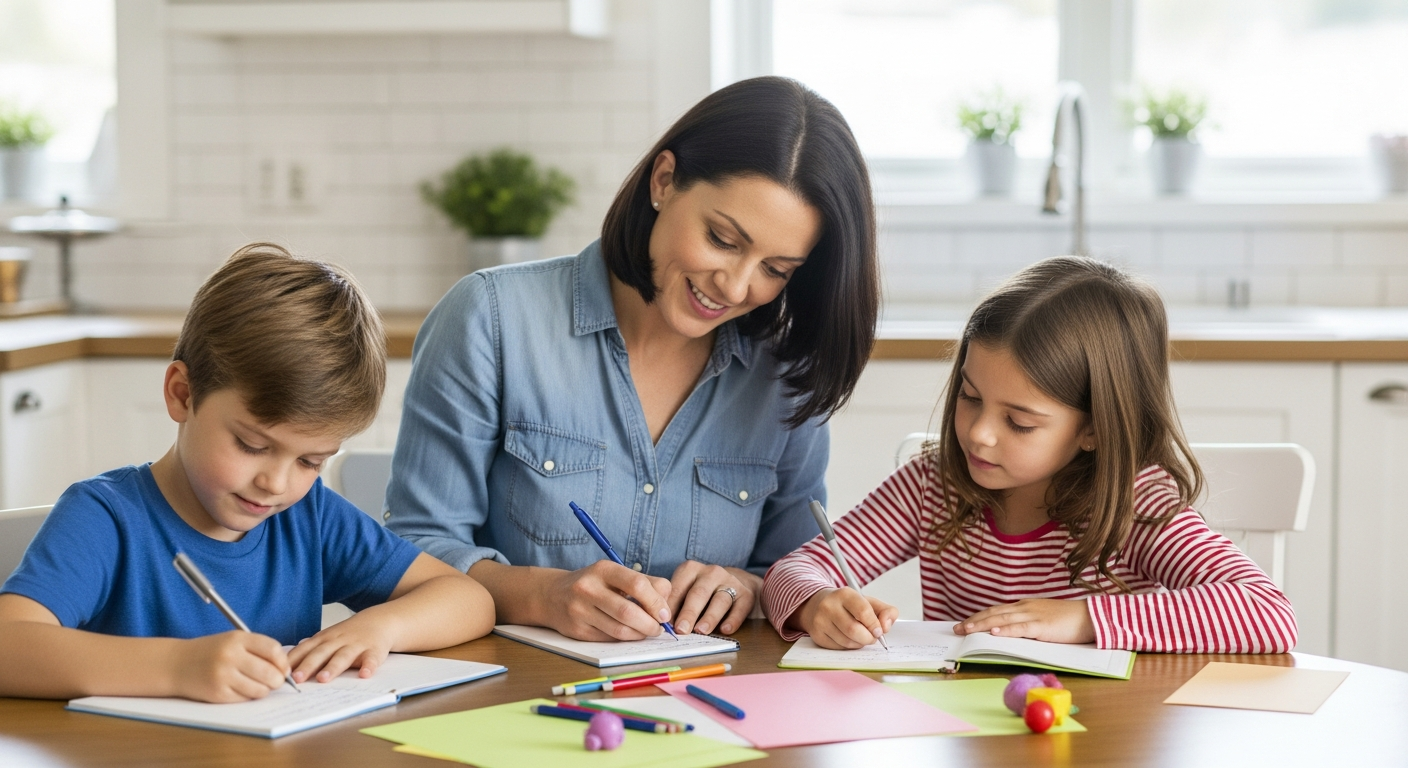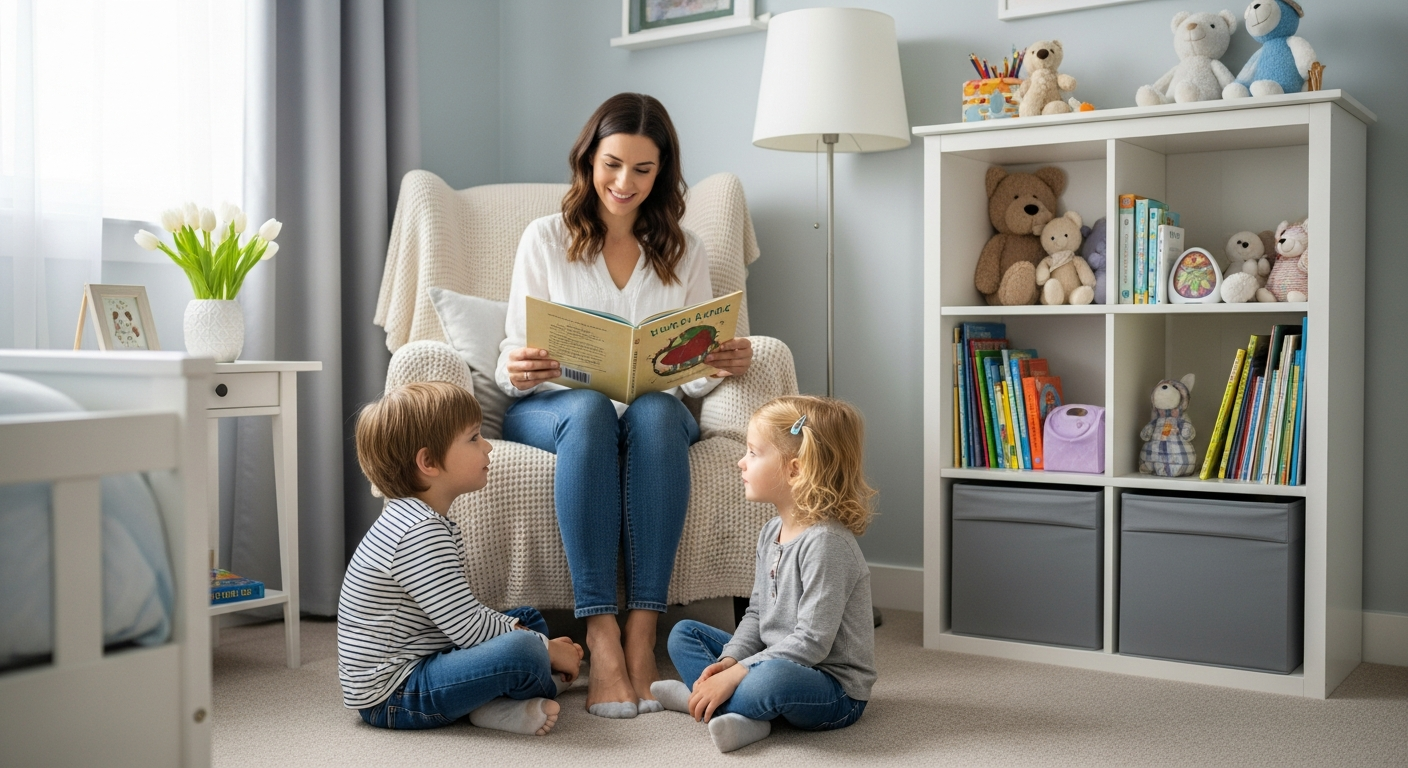
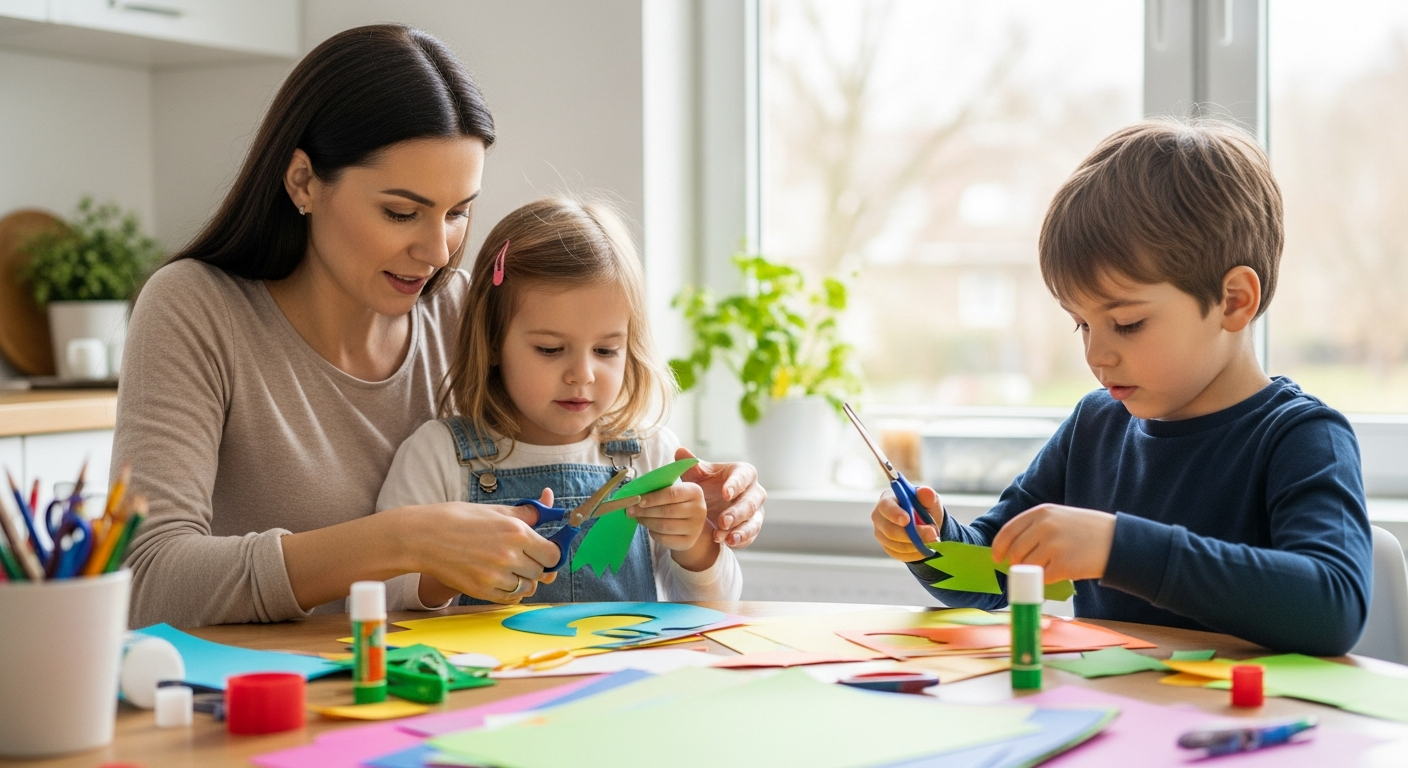
The holiday break is an exciting time for kids, filled with anticipation for presents, family gatherings, and a break from school. However, the unstructured nature of the holidays can sometimes lead to boredom, restlessness, and disruptions in sleep patterns. Establishing a holiday break routine for kids is essential to ensure they remain engaged, happy, and well-rested throughout the vacation.
A well-planned routine provides a sense of stability and predictability, which can be particularly beneficial for children. This article will explore strategies for creating a balanced holiday break routine for kids, incorporating fun activities, learning opportunities, and essential downtime.
By implementing these tips, parents can help their children make the most of their holiday break, fostering creativity, maintaining healthy habits, and preparing them for a smooth transition back to school. Let’s look at how to make this holiday break both enjoyable and beneficial for your kids.
The Importance of a Routine During Holiday Breaks
Maintaining a routine during holiday breaks is crucial for children’s well-being. Without the structure of school, kids can easily fall into unhealthy habits, such as sleeping in late, excessive screen time, and irregular meal schedules.
A consistent daily schedule helps regulate their internal clock, promoting better sleep and overall mood. A break schedule also provides a sense of security and predictability, which can reduce anxiety and behavioral issues.
Moreover, a structured routine ensures that children engage in a variety of activities, preventing boredom and promoting cognitive development. Parents can use the holiday break as an opportunity to instill positive habits that will benefit their children long after the vacation is over.
By establishing clear expectations and boundaries, families can enjoy a more peaceful and fulfilling holiday season. This approach also helps in managing expectations around holiday activities and gifts, ensuring that the focus remains on creating meaningful experiences rather than just material possessions.
Routines also offer a framework for managing screen time effectively. Setting specific times for electronic devices helps prevent overuse and encourages other activities. This balance is crucial for maintaining both physical and mental health during the break.
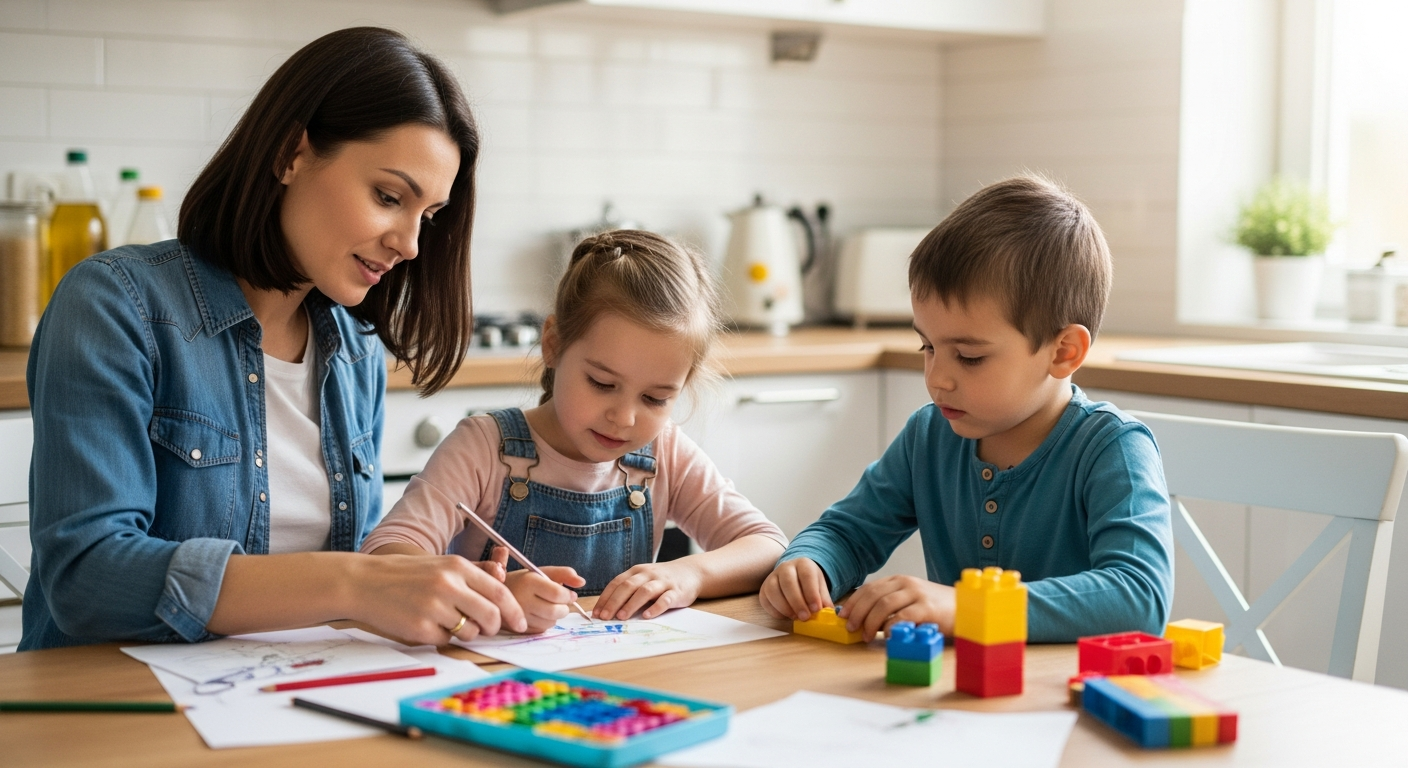
Furthermore, a routine can incorporate opportunities for learning and personal growth. This could involve reading, pursuing hobbies, or engaging in educational games. It’s about finding ways to keep their minds active even when they’re not in school.
Consider involving your children in creating the routine. Their input will make them feel more invested and likely to stick to the plan. This collaborative approach can also be a valuable learning experience in itself.
Finally, remember that routines don’t have to be rigid. Flexibility is key to adapting to changing circumstances and ensuring everyone enjoys the holiday break. The goal is to provide structure without stifling spontaneity and fun.
Planning Fun and Engaging Activities
One of the best ways to keep kids engaged during the holiday break is to plan a variety of fun and stimulating activities. This can include both indoor and outdoor options, catering to different interests and age groups.
Consider involving your children in the planning process to ensure they are excited about the activities. A collaborative approach will increase their enthusiasm and make them more likely to participate actively.
For younger children, simple activities like arts and crafts, building with blocks, or playing dress-up can provide hours of entertainment. Older kids might enjoy board games, puzzles, or more complex craft projects, like model building or jewelry making.
Outdoor activities are equally important, weather permitting. Trips to the park, nature walks, or bike rides can help children burn off energy and get some fresh air, which is essential for their physical and mental health.
Don’t underestimate the power of family activities. Cooking together, watching movies, or playing games as a family can create lasting memories. These shared experiences strengthen bonds and provide opportunities for connection.
Consider incorporating themed days into your activity plan. A “movie day” could involve watching favorite films, making popcorn, and building a fort. A “craft day” could be dedicated to creating holiday decorations or personalized gifts.
Volunteering as a family can be a rewarding and educational experience. Helping out at a local food bank or animal shelter teaches children about empathy and social responsibility. It also provides a sense of purpose and accomplishment.
Remember to be mindful of your children’s individual interests and preferences. Not every activity will appeal to everyone, so offer a variety of options to choose from. This ensures that everyone feels included and engaged.
Fun Holiday Activity Ideas
Creating a list of potential holiday activities can help structure the break and provide options for different days. Here are some ideas to get you started, tailored for various age groups and interests.
Remember to be flexible and adapt the schedule based on your children’s preferences and the weather. This will ensure that the holiday break is enjoyable and stress-free for everyone involved.
| Activity Type | Description | Age Group |
|---|---|---|
| Arts and Crafts | Painting, drawing, coloring, making holiday cards | All ages |
| Outdoor Adventures | Park visits, nature walks, bike rides, sledding (if applicable) | All ages |
| Indoor Games | Board games, puzzles, card games, charades | 5+ years |
| Creative Projects | Building models, making jewelry, writing stories, creating videos | 8+ years |
| Educational Activities | Museum visits, science experiments, reading books, online learning games | All ages |
| Community Service | Volunteering at a local charity, helping neighbors | 10+ years |
Expand on the arts and crafts ideas by considering specific holiday-themed projects. Making ornaments, decorating gingerbread houses, or creating personalized wrapping paper can be festive and fun. Provide a variety of materials and let their creativity flow.
For outdoor adventures, think beyond the park and explore local hiking trails or nature reserves. Geocaching can add an element of adventure and discovery to your outdoor excursions. Remember to dress appropriately for the weather and bring snacks and water.
Indoor games can be more than just board games. Building a fort, having a scavenger hunt, or putting on a puppet show can be engaging and imaginative. Encourage your children to create their own games and activities.
Creative projects can be tailored to your children’s interests. If they enjoy writing, encourage them to start a journal or write a short story. If they are interested in technology, they could create a simple website or edit a video.
Educational activities can be disguised as fun. Visiting a planetarium, attending a science workshop, or exploring a historical site can be both entertaining and informative. Look for interactive exhibits and hands-on activities.
Community service projects can be a meaningful way to give back during the holidays. Visiting a nursing home, collecting donations for a local charity, or writing letters to soldiers can teach children about compassion and gratitude. Involve them in choosing a cause that resonates with them.
Incorporating Learning and Education
While the holiday break is a time for relaxation and fun, it also presents an opportunity to incorporate learning and education in engaging ways. This doesn’t mean replicating the school day, but rather finding creative ways to stimulate your child’s mind and expand their knowledge.
Educational activities can be seamlessly integrated into the daily routine, making learning an enjoyable part of the holiday experience. By focusing on their interests, you can make learning feel less like a chore and more like a fun exploration.
Museum visits are a fantastic option, offering interactive exhibits and educational displays that can spark curiosity and inspire learning. Science experiments conducted at home can also be a great way to engage children in STEM subjects, teaching them about scientific principles through hands-on activities.
Reading books together is another excellent way to promote literacy and expand their vocabulary. You can also incorporate online learning games and educational apps, which can provide a fun and interactive way to reinforce concepts learned in school.
Consider subscribing to educational magazines or newsletters that align with your child’s interests. These resources can provide engaging articles, activities, and experiments that can be enjoyed throughout the break. Make it a regular part of their routine to spend some time reading and exploring these materials.
Learning a new language can be a fun and rewarding activity for the whole family. Use online language learning platforms or apps to learn basic phrases and vocabulary together. Watch foreign films or listen to music in another language to immerse yourselves in the culture.
Explore educational documentaries and videos on topics that interest your child. There are countless documentaries available on a wide range of subjects, from history and science to art and culture. These can spark discussions and encourage further research.
Incorporate math into everyday activities. Baking and cooking involve measuring ingredients and following recipes, providing opportunities to practice math skills. Playing board games that involve counting and strategy can also be educational and fun.
Scheduling Downtime and Relaxation
It’s important to balance structured activities with ample downtime and relaxation during the holiday break. Children need time to unwind, recharge, and engage in unstructured play, which is essential for their emotional and mental well-being.
Allowing for downtime can prevent burnout and promote creativity, as children have the opportunity to explore their own interests and ideas without external pressures. Encourage activities like reading, drawing, or simply daydreaming, which can help them relax and de-stress.
Limit screen time to prevent overstimulation and promote better sleep. Establishing screen-free periods during the day can encourage children to find alternative activities and engage in more mindful pursuits.
Create a cozy and comfortable environment where children can relax and unwind, such as a reading nook or a quiet corner with pillows and blankets. This provides a dedicated space for relaxation and helps them associate that area with feelings of calmness and tranquility.
Introduce mindfulness and meditation techniques to help children manage stress and anxiety. Simple breathing exercises or guided meditations can promote relaxation and improve focus. There are many kid-friendly apps and resources available to help you get started.
Encourage outdoor relaxation. Spending time in nature can have a calming effect on children. Take a walk in the park, sit by a lake, or simply lie in the grass and look at the clouds. These experiences can help them connect with nature and reduce stress.
Create a relaxing bedtime routine to promote restful sleep. This could include taking a warm bath, reading a book, or listening to calming music. Avoid screen time before bed, as the blue light emitted from electronic devices can interfere with sleep.
Model relaxation techniques yourself. Children often learn by observing their parents, so make an effort to prioritize your own well-being and relaxation. This will not only benefit you but also set a positive example for your children.
Maintaining Healthy Habits
Maintaining healthy habits is essential for children’s physical and mental well-being during the holiday break. This includes ensuring they get enough sleep, eat nutritious meals, and engage in regular physical activity.
Establishing a consistent sleep schedule is crucial for regulating their body clock and promoting restful sleep. Aim for the same bedtime and wake-up time each day, even during the holidays, to prevent sleep disruptions.
Nutritious meals and snacks are equally important, providing the energy and nutrients children need to stay active and healthy. Plan balanced meals that include fruits, vegetables, whole grains, and lean protein, and limit sugary snacks and processed foods.
Encourage regular physical activity to help children burn off energy and maintain a healthy weight. This can include outdoor play, sports, or even indoor activities like dancing or yoga.
Make healthy eating fun by involving children in meal planning and preparation. Let them choose fruits and vegetables at the grocery store and help with simple cooking tasks. This can increase their interest in trying new foods and developing healthy eating habits.
Hydration is also important for maintaining overall health. Encourage children to drink plenty of water throughout the day. Keep a water bottle readily available and offer water as a regular part of meals and snacks.
Limit sugary drinks, such as soda and juice, as these can contribute to weight gain and other health problems. Offer water, unsweetened tea, or diluted juice as healthier alternatives.
Promote good hygiene habits, such as regular handwashing and teeth brushing. This is especially important during the holiday season, when germs can spread easily. Make sure children wash their hands frequently, especially before meals and after using the restroom.
Tips for Healthy Holiday Habits
Here are some actionable tips to help you maintain healthy habits for your kids during the holiday break. These simple strategies can make a big difference in their overall well-being.
By prioritizing these habits, you can ensure that your children stay healthy, happy, and energized throughout the holiday season. A healthy holiday break routine for kids sets the stage for a successful and enjoyable time.
- Establish a consistent sleep schedule
- Plan nutritious meals and snacks
- Limit sugary treats and processed foods
- Encourage daily physical activity
- Set screen time limits
- Promote hydration with water
- Practice mindfulness and relaxation
To elaborate on establishing a consistent sleep schedule, consider using a visual schedule for younger children. This can help them understand the routine and anticipate bedtime. A reward system for sticking to the schedule can also be motivating.
When planning nutritious meals and snacks, focus on incorporating a variety of colors and textures. This can make meals more appealing to children and ensure they are getting a wide range of nutrients. Get creative with presentation to make healthy foods more enticing.
To limit sugary treats and processed foods, keep healthy alternatives readily available. Offer fruits, vegetables, yogurt, or nuts as snacks instead of cookies or candy. Make homemade treats with healthier ingredients.
Encourage daily physical activity by making it a fun and social activity. Organize family bike rides, play tag in the park, or dance to music together. Find activities that everyone enjoys and can participate in.
When setting screen time limits, be clear and consistent. Use a timer or app to track screen time and provide warnings when time is almost up. Encourage alternative activities, such as reading, playing games, or spending time outdoors.
Promote hydration with water by keeping water bottles readily available and offering water throughout the day. Make water more appealing by adding slices of fruit or cucumber. Avoid sugary drinks, which can dehydrate and contribute to health problems.
Practice mindfulness and relaxation by incorporating simple techniques into your daily routine. Deep breathing exercises, guided meditation, or yoga can help children manage stress and improve focus. Make it a regular part of their day to promote overall well-being.
Preparing for the Return to School
As the holiday break comes to an end, it’s important to prepare children for the return to school. This can help ease the transition and reduce any anxiety or stress associated with going back to the classroom.
Start gradually re-establishing the school routine a few days before classes resume. This includes adjusting bedtime and wake-up times, as well as meal schedules, to align with the school day.
Review schoolwork and assignments to refresh their memory and get them back into the academic mindset. Organize their school supplies and pack their backpacks to ensure they are prepared for the first day back.
Talk to your children about their expectations and concerns regarding the return to school, addressing any anxieties they may have. Remind them of the positive aspects of school, such as seeing their friends and engaging in learning activities.
Plan a fun activity for the last day of the break to end the vacation on a positive note. This could be a special outing, a movie night, or a family game night. Create a memorable experience that will leave them feeling happy and refreshed.
Re-establish the school morning routine a few days before classes resume. Practice getting ready for school in the morning, including waking up on time, getting dressed, eating breakfast, and packing their lunch. This will help them adjust to the new schedule and reduce stress on the first day back.
Create a designated study space for homework and other school-related activities. This should be a quiet and organized area where they can focus on their work without distractions. Make sure they have all the necessary supplies and resources.
Encourage them to connect with their friends before school starts. This can help them feel more connected and supported as they transition back to the classroom. Arrange playdates or phone calls to help them reconnect with their peers.
Conclusion
Creating a holiday break routine for kids is essential for ensuring they remain engaged, happy, and well-rested during their time off from school. By planning fun activities, incorporating learning opportunities, and maintaining healthy habits, parents can help their children make the most of their vacation.
A well-structured routine provides stability and predictability, reducing boredom and promoting overall well-being. Remember to involve your children in the planning process to ensure they are excited about the activities and feel a sense of ownership over their holiday break.
As the holiday break comes to a close, gradually re-establish the school routine to ease the transition back to the classroom. With careful planning and attention to your children’s needs, you can create a holiday break that is both enjoyable and beneficial for the whole family.
Embrace the holiday season as an opportunity to foster creativity, build lasting memories, and strengthen family bonds. A thoughtful holiday break routine for kids sets the stage for a happy and fulfilling experience.
Ultimately, the key to a successful holiday break routine is flexibility and communication. Be willing to adjust the schedule based on your children’s needs and preferences, and encourage them to share their thoughts and feelings. By working together, you can create a holiday break that is both enjoyable and beneficial for everyone.
Remember that the goal is not to create a rigid and inflexible schedule, but rather to provide a framework that supports your children’s well-being and promotes positive habits. Allow for spontaneity and flexibility, and be willing to adapt the routine as needed.
The holiday break is a time for families to connect, create memories, and enjoy each other’s company. By implementing a thoughtful and balanced routine, you can ensure that your children have a happy, healthy, and fulfilling holiday season.
So, take the time to plan ahead, involve your children in the process, and embrace the opportunity to create a holiday break that is both enjoyable and beneficial for the whole family. With a little effort and creativity, you can make this holiday season one to remember.