
Creating a consistent and engaging afternoon routine for preschoolers can be a game-changer for both kids and parents. It’s a structured approach that brings predictability and a sense of calm to what can often be a chaotic time of day. This structure not only benefits the child’s development but also makes the transition from playtime to dinner and bedtime smoother for everyone involved.
An effective afternoon routine should be a mix of activities that cater to a preschooler’s need for both stimulation and relaxation. Think of it as a mini-curriculum designed to support their cognitive, emotional, and physical growth. By carefully planning and implementing this routine, you’re setting the stage for a more balanced and happy child.
In this article, we’ll explore how to craft an engaging afternoon routine for preschoolers that incorporates fun, learning, and essential downtime. We will also cover everything from planning developmentally appropriate activities to healthy snack ideas and strategies for transitioning to dinner time, all while keeping the afternoon fun and engaging.
The Benefits of an Afternoon Routine for Preschoolers
A structured afternoon routine offers a multitude of advantages for preschoolers. It provides a sense of security and predictability, which can significantly reduce anxiety and behavioral issues.
Knowing what to expect next helps children feel more in control and secure. This predictability fosters independence and self-regulation, essential skills for their future development.
Furthermore, a well-planned routine can enhance learning and development. By incorporating educational activities into the afternoon, you can reinforce concepts learned in preschool and introduce new ones in a relaxed, home environment.
This consistent exposure to learning opportunities can boost cognitive skills and foster a love for learning. A routine also creates opportunities for quality time and bonding. Activities like reading together or engaging in imaginative play strengthen the parent-child relationship, creating lasting memories.
Beyond the immediate benefits, an afternoon routine can also contribute to long-term positive outcomes. Children who experience structure and predictability in their daily lives tend to develop better coping mechanisms for stress and adversity. This resilience is invaluable as they navigate the challenges of growing up.
Moreover, a consistent routine can improve sleep patterns. By winding down with calming activities in the late afternoon, you can prepare your child’s body and mind for a restful night’s sleep. This is crucial for their overall health and cognitive function.
For parents, an afternoon routine provides a sense of order and control in what can often feel like a chaotic time of day. Knowing what to expect and having a plan in place can reduce stress and improve your overall well-being. It allows you to be more present and engaged with your child, creating a more positive and fulfilling parenting experience.
In addition, a well-established routine can free up time for parents to attend to other tasks, such as preparing dinner or catching up on work. By having a predictable structure in place, you can better manage your time and prioritize your responsibilities. This can lead to a more balanced and less stressful lifestyle for the whole family.
Planning Activities That Support Development
When planning your afternoon routine for preschoolers, it’s important to choose activities that are both engaging and developmentally appropriate. Consider your child’s interests and abilities when selecting activities to ensure they are challenged but not overwhelmed.
A great way to start is by alternating between active and quiet activities. This balance helps manage their energy levels and prevents overstimulation, contributing to a more harmonious afternoon.
For active play, think about incorporating activities that promote gross motor skills. These could include running, jumping, dancing, or playing outdoor games, all of which are great for developing their physical coordination.
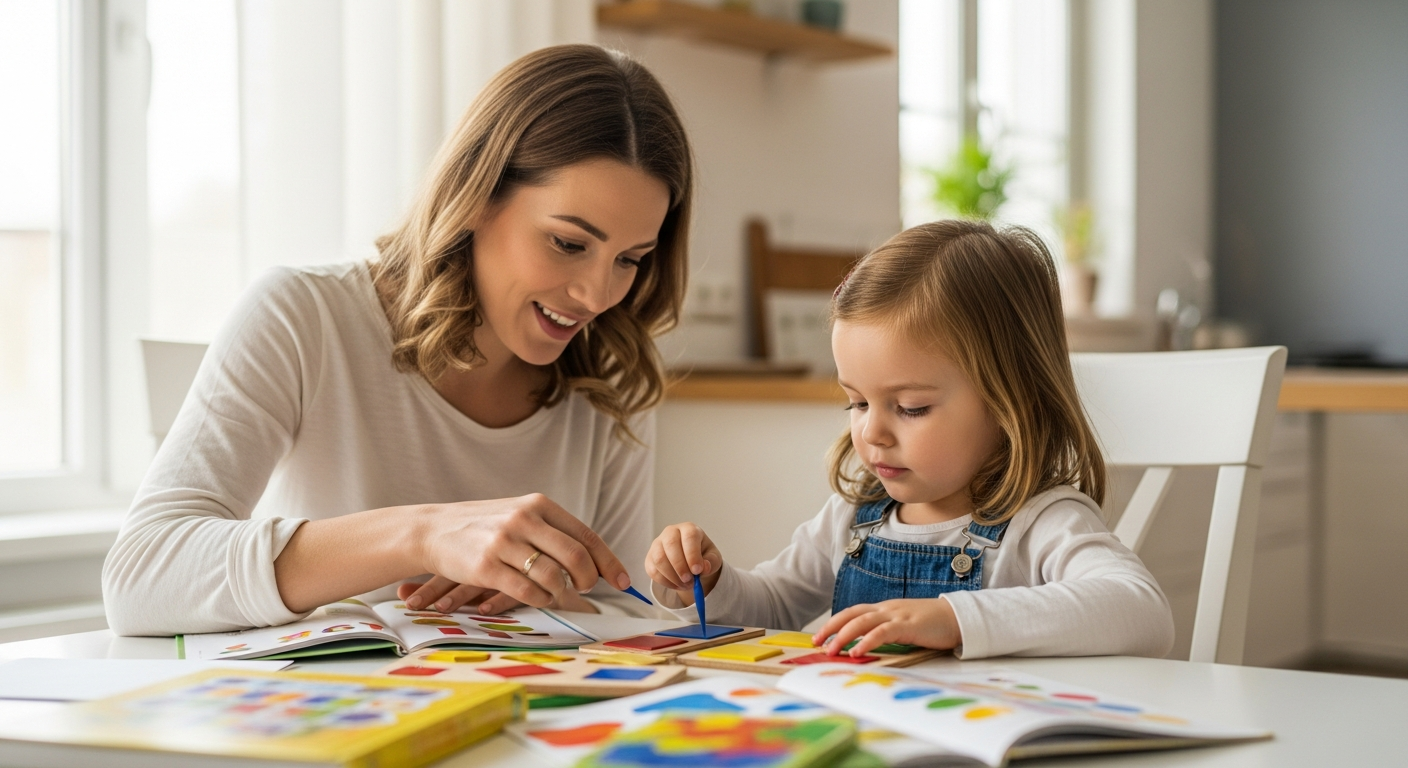
Quiet activities, on the other hand, should focus on fine motor skills and cognitive development. Puzzles, drawing, coloring, and reading are all excellent options that promote creativity and problem-solving skills.
Remember to involve your child in the planning process. Ask them what activities they enjoy and what they would like to include in their afternoon routine. This gives them a sense of ownership and makes them more likely to participate enthusiastically.
Consider incorporating activities that promote social-emotional development, such as playing cooperative games or engaging in pretend play with siblings or friends. These activities help them learn how to share, take turns, and resolve conflicts, essential skills for building healthy relationships.
Don’t be afraid to get creative and think outside the box when planning activities. Turn everyday tasks into learning opportunities, such as sorting laundry by color or measuring ingredients while baking. This makes learning fun and engaging, and helps them develop practical life skills.
Be mindful of your child’s attention span and adjust the length of activities accordingly. Preschoolers typically have shorter attention spans, so it’s important to keep activities brief and engaging. Break up longer activities into smaller chunks with short breaks in between to prevent boredom and frustration.
The Importance of Educational Play
Educational play is a cornerstone of a successful afternoon routine for preschoolers. It’s a fantastic way to sneak in learning while keeping kids entertained and engaged.
Think about incorporating activities that teach basic concepts like colors, shapes, numbers, and letters through play. For example, you could use building blocks to teach counting or create a scavenger hunt to reinforce color recognition.
Another great idea is to use storytelling and role-playing to develop their language and social skills. Encourage them to create their own stories or act out familiar scenarios, fostering their imagination and communication abilities.
Arts and crafts are also a wonderful way to promote creativity and fine motor skills. Simple projects like making collages, painting, or creating homemade playdough can provide hours of fun while also supporting their development.
Consider using educational toys and games that are designed to promote specific skills. Puzzles, board games, and construction sets can all be valuable tools for learning and development. Look for toys that are age-appropriate and challenging but not overwhelming.
Incorporate sensory play into your afternoon routine. Activities like playing with sand, water, or playdough can stimulate their senses and promote exploration and discovery. Sensory play is also a great way to relieve stress and promote relaxation.
Use technology as a tool for educational play. There are many educational apps and websites that can provide engaging and interactive learning experiences. However, it’s important to monitor their screen time and ensure that they are using technology in a balanced and appropriate way.
Remember that educational play doesn’t have to be structured or formal. Simply providing your child with opportunities to explore, experiment, and create can be incredibly beneficial. Encourage them to follow their interests and passions, and support their learning journey in a fun and engaging way.
Sample Afternoon Activity Schedule
Creating a sample schedule can help visualize how to structure the afternoon. Remember to be flexible and adjust based on your child’s needs and preferences.
Here’s an example of an afternoon schedule that blends learning and fun. This schedule is a great place to start when planning your own routine for your preschooler.
| Time | Activity | Description |
|---|---|---|
| 3:00 PM | Arrival/Free Play | Allow your child to unwind after preschool with some free play. |
| 3:30 PM | Snack Time | Offer a healthy snack to refuel. |
| 4:00 PM | Educational Activity | Engage in a learning activity like reading or a puzzle. |
| 4:30 PM | Outdoor Play | Spend time outside for physical activity and fresh air. |
| 5:00 PM | Quiet Time | Wind down with a calming activity like coloring or listening to music. |
| 5:30 PM | Prepare for Dinner | Start transitioning to dinner time with simple tasks. |
This is just a sample schedule, and you can adjust it to fit your child’s individual needs and preferences. For example, if your child is particularly energetic, you may want to schedule more active play time. If they are more introverted, you may want to incorporate more quiet activities.
It’s also important to be flexible and willing to adjust the schedule as needed. Some days your child may be tired or not feeling well, and you may need to adjust the schedule accordingly. The key is to create a routine that works for your family and that supports your child’s development and well-being.
Consider creating a visual schedule that your child can easily understand. Use pictures or symbols to represent each activity, and post the schedule in a prominent location. This can help them understand what to expect and feel more in control of their afternoon routine.
Remember to involve your child in the creation of the schedule. Ask them for their input and allow them to make choices about which activities they want to include. This will make them feel more invested in the routine and more likely to participate enthusiastically.
Incorporating Quiet Time and Rest
Quiet time is an essential component of an effective afternoon routine for preschoolers. It provides a much-needed opportunity for children to recharge and de-stress after a busy day of learning and playing.
Even if your child no longer naps, incorporating a period of quiet rest can significantly improve their mood and behavior. This dedicated time for relaxation helps prevent overstimulation and meltdowns later in the day.
During quiet time, encourage your child to engage in calming activities such as reading books, listening to soft music, or doing puzzles. These activities help them unwind and transition smoothly into a more relaxed state.
Creating a cozy and comfortable space for quiet time is also crucial. A designated area with soft blankets, pillows, and favorite toys can make it more inviting and enjoyable for your child.
Start by establishing a consistent time for quiet time each day. This helps your child anticipate and prepare for the transition. Aim for a time when they are typically tired or starting to wind down.
Make sure the quiet time space is free from distractions, such as television, electronic devices, and loud noises. A calm and peaceful environment is essential for promoting relaxation and rest.
Provide your child with a few options for quiet time activities, but limit the choices to avoid overwhelming them. This gives them a sense of control while still ensuring that they are engaging in calming and relaxing activities.
Be patient and understanding if your child resists quiet time at first. It may take some time for them to adjust to the routine. Gradually increase the duration of quiet time as they become more comfortable with it.
The Benefits of Reading Aloud
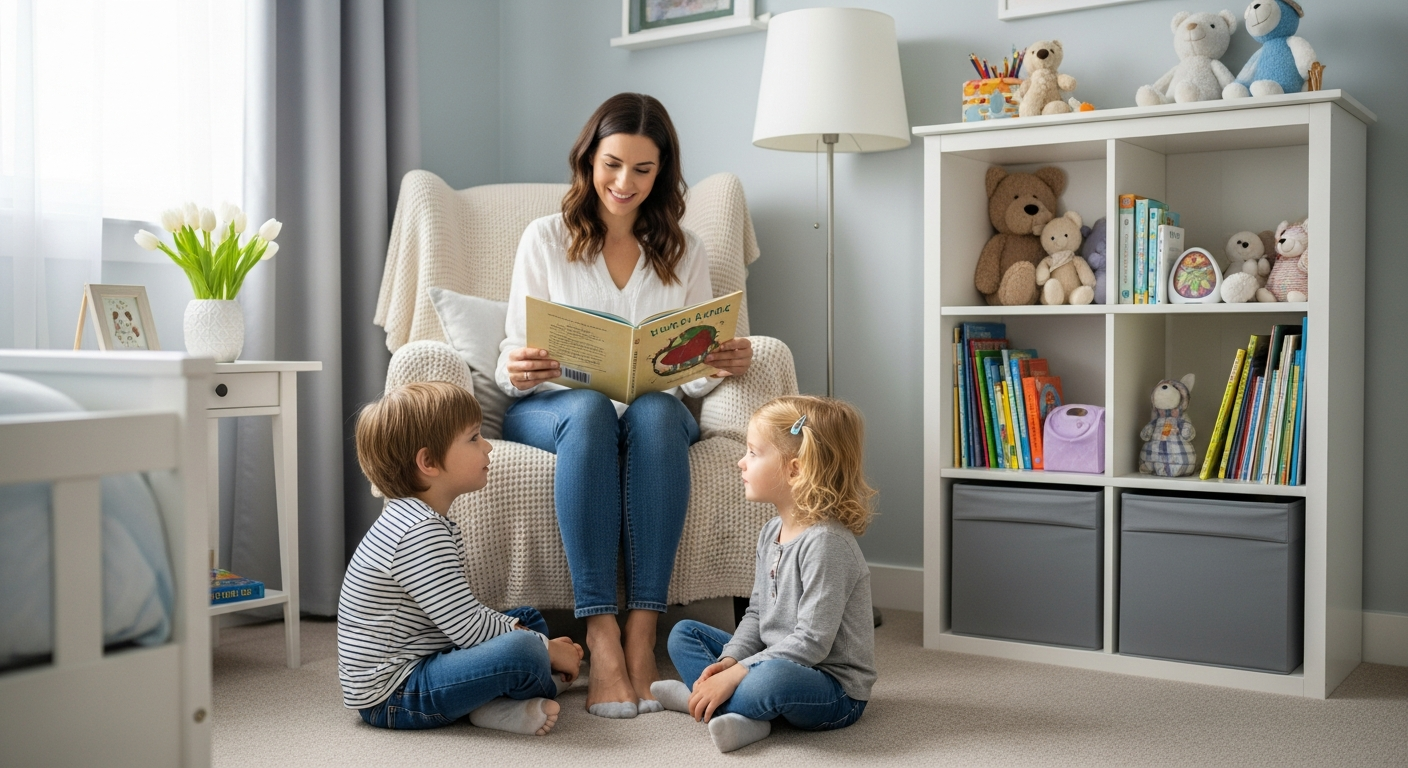
Reading aloud is a wonderful addition to any quiet time routine. It not only promotes literacy and language development but also provides a calming and bonding experience for both parent and child.
Choose books that are age-appropriate and engaging, with colorful illustrations and interesting stories. Picture books, fairy tales, and simple chapter books are all excellent options that capture their attention and spark their imagination.
Make reading aloud an interactive experience by asking questions about the story, characters, and plot. This encourages critical thinking and helps them make connections between the story and their own experiences.
You can also use different voices and expressions to bring the story to life, making it more entertaining and memorable. Reading aloud is a great way to foster a lifelong love for reading and learning.
Establish a regular reading routine by reading aloud at the same time each day. This helps your child anticipate and look forward to reading time. Make it a special and enjoyable experience that they will cherish.
Create a comfortable and inviting reading space with soft blankets, pillows, and good lighting. This makes reading time more enjoyable and relaxing for both you and your child.
Encourage your child to choose the books that they want to read. This gives them a sense of ownership and makes them more engaged in the reading experience. Visit the library together and let them pick out books that interest them.
Don’t be afraid to read the same books over and over again. Children often enjoy hearing their favorite stories repeatedly. Repetition helps them learn new words and concepts and reinforces their understanding of the story.
Healthy Snack Ideas for Afternoons
A healthy snack is an essential part of the afternoon routine for preschoolers. It provides them with the energy they need to power through the rest of the day and supports their overall health and well-being.
When choosing snacks, opt for options that are nutritious and balanced, with a combination of carbohydrates, protein, and healthy fats. This helps keep them full and satisfied while also providing essential nutrients for their growing bodies.
Some great snack ideas include fruits and vegetables with hummus, yogurt with berries, whole-grain crackers with cheese, or a small handful of nuts. These options are not only delicious but also packed with vitamins, minerals, and fiber.
Avoid processed snacks that are high in sugar, salt, and unhealthy fats, as these can lead to energy crashes and other health issues. Instead, focus on whole, unprocessed foods that nourish their bodies and minds.
Prepare snacks ahead of time to make it easier to offer healthy options. Wash and chop fruits and vegetables and store them in the refrigerator for easy access. Portion out snacks into individual containers to prevent overeating.
Make snack time a fun and engaging experience by presenting snacks in creative ways. Use cookie cutters to cut fruits and vegetables into fun shapes. Arrange snacks on a plate to create a colorful and appealing presentation.
Offer a variety of snacks to ensure that your child is getting a wide range of nutrients. Rotate the snacks that you offer each day to keep things interesting and prevent boredom. Introduce new snacks gradually and encourage your child to try them.
Be mindful of your child’s allergies and dietary restrictions. Always read labels carefully and avoid snacks that contain ingredients that they are allergic to. Offer alternative snacks that are safe and nutritious.
Snack Ideas for Preschoolers
Make snack time fun and engaging by involving your child in the preparation process. This not only teaches them about healthy eating but also encourages them to try new foods.
Here are some specific snack ideas that are both healthy and appealing to preschoolers. These snacks will ensure your little ones are getting the nutrients they need in a fun and tasty way.
- Apple slices with peanut butter
- Banana with yogurt
- Carrot sticks with hummus
- Cheese cubes and grapes
- Whole-grain toast with avocado
Trail mix with nuts, seeds, and dried fruit is another excellent snack option. This provides a good source of protein, fiber, and healthy fats. Be sure to choose a trail mix that is low in sugar and salt.
Popcorn is a whole-grain snack that is low in calories and high in fiber. Air-popped popcorn is the healthiest option. Avoid adding too much butter, salt, or sugar.
Smoothies are a great way to pack in a lot of nutrients in one easy-to-drink snack. Blend fruits, vegetables, yogurt, and milk or juice for a delicious and healthy treat. Add a scoop of protein powder for an extra boost.
Edamame is a good source of protein and fiber. Steam or boil edamame and serve it with a sprinkle of salt. This is a fun and healthy snack that is easy to prepare.
Outdoor Play and Exploration
Outdoor play is a crucial component of a balanced afternoon routine for preschoolers. It provides opportunities for physical activity, fresh air, and exploration, all of which are essential for their development.
Spending time outdoors helps children develop gross motor skills, such as running, jumping, and climbing. These activities promote physical coordination and strength, contributing to their overall health and well-being.
Outdoor play also stimulates their senses and encourages them to explore the natural world. Whether it’s playing in the backyard, visiting a local park, or going on a nature walk, there are endless opportunities for learning and discovery.
Encourage your child to engage in activities that promote creativity and imagination, such as building forts, playing pretend, or creating nature art. These activities foster their problem-solving skills and encourage them to think outside the box.
Make sure your child has access to a variety of outdoor play equipment, such as balls, jump ropes, and sidewalk chalk. These tools can help them engage in different types of physical activity and explore their creativity.
Create a safe and stimulating outdoor environment by providing shade, soft surfaces, and age-appropriate equipment. Supervise your child closely during outdoor play to ensure their safety.
Incorporate nature-based activities into your outdoor play routine. Plant a garden, go on a nature walk, or collect leaves and rocks. These activities help children connect with nature and learn about the environment.
Encourage your child to play with other children outdoors. Social interaction is an important part of development. Playing with others helps children learn how to share, cooperate, and resolve conflicts.
Creative Outdoor Activities
Make outdoor play even more fun and engaging by incorporating creative activities. This will keep your preschooler entertained and learning while they enjoy the fresh air.
Consider setting up a mud kitchen where they can experiment with dirt, water, and natural materials. This promotes sensory exploration and encourages them to use their imagination to create mud pies and other concoctions.
Another great idea is to create a nature scavenger hunt, where they search for specific items in the environment, such as leaves, rocks, and flowers. This activity enhances their observation skills and teaches them about the natural world.
You can also set up a simple art station outdoors, where they can paint, draw, or create collages using natural materials. These activities foster their creativity and allow them to express themselves in unique ways.
Build a fairy garden together using natural materials like twigs, leaves, and stones. This encourages creativity and imagination and allows them to create a magical space in the backyard.
Create a sensory bin filled with sand, water, or other natural materials. Add small toys, scoops, and containers to encourage exploration and imaginative play.
Set up an obstacle course using pillows, blankets, and other household items. This promotes gross motor skills and encourages them to be active and creative.
Go on a bug hunt and try to identify different types of insects. This teaches them about the natural world and encourages them to be curious and observant.
Transitioning to Dinner Time
Transitioning from playtime to dinner time can often be a challenging part of the afternoon routine for preschoolers. However, with a few simple strategies, you can make this transition smoother and more enjoyable for everyone involved.
Start by giving your child a warning about 15-20 minutes before dinner is ready. This allows them to wrap up their current activity and mentally prepare for the transition, reducing resistance and meltdowns.
Involve your child in simple dinner preparation tasks, such as setting the table, washing vegetables, or stirring ingredients. This not only keeps them engaged but also helps them feel more invested in the meal.
Make dinner time a positive and enjoyable experience by creating a relaxed and welcoming atmosphere. Turn off the TV, put away electronic devices, and focus on connecting with your child over a shared meal.
Establish a consistent dinner time routine. This helps your child anticipate and prepare for dinner. A predictable routine can reduce anxiety and resistance.
Use a timer to signal the transition to dinner time. This provides a clear and objective signal that it’s time to stop playing and come to the table.
Offer choices whenever possible. Allow your child to choose which vegetable they want to eat or which utensil they want to use. This gives them a sense of control and can make them more cooperative.
Be patient and understanding. Transitions can be difficult for preschoolers. If your child is resistant, try to remain calm and supportive. Offer encouragement and praise for their cooperation.
Creating a Peaceful Dinner Environment
A peaceful dinner environment is key to a successful transition. This sets the stage for a pleasant meal and encourages your child to eat well.
Play soft music in the background to create a calming atmosphere. This can help reduce stress and create a more relaxed mood.
Engage in conversation with your child during dinner, asking about their day and sharing your own experiences. This promotes communication and strengthens your bond.
Avoid using dinner time as a time for discipline or criticism. Instead, focus on creating a positive and supportive environment where your child feels comfortable and loved.
Set a positive example by eating healthy foods and engaging in polite table manners. Children learn by observing their parents. Model the behavior that you want to see in your child.
Create a visually appealing table setting with colorful plates, napkins, and utensils. This can make dinner time more enjoyable and inviting.
Offer a variety of healthy foods and allow your child to choose what they want to eat. Don’t force them to eat anything they don’t like. Focus on creating a positive and relaxed eating experience.
Limit distractions during dinner time. Turn off the TV and put away electronic devices. Focus on connecting with your child and enjoying the meal together.
Conclusion
Creating an engaging afternoon routine for preschoolers is a worthwhile investment that yields numerous benefits. From promoting development and learning to reducing stress and enhancing family bonding, a well-planned routine can transform your afternoons.
Remember to tailor the routine to your child’s individual needs and preferences, incorporating a balance of active and quiet activities, healthy snacks, and opportunities for outdoor play. With consistency and flexibility, you can create a routine that supports their growth and happiness.
By implementing these strategies, you’ll not only make the afternoons more manageable but also set your child up for success in all areas of their life. A structured and engaging afternoon routine is a gift that keeps on giving.
So, take the time to plan and implement an afternoon routine that works for your family, and watch as your preschooler thrives in a structured, supportive, and engaging environment. You’ll be glad you did.
The benefits of a well-structured afternoon routine extend far beyond just the immediate hours after preschool. It lays the foundation for good habits, self-regulation, and a positive attitude towards learning that will serve your child well throughout their academic and personal life.
Don’t be discouraged if it takes some time to find the perfect routine for your family. Experiment with different activities, schedules, and strategies until you find what works best. The key is to be patient, flexible, and consistent.
Remember that the goal is not to create a rigid and inflexible schedule, but rather to provide a framework that supports your child’s development and well-being. Embrace the opportunity to create a fun, engaging, and enriching afternoon routine that your child will love.
Ultimately, the most important thing is to spend quality time with your child and create positive memories that will last a lifetime. An engaging afternoon routine is a wonderful way to achieve this goal and foster a strong and loving relationship with your preschooler.