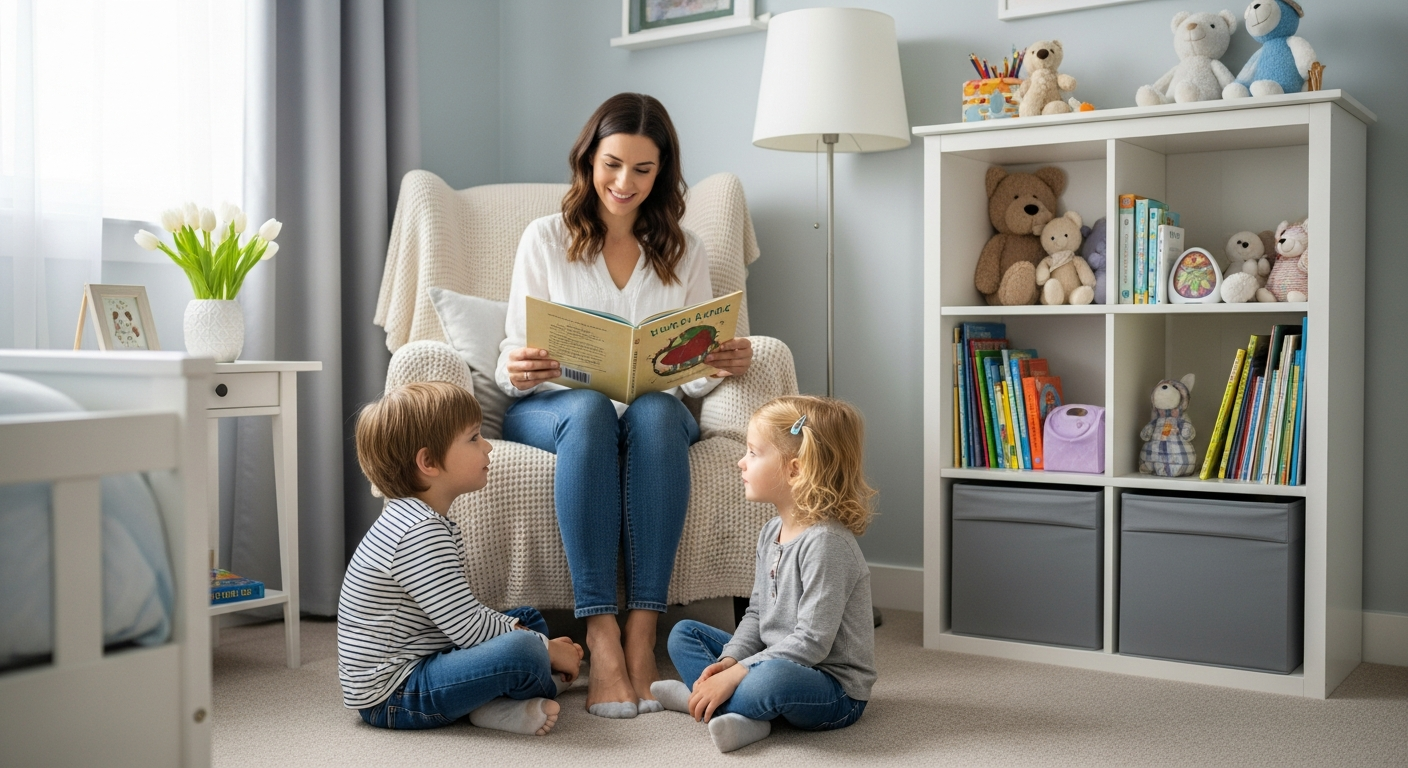

Creating a consistent and enjoyable routine for your family on weekends can significantly improve everyone’s well-being. It’s about striking a balance between relaxation, fun activities, and preparing for the week ahead. A well-planned weekend routine for families allows for quality time together, reduces stress, and fosters a sense of stability.
This article provides practical tips and ideas for crafting a fun family weekend routine that caters to both relaxation and engaging activities. By incorporating these strategies, you can transform your weekends into cherished moments that strengthen family bonds and boost overall happiness.
So, get ready to discover how to create the perfect weekend routine for families, balancing leisure and activity to make the most of your precious time together. Let’s explore how to make your weekends a source of joy and rejuvenation for the whole family.
The Benefits of a Weekend Routine
Establishing a weekend routine for families offers numerous advantages that extend beyond simply filling the time. A structured yet flexible routine can improve family dynamics, reduce stress, and enhance overall well-being.
One of the primary benefits is the creation of predictable quality time together. When everyone knows what to expect, it becomes easier to plan and look forward to shared activities, fostering stronger connections.
Reduced stress levels are another significant advantage. Knowing that there’s a plan in place minimizes the chaos and uncertainty that can often accompany unstructured weekends, leading to a more relaxed atmosphere.
A well-designed weekend routine can also promote better sleep habits. By incorporating regular bedtimes and wake-up times, even on weekends, you can help regulate your family’s circadian rhythms, leading to improved sleep quality.
Furthermore, a consistent routine can provide children with a sense of security and stability. Predictability helps them feel safe and in control, which can reduce anxiety and improve behavior.

Consider the emotional benefits as well. A routine can provide a sense of normalcy and control, especially during times of change or uncertainty.
It also sets a positive example for children, teaching them the importance of planning and organization. These are valuable life skills that will benefit them in the long run.
Moreover, a weekend routine can help families prioritize what truly matters. It allows you to intentionally carve out time for activities that strengthen relationships and create lasting memories.
Finally, a well-structured weekend can lead to increased productivity during the week. By feeling rested and refreshed, everyone is better equipped to tackle their responsibilities.
The peace of mind that comes from knowing the weekend is planned also contributes to overall happiness. This allows you to fully enjoy your time off without feeling overwhelmed or stressed.
Planning Family Activities
Planning family activities is a cornerstone of a successful weekend routine. These activities should be engaging, age-appropriate, and cater to the diverse interests within your family.
Start by brainstorming a list of potential activities that everyone would enjoy. This could include anything from board games and movie nights to visiting local parks or museums.
| Activity Type | Example | Benefits |
|---|---|---|
| Indoor Games | Board games, card games | Promotes strategic thinking, family bonding |
| Outdoor Activities | Park visits, bike rides | Encourages physical activity, appreciation for nature |
| Creative Projects | Arts and crafts, cooking | Stimulates creativity, teaches new skills |
| Educational Outings | Museums, historical sites | Expands knowledge, sparks curiosity |
Involve your children in the planning process to ensure their enthusiasm and participation. Allowing them to choose some of the activities can increase their sense of ownership and excitement.
Consider incorporating a mix of structured and unstructured activities. While planned outings and events are great, it’s also important to leave room for spontaneous play and exploration.
Don’t forget to factor in travel time when planning activities. Long drives can be tiring, especially for young children, so choose destinations that are easily accessible.
Think about activities that cater to different age groups within the family. A scavenger hunt, for example, can be adapted to suit both younger and older children.
Consider incorporating activities that promote learning and skill development. This could include visiting a science museum, attending a workshop, or learning a new craft together.
Remember to factor in downtime between activities. Over-scheduling can lead to burnout, so make sure to leave room for relaxation and rest.
Be mindful of your budget when planning activities. There are plenty of free or low-cost options available, such as visiting a local park or having a picnic.
Finally, be open to trying new things and stepping outside of your comfort zone. You might discover a new family favorite activity that everyone enjoys.
Incorporating Relaxation and Downtime
While activities are important, incorporating relaxation and downtime is equally crucial for a balanced weekend routine. Over-scheduling can lead to burnout and negate the benefits of family time.
Designate specific periods for relaxation, such as quiet reading time or afternoon naps. These moments allow everyone to recharge and de-stress, promoting a more peaceful and harmonious atmosphere.
Consider incorporating mindfulness activities, such as meditation or deep breathing exercises. These practices can help reduce anxiety and improve overall mental well-being for both adults and children.
Limit screen time during relaxation periods to encourage more mindful and engaging activities. Instead of watching TV or playing video games, opt for reading, journaling, or simply enjoying each other’s company.
Create a cozy and inviting space for relaxation, such as a designated reading nook or a comfortable outdoor seating area. Make sure everyone has a comfortable space to unwind and recharge.
Encourage family members to pursue individual hobbies during downtime. This allows everyone to recharge in their own way and pursue their passions.
Consider incorporating gentle stretching or yoga into your relaxation routine. These activities can help release tension and improve flexibility.
Create a calming atmosphere by using aromatherapy or playing soothing music. These sensory experiences can help promote relaxation and reduce stress.
Make sure everyone understands the importance of respecting each other’s downtime. Avoid interrupting or disturbing others during their relaxation periods.
Remember that relaxation is not about being unproductive, it’s about recharging and rejuvenating. It’s an essential part of a healthy and balanced lifestyle.
Teach children that it is okay to do nothing sometimes. It is okay to just be and rest their minds and bodies.
Scheduling Outdoor Adventures
Outdoor adventures are an excellent way to inject excitement and physical activity into your weekend routine. Exploring nature together can create lasting memories and promote a healthy lifestyle.
Plan regular outings to local parks, hiking trails, or nature reserves. These excursions provide opportunities for exercise, fresh air, and appreciation for the natural world.
Consider activities such as biking, hiking, or simply having a picnic in the park. These are great options for families looking to combine fun with physical activity and enjoy some family time.
If you live near a beach or lake, plan a day of swimming, building sandcastles, or kayaking. Water activities are a great way to cool off during the summer months and enjoy some family time.
Encourage exploration and discovery during your outdoor adventures. Let your children lead the way and explore their surroundings, fostering curiosity and a sense of wonder.
Pack plenty of water and snacks to stay hydrated and energized during your outdoor adventures. It’s also important to wear appropriate clothing and footwear for the activity.
Teach your children about nature and the importance of protecting the environment. This can include identifying plants and animals, or discussing conservation efforts.
Consider bringing a camera or binoculars to enhance your outdoor experience. These tools can help you capture memorable moments and observe wildlife up close.
Be mindful of safety precautions when engaging in outdoor activities. This includes wearing sunscreen, insect repellent, and being aware of potential hazards.
Remember to leave no trace behind when you’re exploring nature. Pack out all trash and avoid disturbing the environment.
Even a simple walk around the neighborhood can be a fun outdoor adventure. Look for interesting plants, animals, and landmarks along the way.
Meal Planning and Cooking Together
Meal planning and cooking together can transform mundane tasks into enjoyable family activities. Involving everyone in the process promotes healthy eating habits and strengthens family bonds.
Start by creating a weekly meal plan that includes a variety of nutritious and appealing dishes. Involve your children in selecting recipes and creating a shopping list.
- Plan meals together
- Shop for ingredients as a family
- Assign age-appropriate tasks to each family member
- Try new recipes
- Make it fun with music and conversation
Assign age-appropriate tasks to each family member, such as washing vegetables, measuring ingredients, or setting the table. This not only lightens the load but also teaches valuable life skills.
Make cooking a fun and interactive experience by playing music, telling stories, or engaging in lighthearted conversation. These moments create positive associations with food and cooking.
Consider trying themed meals to add excitement to your cooking routine. This could include Mexican night, Italian night, or even a breakfast-for-dinner night.
Encourage your children to try new foods and flavors. This can help expand their palates and promote a more adventurous approach to eating.
Use cooking as an opportunity to teach your children about nutrition and healthy eating habits. Explain the benefits of different foods and how they contribute to overall health.
Make sure to clean up together after cooking and eating. This teaches responsibility and promotes teamwork.
Don’t be afraid to experiment with different recipes and cooking techniques. Cooking should be a fun and creative process, not a chore.
Consider growing your own herbs or vegetables in a small garden. This can be a fun and educational activity for the whole family.
Explore different cuisines from around the world. This can broaden your family’s cultural horizons and introduce them to new and exciting flavors.
Preparing for the Week Ahead
Incorporating a “preparation hour” into your weekend routine can significantly reduce stress and improve productivity during the week. This involves taking time to organize, plan, and prepare for the upcoming days.
Use this time to review your calendar, set goals, and prioritize tasks for the week. This can help you feel more organized and in control, reducing anxiety and improving focus.
Prepare school lunches and snacks in advance to save time during busy weekday mornings. This also ensures that your children have healthy and nutritious options available.
Lay out clothes for the week to streamline the morning routine and avoid last-minute wardrobe crises. This can be especially helpful for families with young children.
Tidy up the house and declutter living spaces to create a more organized and peaceful environment. A clean and organized home can promote a sense of calm and well-being.
Check backpacks and school supplies to ensure that everything is in order. This can prevent last-minute scrambling and ensure that your children are prepared for their school day.
Review homework assignments and upcoming tests with your children. This can help them stay on track and avoid falling behind in their studies.
Plan your meals for the week and create a grocery list. This can save time and money by preventing impulse purchases and ensuring that you have all the ingredients you need.
Charge electronic devices and ensure that they are ready for the week ahead. This can prevent frustrating delays and ensure that everyone stays connected.
Take some time to reflect on the past week and identify areas where you can improve. This can help you learn from your mistakes and make positive changes.
Prepare a to-do list for the upcoming week, breaking down large tasks into smaller, more manageable steps. This can make the week feel less overwhelming and more achievable.
Maintaining Flexibility and Adaptability
While having a routine is beneficial, it’s important to maintain flexibility and adapt to changing circumstances. Life is unpredictable, and sometimes plans need to be adjusted.
Be prepared to deviate from the routine when necessary, whether due to illness, unexpected events, or simply a change of heart. Don’t be afraid to mix things up and try new activities.
Involve your family in the decision-making process when changes are needed. This ensures that everyone feels heard and valued, and that the new plan is agreeable to all.
Remember that the goal of a weekend routine is to enhance your family’s well-being, not to create rigid rules. Adaptability is key to making the routine sustainable and enjoyable over the long term.
Embrace spontaneity and be open to new experiences that may arise unexpectedly. These moments can often lead to the most memorable and cherished family moments.
Have a backup plan in place for activities that may be affected by weather or other unforeseen circumstances. This can prevent disappointment and ensure that you always have something fun to do.
Be willing to compromise and adjust the routine to accommodate everyone’s needs and preferences. This can help prevent conflicts and ensure that everyone feels valued.
Remember that it’s okay to say no to activities or commitments that don’t align with your family’s values or priorities. It’s important to protect your time and energy.
Don’t be afraid to experiment with different routines and schedules to find what works best for your family. It may take some trial and error to find the perfect balance.
Be patient with yourself and your family as you adjust to a new routine. It takes time to establish new habits and patterns.
Keep in mind that flexibility also means being able to adapt to different seasons and holidays. Adjust your routine to incorporate seasonal activities and traditions.
Seeking Feedback and Making Adjustments
Regularly seeking feedback from your family members is essential for refining and improving your weekend routine. What works for one person may not work for another, so it’s important to gather input and make adjustments accordingly.
Schedule a family meeting to discuss the routine and solicit feedback on what’s working and what’s not. Encourage open and honest communication, and be receptive to suggestions for improvement.
Consider using a simple survey or questionnaire to gather more structured feedback. This can help you identify common themes and areas where adjustments are needed.
Be willing to experiment with different approaches and try new activities based on the feedback you receive. The goal is to create a routine that everyone enjoys and benefits from.
Remember that the routine is a work in progress, and it may take time to find the perfect balance. Be patient and persistent, and continue to seek feedback and make adjustments as needed.
Create a safe and supportive environment where family members feel comfortable sharing their thoughts and feelings. This can encourage more open and honest communication.
Actively listen to what your family members have to say and try to understand their perspectives. This can help you identify areas where adjustments are needed.
Be open to making changes to the routine, even if it means stepping outside of your comfort zone. The goal is to create a routine that works for everyone.
Celebrate successes and acknowledge improvements along the way. This can help motivate everyone to stay committed to the routine.
Remember that seeking feedback is an ongoing process, not a one-time event. Regularly check in with your family members to ensure that the routine continues to meet their needs.
Use the feedback you receive to create a more personalized and meaningful weekend routine for your family. This can strengthen your bonds and create lasting memories.
Conclusion
Creating a fun and balanced weekend routine for families is an investment in your family’s well-being and happiness. By incorporating a mix of planned activities, relaxation, and preparation, you can transform your weekends into cherished moments of connection and rejuvenation.
Remember to involve your family in the planning process, maintain flexibility, and seek feedback regularly to ensure that the routine meets everyone’s needs. With a little effort and creativity, you can create a weekend routine for families that enhances your family’s life in countless ways.