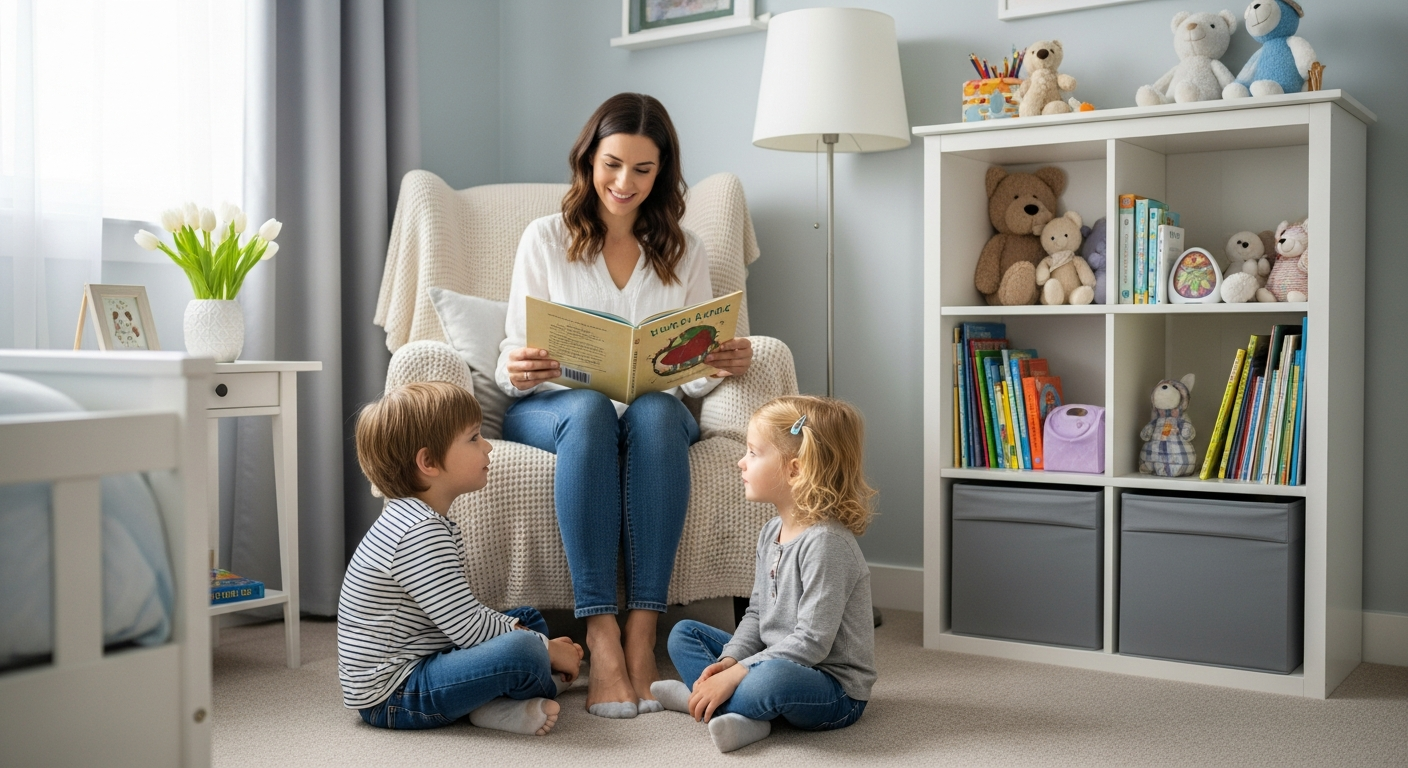

Establishing a soothing and consistent bedtime routine for toddlers can transform chaotic evenings into peaceful transitions to sleep. A well-structured routine not only helps toddlers fall asleep more easily but also contributes to their overall well-being.
It’s about creating a predictable and comforting environment that signals it’s time to wind down. This predictability reduces anxiety and fosters a sense of security for your little one. A consistent routine sets the stage for a good night’s sleep.
This guide provides a step-by-step approach to crafting the perfect bedtime routine for toddlers, addressing common challenges and offering practical solutions. By understanding your toddler’s sleep needs and implementing calming bedtime activities, you can pave the way for restful nights and happier mornings.
We’ll delve into the specifics of what constitutes a good routine, how to handle bedtime resistance, and how to adjust the routine as your child grows. You’ll gain valuable insights into creating a sustainable and effective bedtime strategy. This guide aims to empower you with the knowledge and tools to navigate the often-challenging world of toddler sleep.
Let’s explore how to create a bedtime routine that works for your family, turning bedtime battles into peaceful slumbers. This routine will address toddler sleep problems and help you establish a consistent toddler sleep schedule.
Implementing a consistent bedtime routine is not just about getting your child to sleep; it’s about fostering healthy habits that will benefit them throughout their lives. A well-rested child is better equipped to learn, play, and grow. So, let’s embark on this journey together and create a bedtime routine that works wonders for your family!
Understanding Toddler Sleep Needs
Toddlers typically need between 10 to 13 hours of sleep each day, including naps. However, this can vary depending on the child’s age, activity level, and individual temperament.
Some toddlers may thrive on the higher end of that range, while others may function perfectly well with slightly less sleep. Pay attention to your child’s cues and adjust their bedtime accordingly.

Recognizing signs of tiredness is crucial for initiating the bedtime routine at the right time. These signs include rubbing eyes, yawning, fussiness, and a decrease in activity level.
These are your toddler’s way of communicating that they are starting to feel sleepy and need to wind down. Missing these cues can lead to a more difficult bedtime experience.
Ignoring these cues and pushing your toddler past their point of exhaustion can lead to increased resistance and difficulty falling asleep. Overtiredness can paradoxically make it harder for them to settle down.
When a toddler becomes overtired, their body releases cortisol, a stress hormone, which can make it difficult for them to relax and fall asleep. This can create a vicious cycle of sleep deprivation and increased fussiness.
Therefore, observing your child’s behavior and adjusting the bedtime routine accordingly is essential for promoting healthy sleep habits. A consistent toddler sleep schedule is key to regulating their internal clock.
By establishing a regular sleep schedule, you are helping to train your toddler’s body to naturally feel tired at the same time each night. This makes it easier for them to fall asleep and stay asleep throughout the night.
Furthermore, consider the impact of daytime naps on nighttime sleep. A toddler who naps too late in the afternoon, or for too long, may not be tired enough at bedtime. Adjust nap times and durations as needed to optimize nighttime sleep.
Remember that every toddler is different, and what works for one may not work for another. Be patient, observant, and willing to experiment to find the sleep schedule that best suits your child’s individual needs.
Creating a Consistent Bedtime Routine
Consistency is the cornerstone of a successful bedtime routine for toddlers. A predictable sequence of events helps signal to your child that it’s time to prepare for sleep.
Toddlers thrive on routine and predictability, as it provides them with a sense of security and control. Knowing what to expect next can help them feel more relaxed and cooperative.
Start by establishing a set bedtime and wake-up time, even on weekends, to regulate their internal clock. This consistency will make it easier for them to fall asleep and wake up at the same times each day.
While it may be tempting to let your toddler stay up later on weekends, this can disrupt their sleep schedule and make it harder for them to adjust back to their regular routine on weekdays. Maintaining a consistent sleep schedule, even on weekends, is crucial for promoting healthy sleep habits.
The bedtime routine should be a calming and enjoyable experience, lasting about 30 to 45 minutes. This allows your toddler to gradually wind down and transition from active play to a state of relaxation.
A rushed or chaotic bedtime routine can be stressful for both you and your toddler. By allocating enough time for the routine, you can create a more relaxed and enjoyable experience for everyone involved. This dedicated time will help them transition smoothly into sleep.
Include activities such as a warm bath, reading a book, singing a lullaby, and quiet cuddling. These calming bedtime activities can help soothe your toddler and prepare them for sleep.
These activities are designed to promote relaxation and reduce stimulation, making it easier for your toddler to fall asleep. Choose activities that your toddler enjoys and that fit well into your family’s lifestyle. The key is to create a consistent and calming sequence of events that signals bedtime.
Consider incorporating a visual schedule to help your toddler understand the steps in the bedtime routine. This can be especially helpful for younger toddlers who are still learning to follow directions. A visual schedule can provide a sense of predictability and control, making the routine more enjoyable for everyone.
Remember to be patient and consistent with the bedtime routine. It may take some time for your toddler to adjust to the new routine, but with persistence, you can establish a healthy and sustainable sleep schedule. Celebrate small victories and focus on creating a positive and relaxing bedtime experience for your child.
Calming Activities Before Bed
Selecting the right activities for your toddler’s bedtime routine is crucial for promoting relaxation. Avoid screen time, such as television or tablets, at least one hour before bed.
Screen time can be stimulating and can interfere with the production of melatonin, a hormone that regulates sleep. It’s best to avoid screens altogether during the bedtime routine.
The blue light emitted from screens can interfere with melatonin production, making it harder for your toddler to fall asleep. Instead, opt for activities that encourage calmness and relaxation.
The blue light tricks the brain into thinking it is still daytime, suppressing the release of melatonin and making it harder to fall asleep. This can lead to a delayed sleep onset and a restless night.
| Activity | Description | Benefits |
|---|---|---|
| Warm Bath | A gentle bath with lukewarm water. | Relaxes muscles, signals bedtime. |
| Reading | Reading a story together. | Promotes bonding, encourages language development. |
| Singing Lullabies | Singing soft, soothing songs. | Calming, comforting, creates a sense of security. |
| Quiet Cuddling | Spending time cuddling and talking quietly. | Provides reassurance, strengthens emotional connection. |
These activities are all designed to promote relaxation and reduce stimulation, making it easier for your toddler to fall asleep. They also provide opportunities for bonding and connection, which can help your toddler feel more secure and loved.
These activities should be tailored to your child’s preferences and needs. Experiment with different options to find what works best for your family.
Some toddlers may enjoy listening to calming music or audiobooks, while others may prefer gentle massage or stretching exercises. The key is to find activities that help your toddler relax and wind down before bed. Create a personalized bedtime experience.
Consider creating a calming bedtime playlist with soothing music or nature sounds. This can help to create a relaxing atmosphere and drown out any distracting noises. You can also try using a diffuser with calming essential oils, such as lavender or chamomile, to promote relaxation.
Remember to be mindful of your own energy levels during the bedtime routine. If you are feeling stressed or rushed, your toddler will likely pick up on that and become more resistant. Take a few deep breaths and try to approach the routine with a calm and positive attitude. Your calm demeanor will help your toddler relax.
What to Do When Your Toddler Resists
Resistance to bedtime is a common challenge for toddlers, often stemming from a desire for independence or fear of separation. It’s important to approach these situations with patience and understanding.
Toddlers are naturally curious and independent, and they may resist bedtime because they don’t want to miss out on anything. They may also be experiencing separation anxiety, which can make it difficult for them to be away from their parents.
Instead of getting frustrated, try to identify the underlying cause of the resistance. Are they genuinely not tired, or are they seeking attention or testing boundaries?
Understanding the reason behind the resistance can help you to address it more effectively. If they are genuinely not tired, you may need to adjust their bedtime or nap schedule. If they are seeking attention, you may need to spend more quality time with them during the day.
Offer choices within the routine to give your toddler a sense of control. For example, let them choose which book to read or which pajamas to wear.
Giving your toddler choices can help them feel more empowered and less resistant to bedtime. However, it’s important to limit the choices to avoid overwhelming them. Offer two or three options and let them choose from those.
Use positive reinforcement to encourage cooperation. Praise them for following the routine and offer small rewards, such as a sticker or extra cuddle time.
Positive reinforcement can be a powerful tool for encouraging cooperation. When your toddler follows the routine without resistance, praise them for their good behavior and offer a small reward. This will help them associate bedtime with positive experiences.
Avoid giving in to demands for extra playtime or snacks after the routine has begun. This can reinforce the behavior and make it harder to establish consistent boundaries.
Giving in to demands after the routine has begun can undermine your efforts to establish consistent boundaries. It’s important to stick to the routine, even when your toddler is resisting. This will help them learn that bedtime is non-negotiable.
Stay calm and consistent, gently reminding them of the bedtime rules. A firm but loving approach can help them feel secure and understand the expectations.
Your calm and consistent demeanor can help your toddler feel more secure and less anxious. Gently remind them of the bedtime rules and explain why it’s important to follow them. Avoid getting into a power struggle, as this will only escalate the situation.
If your toddler continues to resist bedtime, consider using a reward chart or sticker chart to track their progress. This can help them visualize their progress and stay motivated to follow the routine. Celebrate their successes and offer encouragement when they struggle.
Troubleshooting Common Sleep Issues
Even with a consistent bedtime routine, toddlers may experience occasional sleep issues. Nightmares, sleepwalking, and bedwetting are common occurrences that can disrupt sleep patterns.
These sleep issues can be distressing for both toddlers and parents. It’s important to remember that they are often temporary and can be managed with patience and understanding.
Addressing these issues with sensitivity and appropriate strategies can help minimize their impact on your toddler’s sleep. It’s important to create a safe and supportive environment.
A safe and supportive environment can help your toddler feel more secure and less anxious, which can reduce the frequency and severity of sleep issues. Provide reassurance and comfort when they are experiencing difficulties.
- Nightmares: Offer comfort and reassurance.
- Sleepwalking: Ensure a safe environment.
- Bedwetting: Use waterproof bedding.
- Teething Pain: Provide teething toys.
- Separation Anxiety: Offer a comfort item.
These are just a few strategies for addressing common sleep issues in toddlers. Remember to be patient and understanding, and to seek professional help if needed.
Consulting with a pediatrician or sleep specialist can provide additional guidance and support for persistent sleep problems. They can help identify any underlying medical or behavioral issues that may be contributing to the problem.
A pediatrician or sleep specialist can assess your toddler’s sleep patterns and identify any potential underlying causes of their sleep problems. They can also provide personalized recommendations for addressing these issues.
For nightmares, talk to your child about their dreams and help them understand that they are not real. You can also create a “monster spray” with water and a few drops of essential oil to help them feel more secure. This can help alleviate their fears.
For sleepwalking, ensure that your home is safe by removing any potential hazards. Gently guide your child back to bed without waking them. Install gates on stairs and secure windows and doors.
For bedwetting, use waterproof bedding and avoid giving your child drinks close to bedtime. Encourage them to use the bathroom before going to bed. If bedwetting persists, talk to your pediatrician about potential causes and treatments.
The Role of Environment in Sleep
Creating a sleep-friendly environment is essential for promoting restful sleep. The bedroom should be dark, quiet, and cool.
A sleep-friendly environment can help your toddler feel more relaxed and secure, making it easier for them to fall asleep and stay asleep throughout the night. This environment is essential for a successful bedtime routine for toddlers.
Use blackout curtains to block out external light and a white noise machine to mask distracting sounds. A comfortable room temperature, typically between 68 to 72 degrees Fahrenheit, can also help your toddler sleep better.
Blackout curtains can block out streetlights and sunlight, creating a darker and more conducive environment for sleep. A white noise machine can mask distracting sounds, such as traffic or household noises. A comfortable room temperature can help your toddler feel more relaxed and less likely to wake up during the night.
Ensure the bed is comfortable and supportive, with appropriate bedding for the season. Avoid using heavy blankets or pillows that could pose a safety hazard.
A comfortable and supportive bed can help your toddler feel more relaxed and less likely to toss and turn during the night. Avoid using heavy blankets or pillows that could pose a suffocation hazard. Use breathable bedding to prevent overheating.
A consistent sleep environment reinforces the association between the bedroom and sleep, making it easier for your toddler to relax and fall asleep. This association is key to a successful toddler sleep schedule.
When your toddler consistently sleeps in the same environment, they will begin to associate that environment with sleep. This can help them relax and fall asleep more easily. Make sure the room is used primarily for sleep and not for active play or other stimulating activities.
Consider using a nightlight if your toddler is afraid of the dark. Choose a nightlight that emits a soft, warm light rather than a bright, blue light. A soft, warm light will be less likely to interfere with melatonin production.
Remove any electronic devices from the bedroom, such as televisions, tablets, and smartphones. These devices can be distracting and can interfere with sleep. Create a screen-free zone in the bedroom to promote relaxation and sleep.
Maintaining a Healthy Lifestyle
A healthy lifestyle plays a significant role in promoting good sleep habits for toddlers. Regular physical activity during the day can help them expend energy and sleep better at night.
Physical activity helps to regulate the body’s natural sleep-wake cycle. It also helps to reduce stress and anxiety, which can interfere with sleep. Encourage your toddler to be active throughout the day.
However, avoid strenuous activity close to bedtime, as it can be stimulating and make it harder to fall asleep. A balanced diet, free from excessive sugar and processed foods, is also important.
Strenuous activity close to bedtime can raise your toddler’s heart rate and body temperature, making it harder for them to relax and fall asleep. A balanced diet provides the nutrients that your toddler needs to support healthy sleep. Limit sugary and processed foods, as they can interfere with sleep.
Limit caffeine intake, as it can interfere with sleep. Ensure your toddler gets plenty of natural light during the day to regulate their circadian rhythm.
Caffeine is a stimulant that can interfere with sleep. Avoid giving your toddler caffeinated beverages, such as soda or tea. Natural light helps to regulate the body’s natural sleep-wake cycle. Encourage your toddler to spend time outdoors during the day.
These lifestyle factors, combined with a consistent bedtime routine, can significantly improve your toddler’s sleep quality. Addressing these factors can greatly improve toddler sleep problems.
A healthy lifestyle and a consistent bedtime routine work together to promote healthy sleep habits. By addressing these factors, you can help your toddler get the restful sleep that they need to thrive.
Encourage your toddler to drink plenty of water throughout the day, but limit fluids close to bedtime to reduce the likelihood of bedwetting. Dehydration can also interfere with sleep, so it’s important to keep your toddler well-hydrated.
Establish regular mealtimes and snack times to help regulate your toddler’s blood sugar levels. Avoid giving your toddler sugary snacks or drinks close to bedtime, as they can lead to a blood sugar crash that can disrupt sleep.
Adapting the Routine as They Grow
As your toddler grows and develops, their sleep needs and preferences may change. It’s important to be flexible and adapt the bedtime routine accordingly.
What works well for a two-year-old may not work as well for a three-year-old. Be prepared to adjust the routine as your toddler’s needs and preferences evolve.
Be observant of any changes in their behavior or sleep patterns that may indicate a need for adjustment. For example, if they are consistently taking longer to fall asleep, they may need a later bedtime.
Changes in behavior or sleep patterns can be a sign that your toddler’s sleep needs are changing. Pay attention to these cues and adjust the routine accordingly. Talk to your pediatrician if you have any concerns.
Involve your toddler in the process of adapting the routine, giving them a sense of ownership and control. This can help minimize resistance and make the transition smoother.
Allowing your toddler to participate in the process of adapting the routine can help them feel more empowered and less resistant to change. Ask them for their input and incorporate their suggestions whenever possible.
Continuously reassess and refine the routine to ensure it meets their evolving needs. A tailored approach ensures the bedtime routine for toddlers remains effective.
The bedtime routine should be a dynamic and evolving process. Regularly reassess the routine and make adjustments as needed to ensure that it continues to meet your toddler’s needs. This ensures a successful bedtime routine for toddlers.
As your toddler gets older, they may be able to stay up later and may need fewer naps. Adjust their bedtime and nap schedule accordingly. Be mindful of their individual sleep needs and preferences.
Consider adding new activities to the bedtime routine, such as reading longer books or listening to audiobooks. You can also try incorporating relaxation techniques, such as deep breathing or progressive muscle relaxation.
Conclusion
Crafting the perfect bedtime routine for your toddler is an ongoing process that requires patience, consistency, and adaptability. By understanding their sleep needs, creating a calming environment, and addressing common challenges, you can establish a routine that promotes restful sleep and overall well-being.
Remember that the goal is to create a positive and relaxing bedtime experience for both you and your toddler. A well-established bedtime routine can benefit the entire family.
Remember that every child is unique, and what works for one family may not work for another. Experiment with different strategies and activities to find what best suits your toddler’s individual needs and preferences.
Don’t be afraid to try new things and to adjust the routine as needed. The key is to be patient, persistent, and loving. Your dedication will pay off in the form of restful nights and happy mornings.
With dedication and a loving approach, you can transform bedtime from a battleground into a peaceful and enjoyable experience for both you and your child. This consistent approach will help you solve bedtime routine for toddlers.
A consistent bedtime routine is an investment in your child’s health and well-being. It can also help to strengthen the bond between you and your child. Embrace the bedtime routine as an opportunity to connect and create lasting memories.
Here’s to many nights of restful sleep and happy mornings! A consistent bedtime routine for toddlers is an investment in their health and happiness.
Remember to celebrate your successes and to be kind to yourself when things don’t go according to plan. Parenting is a challenging but rewarding journey. Enjoy the ride!