Getting children ready for school each morning can feel like a monumental task. Between forgotten homework, missing shoes, and last-minute requests, it’s easy for chaos to reign supreme. But with a well-thought-out packing routine for school, you can transform those hectic mornings into moments of calm and preparedness.
This isn’t just about packing a bag; it’s about instilling responsibility, fostering independence, and setting your child up for a successful day. A structured approach to packing reduces stress, ensures that nothing is left behind, and teaches valuable organizational skills. This guide provides the tools and strategies you need to establish an efficient packing routine for school, making mornings smoother and more productive for everyone involved.
Let’s face it, mornings are tough enough without the added pressure of last-minute scrambles. By implementing a simple system, you can reclaim your mornings and empower your children to take ownership of their school preparations. Ready to transform your mornings from chaotic to calm? Then keep reading!
Preparing the Night Before
The foundation of a smooth morning starts long before the alarm clock rings. Preparing as much as possible the night before is a game-changer. This simple shift can significantly reduce morning stress and ensure a more relaxed start to the day.
Start by laying out clothes, including shoes and socks. This eliminates the “what to wear” debate and ensures everything is ready to go. Next, gather all necessary school materials, such as textbooks, notebooks, and any required forms or permission slips.
Check the weather forecast and plan outfits accordingly. This prevents last-minute wardrobe changes and ensures your child is comfortable throughout the school day. Make sure to check for any special events or activities scheduled for the next day, like gym class or a field trip, and prepare accordingly.
Don’t forget about personal items like glasses, retainers, or medications. Having these items ready the night before prevents them from being forgotten in the morning rush. By taking these steps, you’ll create a more organized and peaceful morning environment for everyone.
Consider setting up a designated “launchpad” area near the front door. This is where backpacks, coats, and any other items needed for the morning can be placed. This prevents last-minute searches and ensures everything is ready to grab and go. It also reduces the chances of forgetting important items, such as lunch boxes or musical instruments.
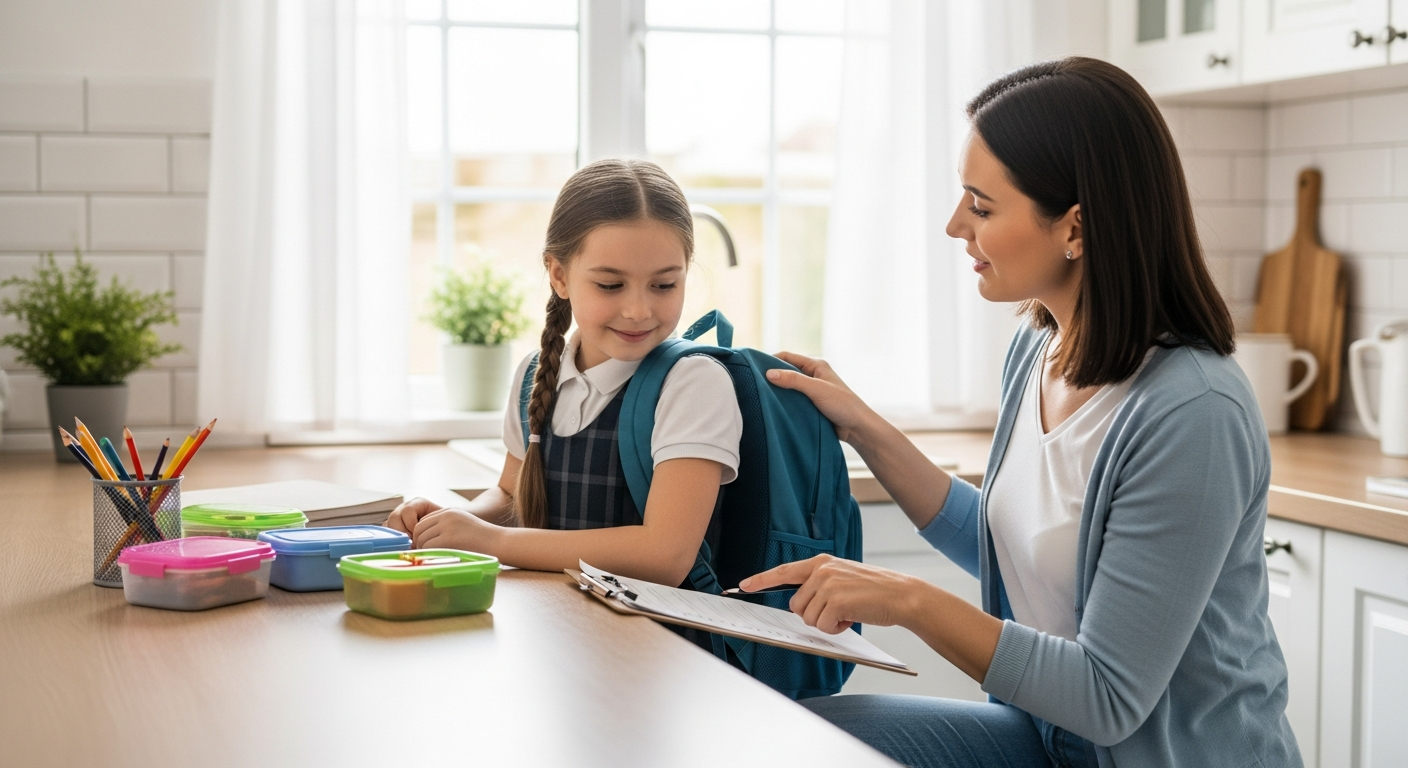
Encourage your child to participate in the preparation process. Even young children can help by choosing their outfit or gathering their school supplies. This fosters a sense of responsibility and ownership. It also teaches them valuable life skills that will benefit them in the long run.
Review the day’s schedule with your child the night before. This helps them mentally prepare for the day ahead and reduces anxiety. Discuss any upcoming tests, projects, or activities, and make sure they have all the necessary materials. This proactive approach can help prevent last-minute meltdowns and ensure a smoother morning.
Consider packing lunches the night before as well. This can save valuable time in the morning and prevent rushed decisions. Prepare healthy and nutritious meals that will keep your child energized throughout the school day. Store the lunches in the refrigerator overnight to ensure they stay fresh.
Finally, establish a consistent bedtime routine. A regular sleep schedule is essential for a well-rested and productive morning. Avoid screen time before bed and create a calming environment that promotes relaxation. This will help your child fall asleep easily and wake up feeling refreshed.
Creating a Packing Checklist
A packing checklist is an invaluable tool for ensuring that nothing gets left behind. It provides a clear and concise guide for both parents and children. This visual aid can be especially helpful for younger children who are still learning to organize themselves.
Start by creating a master list of all essential items, such as textbooks, notebooks, homework, lunch, and any necessary supplies. Tailor the list to your child’s specific needs and grade level. Consider including sections for different days of the week, especially if there are variations in their schedule or required materials.
For younger children, use pictures or symbols alongside the words to make it easier for them to understand and follow. Laminate the checklist and use a dry-erase marker so it can be reused daily. Post the checklist in a visible location, such as on the refrigerator or near the backpack station.
Encourage your child to use the checklist independently each evening to pack their bag for the next day. This not only ensures they have everything they need but also teaches them responsibility and organizational skills. Review the checklist together each night to ensure accuracy and make any necessary adjustments.
Consider creating a digital checklist that can be accessed on a tablet or smartphone. This is a great option for older children who are comfortable using technology. There are many checklist apps available that allow you to create custom lists and track progress. These apps often have features like reminders and notifications to help your child stay on track.
Involve your child in the creation of the checklist. This gives them a sense of ownership and makes them more likely to use it. Ask them what items they need to bring to school each day and incorporate their suggestions into the list. This collaborative approach can help make the checklist a more effective tool.
Regularly update the checklist as needed. As your child’s needs change, the checklist should be updated accordingly. For example, if they start taking a new class or participating in a new activity, add the necessary items to the list. This ensures that the checklist remains relevant and useful.
Make the checklist accessible and easy to use. Place it in a location where your child can easily see and reach it. Consider using a magnetic clip to attach it to the refrigerator or a hook to hang it near the backpack station. The easier it is to access and use, the more likely your child will be to use it consistently.
Use the checklist as a teaching tool. Explain to your child why each item is important and how it will help them at school. This helps them understand the purpose of the checklist and makes them more likely to take it seriously. It also teaches them valuable organizational skills that will benefit them throughout their lives.
Assembling Lunch and Snacks
Packing a nutritious and appealing lunch is essential for maintaining your child’s energy and focus throughout the school day. However, coming up with creative and healthy school lunch ideas can be a challenge. Planning ahead and involving your child in the process can make lunch packing a breeze.
Consider setting aside time each week to plan out the week’s lunches and snacks. This will save you time and prevent you from making unhealthy or rushed decisions. Keep a variety of healthy options on hand, such as fruits, vegetables, whole grains, and lean proteins.
| Food Group | Example | Benefits |
|---|---|---|
| Fruits | Apple slices, grapes, berries | Vitamins, fiber, natural sugars |
| Vegetables | Carrot sticks, cucumber slices, bell pepper strips | Vitamins, minerals, fiber |
| Whole Grains | Whole-wheat bread, quinoa salad, brown rice | Sustained energy, fiber |
| Lean Proteins | Turkey slices, hard-boiled eggs, chickpeas | Muscle building, satiety |
| Dairy | Yogurt, cheese sticks | Calcium, protein |
Get your child involved in choosing their lunch options to increase the likelihood that they will actually eat what you pack. Offer a selection of healthy choices and let them pick what they prefer. This gives them a sense of ownership and encourages them to make healthy eating decisions.
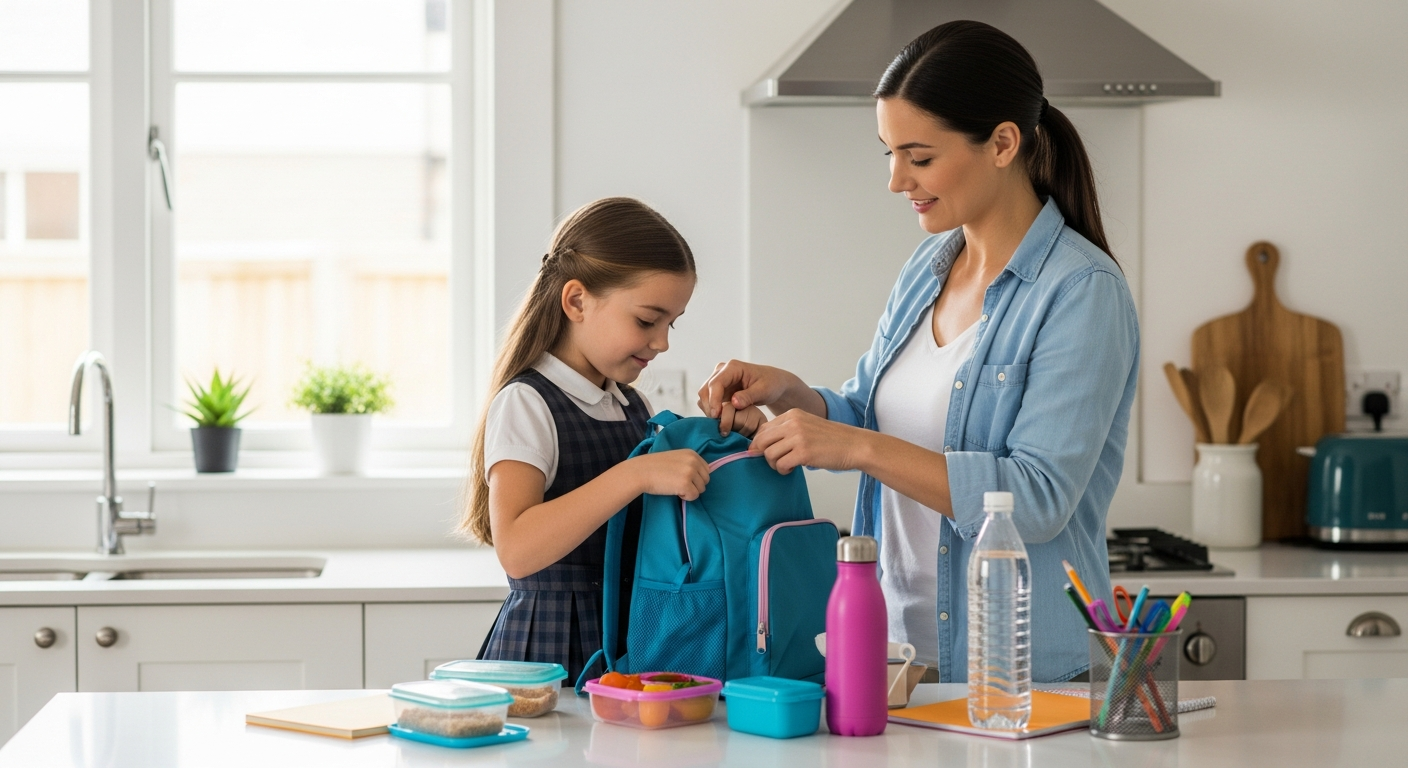
Invest in reusable containers and lunch bags. This not only reduces waste but also makes lunch packing more convenient. Choose containers that are easy for your child to open and close independently. Consider using insulated containers to keep food cold or hot.
Prepare components of the lunch in advance. For example, you can chop vegetables, cook grains, and portion out snacks on the weekend. This saves time during the week and makes lunch packing quicker and easier. Store the prepared components in the refrigerator until you’re ready to use them.
Pack a variety of foods to keep lunch interesting and prevent boredom. Include different colors, textures, and flavors to appeal to your child’s senses. Consider adding a small treat or surprise to make lunch more enjoyable. This could be a sticker, a note, or a small piece of candy.
Be mindful of allergies and dietary restrictions. If your child has any allergies or dietary restrictions, be sure to pack lunches that are safe for them to eat. Communicate with the school and teachers about your child’s allergies and dietary needs. Read food labels carefully to ensure that all ingredients are safe.
Encourage your child to try new foods. Pack a small portion of a new food alongside familiar favorites. This encourages them to expand their palate and try new things. Be patient and understanding, and don’t pressure them to eat anything they don’t want to.
Organizing Backpack and Supplies
A well-organized backpack is key to a smooth school day. When everything has its place, it’s easier for your child to find what they need and stay focused in class. A cluttered backpack can lead to lost assignments and unnecessary stress.
Start by choosing a backpack with multiple compartments and pockets. This allows for better organization and separation of items. Designate specific compartments for different subjects or types of materials. For example, one compartment could be for textbooks, another for notebooks, and a smaller pocket for pens and pencils.
Use color-coded folders and notebooks to further organize materials by subject. This makes it easy to quickly identify the correct folder or notebook for each class. Label each folder and notebook clearly with the subject name.
Encourage your child to clean out their backpack regularly, ideally once a week. This prevents the accumulation of unnecessary papers and ensures that only essential items are inside. Teach them to discard old assignments and file away important documents in a designated home folder.
Invest in a good quality pencil case to keep pens, pencils, erasers, and other small supplies organized. Choose a pencil case that is durable and easy to clean. Consider using different colored pens and pencils for different subjects to further enhance organization.
Use dividers or organizers within the backpack to separate different subjects or types of materials. This prevents items from getting mixed up and makes it easier to find what you need. Consider using mesh dividers or zippered pouches to keep small items contained.
Establish a system for handling homework assignments. Designate a specific folder or pocket for completed homework and another for assignments that are due. This prevents homework from getting lost or forgotten. Encourage your child to check their homework folder regularly to ensure that they are staying on top of their assignments.
Keep a small first-aid kit in the backpack. This should include items such as bandages, antiseptic wipes, and pain relievers. This allows your child to address minor injuries or ailments while at school. Be sure to check the first-aid kit regularly to ensure that all items are still in good condition.
Encourage your child to personalize their backpack. This makes it easier to identify and prevents it from getting mixed up with other backpacks. Consider adding stickers, patches, or keychains to personalize the backpack. Just be sure to follow the school’s guidelines regarding backpack decorations.
Teaching Kids to Pack Independently
One of the most valuable skills you can teach your child is how to pack their own backpack independently. This not only frees up your time but also fosters a sense of responsibility and self-sufficiency. Start by gradually introducing the concept of independent packing.
Begin by having your child assist you with packing their backpack, explaining the purpose of each item and where it belongs. As they become more familiar with the process, gradually give them more responsibility. Provide a packing checklist and encourage them to use it as a guide.
- Start with small steps
- Provide clear instructions
- Offer positive reinforcement
- Be patient and supportive
- Celebrate their successes
Offer positive reinforcement and praise when they successfully pack their backpack on their own. This encourages them to continue practicing and developing their skills. Be patient and supportive throughout the process, understanding that it takes time and practice to master independent packing.
Break down the packing process into smaller, more manageable steps. This makes it less overwhelming for your child and increases their chances of success. For example, you can start by having them gather all the necessary items and then guide them through the process of placing them in the backpack.
Create a designated packing station where your child can easily access all the necessary supplies. This helps to keep everything organized and prevents items from getting lost. Consider using a shelf or a drawer to store folders, notebooks, and other school supplies.
Teach your child how to prioritize their packing. Explain to them which items are most important and should be packed first. This helps them develop critical thinking skills and learn how to make informed decisions. Encourage them to think about their day ahead and anticipate what they will need.
Provide opportunities for your child to practice packing their backpack independently. This allows them to develop their skills and build confidence. Offer guidance and support as needed, but avoid taking over the process completely. The goal is to empower them to take ownership of their packing routine.
Celebrate your child’s progress and achievements. Acknowledge their efforts and praise their accomplishments. This helps to build their self-esteem and motivates them to continue developing their skills. Consider rewarding them with a small treat or activity when they consistently pack their backpack independently.
Streamlining the Morning Routine
Even with the best packing routine for school, mornings can still be hectic if other aspects of the routine are not streamlined. By optimizing the entire morning process, you can create a more relaxed and efficient start to the day. Start by establishing a consistent wake-up time.
A regular sleep schedule helps regulate your child’s body clock, making it easier for them to wake up and feel energized. Avoid oversleeping on weekends, as this can disrupt their sleep patterns. Prepare breakfast in advance or choose quick and easy options.
Having a pre-planned breakfast menu can save time and decision-making in the morning. Consider options like overnight oats, smoothies, or pre-made breakfast burritos. Designate a specific area for getting ready, such as a bathroom counter or dressing table.
Keep all necessary items, such as toothbrushes, toothpaste, hairbrushes, and grooming products, in this area. This prevents the need to search for items in the morning rush. Set a timer for each task to help your child stay on track.
Create a visual schedule of the morning routine. This can be especially helpful for younger children who are still learning to manage their time. Use pictures or symbols to represent each task, such as getting dressed, eating breakfast, and brushing teeth. Post the schedule in a visible location and encourage your child to follow it independently.
Minimize distractions during the morning routine. Turn off the television and put away electronic devices. This helps your child stay focused on the task at hand and prevents them from getting sidetracked. Create a calm and quiet environment that promotes productivity.
Prepare as much as possible the night before. This includes laying out clothes, packing lunches, and gathering school supplies. The more you can do in advance, the less you will have to do in the morning. This reduces stress and allows for a more relaxed start to the day.
Establish clear expectations for each task. Explain to your child what is expected of them and how long each task should take. This helps them understand the importance of staying on schedule and prevents them from dawdling. Be consistent with your expectations and provide gentle reminders as needed.
Offer incentives for completing the morning routine on time. This could be a small treat, extra playtime, or a special activity. This motivates your child to stay on track and makes the morning routine more enjoyable. Be sure to choose incentives that are meaningful to your child and that align with your values.
Dealing with Common Packing Challenges
Even with the best-laid plans, challenges can arise when implementing a packing routine for school. It’s important to anticipate these challenges and have strategies in place to address them. One common challenge is forgotten items.
Despite your best efforts, your child may occasionally forget to pack something important. Establish a system for dealing with forgotten items, such as keeping a spare set of essential supplies at school or having a designated drop-off location for parents. Another challenge is procrastination.
Some children may resist packing their backpack in advance, preferring to wait until the last minute. Encourage them to pack their backpack the night before by explaining the benefits of a stress-free morning. Offer incentives, such as extra playtime or a small reward, for consistently packing their backpack on time.
Be patient and understanding, and work with your child to develop strategies that work for them. Remember that the goal is to create a sustainable routine that promotes responsibility and independence. With consistency and support, you can overcome these challenges and establish a successful packing routine for school.
Address resistance with empathy and understanding. Acknowledge your child’s feelings and try to understand why they are resisting the packing routine. Perhaps they find it boring or overwhelming. Work together to find solutions that make the process more enjoyable and manageable.
Teach problem-solving skills. When your child encounters a packing challenge, encourage them to think critically and come up with solutions. Ask them questions like, “What could you do differently next time?” or “How can we prevent this from happening again?” This helps them develop valuable problem-solving skills that will benefit them throughout their lives.
Be flexible and adaptable. The packing routine may need to be adjusted from time to time to accommodate changing needs and circumstances. Be willing to make changes as needed to ensure that the routine remains effective and sustainable. What works for one child may not work for another, so be prepared to experiment and find what works best for your family.
Focus on the positive aspects of the packing routine. Highlight the benefits of being organized and prepared. Emphasize how a smooth morning routine can lead to a more successful and enjoyable school day. This helps to motivate your child and makes them more likely to embrace the packing routine.
Seek professional help if needed. If you are struggling to implement a packing routine for school, consider seeking guidance from a therapist, counselor, or parenting coach. These professionals can provide valuable insights and strategies to help you overcome the challenges you are facing.
Adapting the Routine for Different Ages
The packing routine for school will need to be adjusted as your child grows and develops. What works for a kindergartner may not be appropriate for a middle schooler. Consider your child’s age and abilities when establishing a packing routine.
For younger children, focus on simplicity and visual aids. Use pictures and symbols on the packing checklist, and provide clear and concise instructions. As children get older, gradually increase their responsibility and independence.
Encourage them to take ownership of their packing routine and make their own decisions about what to pack. Middle schoolers and high schoolers may benefit from a more detailed packing checklist that includes specific items for each class. They may also appreciate having a designated space for storing their school supplies.
Be flexible and willing to adjust the routine as needed to meet your child’s changing needs. The goal is to create a system that works for them and promotes responsibility and independence. By adapting the routine to your child’s age and abilities, you can help them develop valuable organizational skills that will benefit them throughout their lives.
For preschoolers and early elementary students, focus on making the routine fun and engaging. Use games, songs, and stories to teach them about the importance of packing their backpack. Consider using a reward chart to track their progress and celebrate their achievements.
For late elementary and middle school students, focus on building independence and responsibility. Give them more control over their packing routine and encourage them to make their own decisions. Provide guidance and support as needed, but avoid taking over the process completely.
For high school students, focus on preparing them for college and beyond. Teach them about time management, organization, and self-advocacy. Encourage them to develop their own packing routine that works for them and helps them stay on top of their responsibilities.
Consider your child’s individual learning style when adapting the packing routine. Some children may benefit from visual aids, while others may prefer auditory instructions. Tailor the routine to meet your child’s specific needs and preferences. This will make the process more effective and enjoyable for them.
Remember that the goal is to empower your child to take ownership of their packing routine. By adapting the routine to their age, abilities, and learning style, you can help them develop valuable organizational skills that will benefit them throughout their lives.
Involving the Whole Family
Creating a successful packing routine for school is not just about the child; it’s about involving the whole family. When everyone is on board, it’s easier to establish and maintain a consistent routine. Start by communicating the importance of the packing routine to all family members.
Explain how it benefits everyone by reducing stress and promoting a smoother morning. Encourage other family members to support the child in their packing efforts. For example, siblings can help younger children pack their backpacks, and parents can provide guidance and encouragement.
Delegate tasks to different family members to make the packing process more efficient. One parent can be responsible for preparing lunches, while another can help with laying out clothes. Create a designated packing station where everyone can gather their belongings.
This helps to keep everything organized and prevents items from getting lost. By involving the whole family, you can create a supportive and collaborative environment that makes packing for school a team effort. This not only reduces stress but also strengthens family bonds and promotes a sense of shared responsibility.
Establish clear roles and responsibilities for each family member. This helps to prevent confusion and ensures that everyone knows what is expected of them. Write down the roles and responsibilities and post them in a visible location. This will serve as a reminder for everyone and help to keep the packing routine on track.
Create a shared calendar or schedule to track important events and deadlines. This helps everyone stay informed and prevents last-minute surprises. Use a digital calendar or a whiteboard to track upcoming tests, projects, and activities. This will help your child plan ahead and pack their backpack accordingly.
Encourage open communication and collaboration. Create a safe space where family members can share their thoughts and concerns about the packing routine. Be willing to listen to their feedback and make adjustments as needed. This will help to build trust and create a more positive and supportive environment.
Celebrate successes and acknowledge efforts. Recognize and appreciate the contributions of each family member to the packing routine. This helps to boost morale and motivates everyone to continue working together as a team. Consider hosting a family celebration or awarding small prizes for achieving packing goals.
Remember that involving the whole family is key to creating a sustainable and successful packing routine for school. By working together, you can reduce stress, promote responsibility, and strengthen family bonds.
Conclusion
Establishing an efficient packing routine for school can transform your mornings from chaotic to calm. By preparing the night before, creating a packing checklist, and organizing backpacks and supplies, you can set your child up for a successful day. Teaching children to pack independently fosters responsibility and self-sufficiency.
Streamlining the morning routine and involving the whole family further enhances the process. Remember to adapt the routine to your child’s age and abilities, and be patient and supportive throughout the process. With consistency and dedication, you can create a packing routine that benefits everyone and promotes a more peaceful and productive start to the day.
By implementing these strategies, you’re not just packing a backpack; you’re building essential life skills. Organization, responsibility, and time management are valuable assets that will serve your child well in school and beyond. A little effort in establishing a packing routine can yield significant rewards in terms of reduced stress, increased productivity, and a more harmonious family life.
So, take the time to assess your current morning routine and identify areas for improvement. Experiment with different strategies and find what works best for your family. Remember that consistency is key, and it may take time to establish a new routine. Be patient, supportive, and celebrate your successes along the way.
With a well-planned and consistently implemented packing routine, you can transform your mornings from a source of stress to a time of calm and preparedness. This will not only benefit your child but also create a more positive and enjoyable start to the day for the entire family. Embrace the challenge and reap the rewards of a smoother, more organized morning routine.