
Summer is a time for relaxation, fun, and freedom from the structured school year. However, without some semblance of a routine, kids can quickly fall into boredom, excessive screen time, and a general lack of productivity.
Establishing a summer routine for kids doesn’t have to be rigid or restrictive; it’s about creating a framework that balances leisure with learning and healthy habits. Let’s explore how to create a summer routine for kids that is both enjoyable and beneficial, ensuring a memorable and productive break.
This guide will help you beat the boredom and create a fun, engaging summer routine for your kids. By incorporating a variety of activities, setting reasonable screen time limits, and encouraging summer learning, you can help your children thrive during their time off.
The Benefits of Summer Routines
Summer routines offer numerous advantages for children and parents alike. A structured summer can prevent the dreaded “summer slide,” where kids lose academic progress made during the school year.
Routines also provide a sense of security and predictability, reducing anxiety and promoting emotional well-being. When kids know what to expect each day, they feel more confident and in control, leading to fewer power struggles and a more harmonious household.
Moreover, summer routines facilitate the development of important life skills, such as time management, responsibility, and self-discipline. By assigning age-appropriate chores and tasks, kids learn to contribute to the family and develop a sense of accomplishment.
Finally, routines free up parents’ time by streamlining daily tasks and reducing the need for constant supervision. With a well-established summer routine, parents can focus on their own work, hobbies, or simply enjoy quality time with their children without the stress of managing chaotic schedules.
Beyond the academic benefits, summer routines encourage healthy habits. Consistent sleep schedules, regular meal times, and dedicated time for physical activity contribute to a child’s overall well-being.

Structured activities can also foster creativity and exploration. By incorporating arts and crafts, music, or other creative pursuits into the routine, children can discover new talents and express themselves in meaningful ways.
Social skills are also honed through summer routines. Scheduled playdates, group activities, or volunteer opportunities provide opportunities for children to interact with their peers and develop important social skills.
Furthermore, routines instill a sense of responsibility and accountability. Children learn to manage their time, complete tasks, and follow through on commitments, preparing them for future success in school and life.
For parents, a summer routine can alleviate stress and create more free time. Knowing that the children have a structured day allows parents to focus on their own responsibilities or simply relax and recharge.
The predictability of a routine can also reduce conflict and power struggles within the family. When children know what to expect, they are less likely to resist or argue about daily tasks and activities.
Ultimately, a well-designed summer routine can transform the summer months into a time of growth, learning, and fun for both children and parents. It’s a win-win situation that promotes well-being, reduces stress, and fosters positive family relationships.
Consider starting the summer with a family meeting to discuss the routine and gather input from everyone. This collaborative approach can help ensure that the routine meets the needs and interests of all family members.
Balancing Fun and Structure
The key to a successful summer routine is finding the right balance between structured activities and free time. Too much structure can lead to burnout and resentment, while too little structure can result in boredom and unproductive habits.
Start by identifying a few non-negotiable activities, such as wake-up time, meals, and bedtime. These anchors provide a consistent framework for the day and help regulate your child’s sleep cycle, appetite, and overall well-being.
Next, incorporate a mix of educational, recreational, and social activities that align with your child’s interests and developmental needs. Consider setting aside specific blocks of time for reading, outdoor play, creative projects, and socializing with friends.
Be sure to leave plenty of room for spontaneity and flexibility. Allow your child to choose their own activities during designated free time, and be open to adjusting the schedule as needed to accommodate unexpected events or changing interests.
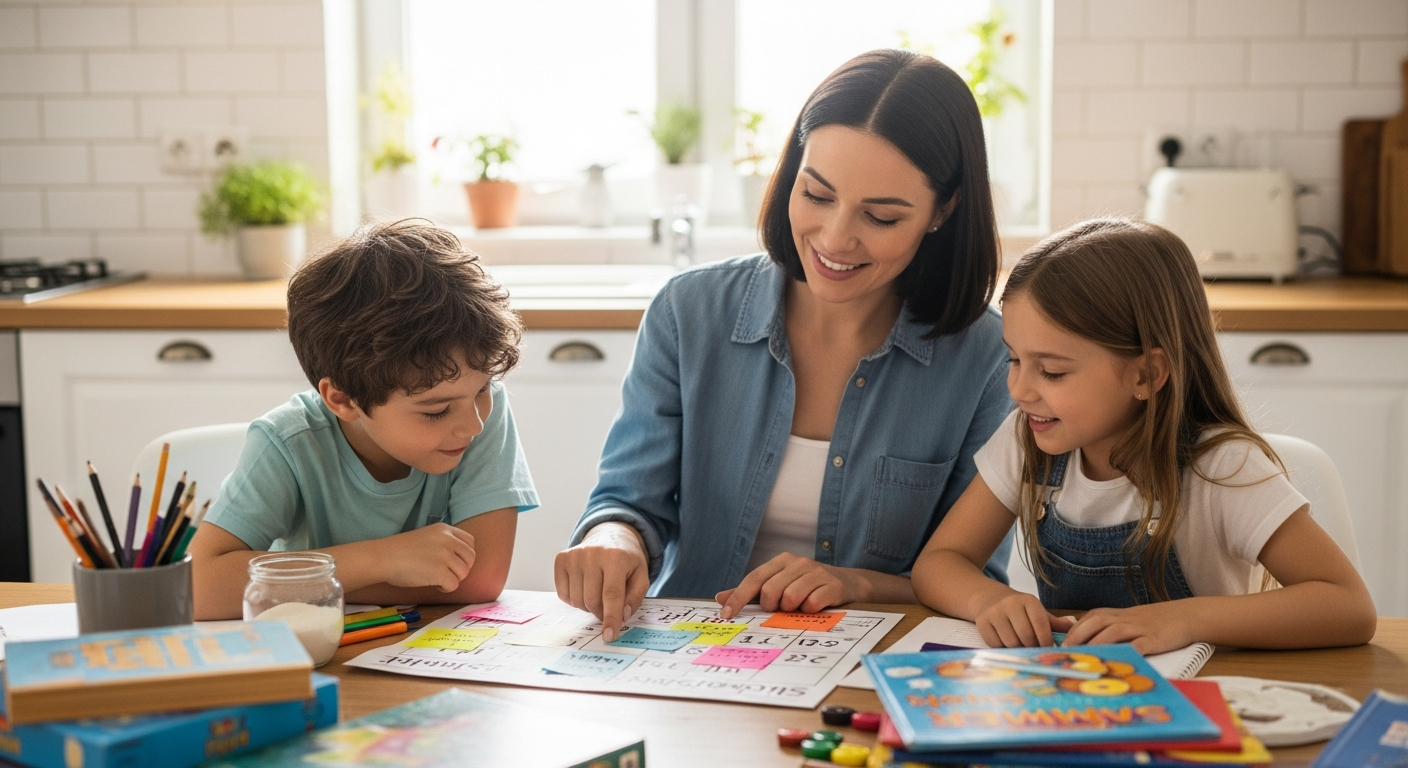
Consider creating a visual schedule that clearly outlines the daily or weekly routine. This can be a simple chart with pictures for younger children or a more detailed calendar for older kids.
Involve your child in creating the schedule to give them a sense of ownership and control. Ask for their input on which activities they want to include and how much time they want to dedicate to each.
Remember to factor in downtime and relaxation. It’s important for children to have time to unwind and recharge, especially during the summer months.
Avoid over-scheduling your child with too many activities. Leave room for spontaneity and allow them to pursue their own interests and hobbies.
Be flexible and willing to adjust the schedule as needed. Life happens, and unexpected events or changing interests may require you to modify the routine.
Communicate clearly with your child about the routine and expectations. Make sure they understand the importance of following the schedule and completing their responsibilities.
Celebrate successes and acknowledge efforts. Positive reinforcement can help motivate your child to stick to the routine and achieve their goals.
Ultimately, the goal is to create a summer routine that is both enjoyable and beneficial for your child. By finding the right balance between fun and structure, you can help them make the most of their summer break.
Don’t be afraid to experiment and try different approaches until you find what works best for your family. Every child is different, so it’s important to tailor the routine to their individual needs and preferences.
Incorporating Educational Activities
Summer learning is essential for preventing the “summer slide” and keeping kids engaged intellectually. Educational activities don’t have to feel like schoolwork; they can be fun, hands-on, and tailored to your child’s interests.
One effective strategy is to incorporate reading into the daily routine. Encourage your child to choose books that interest them, and set aside a specific time each day for independent reading or read-aloud sessions.
| Activity | Description | Benefits |
|---|---|---|
| Reading Challenge | Set a goal for the number of books or pages to read over the summer. | Improves reading comprehension and vocabulary. |
| Educational Games | Play board games, card games, or online games with educational value. | Enhances problem-solving skills and critical thinking. |
| Science Experiments | Conduct simple science experiments at home using household items. | Promotes scientific curiosity and understanding of concepts. |
| Coding Projects | Learn basic coding skills through online tutorials or coding camps. | Develops logical thinking and computer literacy. |
Another great way to incorporate educational activities is through hands-on projects. Consider building a model, conducting a science experiment, or creating a work of art.
Field trips can also be a fun and educational way to spend the summer. Visit museums, historical sites, or nature centers to learn about different subjects and cultures.
Online learning resources can provide access to a wide range of educational materials and activities. Explore educational websites, apps, and online courses that align with your child’s interests and learning goals.
Consider enrolling your child in a summer camp or program that focuses on a specific subject or skill. These programs can provide a structured learning environment and opportunities for socialization.
Make learning a part of everyday life by incorporating educational activities into your family’s routine. Discuss current events, play educational games during car rides, or visit the library regularly.
Encourage your child to pursue their own interests and passions. Support their learning by providing resources, encouragement, and opportunities for exploration.
Remember that learning should be enjoyable and engaging. Avoid putting too much pressure on your child or making learning feel like a chore.
Celebrate your child’s accomplishments and acknowledge their efforts. Positive reinforcement can help motivate them to continue learning and growing.
By incorporating educational activities into your summer routine, you can help your child prevent the summer slide and stay engaged intellectually. This will set them up for success in the coming school year.
Consider using educational apps and websites to supplement traditional learning methods. Many of these resources offer interactive games and activities that can make learning more fun and engaging.
Outdoor Adventures and Exploration
Summer is the perfect time to get kids outdoors and exploring the world around them. Outdoor activities promote physical health, mental well-being, and a deeper connection with nature.
Plan regular trips to local parks, nature reserves, or hiking trails. Encourage your child to observe the plants, animals, and geological features they encounter, and discuss the importance of conservation and environmental stewardship.
Consider organizing a backyard camping trip or a picnic in the park. These simple activities provide opportunities for family bonding and create lasting memories.
Gardening is another excellent outdoor activity that teaches kids about plant life, nutrition, and responsibility. Involve your child in planting, watering, and harvesting vegetables, fruits, or flowers, and let them enjoy the fruits (and veggies) of their labor.
Biking, swimming, and playing sports are all great ways to get kids active and outdoors. Encourage your child to participate in these activities regularly to improve their physical fitness and overall health.
Geocaching is a fun and adventurous outdoor activity that involves using GPS coordinates to find hidden treasures. This can be a great way to explore new areas and learn about geography.
Nature walks and scavenger hunts can help kids develop their observation skills and learn about the natural world. Create a list of items for your child to find during a nature walk, such as different types of leaves, rocks, or insects.
Building a fort or treehouse can be a fun and creative outdoor project. This can provide a space for kids to play, relax, and connect with nature.
Stargazing is a fascinating outdoor activity that can spark curiosity about astronomy and the universe. Use a telescope or binoculars to observe the stars, planets, and constellations.
Visiting a farm or petting zoo can be a great way for kids to learn about animals and agriculture. They can see farm animals up close, learn about how food is produced, and even participate in farm chores.
Remember to dress appropriately for outdoor activities and protect your child from the sun with sunscreen, hats, and sunglasses. It’s also important to stay hydrated by drinking plenty of water.
By incorporating outdoor adventures and exploration into your summer routine, you can help your child develop a lifelong love of nature and the outdoors. This will promote their physical and mental well-being and create lasting memories.
Consider joining local hiking groups or nature clubs to find new trails and connect with other outdoor enthusiasts. This can be a great way to discover hidden gems in your area and learn more about the natural world.
Managing Screen Time Effectively
Screen time can be a major challenge during the summer months, as kids have more free time and fewer structured activities. It’s important to establish clear screen time limits and guidelines to prevent excessive use and promote a healthy balance of activities.
Start by setting realistic expectations for screen time based on your child’s age, developmental needs, and individual circumstances. The American Academy of Pediatrics recommends limiting screen time to one hour per day for children ages 2-5, and setting consistent limits for older children and teens.
Create a designated “screen-free zone” in your home, such as the dining room or bedrooms. Encourage your child to engage in other activities during these times, such as reading, playing games, or spending time with family.
Lead by example by limiting your own screen time and engaging in activities with your child. When kids see their parents enjoying non-screen activities, they are more likely to follow suit.
Establish clear rules and consequences for exceeding screen time limits. This will help your child understand the importance of managing their screen time and following the rules.
Encourage your child to engage in alternative activities, such as outdoor play, reading, or creative projects. Provide them with a variety of options and support their interests.
Use parental control tools to monitor and limit your child’s screen time. These tools can help you set time limits, block inappropriate content, and track your child’s online activity.
Talk to your child about the potential risks of excessive screen time, such as eye strain, sleep problems, and social isolation. Help them understand the importance of balancing screen time with other activities.
Make screen time a reward for completing other tasks or activities. This can help motivate your child to prioritize their responsibilities and manage their time effectively.
Consider using screen time as a family activity. Watch a movie together, play a video game as a family, or explore educational websites together.
Be consistent with your screen time rules and guidelines. This will help your child understand the expectations and avoid confusion or frustration.
By managing screen time effectively, you can help your child develop healthy habits and avoid the negative consequences of excessive screen use. This will promote their physical, mental, and social well-being.
Explore educational video games and apps that can make learning fun and engaging. These resources can provide a valuable supplement to traditional learning methods.
Preventing Summer Slide
Summer slide refers to the loss of academic skills and knowledge that can occur during the summer break. Studies show that students can lose up to two months of learning during the summer, which can have a cumulative effect over time.
However, with a proactive approach and intentional summer learning, you can help your child maintain and even improve their academic skills. Summer learning doesn’t have to be boring or stressful; it can be fun, engaging, and integrated into your child’s daily routine.
- Read regularly
- Practice math facts
- Write in a journal
- Visit museums and libraries
- Engage in educational games
Create a summer learning plan that addresses your child’s specific academic needs and interests. This plan should include a variety of activities that are both educational and enjoyable.
Set realistic goals for summer learning and track your child’s progress. This will help you stay motivated and ensure that your child is making progress.
Use online learning resources to supplement traditional learning methods. Many websites and apps offer interactive games, activities, and lessons that can make learning more fun and engaging.
Encourage your child to read books that are at their reading level and that align with their interests. This will help them improve their reading comprehension and vocabulary.
Practice math facts regularly to maintain and improve your child’s math skills. Use flashcards, online games, or other activities to make learning math fun and engaging.
Encourage your child to write in a journal regularly to improve their writing skills. They can write about their summer experiences, their thoughts and feelings, or anything else that interests them.
Visit museums and libraries to learn about different subjects and cultures. These visits can be a fun and educational way to spend the summer.
Engage in educational games that reinforce academic skills. Many board games, card games, and video games have educational value.
Collaborate with your child’s teacher to identify areas where they need extra support. This will help you tailor your summer learning plan to their specific needs.
Make learning a part of everyday life by incorporating educational activities into your family’s routine. This will help your child see that learning is not just something that happens in school.
By taking a proactive approach to summer learning, you can help your child prevent the summer slide and stay on track academically. This will set them up for success in the coming school year.
Consider enrolling your child in a summer bridge program to help them transition to the next grade level. These programs can provide targeted instruction and support to help students succeed.
Involving Kids in the Planning Process
One of the best ways to ensure your child’s cooperation and enthusiasm for the summer routine is to involve them in the planning process. When kids feel like they have a say in how their summer is structured, they are more likely to embrace the routine and stick to it.
Sit down with your child and brainstorm a list of activities they would like to do during the summer. Encourage them to think about their interests, hobbies, and goals, and help them identify activities that align with these.
Discuss the importance of balancing fun activities with educational and productive tasks. Help your child understand how a well-rounded summer routine can help them grow, learn, and have a memorable break.
Work together to create a visual schedule or chart that outlines the daily or weekly routine. This can be a simple handwritten chart or a more elaborate digital calendar, depending on your child’s age and preferences.
Give your child choices and options within the routine. This will help them feel like they have some control over their summer and make them more likely to cooperate.
Ask for your child’s input on rules and expectations. This will help them understand the reasons behind the rules and make them more likely to follow them.
Encourage your child to take ownership of their responsibilities. This will help them develop a sense of responsibility and accountability.
Listen to your child’s concerns and address any challenges they may be facing. This will help them feel supported and understood.
Be willing to compromise and make adjustments to the routine based on your child’s feedback. This will show them that you value their input and are willing to work together.
Celebrate your child’s successes and acknowledge their efforts. This will help them feel appreciated and motivated.
By involving your child in the planning process, you can create a summer routine that is both enjoyable and beneficial for them. This will help them make the most of their summer break and develop important life skills.
Consider using a family calendar or shared online platform to keep everyone informed about the summer routine and activities. This will help ensure that everyone is on the same page and that there are no surprises.
Being Flexible and Adaptable
While it’s important to have a summer routine in place, it’s equally important to be flexible and adaptable. Life happens, and unexpected events or changing circumstances may require you to adjust the schedule.
Be prepared to modify the routine as needed to accommodate vacations, appointments, or other commitments. Don’t be afraid to deviate from the schedule occasionally to allow for spontaneous adventures or simply to enjoy a relaxing day at home.
Regularly check in with your child to see how they are feeling about the routine. Ask for their feedback and be open to making changes based on their input.
Remember that the goal of a summer routine is to create a framework that supports your child’s well-being and development, not to impose rigid rules or restrictions. By being flexible and adaptable, you can ensure that the routine remains a positive and enjoyable experience for everyone.
Have backup plans in place for rainy days or other unexpected events. This will help you avoid boredom and keep your child engaged even when things don’t go as planned.
Be willing to adjust the routine based on your child’s energy levels and mood. Some days they may be more energetic and eager to participate in activities, while other days they may need more rest and relaxation.
Don’t be afraid to experiment with different activities and approaches. What works for one child may not work for another, so it’s important to find what works best for your family.
Be patient and understanding. It takes time to establish a new routine, and there will be bumps along the way. The key is to stay flexible and adaptable and to keep communicating with your child.
Focus on the overall goals of the summer routine, rather than getting bogged down in the details. The goal is to create a summer that is fun, engaging, and beneficial for your child.
Remember that the summer routine is a tool to help you and your child make the most of the summer break. It’s not a rigid set of rules that must be followed at all costs.
By being flexible and adaptable, you can create a summer routine that is both effective and enjoyable for everyone. This will help your child have a memorable and productive summer break.
Consider having a weekly family meeting to review the summer routine and make any necessary adjustments. This will help ensure that the routine continues to meet the needs of everyone in the family.
Creating a Positive and Supportive Environment
The success of any summer routine depends on creating a positive and supportive environment. Encourage your child’s efforts, celebrate their achievements, and provide constructive feedback when needed.
Focus on building your child’s self-esteem and confidence by recognizing their strengths and talents. Help them identify their passions and interests, and provide opportunities for them to explore these.
Create a safe and nurturing space where your child feels comfortable expressing their thoughts and feelings. Listen to their concerns and address any challenges they may be facing.
By creating a positive and supportive environment, you can help your child thrive during the summer months and develop the skills and confidence they need to succeed in all areas of their life.
Offer praise and encouragement for effort, not just achievement. This will help your child develop a growth mindset and be more willing to take risks and try new things.
Create opportunities for your child to succeed. This will help them build confidence and feel good about themselves.
Avoid comparing your child to others. This can be damaging to their self-esteem and create unnecessary pressure.
Focus on your child’s strengths and talents. This will help them feel valued and appreciated.
Be a positive role model. Your child will learn from your actions and attitudes.
Show your child unconditional love and support. This will help them feel safe and secure.
Create a sense of belonging and connection. This will help your child feel like they are part of a community.
By creating a positive and supportive environment, you can help your child develop the skills and confidence they need to thrive during the summer months and beyond. This will set them up for success in all areas of their life.
Consider incorporating mindfulness practices into your daily routine to help reduce stress and promote emotional well-being. This can be as simple as taking a few deep breaths or spending a few minutes in quiet reflection.
Conclusion
Creating a fun and engaging summer routine for kids is an investment in their well-being, development, and academic success. By balancing structure with flexibility, incorporating educational activities, and managing screen time effectively, you can help your children make the most of their summer break.
Remember to involve your kids in the planning process and create a positive and supportive environment. With a little effort and creativity, you can transform the summer months into a time of growth, learning, and lasting memories.
The benefits of a well-planned summer routine extend far beyond just keeping kids busy. It’s about fostering independence, building confidence, and creating a foundation for lifelong learning.
So, take the time to create a summer routine that works for your family. Embrace the opportunity to connect with your children, explore new interests, and make lasting memories. The summer months are a precious time, and with a little planning, you can make them truly special.
Don’t be afraid to adjust the routine as needed. The most important thing is to create a framework that supports your child’s well-being and development.
Remember to celebrate your successes and acknowledge your efforts. Creating a summer routine is a challenging but rewarding task.
By following the tips and strategies outlined in this guide, you can create a summer routine that will help your children thrive and make the most of their summer break.
So, get started today and create a summer that your children will remember for years to come!